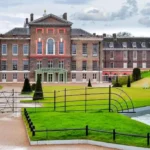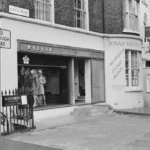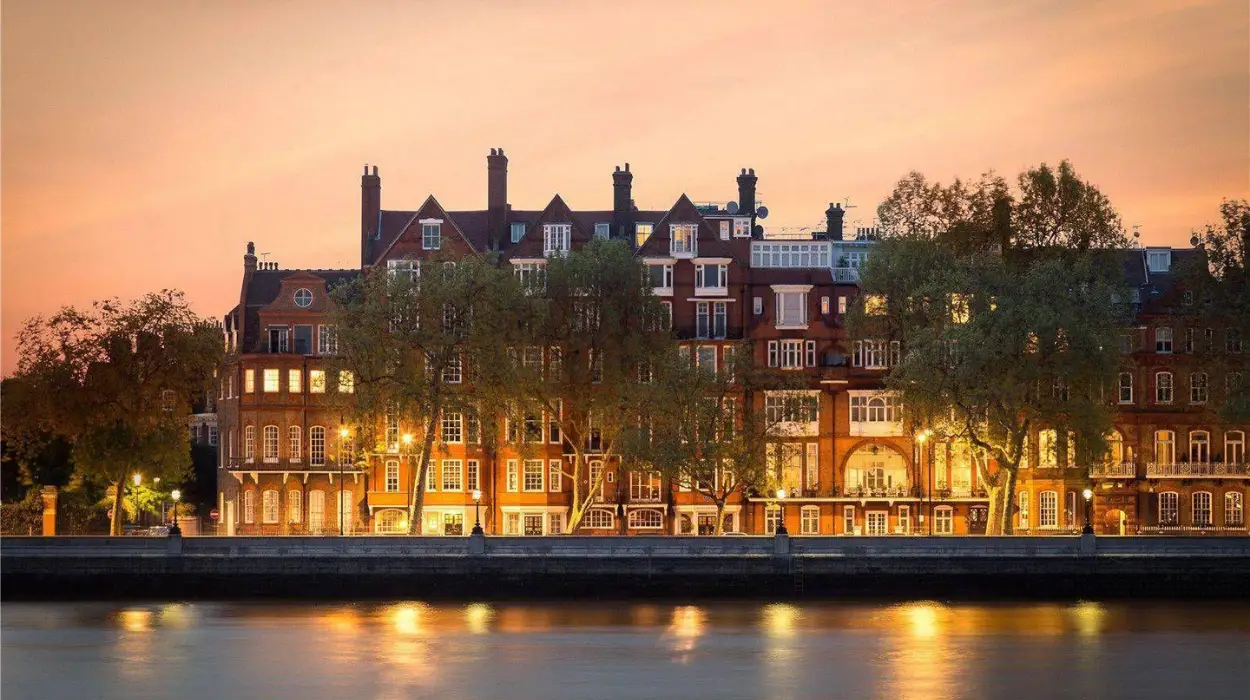
Chelsea is one of London’s most historically layered neighbourhoods, combining aristocratic estates, riverside heritage, scientific institutions, military architecture, artistic communities, and internationally recognised shopping streets. Located on the north bank of the River Thames in the Royal Borough of Kensington and Chelsea, the area developed from a riverside village into an important centre of British culture.
- Why is Chelsea one of London’s most important cultural neighbourhoods?
- Where should visitors start when exploring Chelsea today?
- What makes the King’s Road important for shopping and London history?
- Which art attractions explain Chelsea’s creative history?
- Why should visitors explore Chelsea Physic Garden?
- What can visitors learn from the Royal Hospital Chelsea?
- What makes Chelsea Embankment one of the best riverside walks in London?
- Why is Chelsea Old Church important to the history of the area?
- How does Chelsea connect military history with modern cultural life?
- How can visitors combine art, shopping, and a riverside walk in one Chelsea visit?
- Why does Chelsea remain historically relevant today?
- Frequently Asked Question
Today, the best things to do in Chelsea connect directly with that historical development. Visitors can examine contemporary art in former military buildings, walk along an embankment created during Victorian engineering reforms, explore one of London’s oldest botanical gardens, and follow streets shaped by royal, aristocratic, commercial, and artistic history.
Chelsea’s modern identity rests on several distinct historical foundations, including Tudor connections, scientific research, military institutions, artistic movements, and twentieth-century fashion culture. Examples include Sir Thomas More’s Chelsea residence, Chelsea Physic Garden, the Royal Hospital Chelsea, the Victorian artistic community, and the King’s Road.
Why is Chelsea one of London’s most important cultural neighbourhoods?
Chelsea became one of London’s most important cultural neighbourhoods because its riverside location attracted aristocrats, scientists, artists, soldiers, designers, and merchants. Its surviving gardens, historic churches, military institutions, galleries, shopping streets, and Thames landscapes preserve evidence of more than five centuries of change.
Chelsea developed outside the historic City of London and retained a distinct identity for centuries. Its position beside the River Thames provided transport connections before modern roads and railways transformed London. Wealthy residents established houses and estates along the river, while institutions later introduced scientific, military, educational, and cultural functions.
The area became associated with major figures in English history. Sir Thomas More, lawyer, statesman, and Lord Chancellor to King Henry VIII, lived in Chelsea during the sixteenth century. The neighbourhood also developed strong royal connections, particularly through the establishment of the King’s Road.
Chelsea’s cultural importance expanded significantly during the nineteenth century. Artists and writers were attracted by the area’s riverside setting, relatively open spaces, and growing reputation as a creative district. This artistic identity became embedded in Chelsea’s architecture and social history.
The twentieth century added another major layer. The King’s Road became internationally associated with fashion, youth culture, design, and the cultural changes of the 1960s and 1970s. Chelsea therefore represents several historical periods rather than one architectural era.
The Chelsea Heritage Quarter identifies the area’s long development from a Thames-side settlement to a centre of artistic and cultural activity. Its modern heritage network connects Chelsea Physic Garden, the National Army Museum, the Royal Hospital Chelsea, and the surrounding Cadogan estate.
For visitors, this concentration creates a clear geographical advantage. Major cultural attractions can be explored through connected walks rather than isolated journeys across London.
Where should visitors start when exploring Chelsea today?
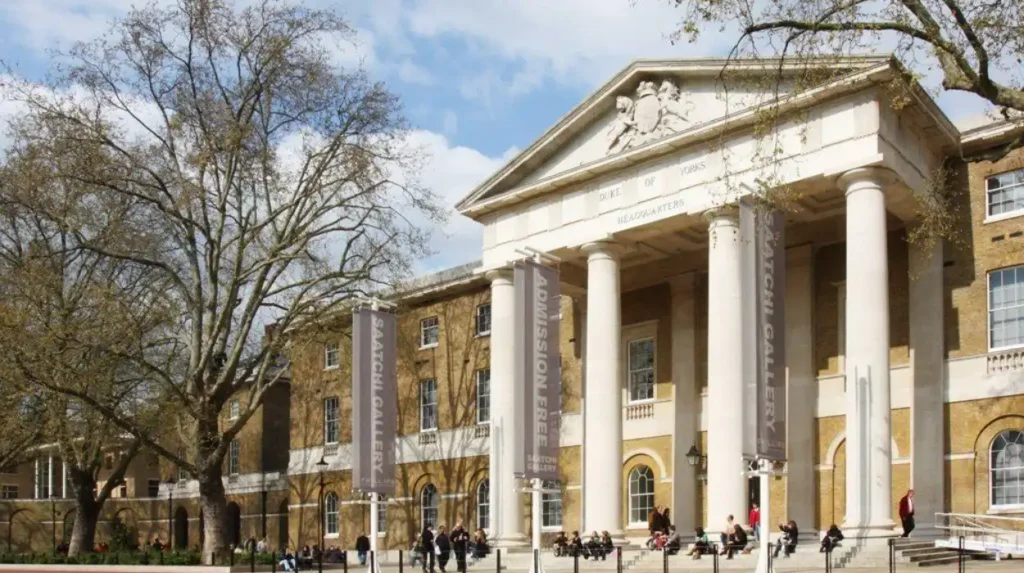
Visitors should start around Sloane Square and the King’s Road because this area connects Chelsea’s shopping history, contemporary culture, Duke of York Square, and the Saatchi Gallery. From there, Royal Hospital Road and Chelsea Embankment provide a direct route toward major heritage landmarks.
Sloane Square forms an effective starting point because it stands near the transition between central London and historic Chelsea. The surrounding streets demonstrate the area’s relationship with estate development, luxury retail, and planned urban architecture.
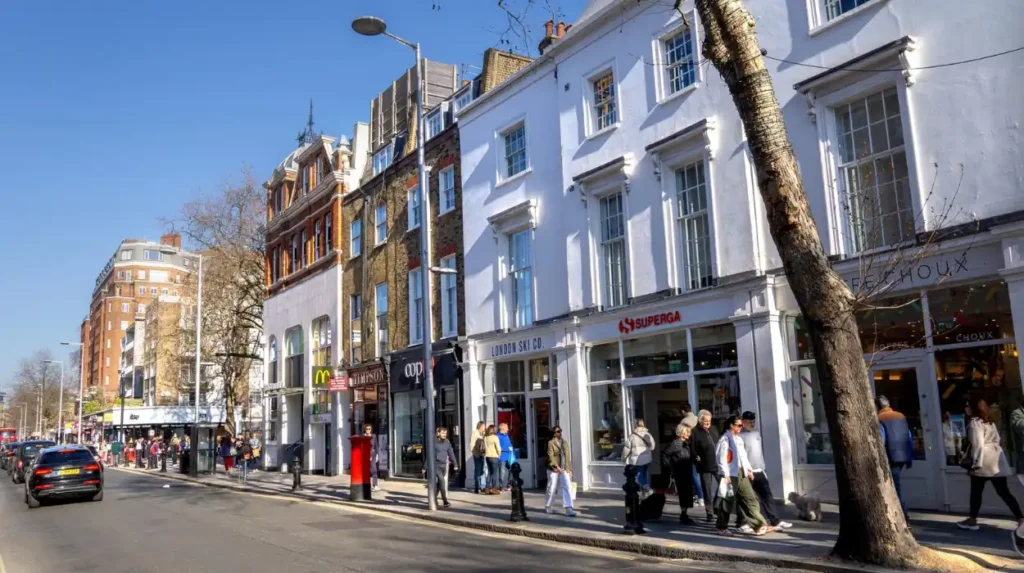
The nearby King’s Road provides the most important commercial route through Chelsea. Its history explains why shopping remains central to the modern identity of the district.
King Charles II established the King’s Road in 1694 as a private route associated with royal travel. The road remained a private royal road until the nineteenth century, when wider access transformed its relationship with the growing urban neighbourhood. Chelsea Physic Garden records the road’s establishment in 1694 and its private status until the 1830s.
This history is important because the modern shopping street developed on infrastructure originally created for royal movement. The transformation from royal route to public commercial street demonstrates a broader pattern in London history: elite infrastructure frequently acquired new social and economic functions as the city expanded.
Duke of York Square provides another important historical connection. The site has previously accommodated an orphanage established in 1802 and later the Duke of York’s army barracks. It is now a major retail and cultural space beside the Saatchi Gallery.
To experience Chelsea’s historic streets, cultural institutions, shops, and riverside landmarks in person today, consult our comprehensive [The Remarkable History Behind Chelsea’s Artistic and Fashionable Cultural Identity] for itineraries and visiting parameters.
What makes the King’s Road important for shopping and London history?
The King’s Road is important because it evolved from a seventeenth-century royal route into one of London’s most influential centres for fashion, retail, youth culture, and design. Its changing function reflects Chelsea’s transition from an aristocratic riverside village into a global cultural destination.
The King’s Road provides one of the clearest examples of historical continuity in Chelsea. The street name preserves its royal origin, while its modern shops demonstrate the commercial transformation that followed the opening of the area to wider public use.
During the twentieth century, Chelsea became particularly important to British fashion. The King’s Road developed into a centre for independent boutiques, experimental clothing, music culture, and youth-oriented businesses.
The cultural transformation of the 1960s made the street internationally recognised. Designers, musicians, artists, photographers, and entrepreneurs contributed to Chelsea’s new public identity. The district became associated with changing attitudes toward fashion and popular culture.
This period also altered London’s retail geography. Traditional shopping districts were increasingly joined by neighbourhoods where fashion functioned as a form of cultural identity. Chelsea became one of the most important examples.
Modern shopping along and around the King’s Road continues this commercial tradition through established brands, independent businesses, fashion retailers, beauty companies, galleries, and specialist shops.
Duke of York Square now contains more than 30 fashion and lifestyle retailers and combines retail activity with cultural institutions and public space.
For history enthusiasts, shopping in Chelsea therefore has a wider historical context. The experience follows the development of the neighbourhood from aristocratic movement and estate ownership to twentieth-century fashion influence and modern international retail.
Which art attractions explain Chelsea’s creative history?
Chelsea’s art attractions explain its creative history through nineteenth-century artistic communities and modern exhibition institutions. The Saatchi Gallery provides a major contemporary focus, while Chelsea’s streets and historic environment preserve the wider cultural landscape that attracted painters, writers, designers, and collectors.
Chelsea’s artistic reputation developed strongly during the nineteenth century. Its location beside the Thames, distinctive houses, studios, gardens, and relative separation from the commercial centre of London made it attractive to creative residents.
The neighbourhood became associated with important developments in British visual culture. Artists established studios and communities in Chelsea and nearby districts, creating a relationship between residential architecture and artistic production.
This historical reputation remains important because Chelsea did not become a cultural district solely through museums constructed in the modern period. Its creative identity developed through the concentration of residents, studios, patrons, publishers, and cultural institutions.
The Saatchi Gallery represents the contemporary stage of that development. Founded in 1985, the institution has presented contemporary art and developed an international reputation for exhibiting emerging artists. In 2019, the Saatchi Gallery became a registered charity, establishing a new organisational chapter focused on access to contemporary art and culture.
The gallery is located in the Duke of York’s Headquarters on the King’s Road. The building’s location adds another historical dimension because the surrounding site previously served military purposes.
This combination is significant. A former military environment now supports a major contemporary art institution, demonstrating how historic buildings and districts acquire new cultural functions.
Visitors exploring Chelsea for art should therefore understand the neighbourhood at two levels. The first is the visible contemporary art programme represented by galleries and exhibitions. The second is the historical urban environment that established Chelsea as one of London’s recognised creative districts.
Why should visitors explore Chelsea Physic Garden?
Visitors should explore Chelsea Physic Garden because it preserves more than 350 years of botanical, medical, scientific, and global history. Founded in 1673 for the training of apothecaries, the four-acre garden remains one of London’s most important surviving scientific landscapes.
Chelsea Physic Garden is fundamental to understanding the neighbourhood’s scientific history. The Worshipful Society of Apothecaries of London established the garden in 1673 as an outdoor teaching environment where apprentices could study medicinal plants and their uses.
An apothecary was a professional who prepared and supplied medicines and provided medical advice. Before modern pharmaceutical systems developed, knowledge of plants formed an essential part of medical practice.
The garden therefore connected Chelsea directly with the history of medicine.
Its scientific importance expanded through plant collection and international exchange. Historic England records that the original garden occupied approximately one hectare and had a river frontage of about 100 metres. By 1679, records identified 1,200 different plants within the site.
The garden’s history also reveals the global systems behind British scientific development. Plants arrived through international networks involving Europe, the Americas, Asia, Africa, colonial territories, trade routes, indigenous knowledge, and scientific correspondence.
Sir Hans Sloane became central to the site’s long-term survival. After acquiring the Manor of Chelsea, Sloane arranged in 1722 for the Apothecaries to retain the garden under conditions requiring the continued cultivation of useful plants.
Philip Miller became head gardener in 1722 and held the position for approximately 50 years. His work contributed to the garden’s international scientific standing.
Chelsea Physic Garden is now London’s oldest botanic garden and maintains a collection focused on medicinal, herbal, and useful plants. The institution describes its continuing role as the conservation and explanation of plants and their cultural, economic, environmental, and medicinal importance.
The garden also provides a direct preservation example. Historic England lists Chelsea Physic Garden at Grade I, the highest category used for particularly important historic parks and gardens.
What can visitors learn from the Royal Hospital Chelsea?
The Royal Hospital Chelsea explains Britain’s military and social history through an institution founded to support army veterans. Its architecture, Chelsea Pensioners, landscaped grounds, and continuing public role preserve the long relationship between military service, welfare, monarchy, and national memory.
The Royal Hospital Chelsea is one of the defining institutions of the neighbourhood. Founded during the reign of Charles II, the hospital was established to provide accommodation and support for soldiers who had served in the British Army.
The term Chelsea Pensioners refers to the military veterans who live at the institution. Their distinctive scarlet uniforms have become internationally recognisable symbols of the Royal Hospital.
The architectural history of the complex is equally important. Sir Christopher Wren, one of England’s most significant architects, designed the Royal Hospital Chelsea. Wren’s work connected the institution with the architectural transformation of London following the Great Fire of 1666.
The site therefore combines several historical functions. It is a military institution, residential community, architectural landmark, and national heritage site.
The Royal Hospital grounds also demonstrate changes in London’s relationship with public space and the River Thames. Historic England records that nineteenth-century infrastructure projects affected the hospital’s riverside setting. The construction of Chelsea Embankment separated the grounds from the Thames, while earlier landscape arrangements were altered through road construction and urban development.
Since 1913, lawns south of the Royal Hospital have been associated with the Royal Horticultural Society’s Chelsea Flower Show. The annual event added another internationally recognised cultural function to Chelsea’s historic landscape.
For educators and students, the Royal Hospital provides evidence of how institutions survive by adapting to changing political and social systems while retaining their original purpose.
What makes Chelsea Embankment one of the best riverside walks in London?
Chelsea Embankment is one of London’s most important riverside walks because it combines Thames views with Victorian engineering, historic gardens, churches, memorials, and major institutions. Built between 1869 and 1874, it permanently changed Chelsea’s relationship with the River Thames.
The modern riverside experience in Chelsea is inseparable from Victorian infrastructure.
Sir Joseph Bazalgette was the engineer responsible for the wider Thames Embankment projects that transformed London’s river edge. These schemes addressed sanitation, drainage, transport, and flood-related urban problems while also creating new roads and public spaces.
Chelsea Embankment was constructed between 1869 and 1874. The Royal Borough of Kensington and Chelsea records that the embankment gardens were created after this engineering project, and that the Chelsea Embankment opened in May 1874.
The project produced benefits but also caused permanent physical changes. Chelsea Physic Garden lost its direct river frontage and barge houses during the construction of the embankment.
Historic England records that the garden’s original riverside boundary remains identifiable within the site even though the Victorian embankment now forms its southern edge.
This makes a Chelsea riverside walk particularly valuable for historical interpretation. The modern Thames edge does not represent the original geography of the neighbourhood. The river relationship was physically redesigned by nineteenth-century engineering.
Chelsea Embankment Gardens provide landscaped stopping points along the route. The gardens contain trees, shrubs, grass areas, seating, and seasonal planting. The local authority also identifies nearby St Thomas More Gardens and the statue of Sir Thomas More near Chelsea Old Church.
A walk along this route therefore connects environmental history, engineering history, political history, and religious heritage.
Why is Chelsea Old Church important to the history of the area?
Chelsea Old Church is important because it preserves the religious and social history of the historic riverside village and connects modern Chelsea with prominent Tudor residents. Its setting near the Thames also demonstrates how the neighbourhood developed before Victorian embankment construction transformed the riverfront.
Chelsea Old Church represents the older settlement pattern that existed before modern Chelsea became part of continuous metropolitan London.
Historic parish churches were central institutions in English communities. They recorded baptisms, marriages, and burials and therefore remain particularly important to genealogical researchers investigating local family histories.
Chelsea’s parish history provides valuable evidence for researchers tracing residents connected with aristocratic households, military institutions, domestic service, commerce, and artistic communities.
The church is also closely associated with the wider history of Sir Thomas More. More was an important Tudor statesman and lived in Chelsea during the reign of Henry VIII.
His connection gives the area an important place in sixteenth-century English political and religious history. More served as Lord Chancellor before his execution in 1535 following his opposition to Henry VIII’s religious policies and the royal supremacy over the English Church.
The presence of St Thomas More Gardens and the nearby statue of More demonstrates how Chelsea continues to commemorate its Tudor heritage.
For heritage visitors, Chelsea Old Church provides an important chronological contrast with the Victorian embankment surrounding it. The church represents an older riverside community, while the embankment represents the nineteenth-century reconstruction of London’s relationship with the Thames.
How does Chelsea connect military history with modern cultural life?
Chelsea connects military history with modern cultural life through the Royal Hospital Chelsea, former barracks at Duke of York Square, the National Army Museum, and reused historic buildings. These sites show how military landscapes became active parts of London’s cultural and commercial environment.
Military history is embedded throughout Chelsea’s physical landscape.
The Royal Hospital Chelsea remains the most prominent example, but former military land also influenced the development of the King’s Road area.
Duke of York Square illustrates this transformation clearly. The location has a documented history that includes an orphanage established in 1802 and later the Duke of York’s army barracks. The site now combines shops, restaurants, public space, and the Saatchi Gallery.
The National Army Museum adds another institutional layer to Chelsea’s military landscape. Together with the Royal Hospital and surrounding heritage sites, it forms part of the Chelsea Heritage Quarter network.
This concentration allows visitors to examine a major historical process: adaptive reuse.
Historic urban districts survive when buildings and sites retain cultural value while acquiring new economic and social functions. Chelsea demonstrates this process through military buildings reused for art, historic estates incorporated into commercial districts, and scientific institutions continuing as educational visitor attractions.
The result is a neighbourhood where preservation does not require historical isolation. Historic places remain part of daily commercial and cultural life.
How can visitors combine art, shopping, and a riverside walk in one Chelsea visit?
Visitors can combine Chelsea’s major experiences by beginning around Sloane Square, exploring the King’s Road and Duke of York Square, visiting contemporary art institutions, continuing toward Royal Hospital Road, and finishing along Chelsea Embankment beside historic gardens and the River Thames.
Chelsea works effectively as a walkable cultural district because its principal themes are geographically connected.
The first section should focus on the King’s Road and Duke of York Square. This provides historical context for Chelsea’s royal route, twentieth-century fashion identity, and modern shopping environment.
The second section should focus on art. The Saatchi Gallery provides a contemporary cultural anchor within a historic military setting. Visitors can then interpret the surrounding streets through Chelsea’s longer artistic history.
The third section should move toward Royal Hospital Road. Here, the relationship between military history, architecture, scientific heritage, and institutional preservation becomes clearer.
Chelsea Physic Garden provides the strongest scientific component of the route. Its four-acre site contains more than three centuries of evidence relating to medicine, horticulture, botanical exchange, and global knowledge systems.
The final section should follow Chelsea Embankment. This connects the historic institutions with the transformed Victorian riverfront.
This route also follows a clear historical sequence. Royal and aristocratic Chelsea developed beside the Thames. Scientific and military institutions expanded during the seventeenth century. Artistic and residential communities strengthened during the nineteenth century. Fashion and youth culture reshaped the King’s Road during the twentieth century. Contemporary galleries and international retail now operate within this accumulated historic environment.
Why does Chelsea remain historically relevant today?
Chelsea remains historically relevant because its surviving landscape records how London changed from a collection of riverside communities into a global capital. Its gardens, institutions, streets, churches, shops, and embankment preserve evidence of scientific, military, artistic, commercial, and urban development.
Chelsea’s importance extends beyond individual attractions.
The neighbourhood provides a concentrated record of historical change. The same area contains Tudor associations, seventeenth-century scientific institutions, royal infrastructure, Christopher Wren’s military architecture, Victorian engineering, nineteenth-century artistic communities, twentieth-century fashion culture, and contemporary art.
Examples include Sir Thomas More’s association with Chelsea, the 1673 foundation of Chelsea Physic Garden, the Royal Hospital Chelsea, the 1874 completion of Chelsea Embankment, the cultural transformation of the King’s Road, and the modern Saatchi Gallery.
This historical density makes Chelsea particularly useful for education. Students can examine urban history directly through streets and buildings. Heritage researchers can identify how preservation operates within an active commercial neighbourhood. Genealogical researchers can connect family research with parish, institutional, military, and residential history.
The preservation of Chelsea Physic Garden provides a particularly strong example of long-term continuity. The institution began as a training garden for apothecaries and remains focused on public education and the importance of useful plants more than 350 years later.
Chelsea Embankment provides an equally important example of historical transformation. The Victorian project improved London’s infrastructure but permanently altered the relationship between the neighbourhood and the River Thames.
Modern Chelsea therefore should not be understood simply as a shopping district or affluent residential area. It is a historic urban landscape in which each major activity has a deeper context.
Art reflects Chelsea’s long creative reputation. Shopping reflects the evolution of the King’s Road from royal infrastructure to fashion destination. Riverside walks reveal Victorian engineering and the older geography hidden beneath the modern embankment.
For visitors seeking the best things to do in Chelsea today, these connections provide the essential framework. The strongest experience comes from seeing art, shopping, gardens, military architecture, and the Thames as parts of one continuous historical landscape.
Chelsea remains a place where London’s past is not confined to museum displays. It survives in the route of a road built for a king, the walls of a seventeenth-century scientific garden, the architecture of a military institution, the landscape created by Victorian engineers, and the cultural spaces that continue to redefine the neighbourhood for new generations
Frequently Asked Question
What are the best things to do in Chelsea, London?
The best things to do in Chelsea include exploring the King’s Road, visiting the Saatchi Gallery, discovering Chelsea Physic Garden, seeing the Royal Hospital Chelsea, and walking along Chelsea Embankment beside the River Thames.