London combines more than 2,000 years of history with some of the world’s most refined travel experiences. The city served as the political, commercial, and cultural centre of Britain from the Roman occupation in AD 43 through the medieval, Tudor, Georgian, Victorian, and modern eras. Today, that historical foundation supports a luxury tourism sector built around royal heritage, fine dining, private cultural access, exclusive accommodation, premium shopping, and personalised sightseeing.
- Why is London considered one of the world’s leading luxury travel destinations?
- How did London’s royal heritage shape modern luxury tourism?
- What premium sightseeing experiences showcase London’s historic landmarks?
- Why do London’s luxury hotels reflect centuries of architectural history?
- How has fine dining become part of London’s cultural heritage?
- Why are London’s theatres and performing arts central to premium entertainment?
- How do luxury shopping districts reflect London’s commercial history?
- What exclusive museum and gallery experiences are available in London?
- How does the River Thames enhance luxury sightseeing and entertainment?
- Why does heritage preservation strengthen London’s luxury travel appeal?
- What makes London’s luxury experiences valuable for future generations?
- Frequently Asked Question
Luxury travel in London extends beyond expensive hotels or high-end restaurants. It reflects access to heritage, craftsmanship, architecture, performing arts, and world-famous institutions that have shaped Britain’s history. Visitors seeking premium experiences encounter royal palaces, private museum tours, chauffeur-driven transport, Michelin-starred cuisine, luxury department stores, historic theatres, and exclusive river cruises that blend modern comfort with centuries of tradition.
Understanding London’s luxury experiences also requires understanding the city’s historical development. Royal patronage, global trade through the British Empire, financial growth in the City of London, and cultural investment created institutions that remain symbols of prestige today.
Why is London considered one of the world’s leading luxury travel destinations?
London ranks among the world’s premier luxury destinations because it combines royal heritage, globally recognised cultural institutions, historic architecture, Michelin-starred dining, exclusive shopping districts, luxury accommodation, and personalised visitor experiences within a city whose history spans nearly two millennia.
Luxury tourism in London developed alongside Britain’s emergence as a global power. During the eighteenth and nineteenth centuries, wealth generated through international commerce transformed districts such as Mayfair, St James’s, and Belgravia into prestigious residential neighbourhoods. Grand townhouses, private clubs, landscaped squares, and elegant shopping arcades reflected London’s status as an international capital.
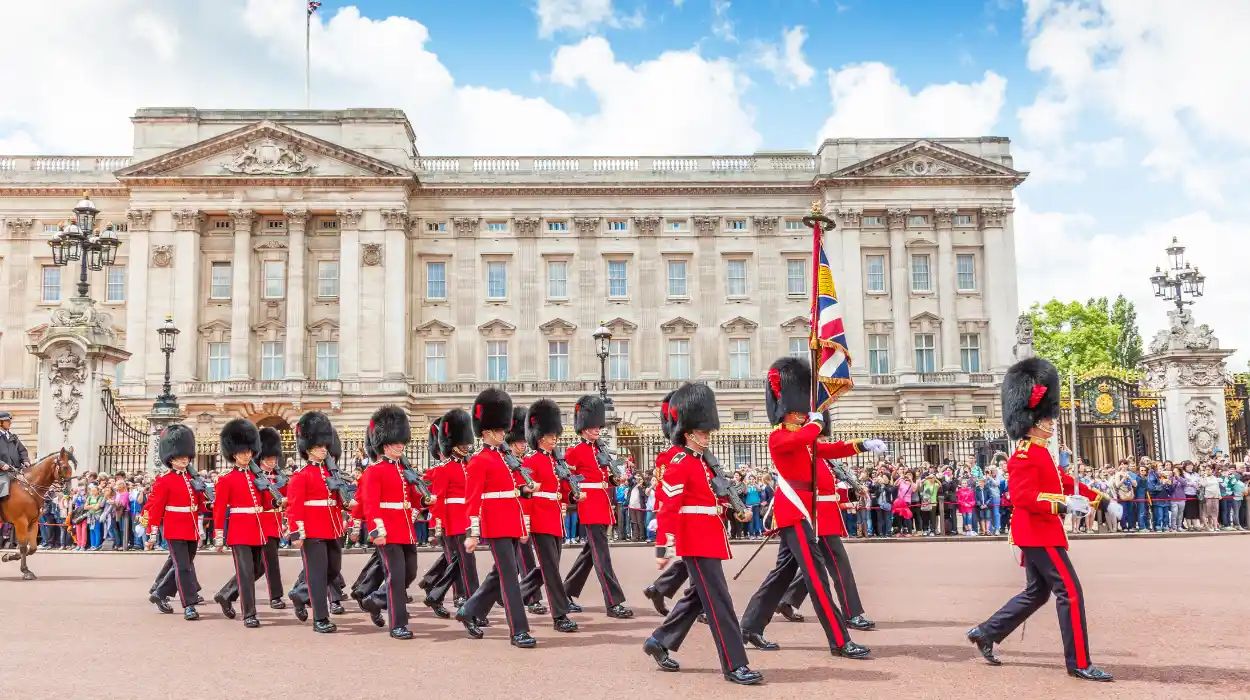
The British monarchy also shaped London’s luxury identity. Royal residences including Buckingham Palace, St James’s Palace, Kensington Palace, and Clarence House remain central symbols of ceremonial tradition. State occasions such as coronations, Trooping the Colour, royal weddings, and diplomatic receptions reinforce London’s global image of refinement and prestige.
London’s financial strength further contributed to premium tourism. The City of London developed into one of the world’s leading financial centres, attracting international investment that supported luxury hospitality, fine dining, art markets, and high-end retail.
Cultural institutions also distinguish London from many luxury destinations. Visitors gain access to internationally significant museums, galleries, opera houses, orchestras, theatres, and heritage sites while enjoying exclusive private tours, after-hours access, and curated cultural experiences unavailable to standard visitors.
How did London’s royal heritage shape modern luxury tourism?
Royal history established London’s global reputation for ceremony, architecture, diplomacy, and prestige. Modern luxury tourism builds upon centuries of royal traditions through palace visits, ceremonial events, exclusive guided experiences, and heritage attractions connected directly to the British monarchy.
The Norman conquest of 1066 strengthened London’s political importance, but royal influence expanded significantly under the Tudor dynasty. Monarchs invested heavily in palaces, ceremonial spaces, and administrative buildings that became enduring landmarks.
The Stuart and Georgian periods introduced formal avenues, landscaped parks, and elegant neighbourhoods that reflected changing concepts of royal authority and aristocratic life. Buckingham Palace evolved from Buckingham House into the official London residence of British monarchs during the nineteenth century under Queen Victoria.
Luxury travellers today benefit from this preserved royal landscape. Premium guided experiences often include early-access palace tours, expert historians, exclusive ceremonial viewpoints, and personalised itineraries focused on constitutional history.
Royal Parks—including Hyde Park, Green Park, St James’s Park, Kensington Gardens, Richmond Park, Greenwich Park, and Regent’s Park—continue serving both residents and visitors while preserving centuries of royal landscape design.
To experience these royal landmarks in person today, consult our comprehensive How London Became a World-Famous Luxury Destination Through History and Commerce for itineraries and visiting parameters.
What premium sightseeing experiences showcase London’s historic landmarks?
Luxury sightseeing combines expert interpretation, private transportation, limited-access tours, exclusive viewpoints, and personalised itineraries that reveal London’s architectural evolution from Roman settlement to modern global capital while reducing crowds and maximising historical understanding.
Premium sightseeing focuses on quality rather than quantity. Instead of visiting many attractions briefly, luxury experiences emphasise expert interpretation and extended access.
Private historians often guide visitors through Westminster, explaining how Parliament, Westminster Abbey, Whitehall, and Buckingham Palace collectively illustrate Britain’s constitutional development.
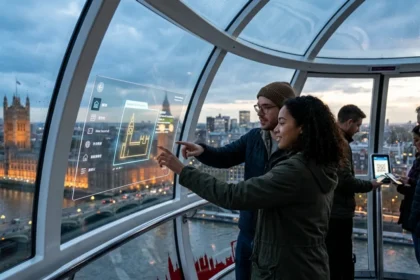
Exclusive river cruises along the River Thames provide uninterrupted views of London’s skyline while highlighting the historical relationship between commerce, defence, religion, and government. The Thames served as London’s principal transport corridor for nearly two thousand years, enabling Roman trade, medieval commerce, Tudor naval expansion, and Victorian industrial growth.
Luxury helicopter flights offer a broader geographical understanding of London’s development. From above, visitors observe how Roman street patterns, medieval districts, Georgian squares, Victorian rail infrastructure, twentieth-century redevelopment, and contemporary skyscrapers coexist within one urban landscape.
Private evening tours also allow visitors to experience historic districts after daytime crowds have departed, providing quieter opportunities for architectural appreciation and historical discussion.
Why do London’s luxury hotels reflect centuries of architectural history?
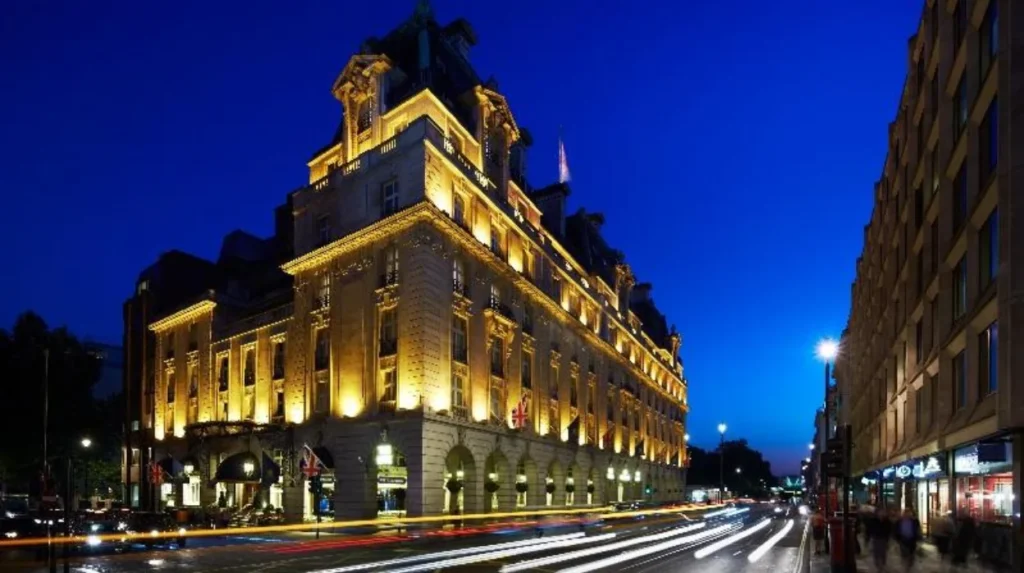
London’s finest hotels occupy historic buildings that demonstrate Georgian planning, Victorian engineering, Edwardian elegance, and twentieth-century restoration while preserving original architectural features alongside modern hospitality standards expected by international luxury travellers.
Many of London’s luxury hotels began as aristocratic residences, government buildings, or grand railway hotels.
Georgian architecture introduced symmetrical façades, elegant proportions, decorative brickwork, and carefully planned urban squares. Many luxury properties in Mayfair preserve these design principles through restored interiors and protected exteriors.
The Victorian era transformed London’s hospitality industry following railway expansion. Grand hotels near major stations welcomed wealthy domestic and international travellers arriving from across Britain and Europe.
Edwardian architecture introduced larger public reception rooms, improved engineering systems, electric lighting, and enhanced decorative craftsmanship. These innovations elevated London’s reputation for sophisticated hospitality during the early twentieth century.
Historic preservation regulations now protect numerous luxury properties, ensuring restoration projects maintain original façades, staircases, ceilings, fireplaces, and decorative details while integrating contemporary environmental and safety standards.
How has fine dining become part of London’s cultural heritage?
London’s culinary reputation developed through centuries of immigration, imperial trade, agricultural innovation, and professional hospitality, creating a dining culture where traditional British cuisine and international gastronomy coexist within award-winning restaurants and historic establishments.
London’s food culture reflects continuous international influence.
Roman occupation introduced organised markets. Medieval guilds regulated food production. Tudor expansion increased imports of spices and luxury ingredients. The British Empire expanded access to tea, coffee, sugar, cocoa, spices, and global agricultural products.
The nineteenth century witnessed the emergence of grand restaurants serving wealthy merchants, politicians, diplomats, and aristocrats. French culinary techniques influenced elite dining while London’s expanding population encouraged culinary diversity.
Modern luxury dining combines historical tradition with contemporary innovation. Michelin-starred restaurants showcase seasonal British ingredients using refined preparation techniques. Historic dining rooms preserve decorative interiors dating from the nineteenth and early twentieth centuries.
Private chef experiences, tasting menus, wine pairings, chef’s tables, and exclusive culinary workshops further demonstrate London’s evolution into one of Europe’s leading gastronomic destinations.
Why are London’s theatres and performing arts central to premium entertainment?
London’s performing arts heritage spans more than four centuries, combining Shakespearean tradition, royal patronage, opera, ballet, orchestral music, and West End productions that attract audiences from around the world seeking exceptional cultural experiences.
Theatre has shaped London’s identity since the Elizabethan era.
William Shakespeare’s plays transformed English drama during the late sixteenth and early seventeenth centuries. Public theatres attracted audiences from multiple social classes, establishing London as Europe’s leading theatrical centre.
The eighteenth and nineteenth centuries expanded London’s entertainment landscape through opera houses, concert halls, music halls, and purpose-built theatres.
The West End now contains one of the world’s largest concentrations of professional theatres. Historic venues preserve architectural craftsmanship while presenting internationally acclaimed productions.
Luxury theatre experiences often include premium seating, private hospitality lounges, backstage access, expert talks, and exclusive dining packages that deepen appreciation for London’s performing arts heritage.
The Royal Opera House, Royal Albert Hall, Southbank Centre, and numerous historic concert venues continue hosting internationally recognised performances throughout the year.
How do luxury shopping districts reflect London’s commercial history?
London’s prestigious shopping areas evolved from aristocratic neighbourhoods, merchant districts, and planned developments that combined architecture, craftsmanship, international trade, and luxury retail over several centuries of economic growth.
Luxury shopping in London has deep historical foundations.
Bond Street emerged during the eighteenth century as a fashionable destination for London’s upper classes. Tailors, jewellers, art dealers, and luxury retailers established businesses serving aristocratic clients.
Savile Row became internationally recognised for bespoke tailoring during the nineteenth century. Skilled craftspeople developed techniques still associated with exceptional garment construction.
Burlington Arcade, opened in 1819, introduced one of Britain’s earliest covered shopping arcades. Its controlled environment reflected changing expectations regarding comfort, security, and elegance.
Harrods, Liberty, Fortnum & Mason, and Selfridges each represent different phases of London’s commercial development, combining architectural significance with luxury retail innovation.
Today’s premium shopping experiences frequently include private appointments, personal stylists, exclusive collections, bespoke tailoring, jewellery consultations, and artisan workshops.
What exclusive museum and gallery experiences are available in London?
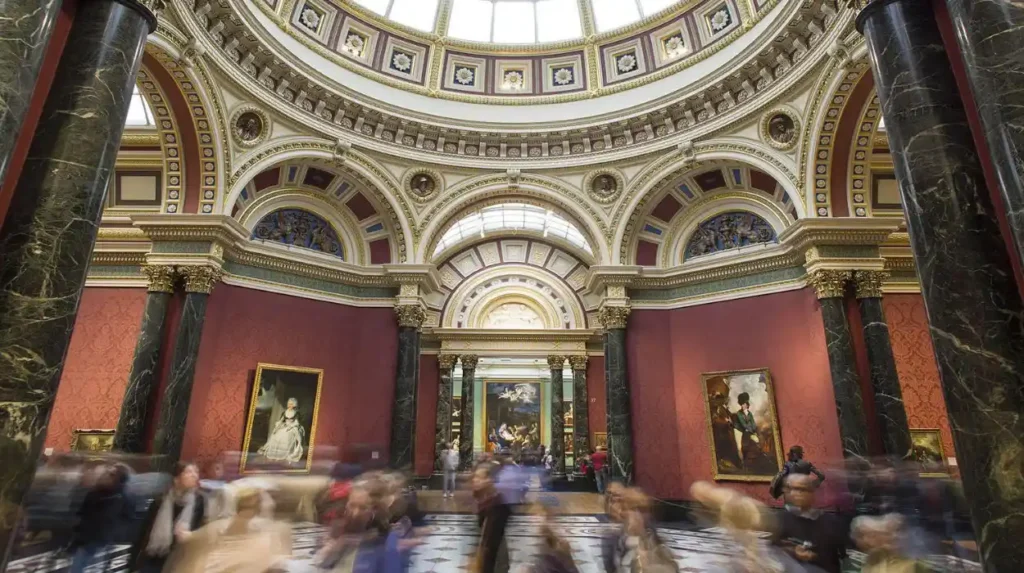
Luxury cultural experiences provide private access to internationally significant collections through curator-led tours, after-hours visits, conservation insights, and specialised educational programmes that deepen understanding of Britain’s artistic and historical heritage.
London houses some of the world’s most important museum collections.
The British Museum preserves millions of artefacts documenting human civilisation across continents and historical periods.
The National Gallery contains masterpieces spanning the thirteenth through nineteenth centuries, illustrating the evolution of European painting.
The Victoria and Albert Museum documents decorative arts, fashion, design, sculpture, and craftsmanship from multiple cultures.
Private museum experiences often include access before public opening hours, curator presentations, conservation laboratories, archive collections, and scholarly discussions unavailable during standard visits.
These programmes benefit educators, researchers, collectors, and culturally focused travellers seeking greater historical depth beyond traditional sightseeing.
How does the River Thames enhance luxury sightseeing and entertainment?
The River Thames provides historical context, architectural perspectives, and exclusive leisure opportunities through private cruises, fine dining vessels, luxury accommodation, and curated historical commentary that connects London’s past with its contemporary skyline.
The Thames remains London’s defining geographical feature.
Roman Londinium developed beside the river because it provided commercial access to continental Europe. Medieval merchants expanded port facilities that supported England’s growing economy.
The Tudor navy relied upon the Thames for military operations, while Victorian engineers transformed river infrastructure through embankments, bridges, docks, and improved sanitation.
Luxury river experiences now combine these historical narratives with contemporary comfort.
Private cruises frequently include gourmet dining, live classical music, champagne receptions, architectural commentary, and sunset sightseeing.
Evening cruises offer particularly striking views as historic landmarks and modern skyscrapers illuminate the river corridor, demonstrating London’s continuous architectural evolution.
Why does heritage preservation strengthen London’s luxury travel appeal?
Historic preservation protects London’s architectural authenticity, archaeological resources, cultural traditions, and historic landscapes while ensuring future generations continue experiencing original buildings, monuments, collections, and neighbourhoods that define Britain’s national heritage.
Britain maintains one of the world’s most comprehensive heritage protection systems.
Listed building legislation safeguards structures of architectural or historical significance. Conservation areas preserve the broader character of historic neighbourhoods. Scheduled monuments protect archaeological remains. UNESCO World Heritage Sites recognise locations possessing exceptional universal value.
Organisations including Historic England, the National Trust, museum conservation departments, local authorities, and independent heritage charities collectively oversee preservation projects.
Scientific conservation techniques include laser scanning, structural monitoring, environmental control, materials analysis, archival research, and digital documentation.
Luxury tourism contributes economically to preservation through admission revenue, charitable donations, philanthropic investment, and specialised heritage programmes that fund ongoing restoration.
This relationship ensures London’s historic environment remains both economically sustainable and culturally authentic.
What makes London’s luxury experiences valuable for future generations?
London’s premium experiences preserve living traditions by supporting conservation, skilled craftsmanship, cultural institutions, academic research, and historic environments that continue educating visitors while sustaining internationally significant heritage for future generations.
Luxury travel increasingly emphasises cultural sustainability rather than simple exclusivity.
Visitors support skilled artisans preserving traditional crafts such as tailoring, jewellery making, furniture restoration, bookbinding, and architectural conservation.
Premium tourism also funds museums, galleries, historic houses, archaeological excavations, educational programmes, and heritage research.
Academic institutions collaborate with museums and conservation organisations to improve understanding of London’s evolving urban history through historical documents, archaeological discoveries, scientific analysis, and digital mapping technologies.
Climate adaptation has also become an important component of heritage management. Conservation professionals monitor flood risk, pollution, structural deterioration, and changing environmental conditions affecting historic buildings and collections.
As London continues developing during the twenty-first century, luxury experiences increasingly balance innovation with preservation. Visitors gain privileged access not only to comfort and exclusivity but also to one of the world’s richest concentrations of historical architecture, royal heritage, artistic achievement, and cultural institutions.
For travellers seeking premium sightseeing and entertainment, London’s greatest luxury remains authenticity. Every palace, museum, theatre, river, gallery, hotel, and historic district reflects centuries of political change, architectural excellence, commercial expansion, artistic innovation, and careful preservation. That enduring historical continuity distinguishes London from many global destinations and ensures its luxury experiences remain rooted in genuine cultural heritage rather than temporary trends.
Frequently Asked Question
What is the best luxury experience in London for first-time visitors?
For first-time visitors, the best luxury experience in London combines a private guided tour of Buckingham Palace and Westminster, a luxury River Thames cruise, Michelin-starred dining, premium West End theatre tickets, and exclusive shopping in Mayfair and Bond Street. This itinerary offers a comprehensive introduction to London’s royal heritage, historic landmarks, fine dining, and world-class entertainment in a single premium travel experience.