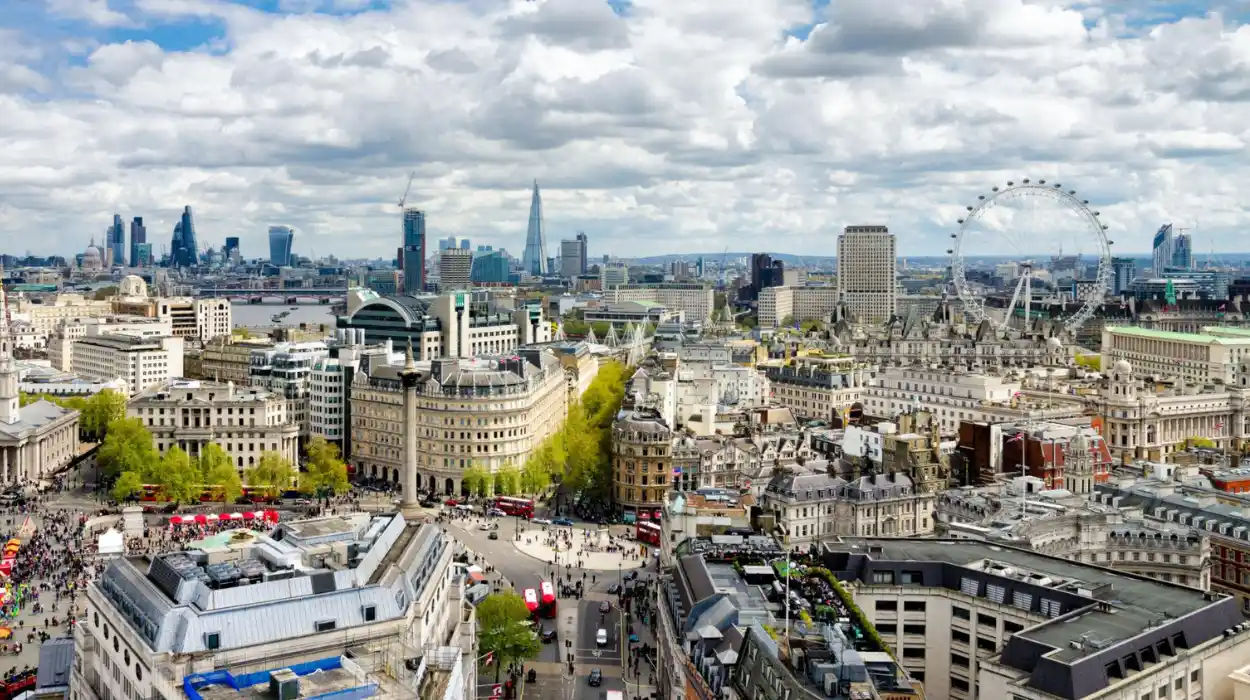
London became a world-famous luxury destination through centuries of royal patronage, international trade, financial innovation, craftsmanship, cultural prestige, and global commerce. These historical forces created an enduring ecosystem where luxury goods, elite services, heritage institutions, and prestigious districts continue to attract visitors and investment worldwide.
- How did Roman London establish the foundations of wealth?
- How did medieval commerce transform London into an international trading centre?
- How did the Tudor monarchy influence London’s luxury culture?
- Why did the British Empire make London a global luxury capital?
- How did London’s financial institutions support luxury industries?
- How did London’s luxury shopping districts develop?
- How did royal patronage strengthen London’s international prestige?
- How did craftsmanship contribute to London’s luxury reputation?
- How have culture, museums, and architecture reinforced London’s luxury identity?
- Why does London’s luxury heritage remain globally significant today?
- Frequently Asked Question
London’s reputation for luxury did not emerge suddenly. It developed over nearly two thousand years through political influence, commercial expansion, architectural investment, and the concentration of wealth. Unlike cities built around a single industry, London’s luxury identity evolved from the interaction between monarchy, finance, fashion, craftsmanship, international trade, and cultural institutions.
Luxury in London extends beyond expensive shopping. It includes historic royal residences, grand hotels, internationally respected auction houses, bespoke tailoring, fine jewellery, private clubs, Michelin-starred restaurants, luxury department stores, art collections, and exclusive residential neighbourhoods. These sectors form an interconnected heritage economy that continues to shape London’s international image.
As Britain’s capital, London became the political centre where monarchs, aristocrats, diplomats, merchants, financiers, and entrepreneurs gathered. Their combined demand for exceptional goods and services encouraged generations of skilled artisans, architects, designers, jewellers, watchmakers, and merchants to establish businesses that earned global recognition.
Today, London’s luxury economy remains deeply connected to its history. Historic streets, royal traditions, and centuries-old businesses continue to influence modern luxury brands while preserving the city’s distinctive cultural identity.
How did Roman London establish the foundations of wealth?
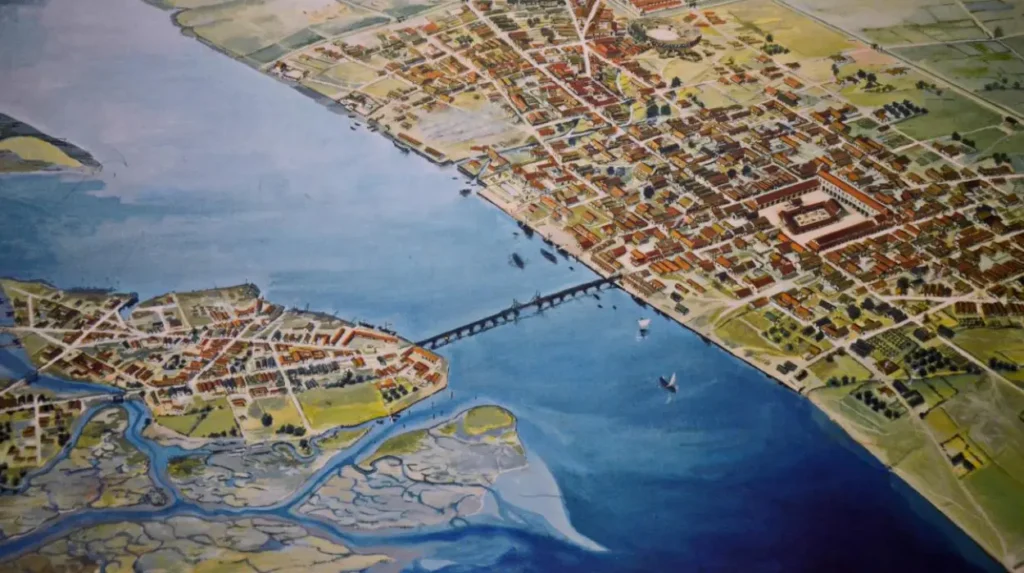
Roman London established the foundations of wealth by creating Britain’s largest commercial port, administrative centre, and trading marketplace. Efficient transport, taxation, imported luxury goods, and organised commerce transformed Londinium into an important economic hub during Roman Britain between the first and fifth centuries.
London began as Londinium, founded by the Romans around AD 47 following the Roman conquest of Britain under Emperor Claudius in AD 43. Positioned on the River Thames, the settlement became one of Roman Britain’s most important commercial centres because ships could transport goods between continental Europe and inland Britain.
Roman engineers constructed roads connecting Londinium with major settlements across Britain. These transport networks enabled the movement of imported wine, olive oil, jewellery, fine ceramics, glassware, spices, and textiles. Such products represented luxury within Roman society and established London’s role as a marketplace for premium goods.
The construction of the Roman forum, basilica, amphitheatre, warehouses, baths, and defensive walls reflected substantial public investment. Archaeological excavations conducted by the Museum of London Archaeology have uncovered thousands of imported luxury artefacts demonstrating extensive commercial links with Gaul, Germany, Spain, Italy, and the wider Roman Empire.
Although Roman rule ended in the early fifth century, London’s location remained strategically valuable. Its commercial infrastructure created a foundation that later medieval rulers would expand into one of Europe’s greatest trading cities.
How did medieval commerce transform London into an international trading centre?
Medieval commerce transformed London by expanding guilds, river trade, markets, merchant organisations, and international partnerships. Growing wealth financed churches, civic buildings, noble residences, and luxury crafts that established London’s commercial importance throughout medieval Europe.
Following the Norman Conquest in 1066, London experienced sustained commercial growth. William the Conqueror confirmed many of the city’s trading privileges while constructing the Tower of London to reinforce royal authority and protect commercial interests.
Merchant guilds regulated production standards, apprenticeships, pricing, and professional conduct. These organisations maintained quality in industries including goldsmithing, textiles, leatherworking, metalworking, and luxury crafts.
The City of London developed as a financial and commercial district where merchants from across Europe traded wool, cloth, spices, precious metals, wines, silk, and luxury imports. London’s wool exports became particularly valuable because English wool supplied major textile manufacturers in Flanders and northern Italy.
Markets such as Cheapside evolved into prosperous commercial centres. Wealth accumulated through international trade financed magnificent churches, merchant halls, bridges, and residences that demonstrated increasing prosperity.
London’s position within the Hanseatic trading network further strengthened commercial relationships across northern Europe. Foreign merchants introduced new products, technologies, and business practices that expanded consumer demand for imported luxury goods.
How did the Tudor monarchy influence London’s luxury culture?
The Tudor monarchy elevated London’s luxury culture by encouraging court ceremony, artistic patronage, international diplomacy, and elite consumption. Royal demand stimulated growth in tailoring, jewellery, architecture, decorative arts, and imported luxury goods during the sixteenth century.
The Tudor dynasty transformed London’s social and cultural landscape. Under Henry VIII and Elizabeth I, the royal court became the centre of political power and elite fashion.
Royal ceremonies required elaborate clothing made from silk, velvet, satin, lace, embroidery, and precious metals. Court dress became a visible symbol of political status, encouraging nobles to commission increasingly sophisticated garments from London’s skilled tailors.
Goldsmiths expanded their production of ceremonial jewellery, silverware, and decorative objects. Luxury consumption extended beyond royalty to wealthy merchants who accumulated fortunes through expanding international trade.
The establishment of diplomatic relationships with European courts encouraged exchanges of artistic styles, luxury goods, and architectural ideas. Renaissance influences appeared in London’s grand residences, gardens, and decorative interiors.
Growing prosperity also supported publishers, musicians, playwrights, and artists. London’s cultural reputation increasingly complemented its commercial success, attracting visitors from across Europe.
Why did the British Empire make London a global luxury capital?
The British Empire made London a global luxury capital by connecting worldwide trade networks, expanding financial institutions, importing rare commodities, and concentrating wealth. Imperial commerce supplied luxury materials, consumer products, and investment that transformed London’s economy between the seventeenth and twentieth centuries.
The expansion of overseas trade fundamentally changed London’s economy. The establishment of the East India Company in 1600 and subsequent imperial expansion connected Britain with Asia, Africa, the Caribbean, and the Americas.
Ships arriving through the Port of London transported tea, coffee, spices, sugar, tobacco, silk, porcelain, gemstones, fine woods, and exotic textiles. Many of these products were initially consumed by wealthy households before becoming more widely available.
Insurance markets, including those associated with Lloyd’s Coffee House, reduced commercial risk while encouraging larger international trading ventures. Banking institutions expanded alongside growing global commerce.
The Port of London became one of the busiest ports in the world during the eighteenth and nineteenth centuries. Vast dock complexes handled enormous volumes of international cargo that generated employment, taxation, and investment.
Luxury retailers increasingly specialised in imported goods unavailable elsewhere in Britain. Wealth accumulated through commerce financed elegant townhouses, cultural institutions, theatres, museums, and public buildings that enhanced London’s international prestige.
How did London’s financial institutions support luxury industries?
London’s financial institutions supported luxury industries by providing investment, banking, insurance, international credit, and commercial stability. These financial systems enabled merchants, manufacturers, retailers, and property developers to expand luxury markets across Britain and overseas.
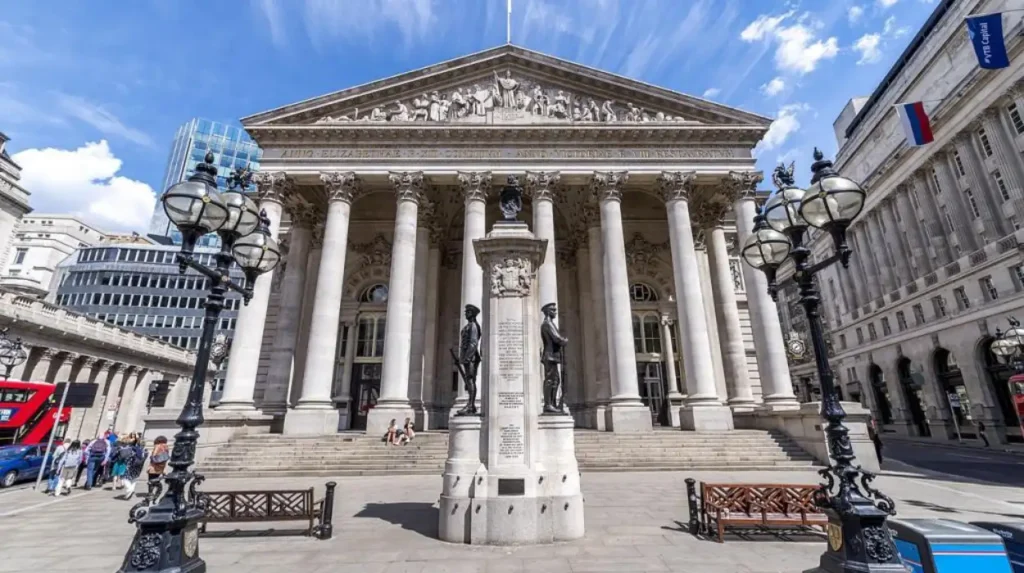
Financial innovation became one of London’s greatest competitive advantages. The founding of the Bank of England in 1694 strengthened national financial stability and improved government borrowing.
The London Stock Exchange facilitated investment in commercial enterprises and infrastructure. Expanding capital markets financed shipping companies, manufacturing, construction, and international trade.
Private banking houses served aristocratic families, merchants, and industrialists whose wealth supported luxury consumption. Insurance services reduced commercial uncertainty while encouraging investment in increasingly ambitious international ventures.
Commercial confidence attracted entrepreneurs specialising in fine jewellery, luxury retail, bespoke tailoring, furniture making, silverware, watchmaking, and decorative arts.
This concentration of finance, skilled labour, and affluent customers created a business environment where luxury industries could flourish over successive generations.
How did London’s luxury shopping districts develop?
London’s luxury shopping districts developed through aristocratic residential expansion, planned urban development, prestigious retailers, and architectural investment. Streets including Bond Street, Regent Street, and Jermyn Street became internationally recognised centres for premium goods and bespoke craftsmanship.
During the eighteenth and nineteenth centuries, London’s West End emerged as Britain’s leading luxury retail district.
Bond Street became synonymous with jewellery, antiques, art dealers, fashion houses, and prestigious retailers serving wealthy British and international clients.
Jermyn Street developed an international reputation for bespoke shirtmakers, shoemakers, perfumers, and gentlemen’s outfitters. Many businesses continue operating from historic premises established generations ago.
Regent Street, designed by John Nash during the early nineteenth century, introduced elegant architecture alongside carefully planned commercial development. The street combined luxury retail with grand urban design.
Department stores later transformed luxury shopping by offering carefully curated collections within architecturally impressive buildings. These establishments combined retail, hospitality, and customer service into sophisticated consumer experiences.
To experience these historic districts in person today, consult our comprehensive [Best Luxury Experiences in London for Travelers Seeking Premium Sightseeing and Entertainment] for itineraries and visiting parameters.
How did royal patronage strengthen London’s international prestige?
Royal patronage strengthened London’s international prestige by supporting architecture, ceremonial traditions, charities, arts, education, and luxury craftsmanship. The monarchy provided enduring cultural legitimacy that elevated London’s reputation among governments, investors, tourists, and global consumers.
British monarchs have long influenced London’s luxury identity through ceremonial events, official residences, and public patronage.
Palaces including Buckingham Palace, St James’s Palace, and Kensington Palace symbolise continuity between Britain’s constitutional monarchy and its historic traditions.
Royal warrants recognise businesses that supply goods and services to the Royal Household while demonstrating exceptional quality and reliability. These warrants often enhance international reputation.
State occasions including coronations, jubilees, royal weddings, and diplomatic receptions showcase British craftsmanship in jewellery, fashion, silverware, military uniforms, and ceremonial design.
Royal collections also preserve internationally significant artworks, decorative objects, manuscripts, and historical artefacts that attract scholars and cultural tourists from around the world.
How did craftsmanship contribute to London’s luxury reputation?
Craftsmanship contributed to London’s luxury reputation through generations of specialised artisans producing exceptional jewellery, tailoring, footwear, furniture, silverware, watches, and decorative arts. Professional standards, apprenticeships, and family businesses preserved traditional skills across centuries of commercial development.
Luxury depends upon craftsmanship as much as wealth. London cultivated both.
Savile Row became internationally renowned for bespoke tailoring during the nineteenth century. Master tailors developed precise techniques that continue influencing men’s fashion worldwide.
Hat makers, shoemakers, leatherworkers, cabinet makers, engravers, and jewellers established workshops where apprentices learned specialised techniques over many years.
The Goldsmiths’ Company regulated standards for precious metals, ensuring consistent quality through hallmarking systems that continue today.
Many luxury businesses remained family owned across multiple generations, preserving traditional methods while adapting to changing international markets.
This continuity distinguishes London from many newer luxury destinations because craftsmanship forms part of the city’s living historical heritage rather than simply its commercial history.
How have culture, museums, and architecture reinforced London’s luxury identity?
Culture, museums, and architecture reinforced London’s luxury identity by preserving artistic excellence, historic buildings, royal collections, and world-class institutions. These cultural assets complement commercial luxury while attracting millions of international visitors every year.
London’s luxury reputation extends beyond shopping into culture and heritage.
Architectural landmarks demonstrate centuries of investment in public spaces, government buildings, theatres, museums, churches, and private residences. Georgian terraces, Victorian institutions, Edwardian hotels, and contemporary skyscrapers collectively illustrate London’s evolving prosperity.
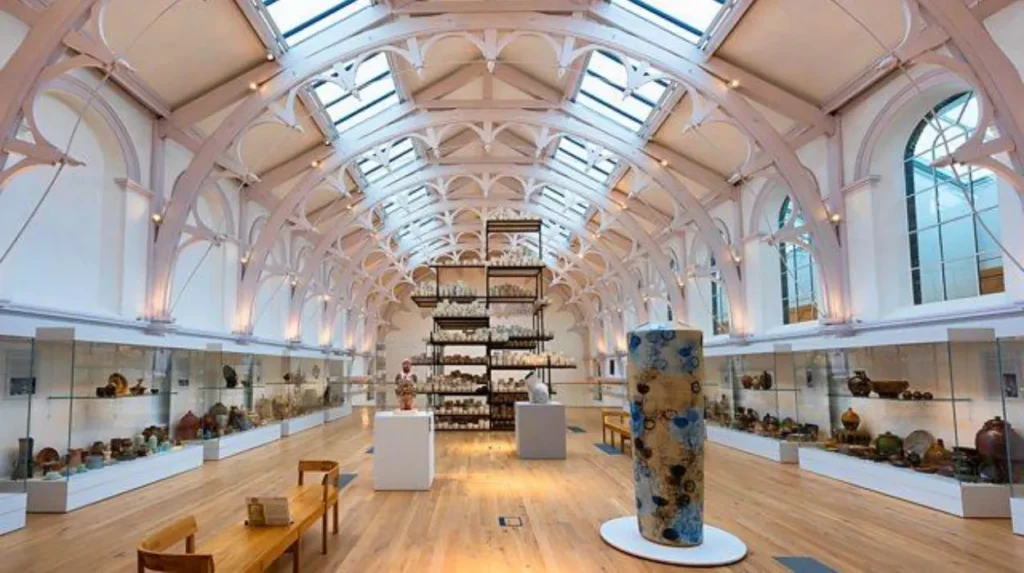
Museums preserve internationally significant collections spanning archaeology, decorative arts, fashion, sculpture, manuscripts, and fine art. These institutions provide public access to objects that once represented elite consumption.
Theatre, opera, ballet, orchestral music, and galleries contribute to London’s cultural prestige. Luxury tourism increasingly combines shopping with performances, exhibitions, fine dining, and heritage experiences.
Historic hotels continue traditions established during the nineteenth century by combining architectural preservation with modern hospitality. Their continued operation demonstrates how historic luxury adapts to contemporary expectations while maintaining heritage value.
Why does London’s luxury heritage remain globally significant today?
London’s luxury heritage remains globally significant because historic institutions, commercial traditions, royal influence, financial leadership, and cultural preservation continue operating together. This combination creates an internationally distinctive luxury ecosystem rooted in nearly two thousand years of continuous historical development.
London consistently ranks among the world’s leading cities for international tourism, finance, culture, education, and luxury retail. This position reflects historical continuity rather than temporary popularity.
Historic commercial streets continue serving global consumers while preserving architectural character. Royal ceremonies maintain traditions recognised worldwide. Museums protect collections representing thousands of years of human civilisation. Financial institutions remain influential within international markets.
Heritage conservation organisations protect significant buildings that illustrate London’s commercial evolution. Restoration projects preserve markets, churches, warehouses, bridges, theatres, and civic buildings that explain how wealth accumulated across successive historical periods.
Academic researchers continue studying archaeological discoveries from Roman London, medieval trade records, merchant archives, architectural surveys, and economic history. These investigations improve understanding of how commerce, governance, culture, and craftsmanship combined to shape London’s development.
Luxury itself has evolved significantly. Contemporary definitions include sustainability, heritage conservation, bespoke craftsmanship, cultural authenticity, and exceptional service alongside traditional measures of exclusivity. London’s historical institutions increasingly integrate these values while preserving centuries-old traditions.
The city’s global reputation therefore rests on historical depth rather than branding alone. Roman commerce established strategic foundations. Medieval merchants expanded international trade. Tudor courts elevated artistic consumption. Imperial commerce connected worldwide markets. Financial innovation supported investment. Skilled artisans preserved exceptional craftsmanship. Royal patronage strengthened cultural prestige. Museums and heritage organisations safeguarded historic achievements for future generations.
Together, these developments transformed London from a Roman river settlement into one of the world’s most recognised luxury destinations. Its history demonstrates that enduring luxury emerges through centuries of commerce, craftsmanship, governance, architecture, and cultural preservation rather than short-term economic success. This historical continuity remains one of London’s greatest competitive strengths and explains why it continues attracting visitors, investors, scholars, collectors, and cultural enthusiasts from every continent.
Frequently Asked Question
Why is London considered one of the world’s leading luxury destinations?
London is considered one of the world’s leading luxury destinations because it combines nearly 2,000 years of royal heritage, global trade, financial leadership, exceptional craftsmanship, and cultural prestige. Historic districts such as Bond Street, Savile Row, and the West End, together with royal palaces, world-class museums, and luxury retailers, have established London as an enduring global centre for high-end shopping, heritage tourism, and premium experiences.