Key Points
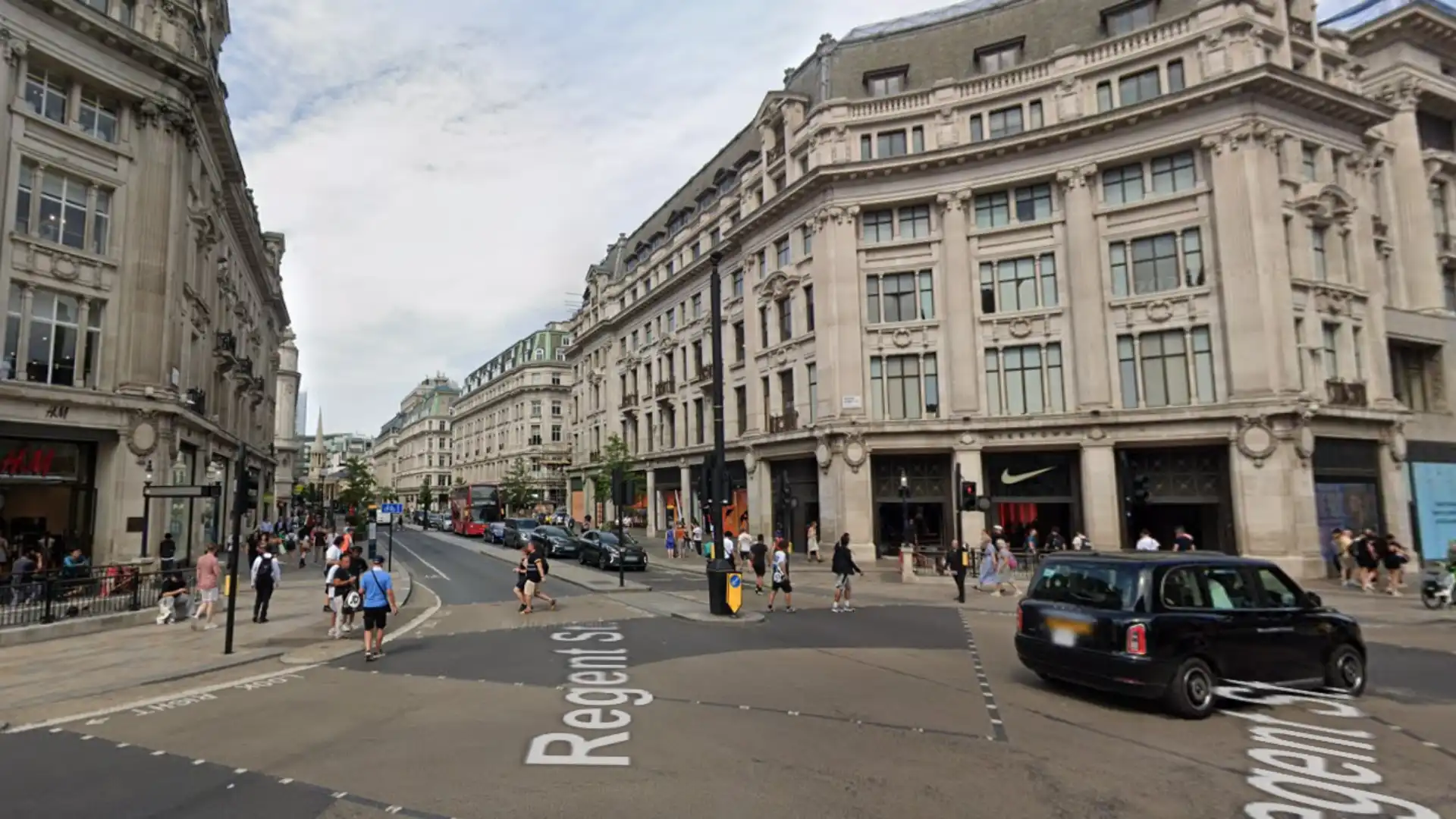
- Demands for Immediate Cessation: Westminster City Council has written directly to Transport for London (TfL), demanding an immediate halt to permanent traffic orders affecting more than 20 local streets intended to facilitate the pedestrianisation of Oxford Street.
- Allegations of Political Manoeuvring: The Conservative administration in Westminster has heavily criticised the timing of the orders, which were published the day after the local elections. They claim the transport authority intentionally buried the public consultation during the post-election media cycle.
- Accusations of a “Sham” Process: Local leadership has branded the statutory notification window as a “stitch-up” and a “sham” exercise, asserting that critical stakeholders, residents, and business owners whose livelihoods rely on the high street were entirely bypassed and kept in the dark.
- Legal Roadblocks and Strategy Pivot: Following formal legal advice from King’s Counsel, Westminster City Council admitted that a Judicial Review is legally unfeasible due to missed statutory deadlines under the previous administration. The council is now shifting its resistance strategy toward the Traffic Management Order statutory consultation process.
- Deep Concerns Over Public Safety and Inclusivity: Opponents of the scheme claim that removing all vehicles—including night buses and licensed black cabs—will severely worsen late-night street crime, hinder emergency services, and alienate the elderly and disabled due to the lack of step-free infrastructure at nearby Tube stations.
- City Hall Reaffirms Timeline: Despite fierce municipal resistance, the Greater London Authority (GLA) and the Mayor of London have stated that they are proceeding rapidly with the £150 million project, maintaining their objective to see the first section of Oxford Street completely traffic-free by the end of this summer.
The Inverted Pyramid of a Triangle
London (Extra London News) June 13, 2026 – Westminster City Council has escalated its political and bureaucratic battle against the Greater London Authority by demanding that Transport for London (TfL) immediately halt the implementation of permanent traffic orders designed to pedestrianise Oxford Street. The local authority has leveled fierce accusations against the Mayor of London, Sir Sadiq Khan, and TfL, branding their latest regulatory push as a “sham” consultation deliberately executed to bypass public scrutiny. The escalating row centers on the publication of statutory traffic orders impacting more than 20 vital West End thoroughfares. Local leaders claim these orders were strategically advertised the morning after the high-stakes May local borough elections, precisely when public attention and media focus were entirely consumed by the electoral tallies.
- Key Points
- The Inverted Pyramid of a Triangle
- Why has Westminster City Council branded the TfL traffic orders a “sham” consultation?
- How did the timing of the May local elections affect the rollout of the pedestrianisation orders?
- Why did Westminster City Council abandon its promised Judicial Review against Sadiq Khan?
- What is Transport for London’s defense of the current consultation framework?
- What are the specific socioeconomic and accessibility objections raised against the £150 million scheme?
- How has City Hall responded to the ongoing demands to halt the project?
- What are the next administrative and legal battlegrounds for Oxford Street?
The multi-million-pound transformation scheme, which seeks to turn the world-famous shopping destination into a completely pedestrianised precinct between Orchard Street and Great Portland Street, faces intense resistance from Westminster’s newly installed Conservative administration. While City Hall and regional transport officials assert that the statutory process complies fully with legislative requirements following years of preliminary public engagements, municipal leaders maintain that the narrow objection window constitutes a administrative “stitch-up.” This report combines exclusive statements, official corporate filings, and council documentation to provide an exhaustive breakdown of the arguments, political shifts, and looming legal battles defining the future of the nation’s high street.
Why has Westminster City Council branded the TfL traffic orders a “sham” consultation?
The primary source of the current hostility stems directly from the timing and visibility of TfL’s statutory notifications. According to local reporting by Ben Lynch, a Local Democracy Reporter, Westminster City Council has reacted with intense fury to the discovery that permanent traffic alterations were being progressed via an exceptionally quiet regulatory channel immediately following municipal polling.
As reported by Ben Lynch of MyLondon, the Leader of Westminster City Council, Councillor Paul Swaddle OBE, stated that:
“This is a stitch-up, plain and simple. The Mayor and TfL tried to force through permanent changes to the most famous shopping street in the world, the day after an election, in a consultation so quiet that the people whose livelihoods depend on Oxford Street never even knew it was happening.”
The council argues that by initiating a highly consequential statutory traffic order process when the political landscape was in transition, TfL denied local business owners and residents a transparent platform to voice their concerns. The Conservative administration asserts that an unelected development body is effectively imposing irreversible, structural modifications on Westminster’s road networks without adequate local oversight. Consequently, the local authority has formally requested that TfL completely scrap the current traffic orders and rerun the entire consultation process transparently and “in the open.”
How did the timing of the May local elections affect the rollout of the pedestrianisation orders?
The friction over the traffic orders is deeply intertwined with the shifting political control of Westminster City Council. Prior to the May local elections, the local Conservative group, then operating in opposition, had built a core pillar of their campaign around resisting the Mayor of London’s sweeping pedestrianisation plans. Following the local elections, which saw the Conservatives reclaim control of the local authority from the Labour Party, the new leadership sought immediate options to legally dismantle the project.
As reported by journalist Dave Hill of OnLondon, the local opposition to the Oxford Street pedestrianisation model had served as a highly significant factor during the election campaign, specifically within marginal constituencies such as the West End ward. Upon securing control of the council on May 7, the incoming Conservative leadership immediately sought to weaponise municipal powers against City Hall. However, they discovered that TfL had already advanced the statutory traffic order notifications on the literal morning after the election. Councillor Paul Swaddle has argued that this specific timing was carefully calculated by regional transport authorities to exploit the brief administrative vacuum as power shifted within Westminster City Hall.
Explore More Westminster News:
Westminster Council and Lime Launch Fresh E-Bike Crackdown: London 2026
Hidden Camera Discovered Inside Government Offices: Westminster London 2026
Why did Westminster City Council abandon its promised Judicial Review against Sadiq Khan?
Before taking administrative control, the local Conservative group had vowed to establish a robust legal “fighting fund” to challenge the lawfulness of Sir Sadiq Khan’s use of a Mayoral Development Corporation (MDC) to bypass the council’s highway authority. However, within two weeks of taking office, the administration was forced to make a significant legal U-turn.
As reported by Katherine Gray, a Local Democracy Reporter for The Fitzrovia News, Councillor Paul Swaddle confirmed via an official update on X (formerly Twitter) that a successful Judicial Review had become “simply impossible at this late stage.” This sudden shift in strategy followed intensive weekend consultations with senior legal counsel and King’s Counsel.
According to the legal findings published by The Fitzrovia News, the statutory deadline to lodge a formal Judicial Review against the Mayor’s executive decisions had already expired. Sir Sadiq Khan had officially signed off on the detailed pedestrianisation framework under Mayoral Decision 3475 on February 26, establishing a strict three-month statutory window for legal challenges.
In a public statement detailing the legal gridlock, Councillor Paul Swaddle stated:
“Westminster Conservatives are the only party holding Sadiq Khan to account on Oxford Street. Labour had three months to mount a legal challenge. They didn’t. Conservative councillors in opposition proposed a fighting fund to take Sadiq Khan to court. Labour blocked it. We brought motion after motion. Labour voted us down. Their collusion and capitulation allowed the judicial review deadline to pass.”
Councillor Swaddle further argued that the previous Labour administration’s choice to collaborate directly with City Hall rather than legally challenge the executive orders effectively ran down the clock, thereby insulating the Mayor from a High Court challenge.
What is Transport for London’s defense of the current consultation framework?
In response to the severe backlash from Westminster’s leadership, Transport for London has strongly defended its administrative conduct. The transport authority maintains that the current Traffic Management Order process is not a sudden or secretive maneuver, but rather the standard legal progression of a long-publicised infrastructure scheme that has undergone rigorous civic evaluation.
As detailed within official statements released by a spokesperson for Transport for London, the authority rejected any notions of administrative misconduct, stating:
“Following two extensive public consultations in 2025 and 2026, which asked the public about the principle of pedestrianisation as well as setting out the scope of the scheme and how traffic, including buses, would be diverted to allow this, we have begun the statutory traffic order process.”
TfL officials emphasize that the overarching traffic and highway alterations are supported by thousands of detailed public responses gathered during the multi-month consultation windows. According to official Greater London Authority (GLA) records for Mayoral Decision 3475, the dedicated transport consultation held between November 21 and January 16 received 2,716 formal responses, which heavily informed an extensive Equality Impact Assessment (EqIA) and comprehensive environmental modeling regarding noise and air quality.
What are the specific socioeconomic and accessibility objections raised against the £150 million scheme?
The resistance to the project extends far beyond bureaucratic scheduling; it encompasses deep-seated concerns regarding accessibility, public safety, and urban layout. Municipal leaders have frequently targeted the functional design of the pedestrianisation project, comparing it unfavourably to discount retail operations.
As documented in an exclusive interview published by MyLondon, Councillor Paul Swaddle openly ridiculed the aesthetic and operational limits of the current design, stating to the Local Democracy Reporting Service:
“At the moment we have a bit of a Temu plan. It’s very much budget. And it doesn’t deliver on a lot of things that are really needed.”
The Core Practical Objections Raised by Local Leaders Include:
- The Accessibility Deficit: Because major transport hubs like Oxford Circus and Marble Arch Tube stations lack comprehensive step-free access, the elderly, visually impaired, and physically disabled rely heavily on buses and black cabs to access the high street directly. Removing these vehicles entirely cuts off their primary transit artery.
- Late-Night Public Safety Risks: Local leaders have warned that a completely empty, vehicle-free square mile at midnight could inadvertently exacerbate existing issues with phone-snatching, shoplifting, and anti-social behaviour. The presence of night buses and taxi queues currently provides vital natural surveillance and a sense of safety.
- Traffic Displacement into Residential Zones: Diverting thousands of daily bus journeys and commercial vehicles off Oxford Street does not eliminate traffic; it merely forces it onto narrow, historic residential streets within neighboring West End quarters, severely threatening local air quality and tranquility.
How has City Hall responded to the ongoing demands to halt the project?
Despite the fierce political resistance and the threat of prolonged administrative warfare from Westminster City Council, the executive leadership at City Hall remains completely unmoved. The Mayor’s office has reiterated its intention to push the development forward without delay, viewing the pedestrianisation as an unmissable opportunity to revitalize the capital’s premier shopping district.
As reported by the Greater London Authority Newsroom, a City Hall spokesperson formally responded to the council’s demands by stating:
“Following strong support from Londoners and businesses, the Mayor is moving ahead with the pedestrianisation of Oxford Street and hopes to see the first section going traffic-free by the end of this summer. The Mayor will continue working closely with all stakeholders on these plans to create a vibrant, world-class, accessible destination, restoring the nation’s high street to its former glory as we build a better London for everyone.”
Furthermore, executive officers supporting the Mayor emphasize that the project’s strategic goals fall squarely within the statutory purposes outlined in Section 30(1) of the Greater London Authority Act 1999—specifically the promotion of regional economic development, social cohesion, and substantial environmental improvements across Greater London.
What are the next administrative and legal battlegrounds for Oxford Street?
With the avenue for a standard Judicial Review completely closed off due to expiration of the three-month legal limit, Westminster City Council is repositioning its defensive assets toward statutory consultation channels where it still holds significant institutional leverage.
As reported by The Fitzrovia News, Councillor Paul Swaddle confirmed that the council will focus its full energy on exploiting the Traffic Management Order consultation process, where Westminster City Council maintains a critical status as a mandatory statutory consultee. This mechanism ensures that the local authority can formally contest every single individual traffic modification, diversion, and side-road closure proposed across the 20 impacted West End streets.
Concurrently, internal council documents show a complex administrative landscape. The Local Democracy Reporting Service confirmed that Westminster’s Executive Director of Environment and Communities, Frances O’Rourke, recently exercised delegated authority to allow TfL to execute certain preliminary “enabling works” in zones adjacent to the main Oxford Street West boundary. While this executive decision was made via non-political, independent civil channels rather than by an elected council member, Westminster’s political leadership has warned that it will scrutinize and challenge every subsequent regulatory notification submitted by TfL as the project advances toward its late-summer deadline.