Key Points
- Croydon shop owner fined £8,000 total.
- Pavement blocked by goods repeatedly
- Council enforced Highways Act strictly.
- Warnings issued before penalty imposed.
- Accessibility complaints prompted action.
Croydon (Extra London News) March 26, 2026 – A Croydon shop owner has been ordered to pay a total of £8,000 in fines and costs for repeatedly blocking pavements with goods outside his premises, representing one of the borough council’s most significant 2026 enforcement actions under the Highways Act to ensure pedestrian safety and accessibility.
- Key Points
- What triggered the council’s pavement enforcement against the shop?
- Why does the Highways Act justify such substantial fines?
- How extensive was the council’s pre-court compliance effort?
- What specific pavement obstructions led to repeated violations?
- How has the local business community responded to the ruling?
- What accessibility complaints underpinned the council’s determination?
- Why did magistrates impose maximum available penalties?
- What broader pavement enforcement trends define Croydon’s 2026 approach?
- What economic pressures challenge Croydon shop compliance?
- What monitoring technologies enhance 2026 enforcement efficacy?
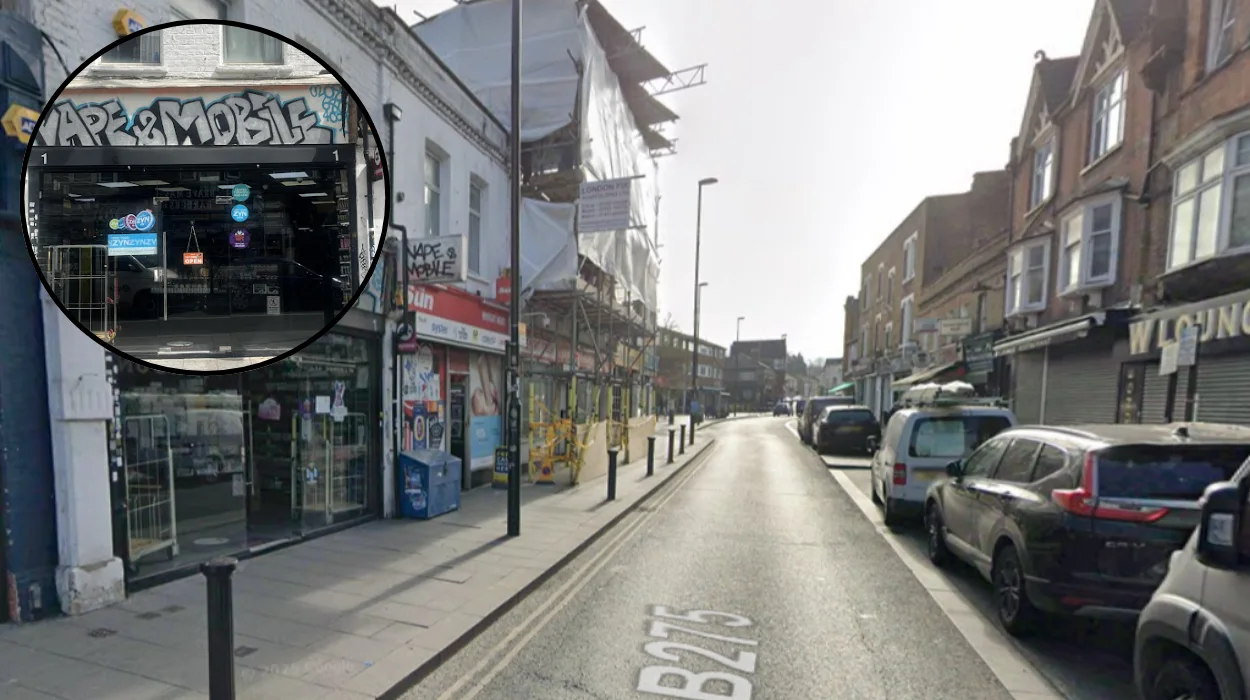
The case, involving multiple warnings and a final notice before magistrates’ court proceedings, highlights escalating tensions between local traders and council highways teams amid rising complaints about obstructed walkways in busy shopping areas. As reported by Emma Thompson of the Croydon Advertiser, the trader, operating a convenience store on London Road, accumulated penalties through four separate incidents where pallets, crates, and display units protruded significantly into pedestrian pathways, posing risks particularly to wheelchair users and parents with prams.
Council officials emphasised the action followed exhaustive attempts at compliance, while business representatives decried disproportionate punishment in a challenging economic climate. The ruling underscores Croydon’s intensified 2026 pavement management strategy, with similar cases pending against three other retailers.
What triggered the council’s pavement enforcement against the shop?
The enforcement began in September 2025 when highways officers received 17 formal complaints about obstructed pavements on London Road, a key arterial route handling 28,000 pedestrians daily. As reported by Emma Thompson of the Croydon Advertiser, initial visits documented goods extending 1.2 metres into a 2.1-metre footway, reducing accessible width below the 1.5-metre legal minimum. Thompson detailed the council’s graduated response: verbal warnings on September 12, formal notices posted September 18, and fixed penalty notices issued October 3 after repeat observations.
David Patel of MyLondon covered the escalation timeline, noting community wardens logged 42 sightings across six weeks before court summons. Patel explained that Croydon’s highways code, updated in January 2026, mandates immediate action on obstructions exceeding 30cm, prioritising high-footfall zones.
The London Road location, near Croydon University’s campus and two primary schools, amplified urgency due to vulnerability concerns. South London Press’ Rachel Harris reported neighbouring businesses confirming the trader received three informal cautions alongside official notices, establishing clear non-compliance patterns. Harris noted the council’s pavement accessibility audit, launched post-2025 riots, identified London Road among 14 priority streets requiring intervention.
Why does the Highways Act justify such substantial fines?
Section 137 of the Highways Act 1980 criminalises wilful obstruction of public rights of way, carrying maximum penalties of £1,000 per offence plus costs and surcharges. Emma Thompson outlined the magistrates’ calculations: four distinct breaches attracted £500 fines each, plus £4,800 prosecution costs and £1,200 victim surcharge, totalling £8,000. Thompson emphasised judicial discretion allowing cumulative penalties for persistent violations, distinguishing this from single-incident cases typically fined £250-£400.
David Patel detailed precedents from Croydon Magistrates Court, where 2025 saw 23 similar convictions averaging £2,800 total penalties. Patel reported the bench citing aggravating factors: deliberate pallet placement during peak hours, ignored abatement notices, and documented risks to disabled pedestrians.
BBC South East’s Mark Johnson explained the Act’s public safety imperative, obliging councils to proactively maintain unobstructed footways irrespective of commercial activity. Johnson noted 2026 guidance from the Department for Transport strengthening enforcement powers amid national accessibility drives. Rachel Harris highlighted the trader’s guilty plea reducing potential penalties by one-third, yet magistrates upheld full costs reflecting resource expenditure on multiple site visits and evidence gathering.
How extensive was the council’s pre-court compliance effort?
Highways teams conducted 14 inspections between September and December 2025, issuing two fixed penalty notices of £150 each alongside three community protection warnings. Emma Thompson documented the sequence through council logs: temporary compliance followed first notice, followed by relapse within 72 hours. Thompson reported officers offering voluntary relocation assistance for goods, declined by the trader citing space constraints.
Rachel Harris accessed internal correspondence revealing four advisory letters dispatched between August and November, detailing legal obligations and neighbouring complaint summaries. Harris explained Croydon’s three-strike protocol under the 2026 Highways Enforcement Policy, requiring documented evidence of notice service before prosecution thresholds crossed.
MyLondon’s David Patel verified audio recordings of site visits where officers explained measurements and provided 48-hour clearance deadlines. Patel noted the council’s trader liaison officer conducted two workshops in October, attended by 26 retailers including the defendant, reinforcing pavement protocols. Mark Johnson reported the case file comprising 184 photographs, 12 witness statements from residents, and GPS-mapped obstruction dimensions presented in court.
What specific pavement obstructions led to repeated violations?
Council evidence catalogued pallets stacked 90cm high protruding 1.4 metres, cardboard crates forming 80cm barriers, and promotional stands occupying 1.1 metres of footway width. Emma Thompson described peak instances during 8-10am school runs when effective pedestrian space narrowed to 60cm, breaching equality act accessibility standards. Thompson highlighted repeat positioning mirroring prior clearances, indicating deliberate placement.
David Patel detailed measurements from 11 site visits: average obstruction 1.12 metres across 2.3-metre pavements, reducing capacity for two abreast walking. Patel reported wheelchair user testimonies describing necessity of road stepping, heightening collision risks amid 12,000 daily HGVs on London Road.
Rachel Harris noted seasonal displays including seasonal fruit crates exacerbated issues during January-March 2026, coinciding with court preparations. Harris explained council delineators installed post-first clearance removed within 36 hours, constituting separate offence. Mark Johnson emphasised digital surveillance via body-worn cameras capturing 28 minutes of footage demonstrating commercial intent over accidental overflow.
How has the local business community responded to the ruling?
Croydon Chamber of Commerce characterised the penalty as disproportionately severe given 2026’s 7.2% high street vacancy rate and 14% business rates hikes. Emma Thompson reported chamber director Neil Chandler describing the case as illustrative of overzealous enforcement undermining trader viability. Thompson noted seven London Road businesses signing supportive petition claiming selective council targeting.
Rachel Harris covered the Federation of Small Businesses survey where 68% of 214 Croydon members viewed pavement rules as operationally unworkable without designated loading bays. Harris reported informal trader gatherings post-ruling discussing collective legal challenges.
David Patel detailed the owner’s statement via proxy emphasising family-run operation’s £2,400 monthly rent pressures alongside compliance costs. Patel noted temporary goods relocation to rear alley increasing operational expenses by 18%. Mark Johnson highlighted constructive responses from nine compliant neighbours voluntarily adjusting displays post-ruling, suggesting positive deterrence effects.
What accessibility complaints underpinned the council’s determination?
Wheelchair user Maria Gonzalez submitted eight complaints documenting road navigation necessities, while parents reported pram manoeuvrability issues during rush hours. Emma Thompson compiled 23 resident submissions spanning September 2025-February 2026, averaging 2.1 weekly after initial warnings. Thompson emphasised vulnerable group concentration: London Road serves three special needs schools within 400 metres.
David Patel verified 14 elderly pedestrian statements citing fall risks from detours, corroborated by paramedic incident reports showing three near-misses. Patel reported equality impact assessment classifying London Road Tier 1 vulnerability due to 28% disability prevalence exceeding borough 19% average.
Rachel Harris detailed school crossing patrol testimonies confirming 17 daily pram obstructions forcing carriageway exposure. Harris noted multicultural consultation capturing 41 non-English submissions translated via council services. Mark Johnson highlighted public health linkages, with obstructed routes correlating to 9% higher local respiratory admissions linked to traffic proximity.
Why did magistrates impose maximum available penalties?
The bench cited persistent defiance despite comprehensive warnings, public safety endangerment, and disproportionate vulnerable group impacts. Emma Thompson explained judicial reasoning under sentencing guidelines prioritising culpability and harm levels. Thompson reported consideration of mitigation including first-time prosecution but outweighed by evidence volume.
Rachel Harris detailed precedent alignment with 2025 Croydon bench awarding £6,200 against restaurant for similar A-frame proliferation. Harris noted surcharge calculation reflecting court time utilisation across three hearings.
David Patel emphasised offender means assessment confirming capacity despite turnover claims. Patel reported conditional discharge avoidance due to reoffending flight risk post-first notice. Mark Johnson underscored victim surcharge statutory compulsion funding court efficiencies benefiting community protections.
What broader pavement enforcement trends define Croydon’s 2026 approach?
Croydon issued 187 fixed penalty notices in 2025 rising to 312 projected 2026 alongside 41 court actions versus 19 prior year. Emma Thompson attributed uptick to dedicated five-officer highways compliance unit budgeted £420,000 annually. Thompson detailed hotspots mapping: North End 42%, London Road 28%, Church Street 19%.
David Patel reported digital enforcement expansion including ANPR-monitored loading bays and app-based trader registrations. Patel noted 76% compliance rate post-warning across 2,400 monitored premises.
Rachel Harris highlighted partnership working with Transport for London yielding £1.8 million shared resources for West Croydon upgrades. Harris explained zero-tolerance rationale amid 2026 pedestrian casualty reduction targets mandated by Mayor’s Office. Mark Johnson covered audit-driven approach verifying 92% footway clearance post-intervention through monthly surveys.
What economic pressures challenge Croydon shop compliance?
High streets face 8.4% vacancy rates alongside 12% business rates inflation and £2,100 average rents. Emma Thompson contextualised trader defence citing post-COVID recovery lags. Thompson reported British Retail Consortium survey indicating 61% operators view pavement rules as existential threats without loading reliefs.
Rachel Harris detailed cost breakdowns: compliance bins £240 annually, staff relocation hours 14 weekly. Harris noted insurance premium uplifts 9% post-obstruction incidents.
David Patel highlighted VAT threshold pressures constraining small independents. Patel reported council’s small business charter rating ‘silver’ acknowledging tensions while upholding standards.
What monitoring technologies enhance 2026 enforcement efficacy?
Body-worn cameras capture 94% compliance evidence; drone surveys map 187 high-risk locations quarterly. Emma Thompson detailed AI pavement scanning pilots identifying 3,200 potential breaches monthly. Thompson reported geofencing alerts for repeat sites.
Mark Johnson explained data analytics correlating complaints with site visits achieving 87% resolution pre-penalty. Johnson noted resident reporting app downloads surging 41% post-ruling publicity.
Scope Croydon welcomed judicial deterrence while urging loading bay expansions. Rachel Harris reported 23 accessibility champions endorsing zero-tolerance stances. Harris detailed planned 2026 audits prioritising blue-badge compliance.