Key Points
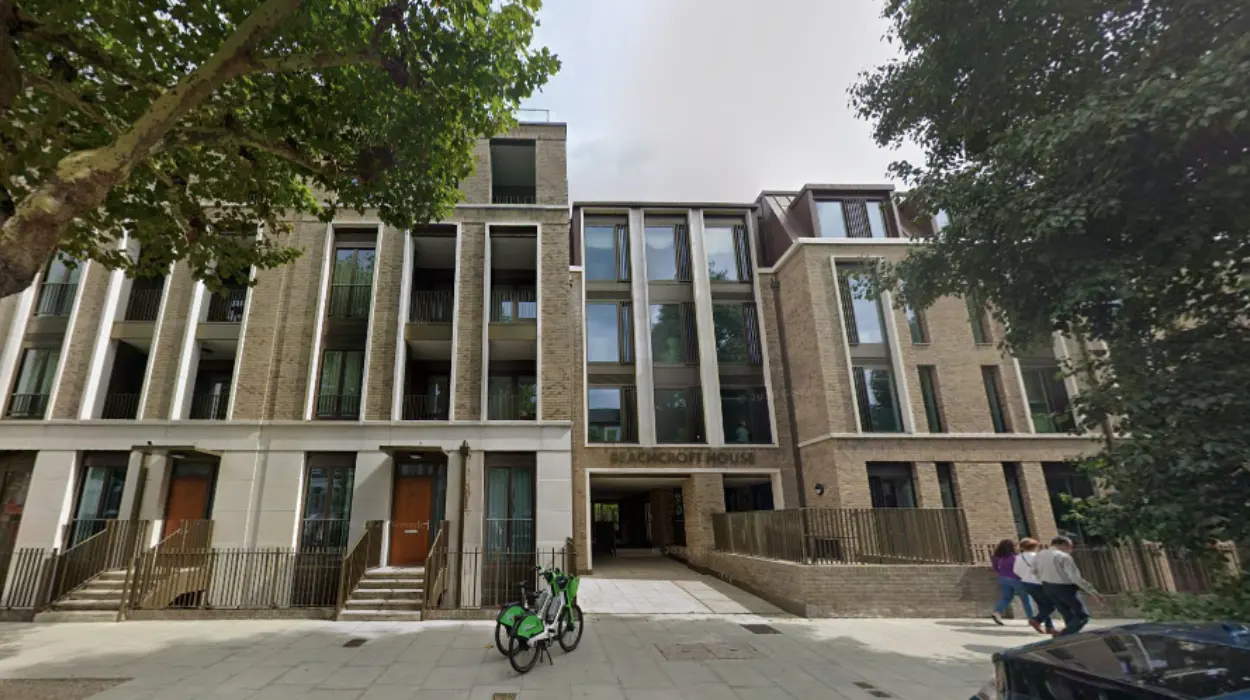
- Significant Repairs to be Carried Out: The Westminster City Council will be spending up to £4.47 million repairing the care home named ‘Beachcroft House’ that was constructed in Maida Vale only in 2020.
- Infrastructure Defects: The need for such repairs comes after defects found in 70 bathrooms and communal areas as well as due to damage caused by another flood on the lower ground floor of the building.
- Suspected Faulty Construction Work: The council suspects the defects to be caused by the work of the original contractor who did not install the waterproof membrane in shower walls.
- Differences in Contractors’ Views: The council and the original contractor, Durkan, have mostly agreed on the findings of the survey although the latter says the work done complies with the initial contract.
- Impact on Operations: As of now, the cost of damage amounts to about £800,000 per year since care has to be organized elsewhere for its residents.
- The Decanting Plan: If accepted, the residents will be accommodated in the lower ground floor of the building during the works on the upper floors.
- Schedule: It is assumed that lower ground floor works will be completed by early 2027 and upper floor works by early 2028.
London (Extra London News) August 18, 2026 – Westminster City Council is set to allocate over £4 million to address severe building defects at a care home that was completed only six years ago. Beachcroft House, located in Maida Vale, has been plagued by persistent leaks, necessitating a comprehensive repair programme that the council argues stems from the original contractor’s installation failures.
- Key Points
- Why is a six-year-old building requiring such extensive repairs?
- What is the dispute between Westminster City Council and the contractor?
- How will the repairs affect the vulnerable residents of Beachcroft House?
- What is the timeline for the repair works?
- How does the council justify the expenditure of public funds?
As reported by Katherine Gray of MyLondon, the proposed remedial works carry a total cost of up to £4,470,000, including professional fees. The project aims to rectify issues affecting 70 bathrooms and communal spaces, as well as separate damage caused by a historic flood that has impacted 11 bathrooms on the lower ground floor.
Why is a six-year-old building requiring such extensive repairs?
The need for substantial maintenance on a relatively new facility has sparked questions regarding the original construction quality. According to a council report cited by MyLondon, construction of the facility was completed in 2020 by the council-appointed contractor, Durkan.
Problems began to surface between 2024 and 2025, when leaks became apparent in the bathrooms. Subsequent inspections revealed defects including issues with wall tiling, toilets, showers, and flooring. An investigation in 2025, prompted by the refurbishment of three of the worst-affected bathrooms, uncovered that a necessary waterproof membrane had not been installed within the wet-room shower walls.
What is the dispute between Westminster City Council and the contractor?
The determination of liability is a central point of tension in this project. As noted in the report by Katherine Gray for MyLondon, while both the council and the original contractor, Durkan, have largely agreed on the technical findings of a joint survey, there is a clear disagreement regarding responsibility.
“Although the findings are largely agreed by both parties, the council says that Durkan believes that the works were carried out according to their contract,” the report stated.
Conversely, Potter Raper, the council’s appointed Employers Agent, has maintained that the installation of a waterproof membrane in the shower walls was a requirement. In the face of this impasse, the council is being advised to proceed with the remedial works independently while simultaneously continuing to evaluate its own legal standing against the contractor. When approached for comment by MyLondon, Durkan declined to respond to the council’s report.
How will the repairs affect the vulnerable residents of Beachcroft House?
The operational impact of these repairs is significant. Because the bathrooms are currently unusable or substandard, the council is spending approximately £800,000 per year to place residents in more expensive, alternative care arrangements.
The logistical challenge of housing vulnerable individuals during major construction is being handled with a focus on stability. The council’s strategy, as highlighted by MyLondon, involves moving residents to the lower ground floor once those specific repairs are completed.
The council report noted: “The ASC (Adult Social Care) and Goldcare teams have reviewed several options for the decanting strategy for the residents due to their vulnerability and specific needs. After review, the ASC and Goldcare teams have concluded that the best option is for all residents to be moved once to the lower ground floor and then return to their original room.”
This approach is intended to mitigate the potential distress caused by moving residents multiple times or into unfamiliar settings. Individual care needs will be assessed on a case-by-case basis throughout the relocation process, with one-to-one support provided where necessary.
Explore more Westminster News:
Soho Pub Row: Westminster and Sadiq Khan Clash in London 2026
Sadiq Khan Clashes With Westminster Over Pub Licensing: Soho 2026
What is the timeline for the repair works?
The proposed schedule is phased to allow the facility to remain partially operational. If the project receives final approval—which is currently before Councillor David Harvey, Cabinet Member for Housing and Regeneration—the repair schedule is as follows:
- Lower Ground Floor: The repairs on the lower ground floor are expected to be completed by early 2027. Once finished, this area will serve as the temporary hub for residents decanted from the upper floors.
- Upper Floors: The remedial works for the upper levels are slated for completion by the start of 2028.
The council has proposed that Logan Construction be appointed to oversee and complete the works.
How does the council justify the expenditure of public funds?
The cost breakdown of the £4.47 million project includes £1,994,000 specifically for fixing the leaking bathrooms and £1,356,000 to rectify the historic flood damage. The remainder of the budget covers professional surveying, staff costs, expert support, legal fees, and project contingency.
The council’s official position, as documented by MyLondon, emphasises the necessity of these works for the continued quality of care. A statement in the council report asserted: “These remedial works will ensure the continued safe delivery of essential care services that support the health, dignity and wellbeing of vulnerable residents, through the effective stewardship of council owned assets, robust governance arrangements and the responsible use of public funds.”
This situation serves as a stark reminder of the complexities involved in large-scale public infrastructure projects and the long-term fiscal responsibilities that local authorities face when building standards are called into question. As the project moves into the approval phase, all eyes remain on how the council will handle the dual challenges of executing necessary repairs while potentially seeking legal recourse to recover costs from the original contractor.