Key Points
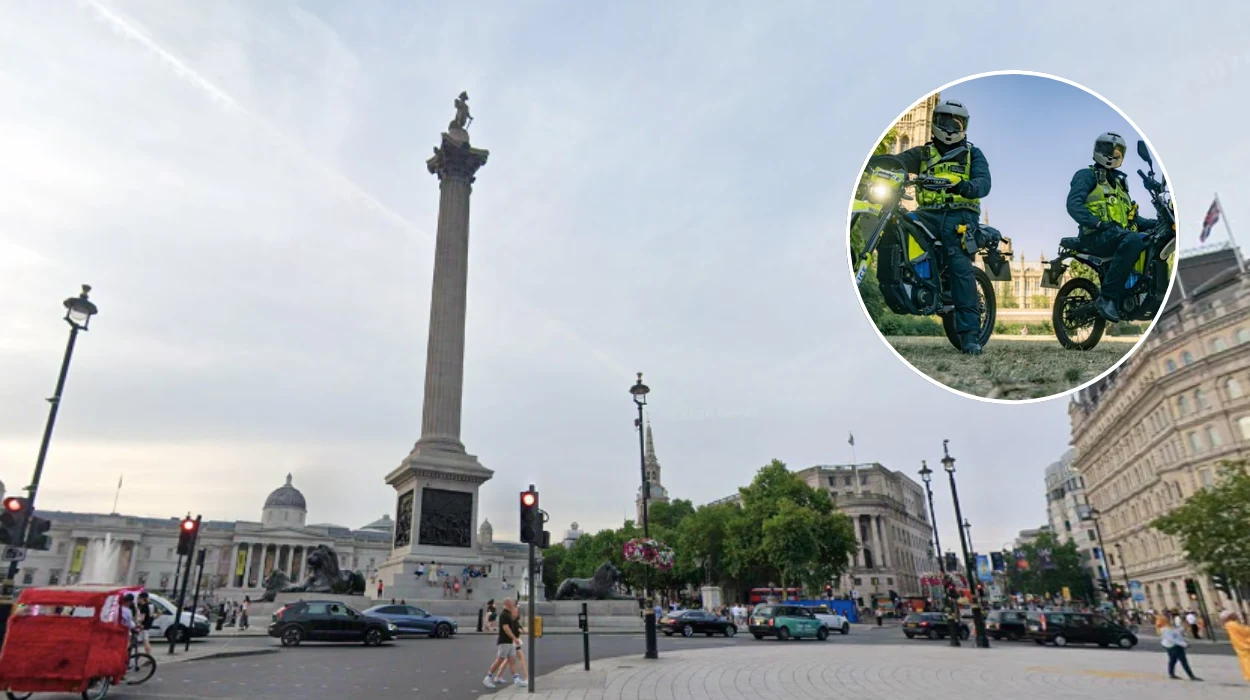
- Fleet Expansion: The Met Police have expanded their fleet of Sur-Ron electric motorbikes from five to 25 bikes.
- Mission: This specially designed fleet of two-wheel interceptors is used to chase criminal groups that ride fast, illegally modified e-bikes and mopeds for committing offenses like mobile phone theft and robbery.
- Advantages: The design of these Sur-Ron bikes enables officers to maneuver through heavy traffic and access locations inaccessible to regular cars or motorcycles due to their light weight.
- Impact of Bicycles on Crime Reduction: According to the Met, the deployment of these bicycles has resulted in a reduction of more than 13,000 phone theft crimes within the London area over the last year.
- Areas of Deployment: The new fleet has been allocated across various boroughs in London such as Camden, Islington, Hackney, Tower Hamlets, Westminster, Kensington & Chelsea, and Hammersmith & Fulham.
- Method of Funding: The purchase and deployment of this fleet has been financially assisted through the profits earned from criminals under the proceeds of crime act along with the backing of Home Office in the rider training program.
- Government Support: The minister for Policing and Crime, Sarah Jones MP, hailed the deployment as an application of focused policing due to initiatives such as Knife Crime Concentration Fund.
London (Extra London News) September 1, 2026 – In a strategic escalation against mobile phone snatchers and street gangs, the Metropolitan Police has quintupled its specialized fleet of Sur-Ron electric motorcycles, scaling the operational number from five up to 25 machines. Reported by Visordown journalist Jack Milne, the aggressive reinforcement forms part of the force’s ongoing initiative to harness agile, cutting-edge technology to neutralize criminals who exploit high-powered, illegally modified e-bikes and mopeds to terrorise pedestrians and motorists.
- Why Is the Metropolitan Police Expanding Its Sur-Ron Fleet?
- How Effective Have the Electric Motorcycles Been in Tackling Street Crime?
- Which Boroughs Are Benefiting from the New Deployment?
- What Do National Government Officials Say About the Initiative?
- How Is the Program Funded and Maintained?
- What Are the Broader Legal and Community Implications of the Rollout?
Why Is the Metropolitan Police Expanding Its Sur-Ron Fleet?
As reported by Jack Milne of Visordown, the Metropolitan Police is confronting an alarming surge in mobile phone thefts and robberies orchestrated by agile criminal networks. Conventional police vehicles—ranging from standard patrol cars to heavy police motorcycles—frequently face severe mobility bottlenecks when attempting to pursue offenders through London’s congested corridors, pedestrianized zones, and architectural barriers.
By expanding the Sur-Ron fleet to 25 units, the force aims to close this tactical gap. The lightweight architecture of the electric motorcycles enables officers to cut effortlessly through heavy gridlock, navigate exceptionally narrow streets, and even negotiate staircases where suspects frequently attempt to escape.
According to Visordown, Louise Puddefoot, Deputy Assistant Commissioner for Frontline Policing, elaborated on the tactical necessity of the expansion:
“Expanding our Sur-Ron fleet gives officers another powerful tool to stay one step ahead of criminals. These bikes allow officers to move quickly through busy streets, access areas traditional vehicles cannot reach, respond faster to crime and arrest more suspects.”
Deputy Assistant Commissioner Puddefoot further emphasized the nature of the threat, stating, as documented by Visordown:
“Criminals are using high-powered, often illegally modified e-bikes to commit offences such as phone theft and robbery. By expanding this capability, we have listened to our officers, giving them the tools they need to disrupt criminality and keep Londoners safe.”
Highlighting the broader statistical trajectory of public safety in the capital, Puddefoot noted, via Visordown:
“Londoners are already seeing the results of our relentless focus on tackling street crime, with neighbourhood crime down 14 per cent over the past year and 13,000 fewer phone thefts.”
How Effective Have the Electric Motorcycles Been in Tackling Street Crime?
The tactical deployment of the high-speed electric motorcycles has already proven instrumental in transforming front-line response capabilities across several high-risk London boroughs. As detailed by Visordown and corroborated by official Met Police case disclosures, the bikes act as a powerful deterrent and rapid-intervention asset against snatch-and-grab operators.
The force shared body-worn video evidence highlighting recent operational successes since August 17. In a prominent incident reported by Visordown, front-line officers intercepted reports of an illegally ridden, uninsured e-bike operating within the capital. When the perpetrator attempted to flee the scene, the pursuing officers easily matched the vehicle’s acceleration. The cornered suspect ultimately lost control of the machine and was swiftly detained, with the illegal asset seized on the spot.
Such targeted interventions have reinforced the Met’s assertion that the electric fleet serves as a definitive game-changer against mobile phone theft. By drastically cutting down response times, officers are able to intervene moments after a snatch offence occurs, recovering stolen property and apprehending suspects before they can vanish into London’s complex transit network.
Explore more London Crime News:
Two Charged With Sexual Assault in Mayfair, London 2026
London Sexual Offences Map and Crime Statistics, London 2026
Which Boroughs Are Benefiting from the New Deployment?
The broader rollout of the expanded 25-strong Sur-Ron fleet is not confined to a single district. Official police data cited across regional crime reporting indicates that the high-powered interceptors have been actively deployed across some of the busiest and most vulnerable metropolitan sectors.
The targeted zones encompass:
- Camden
- Islington
- Hackney
- Tower Hamlets
- Westminster
- Kensington & Chelsea
- Hammersmith & Fulham
Within these specific boroughs, local policing teams use the bikes to proactively patrol hotspots notorious for pedestrian phone snatching. The presence of these machines allows response units to maintain a persistent, highly mobile deterrence posture.
What Do National Government Officials Say About the Initiative?
The expansion of London’s electric motorcycle fleet has attracted backing from central government figures who view the strategy as a blueprint for nationwide urban policing models.
Sarah Jones MP, Minister for Policing and Crime, expressed strong support for the initiative, noting the broader objectives of community safety and crime suppression. As documented by Visordown, Sarah Jones MP stated:
“People should be able to enjoy everything London has to offer without any concern of becoming a victim of crime.”
Detailing the operational value of the machines, Jones added, via Visordown:
“By rolling out these new Sur-Ron bikes, officers can now reach any incidents more quickly, target offenders more effectively and crack down on crime in some of the busiest parts of the capital.”
Furthermore, the Minister for Policing and Crime linked the local operation to wider national legislative and financial frameworks, emphasizing:
“The Government is committed to ensuring police forces across the country are equipped to effectively tackle crime and keep communities safe. As part of our mission to halve knife crime, the Knife Crime Concentration Fund is supporting police to take the right action in the right places. We are already seeing progress, with knife crime down by 11% since the start of this Government. The rollout of these bikes is a great example of that targeted approach in action.”
How Is the Program Funded and Maintained?
A notable aspect of the Met Police’s Sur-Ron expansion program is its sustainable financing structure. Rather than relying entirely on standard budgetary allocations drawn from taxpayer pools, a substantial portion of the funding has been sourced directly from criminal assets.
As reported by specialized transport and municipal sources, profits seized directly from convicted criminals and illegal enterprises have been successfully confiscated and reinvested straight back into front-line policing initiatives. This asset-recovery model ensures that the financial proceeds of criminal networks are systematically turned against them to finance modern interceptor technology.
In addition to the capital cost of procuring the 25 vehicles, the Home Office has provided crucial support for specialized rider training programs. Operating high-powered electric motorcycles through dense urban environments, pedestrian plazas, and tight alleyways demands advanced tactical handling skills. Consequently, all officers assigned to the Sur-Ron unit undergo rigorous instructional courses—particularly within high-density zones like the West End—to ensure public safety is maintained during high-speed pursuits.
What Are the Broader Legal and Community Implications of the Rollout?
While the operational successes of the Met’s expanded electric fleet have been widely praised by police leadership and government ministers, the broader ecosystem surrounding e-bikes, e-scooters, and high-performance electric transport continues to generate public debate across the United Kingdom.
Law enforcement agencies across London have intensified their efforts against non-compliant transport, having seized thousands of illegal e-bikes and e-scooters over recent enforcement periods. However, transport policy analysts and retail representatives have occasionally highlighted linguistic and regulatory confusion surrounding the classification of these machines.
Under British law, standard electrically assisted pedal cycles (EPPCs) are legally restricted to a continuous rated power output of 250 watts, with motor assistance automatically cutting out at 15.5 mph (25 km/h), requiring no formal vehicle registration. Conversely, high-performance electric machines like the Sur-Ron models utilized by the Met Police belong to a completely different legal tier—classified structurally as high-powered electric motorcycles requiring formal registration, licensing, and insurance if operated on public roads.
Despite these regulatory distinctions, official police communications and civic leadership have occasionally referenced the interceptors using broad terminology, underscoring the ongoing challenge authorities face in regulating the boundary between compliant consumer micro-mobility devices and illicit, high-speed conversion kits.
Nevertheless, for the Metropolitan Police, the immediate priority remains clear. With 25 specialized Sur-Ron motorcycles now active across London’s busiest streets, the force has signaled a permanent shift toward agile, two-wheeled tactical enforcement. By pairing confiscated criminal funds with advanced rider training and targeted borough deployments, the Met intends to maintain its momentum in driving down mobile phone thefts, dismantling street gangs, and restoring public confidence across the capital.