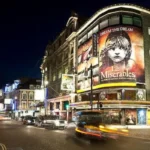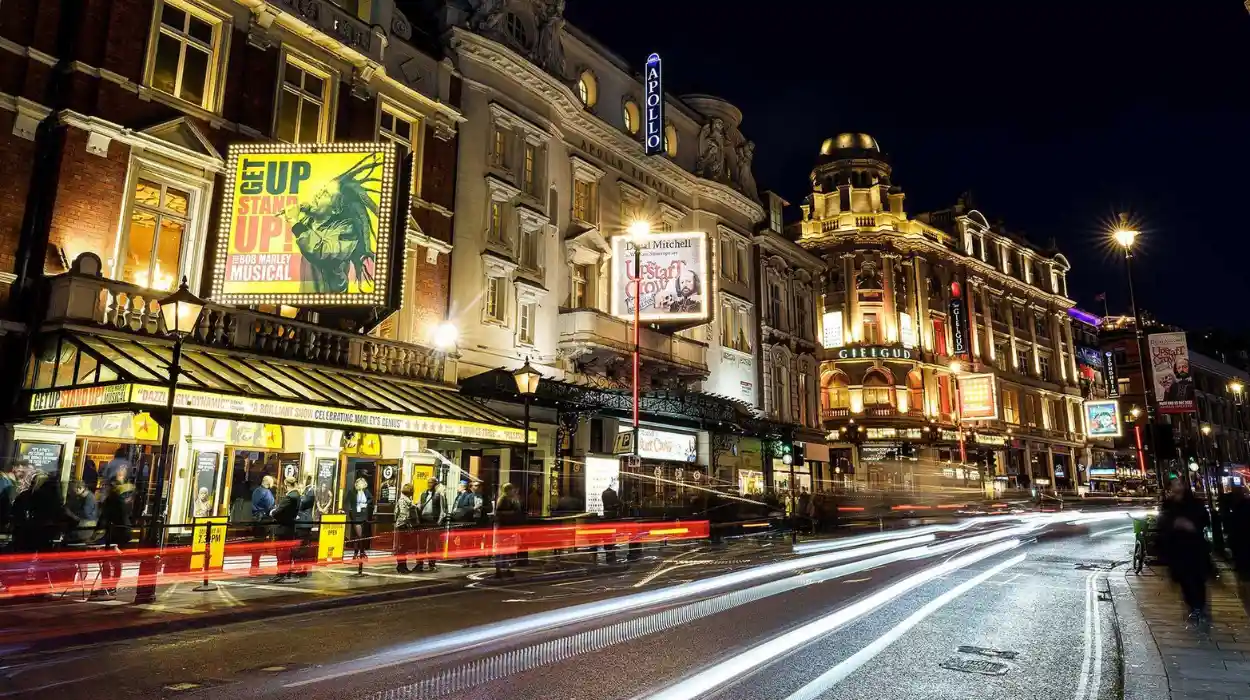
London’s West End refers to the central districts surrounding Covent Garden, Soho, Leicester Square, Piccadilly Circus, Haymarket, Shaftesbury Avenue, and St Martin’s Lane. Although the phrase originally described the fashionable western expansion of London beyond the medieval City, it gradually became synonymous with professional theatre and live entertainment.
- How did London’s West End develop into a theatre district?
- How did the West End change during the Victorian era?
- Which historic theatres shaped the West End’s international reputation?
- Who were the most influential people in West End theatre history?
- How did West End productions influence theatre around the world?
- How has the West End survived wars, economic crises, and modern change?
- Why does the West End remain historically important today?
- What is the lasting legacy of London’s West End for future generations?
- Frequently Asked Question
Today, the West End contains approximately 40 major professional theatres, making it one of the largest theatre districts on Earth. The district attracts more than 17 million theatre visitors annually during typical operating years, generating billions of pounds for London’s visitor economy while supporting thousands of creative jobs.
Unlike a single venue, the West End represents an interconnected cultural ecosystem. Historic playhouses, rehearsal studios, production companies, educational institutions, costume workshops, ticket agencies, restaurants, and hospitality businesses collectively sustain continuous theatrical production throughout the year.
Its worldwide reputation rests upon several defining characteristics. The district presents classical drama, modern plays, large-scale musicals, experimental productions, family entertainment, and internationally touring performances. This diversity allows audiences from every continent to experience theatre within a concentrated geographic area.
The West End also serves as an international benchmark for theatrical excellence. Productions that achieve commercial and critical success frequently transfer to Broadway, Europe, Asia, Australia, and global touring circuits, extending London’s cultural influence far beyond the United Kingdom.
How did London’s West End develop into a theatre district?
London’s West End evolved through royal patronage, urban expansion, commercial investment, and cultural demand between the seventeenth and nineteenth centuries. Permanent theatres, improved transport, growing middle-class audiences, and purpose-built entertainment streets transformed the district into Britain’s principal centre for professional performance.
The origins of London’s theatrical geography lie in the Restoration period. Following the restoration of the monarchy in 1660, King Charles II granted patents to two theatre companies, allowing permanent licensed performances after years of Puritan restrictions.
This royal approval fundamentally reshaped English theatre. Permanent indoor venues replaced many temporary performance spaces. Professional acting companies expanded, while female performers appeared legally on the English stage for the first time.
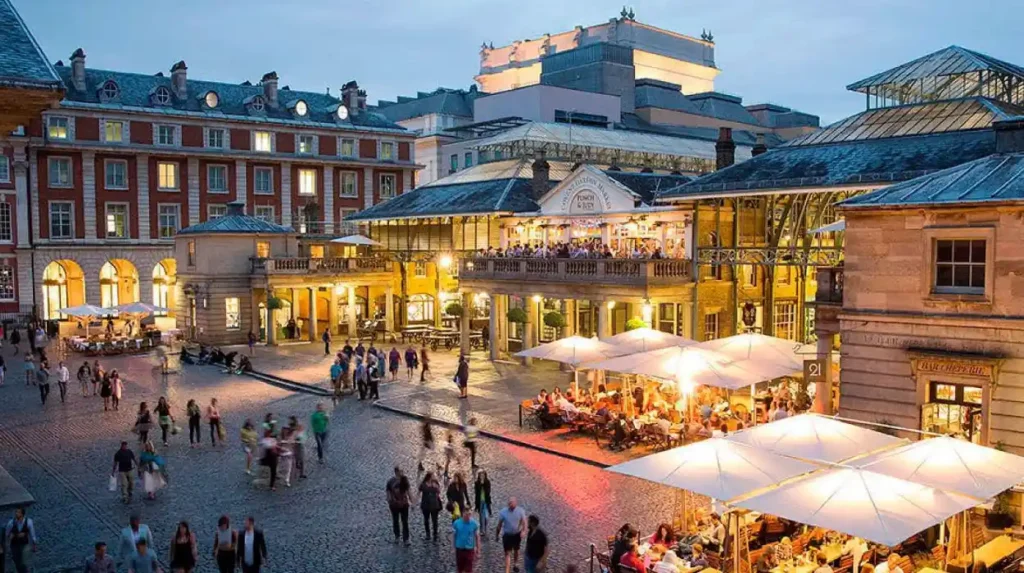
Covent Garden rapidly became a cultural centre because of its planned urban design. Developed during the seventeenth century by architect Inigo Jones, the piazza provided a sophisticated public square surrounded by shops, residences, and entertainment venues. The area’s accessibility encouraged regular theatre attendance.
Throughout the eighteenth century, London’s population expanded dramatically. Increasing wealth among merchants, professionals, and landowners created growing audiences capable of supporting commercial theatre beyond royal patronage alone.
Improved street lighting also transformed evening entertainment. Safer public streets encouraged larger audiences to attend performances after dark, strengthening the commercial viability of theatre operations.
By the nineteenth century, railway expansion connected London with every region of Britain. Visitors increasingly travelled specifically to attend theatrical productions, accelerating the concentration of performance venues within the West End.
Commercial competition encouraged entrepreneurs to construct increasingly sophisticated theatres featuring improved seating, larger stages, decorative interiors, and advanced stage machinery.
These developments collectively established a specialised entertainment district unlike any previous theatrical landscape in Britain.
How did the West End change during the Victorian era?
The Victorian period transformed the West End through large-scale urban redevelopment, technological innovation, expanding literacy, and growing middle-class audiences. New theatres, improved public infrastructure, and evolving entertainment preferences created the foundation of the modern theatre district visible today.
The nineteenth century represented the most significant era of physical expansion for London’s theatre industry.
One of the defining developments involved the construction of Shaftesbury Avenue during the 1880s. The new boulevard improved traffic circulation while providing prime locations for purpose-built theatres. Several famous venues opened along this street, permanently defining its identity as London’s theatrical heart.
Victorian architects embraced fire-resistant materials following devastating theatre fires that had destroyed numerous earlier buildings. Iron framing, improved ventilation, emergency exits, and enhanced audience circulation became standard architectural features.
Gas lighting revolutionised stage production before gradual electrification during the late nineteenth century introduced safer and more flexible lighting systems. Electrical illumination allowed greater artistic control over scenery, atmosphere, and dramatic presentation.
Literacy rates also increased substantially following educational reforms. Publishers produced affordable editions of plays, while newspapers expanded theatre criticism. Audiences became increasingly informed about playwrights, performers, and dramatic traditions.
Victorian theatre also reflected social changes. Historical dramas, Shakespearean revivals, comic operas, melodramas, and literary adaptations attracted increasingly diverse audiences.
Professional management expanded significantly. Theatre owners invested in marketing, costume departments, scenic workshops, ticketing systems, and touring arrangements that resembled modern entertainment businesses.
By the end of Queen Victoria’s reign, the West End had become one of Europe’s most sophisticated cultural districts.
Which historic theatres shaped the West End’s international reputation?
Several historic theatres established London’s global theatrical influence through architectural innovation, artistic excellence, and continuous performance traditions. Their productions introduced influential playwrights, actors, composers, and directors whose work shaped modern theatre across multiple continents for centuries.
Many iconic theatres continue operating from historic buildings that preserve centuries of theatrical heritage.
The Theatre Royal Drury Lane traces its origins to 1663, making it one of London’s oldest continuously operating theatre sites. Successive buildings hosted renowned actors, elaborate productions, and technical innovations that influenced theatre architecture internationally.
The London Palladium became synonymous with variety entertainment, musical productions, and international performers during the twentieth century.
His Majesty’s Theatre achieved worldwide recognition through long-running musical productions, particularly during the late twentieth century.
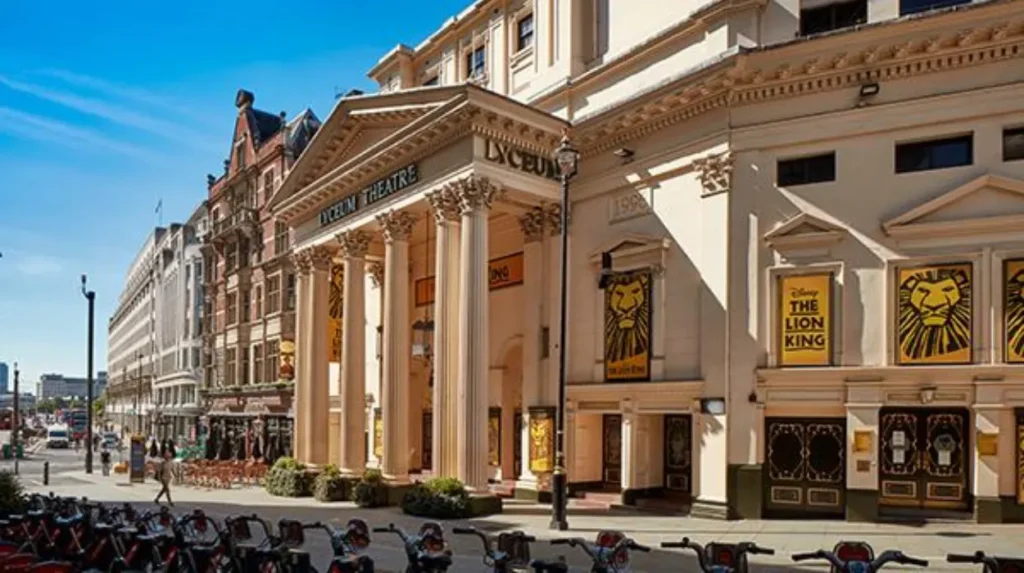
The Lyceum Theatre evolved from eighteenth-century origins into one of London’s major venues for dramatic productions and internationally recognised musicals.
The Adelphi Theatre, Apollo Theatre, Gielgud Theatre, Savoy Theatre, Prince Edward Theatre, and numerous additional venues collectively demonstrate the architectural diversity of different historical periods.
These theatres represent more than entertainment buildings. They preserve evolving construction methods, decorative arts, engineering achievements, audience traditions, and performance technologies spanning several centuries.
Many remain protected heritage structures, ensuring their continued preservation for future generations.
Who were the most influential people in West End theatre history?
Playwrights, actors, producers, architects, composers, and royal patrons collectively shaped the West End through artistic innovation, institutional development, and commercial investment. Their contributions established performance traditions that continue defining London’s international theatrical identity today.
William Shakespeare predates the West End’s development but remains its most enduring literary influence. Modern West End productions continue presenting his plays, connecting contemporary audiences with England’s theatrical heritage.
David Garrick transformed eighteenth-century acting through naturalistic performance techniques and innovative theatre management at Drury Lane.
Richard Brinsley Sheridan combined playwright, politician, and theatre ownership while contributing significantly to London’s dramatic repertoire.
Sir Henry Irving became the first actor to receive a knighthood, reflecting the growing cultural legitimacy of professional theatre.
Ellen Terry emerged as one of Britain’s greatest Shakespearean actresses during the Victorian period, influencing acting standards internationally.
Andrew Lloyd Webber transformed modern musical theatre through commercially successful productions that achieved unprecedented international distribution.
Producer Cameron Mackintosh expanded the global reach of West End musicals through worldwide licensing, international productions, and long-running theatrical franchises.
Architects including C. J. Phipps, Frank Matcham, and W. G. R. Sprague designed many theatres that continue serving audiences today. Their buildings combined technical functionality with remarkable decorative craftsmanship.
Collectively, these individuals established creative and commercial models that remain central to global theatre production.
How did West End productions influence theatre around the world?
The West End became an international model through transferable productions, professional training, technical innovation, literary adaptation, and commercial theatre management. Successful London performances frequently expanded into Broadway, Europe, Asia, Australia, and global touring networks, extending British theatrical influence worldwide.
London’s theatre industry pioneered methods that later became standard across international entertainment sectors.
Commercial transfer agreements allowed successful productions to move efficiently between London and New York. This exchange strengthened cultural relationships between the West End and Broadway throughout the twentieth century.
Long-running musicals became defining examples of this international model. Productions developed in London subsequently reached audiences across dozens of countries through licensed performances.
Technical expertise also travelled internationally. Stage designers, lighting specialists, costume makers, choreographers, directors, and production managers trained in London frequently worked throughout Europe, North America, Asia, and Australia.
Educational institutions supported this influence by attracting international students studying acting, directing, design, and theatre management.
English-language theatre likewise expanded globally. London productions introduced contemporary British playwrights to worldwide audiences while encouraging translations into numerous languages.
Television broadcasts, recordings, digital streaming, and educational resources further expanded the international accessibility of West End productions.
Consequently, London’s theatrical influence extends well beyond its physical stages.
How has the West End survived wars, economic crises, and modern change?
London’s West End survived because theatre continuously adapted to political conflict, economic disruption, technological change, and shifting audience expectations. Government protection, heritage conservation, commercial innovation, and international tourism collectively ensured the district remained an active cultural centre across successive generations.
The district experienced significant disruption during both World Wars.
Many theatres temporarily closed or modified operations because of air raids, blackouts, military service, and changing public priorities. Nevertheless, performances often continued to sustain civilian morale.
The Blitz damaged parts of central London during the Second World War. Although several theatres suffered destruction or structural damage, restoration efforts preserved much of the district’s historic character.
Post-war rebuilding coincided with renewed investment in entertainment infrastructure. Improved public transport and expanding tourism strengthened theatre attendance throughout the second half of the twentieth century.
Historic preservation legislation protected numerous theatre buildings from demolition. Listing systems recognised their architectural and cultural significance, encouraging sensitive restoration rather than replacement.
Technological innovation also supported long-term survival. Computerised lighting, advanced sound systems, digital ticketing, improved accessibility, and sophisticated stage engineering enhanced audience experiences without sacrificing historic architecture.
International tourism now plays a major economic role. Visitors from around the world contribute substantially to ticket sales, hospitality businesses, accommodation providers, and local employment.
The district’s ability to balance historical preservation with contemporary production techniques explains its continued global prominence.
Why does the West End remain historically important today?
The West End remains historically significant because it preserves centuries of architectural heritage, literary traditions, artistic excellence, and living performance culture. Historic theatres continue operating while supporting education, tourism, conservation, economic development, and international cultural exchange across successive generations.
Unlike many historic districts that function primarily as museums, the West End remains an active cultural landscape.
Historic buildings continue serving their original purpose as performance venues, allowing architectural heritage to remain integrated with contemporary artistic practice.
Educational institutions regularly use West End productions to teach literature, drama, architecture, music, design, and cultural history.
Researchers also examine theatre archives, production records, architectural drawings, costume collections, and municipal documents to understand broader developments in British society.
Heritage organisations collaborate with theatre owners to preserve decorative interiors, structural features, archival collections, and historically significant artefacts.
The district contributes substantially to London’s economy through employment, tourism, hospitality, retail activity, and international cultural prestige.
Its influence extends into film, television, publishing, music, education, and digital entertainment industries, demonstrating theatre’s continuing importance within wider creative economies.
For visitors seeking to understand this living heritage firsthand, consult our comprehensive [Best Theatre Experiences in London for Every Visitor Exploring the Famous West End] for itineraries and visiting parameters.
The continued operation of historic theatres also strengthens community identity by maintaining traditions that connect modern London with earlier generations.
What is the lasting legacy of London’s West End for future generations?
London’s West End represents one of the world’s most enduring examples of living cultural heritage. Its preserved theatres, artistic traditions, historical continuity, educational value, and international influence ensure that future generations inherit both historic architecture and an active global centre for theatrical excellence.
The West End demonstrates that cultural heritage extends beyond preserving historic buildings. It also involves maintaining the creative practices that originally gave those buildings meaning.
Every production performed within historic theatres contributes to a continuous artistic tradition extending across several centuries. Few cultural districts worldwide demonstrate such uninterrupted performance history.
Conservation programmes increasingly balance preservation with sustainability. Historic venues undergo careful restoration while incorporating modern accessibility standards, energy-efficient technologies, and improved visitor facilities.
Digital archives now preserve playbills, photographs, architectural drawings, costume designs, production notes, and performance recordings for researchers and educators worldwide.
International collaboration also continues expanding. Artists, directors, composers, designers, and performers regularly move between London and global theatre centres, reinforcing the West End’s position within an interconnected creative network.
Its influence remains visible in commercial musicals, classical drama, educational theatre, heritage conservation, and cultural tourism.
As London continues evolving, the West End stands as evidence that historic districts can remain economically productive, architecturally preserved, and artistically innovative simultaneously.
This enduring balance explains why the West End remains one of the world’s most respected theatre districts and one of Britain’s most significant cultural achievements.
Frequently Asked Question
Why is London’s West End still considered one of the world’s leading theatre districts?
London’s West End remains one of the world’s leading theatre districts because it combines more than 350 years of theatrical heritage with modern productions. Its historic theatres, internationally acclaimed musicals, acclaimed plays, and cultural significance continue to attract millions of visitors annually while influencing theatre industries across the globe.