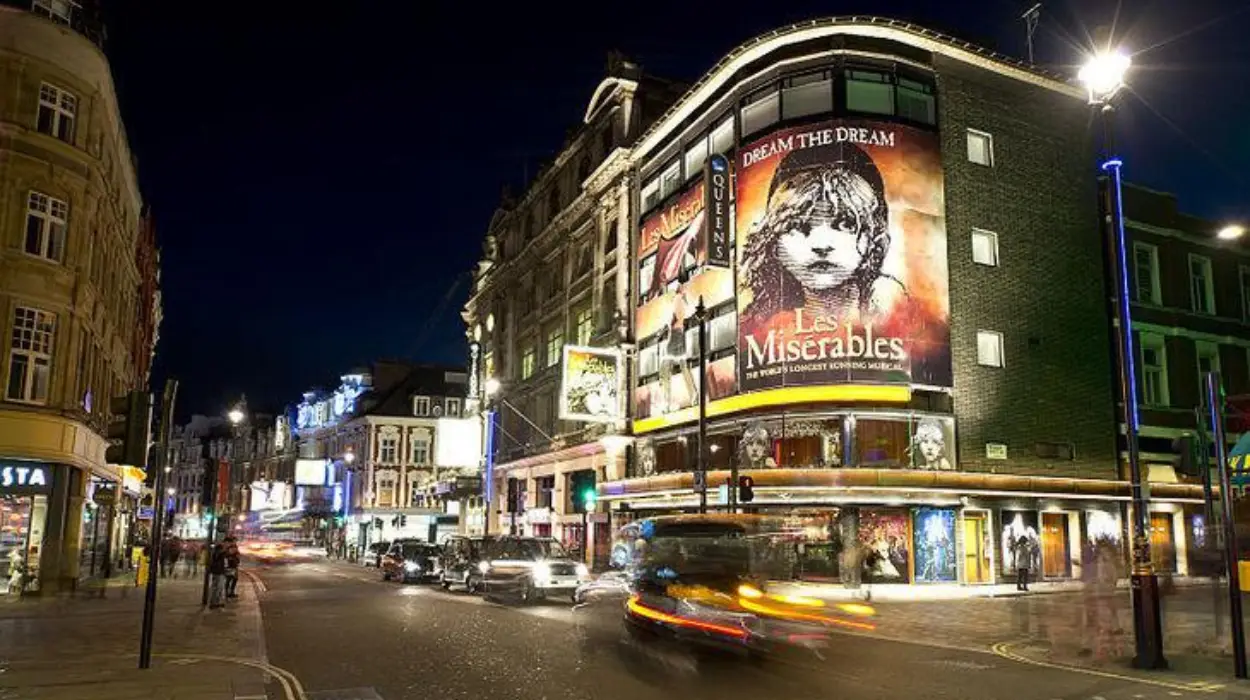
London’s West End represents one of the world’s most significant theatre districts, combining more than 40 professional theatres with over 350 years of dramatic history. Concentrated around Covent Garden, Soho, Leicester Square, St Martin’s Lane, and Shaftesbury Avenue, the West End has evolved into the United Kingdom’s premier destination for live performance. Every year, millions of visitors attend productions ranging from Shakespearean classics and long-running musicals to contemporary dramas and experimental performances.
- Why is London’s West End considered one of the world’s greatest theatre districts?
- How did London’s theatre tradition develop into the modern West End?
- Medieval foundations
- Elizabethan transformation
- Restoration revival
- Georgian expansion
- Victorian golden age
- Modern development
- Which historic theatres define the West End experience today?
- What makes a West End theatre experience unique for modern visitors?
- Which types of productions can visitors experience in the West End?
- How has West End theatre influenced British culture and the global performing arts?
- How are London’s historic theatres preserved for future generations?
- What architectural features distinguish historic West End theatres?
- Why does visiting the West End remain an essential London cultural experience?
- Frequently Asked Question
The district reflects centuries of architectural development, artistic innovation, and cultural transformation. Royal patronage, Victorian engineering, post-war redevelopment, and modern technological advances have shaped today’s theatre landscape. Many venues remain protected heritage buildings, preserving their historical character while incorporating modern staging, accessibility, and audience facilities.
For visitors exploring London, experiencing a West End production provides direct insight into British cultural heritage, performing arts traditions, and one of the country’s most influential creative industries.
Why is London’s West End considered one of the world’s greatest theatre districts?
London’s West End earned its international reputation through more than three centuries of continuous theatrical production, historic venues, royal patronage, globally recognised performers, architectural preservation, and an entertainment economy that attracts millions of domestic and international visitors every year.
The term “West End” refers to London’s principal commercial theatre district rather than a formally defined administrative area. Most theatres lie within the City of Westminster, particularly around Covent Garden, Leicester Square, Soho, and Shaftesbury Avenue.
Professional theatre expanded significantly after the Restoration of the English monarchy in 1660. King Charles II granted patents allowing licensed theatre companies to perform legally, establishing a regulated theatrical industry that transformed London’s entertainment culture.
Throughout the eighteenth century, London’s growing population increased demand for public performances. Theatre evolved beyond royal courts into a popular urban entertainment attended by merchants, professionals, aristocrats, and visitors from across Britain.
The Victorian era marked another major expansion. New engineering methods enabled larger auditoriums, improved stage mechanics, gas lighting, and eventually electric illumination. Theatres built during this period continue to define the architectural identity of the West End.
Today, the West End contributes billions of pounds annually to London’s economy through ticket sales, hospitality, tourism, employment, and associated cultural industries. It remains one of only a handful of theatre districts worldwide with comparable international influence.
How did London’s theatre tradition develop into the modern West End?
London’s theatre tradition evolved through distinct historical periods including medieval religious performances, Elizabethan public theatres, Restoration playhouses, Victorian commercial expansion, twentieth-century redevelopment, and twenty-first-century technological innovation within protected historic venues.
Medieval foundations
Public performance existed in medieval England through mystery plays, morality plays, and religious pageants performed by guilds. These productions introduced dramatic storytelling to urban communities long before purpose-built theatres appeared.
Elizabethan transformation
The late sixteenth century transformed English theatre permanently.
Permanent playhouses such as The Theatre, The Curtain, The Rose, and The Globe introduced commercial performance to London audiences. William Shakespeare, Christopher Marlowe, Ben Jonson, and Thomas Dekker wrote works that became foundations of English literature.
Most Elizabethan theatres stood south of the River Thames because regulations inside the City of London restricted theatrical activity.
Restoration revival
The closure of theatres during the English Civil War ended in 1660.
Licensed theatres reopened under royal authority, introducing actresses onto the English stage for the first time. Restoration comedy flourished alongside elaborate stage scenery and improved theatrical technology.
Georgian expansion
During the eighteenth century, London’s growing wealth encouraged theatre construction around Covent Garden and Drury Lane.
Opera, comedy, tragedy, ballet, and musical entertainment diversified audience preferences while increasing commercial competition among venues.
Victorian golden age
The nineteenth century reshaped the West End.
New theatres opened across Shaftesbury Avenue, Haymarket, Charing Cross Road, and nearby districts. Iron construction, improved ventilation, electric lighting, and fire safety regulations created safer, larger, and more comfortable auditoriums.
Many surviving theatres date from this remarkable building period.
Modern development
Following wartime reconstruction and continued investment, the West End embraced modern stage engineering, digital lighting, sophisticated sound systems, and accessible facilities while protecting historic architectural features through heritage conservation.
Which historic theatres define the West End experience today?
Several historic theatres represent the architectural, cultural, and artistic evolution of London’s performing arts through preserved Victorian auditoriums, internationally acclaimed productions, protected heritage status, and centuries of continuous theatrical performance within the West End district.
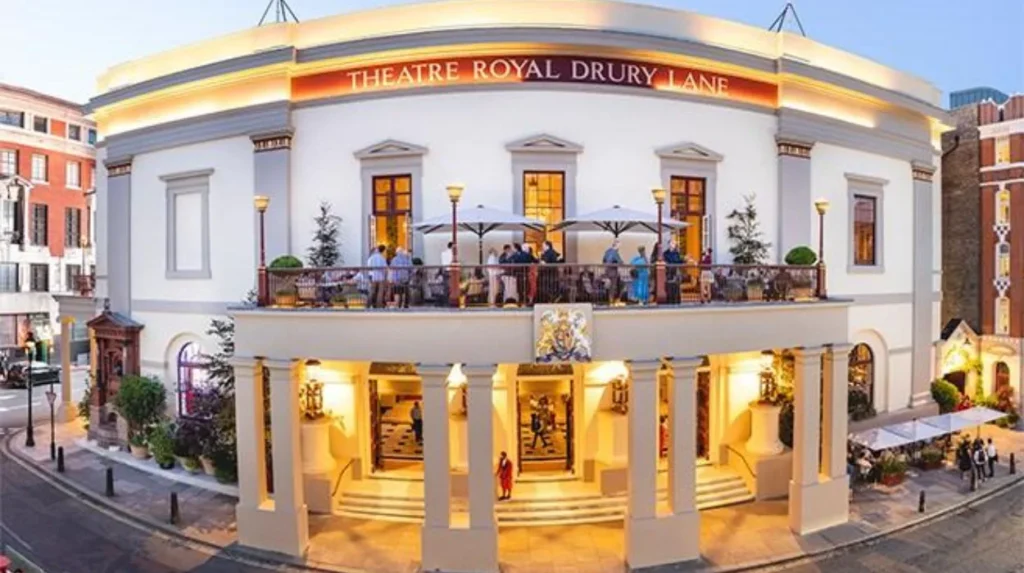
The Theatre Royal Drury Lane stands among London’s oldest continuously operating theatre sites.
Performance has occurred on the location since the seventeenth century, although today’s building reflects nineteenth-century reconstruction. It has hosted major dramas, operas, pantomimes, and internationally acclaimed musicals.
The London Palladium became one of Britain’s best-known entertainment venues after opening in 1910.
Its reputation developed through variety performances, television productions, concerts, and major musical revivals featuring internationally recognised performers.
His Majesty’s Theatre has maintained an important place in London’s theatrical landscape since the late nineteenth century.
Its elegant architecture and impressive auditorium continue attracting audiences seeking large-scale musical productions.
The Lyceum Theatre combines Victorian architecture with extensive modern restoration.
Originally serving multiple entertainment purposes, it eventually became one of London’s premier musical venues.
The Apollo Theatre, Prince Edward Theatre, Adelphi Theatre, Savoy Theatre, and Cambridge Theatre each preserve distinctive architectural styles while contributing to the diversity of London’s theatrical offerings.
Collectively, these venues illustrate changing approaches to theatre architecture, audience comfort, acoustics, decorative arts, and stage engineering across more than 150 years.
What makes a West End theatre experience unique for modern visitors?
A West End theatre experience combines preserved historic architecture, internationally recognised productions, professional acting standards, advanced stage technology, accessible visitor facilities, and central locations surrounded by restaurants, museums, and cultural attractions.
Visitors encounter far more than a theatrical performance.
Many theatres retain original decorative plasterwork, marble staircases, painted ceilings, ornate balconies, carved woodwork, and Victorian foyers. These architectural elements preserve the atmosphere of nineteenth-century entertainment culture.
Modern productions integrate sophisticated lighting systems, automated scenery, digital projection, immersive sound design, and advanced costume production without compromising the historical integrity of listed buildings.
Audience accessibility has improved substantially through wheelchair seating, hearing assistance systems, captioned performances, relaxed performances, and improved visitor facilities.
The surrounding neighbourhood enhances the overall experience.
Covent Garden, Soho, Leicester Square, and Piccadilly provide extensive dining, shopping, museums, and public transport connections before and after performances.
To experience this historic landmark in person today, consult our comprehensive [The History of London’s West End and Its Worldwide Theatre Legacy Today] for itineraries and visiting parameters.
Which types of productions can visitors experience in the West End?
The West End presents an extensive programme including classic plays, Shakespearean productions, contemporary dramas, family entertainment, historical adaptations, operas, ballets, and internationally successful musicals performed throughout the year in professional theatres.
Long-running musicals have become internationally associated with London’s West End.
Large-scale productions employ extensive orchestras, elaborate scenery, advanced automation, detailed costume departments, and large professional casts.
Classic theatre remains equally important.
Works by William Shakespeare continue attracting audiences through traditional staging and innovative reinterpretations. Productions of writers including Oscar Wilde, George Bernard Shaw, Harold Pinter, Tom Stoppard, and Alan Bennett maintain Britain’s literary theatre tradition.
Contemporary drama introduces new playwrights while exploring current social, political, and cultural themes.
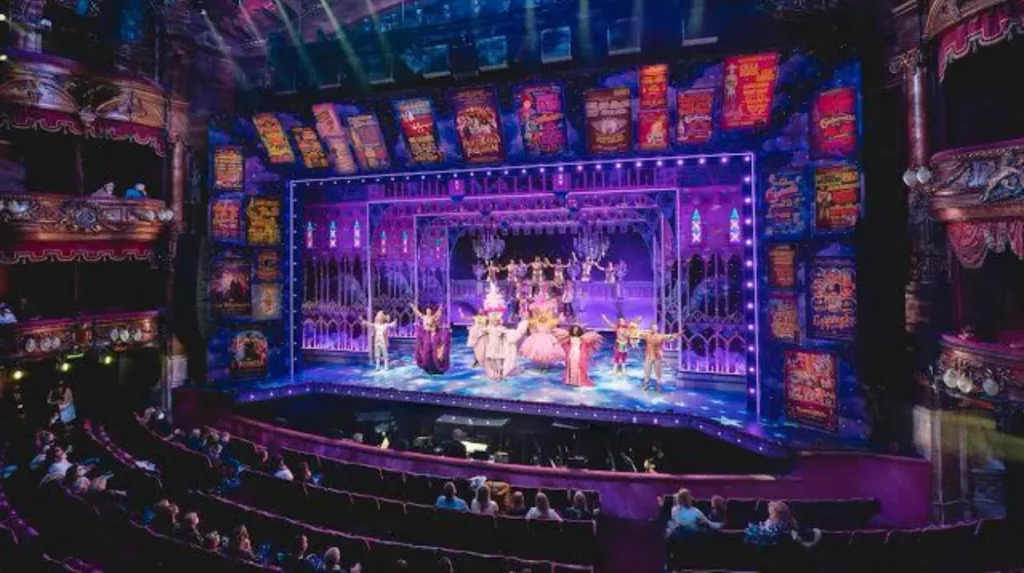
Seasonal performances also contribute to programming diversity.
Examples include Christmas pantomimes, festive concerts, family productions, anniversary revivals, and limited engagement performances featuring internationally recognised actors.
This variety ensures visitors with different interests, ages, and cultural backgrounds can find productions suited to their preferences.
How has West End theatre influenced British culture and the global performing arts?
West End theatre has shaped British literature, performing arts education, international tourism, creative industries, and theatrical innovation while exporting productions, performers, technical expertise, and artistic traditions across the world for generations.
British theatre has influenced global dramatic literature through playwrights whose works remain studied in universities worldwide.
Professional actors frequently begin careers in regional theatres before progressing to West End productions, establishing London as an important centre for artistic development.
International productions often transfer between London’s West End and New York’s Broadway.
This exchange encourages collaboration among directors, composers, choreographers, designers, producers, and performers while expanding audiences for British productions internationally.
Educational institutions regularly organise theatre visits because performances demonstrate literary analysis, historical interpretation, language development, and stagecraft in practical settings.
The creative industries supported by West End theatre extend beyond performance.
Examples include costume manufacture, scenic construction, lighting engineering, ticketing technology, hospitality, marketing, publishing, broadcasting, and tourism services.
Collectively, these sectors generate substantial employment throughout Greater London.
How are London’s historic theatres preserved for future generations?
Historic West End theatres remain protected through heritage legislation, conservation programmes, architectural restoration, specialist craftsmanship, safety improvements, charitable organisations, and continued commercial operation that supports sustainable long-term preservation.
Many West End theatres possess statutory listed status, recognising their exceptional architectural and historical significance.
Listing protects original features including façades, auditoriums, decorative plasterwork, staircases, balconies, and artistic interiors from inappropriate alteration.
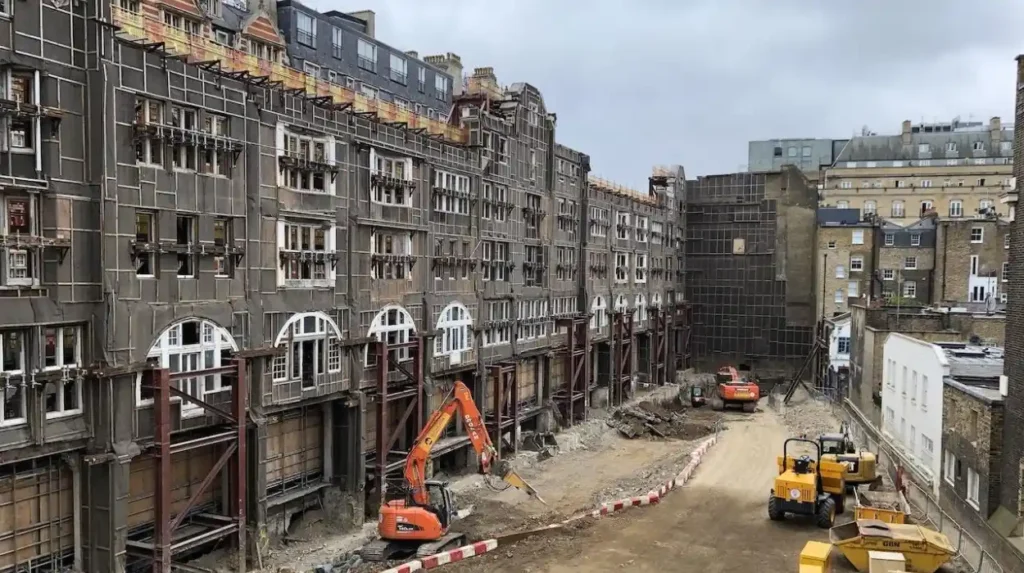
Conservation specialists restore historic paint schemes, ornamental plaster, carved timber, stained glass, decorative ironwork, and period lighting using traditional techniques whenever possible.
Modernisation occurs carefully.
Electrical systems, fire protection, ventilation, accessibility improvements, structural reinforcement, and digital stage technology are integrated while respecting heritage requirements.
Organisations including heritage agencies, theatre trusts, architects, engineers, historians, and venue operators collaborate to ensure restoration meets conservation standards.
This balanced approach allows historic theatres to remain commercially successful while safeguarding nationally significant cultural assets.
What architectural features distinguish historic West End theatres?
Historic West End theatres display Victorian and Edwardian architectural characteristics including horseshoe auditoriums, ornate balconies, decorative ceilings, grand foyers, elaborate plasterwork, improved sightlines, sophisticated acoustics, and increasingly advanced stage engineering reflecting successive periods of theatre design.
Most surviving theatres prioritised audience visibility.
Tiered seating improved sightlines while curved balconies enhanced acoustics throughout the auditorium.
Decorative programmes reflected contemporary artistic styles.
Examples include Baroque ornamentation, Classical columns, Renaissance-inspired ceilings, gilded mouldings, painted murals, sculptural decoration, and richly detailed entrance halls.
Engineering innovation transformed stage production.
Counterweight systems, fly towers, hydraulic lifts, revolving stages, trapdoors, automated scenery, and improved backstage circulation enabled increasingly ambitious productions.
Fire safety became a major architectural priority following nineteenth-century theatre fires across Europe.
New regulations introduced fire-resistant construction, emergency exits, fire curtains, wider staircases, improved ventilation, and stronger structural materials.
These developments significantly improved public safety while influencing theatre architecture internationally.
Why does visiting the West End remain an essential London cultural experience?
Visiting London’s West End provides direct access to centuries of theatrical history, preserved architecture, internationally acclaimed productions, British literary traditions, cultural heritage, and one of the world’s most influential performing arts districts within a compact walkable area.
The West End represents more than commercial entertainment.
It demonstrates the continuous development of British theatre from Restoration playhouses through Victorian expansion into the digital productions of the twenty-first century.
Historic venues remain active cultural institutions rather than static museums.
Visitors experience living heritage through performances presented within buildings that have welcomed audiences across multiple generations.
The surrounding urban environment reinforces this historical continuity.
Covent Garden’s market heritage, Soho’s artistic communities, Trafalgar Square’s national monuments, St James’s royal associations, and nearby museums collectively illustrate London’s broader cultural development.
For educators, students, historians, genealogists, and cultural tourists, the West End provides valuable evidence of Britain’s artistic evolution, architectural preservation, and creative economy.
Its theatres preserve craftsmanship, performance traditions, and historical identity while continuing to inspire new generations of audiences and performers.
As London evolves, the West End remains one of the city’s defining cultural landscapes, demonstrating how historic architecture, artistic excellence, and public engagement can coexist successfully across centuries. Its enduring popularity confirms that live theatre remains an essential part of London’s heritage and one of the world’s most significant cultural experiences.
Frequently Asked Question
What are the best theatre experiences in London’s West End?
The best theatre experiences in London’s West End include watching world-famous musicals, classic plays, and performances inside historic venues such as Theatre Royal Drury Lane, London Palladium, His Majesty’s Theatre, and the Lyceum Theatre.