Shopping streets are more than retail destinations. They reflect the commercial, architectural, and cultural development of cities over centuries. The world’s most celebrated shopping streets combine historic buildings, independent businesses, luxury fashion, public markets, and local craftsmanship within walkable urban environments. They preserve traditions while continuously adapting to changing consumer habits, making them valuable destinations for tourists interested in both commerce and heritage.
- Why are shopping streets important to cultural tourism?
- Which shopping streets offer the best luxury fashion experiences?
- Which shopping streets are best for local crafts and traditional products?
- Where can tourists find the best gifts and souvenirs?
- How did famous shopping streets develop throughout history?
- What architectural features define historic shopping streets?
- How do shopping streets preserve local identity?
- What role do shopping streets play in sustainable tourism?
- Which shopping streets combine history with contemporary retail?
- Why do historic shopping streets remain relevant today?
- Frequently Asked Question
Why are shopping streets important to cultural tourism?
Historic shopping streets preserve centuries of commercial history while supporting modern retail, local businesses, and tourism. They showcase architectural heritage, traditional crafts, evolving fashion, public life, and regional identity, allowing visitors to experience both economic history and contemporary urban culture within a single destination.
Shopping streets have served as centres of trade since ancient civilizations established marketplaces near ports, temples, and government buildings. During the Roman Empire, commercial roads connected merchants across Europe. Medieval European towns later developed market squares surrounded by guild halls, workshops, and merchant houses that formed the foundation of today’s shopping districts.
The Industrial Revolution transformed retail during the eighteenth and nineteenth centuries. Improved transport networks, larger urban populations, and advances in manufacturing created demand for department stores, specialist retailers, and covered shopping arcades. Many famous shopping streets expanded during this period, becoming symbols of economic prosperity.
Modern shopping districts continue to perform several functions simultaneously. They support local employment, preserve historic buildings through commercial use, attract international tourism, and provide public gathering spaces. According to the United Nations World Tourism Organization (UN Tourism), shopping remains one of the most common activities undertaken by international travellers, contributing significantly to urban tourism economies.
Historic shopping streets also demonstrate changing architectural styles. Victorian terraces, Georgian townhouses, Art Deco storefronts, and contemporary retail developments frequently exist side by side, illustrating centuries of urban growth without requiring visitors to enter museums.
Which shopping streets offer the best luxury fashion experiences?
Luxury shopping streets combine internationally recognised fashion houses, historic department stores, premium jewellery retailers, and elegant architecture. These districts represent decades or centuries of retail excellence while continuing to influence global fashion trends and luxury consumer markets through flagship stores and heritage brands.
Luxury retail districts often developed near financial centres and affluent residential neighbourhoods. Their prestige reflects long-term investment, architectural quality, and international reputation.
Bond Street, London
Bond Street has served London’s luxury retail sector since the early eighteenth century. Divided into Old Bond Street and New Bond Street, it became associated with fine art dealers, jewellers, bespoke tailoring, and luxury fashion houses.
Today, internationally recognised fashion brands operate alongside historic auction houses and galleries. Georgian and Victorian architecture continues to define much of the streetscape despite modern renovations.
Bond Street also forms part of London’s protected historic commercial landscape, demonstrating how heritage buildings remain economically productive without losing their architectural significance.
To experience this historic landmark in person today, consult our comprehensive [The History of London’s Shopping Districts and Their Global Retail Influence Today] for itineraries and visiting parameters.
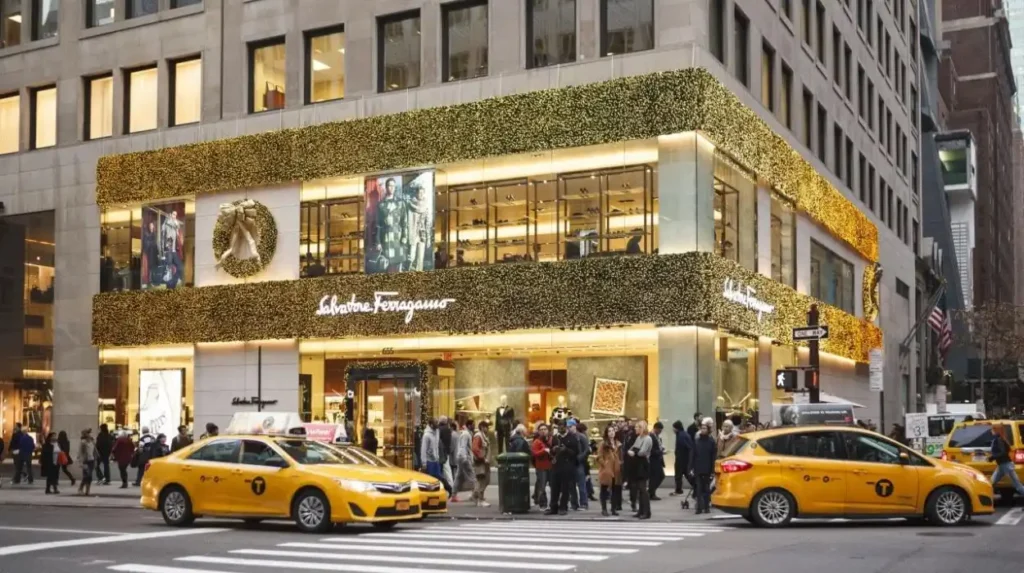
Fifth Avenue, New York City
Fifth Avenue developed rapidly during the late nineteenth century as New York expanded northward. Wealthy families established residences before commercial development gradually transformed sections into one of the world’s most prestigious retail corridors.
Flagship stores, department stores, and luxury brands now occupy landmark buildings that illustrate Beaux-Arts, Art Deco, and modern architectural styles.
Avenue des Champs-Élysées, Paris
The Champs-Élysées originated as a landscaped avenue during the seventeenth century before evolving into a commercial boulevard during the nineteenth century.
Luxury boutiques, theatres, cafés, and flagship stores contribute to its international reputation while preserving significant historic buildings along one of Paris’s most famous urban avenues.
Which shopping streets are best for local crafts and traditional products?
Traditional shopping streets preserve regional craftsmanship through family-owned businesses, artisan workshops, local markets, and specialty retailers. These districts provide authentic cultural experiences by connecting visitors directly with locally produced goods, traditional skills, and community heritage that continue across multiple generations.
Local shopping streets frequently evolved around specialist trades. Many continue to support independent businesses despite competition from large retail chains.
The Shambles, York
The Shambles originated during the medieval period as York’s butchers’ street. Timber-framed buildings dating from the fourteenth and fifteenth centuries remain remarkably well preserved.
Although traditional meat markets disappeared during the twentieth century, independent retailers now specialise in handmade gifts, local foods, books, and crafts, maintaining the street’s commercial function.
Gion District, Kyoto
Kyoto’s historic shopping streets preserve traditional Japanese crafts including ceramics, textiles, lacquerware, and tea-related products.
Many workshops continue centuries-old production methods recognised as important elements of Japan’s cultural heritage.
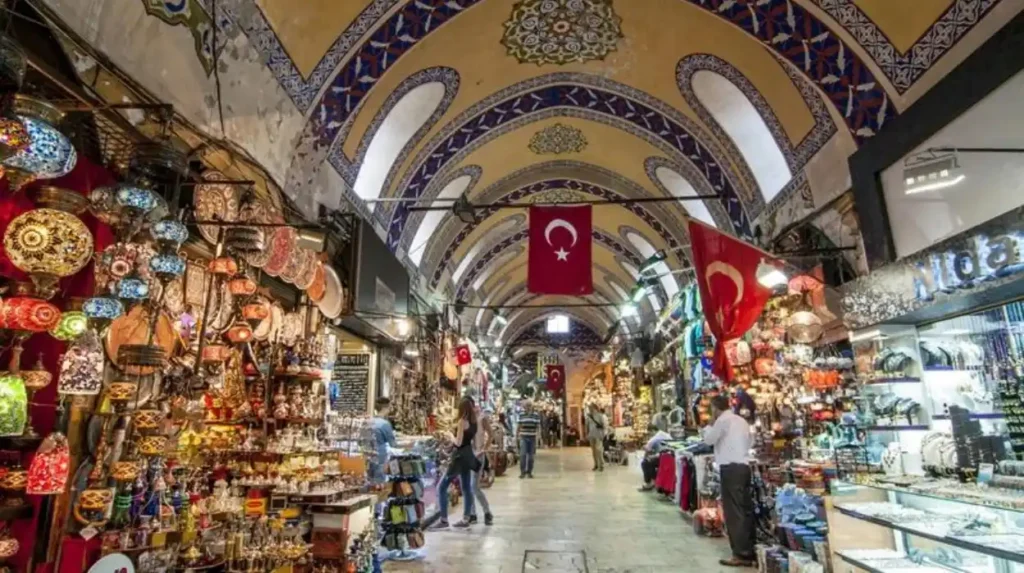
Grand Bazaar, Istanbul
Established during the fifteenth century following the Ottoman conquest of Constantinople, the Grand Bazaar remains among the world’s oldest continuously operating covered markets.
Its thousands of shops specialise in carpets, jewellery, ceramics, leather goods, textiles, spices, and traditional handicrafts representing regional craftsmanship across Türkiye.
Where can tourists find the best gifts and souvenirs?
The finest souvenir shopping streets emphasise authentic local production instead of mass-manufactured goods. Historic markets, artisan districts, and specialist retail streets provide culturally significant products that reflect regional history, traditional craftsmanship, local materials, and community identity rather than generic tourist merchandise.
Authentic souvenirs preserve cultural traditions while supporting local economies.
Historic bookshops often stock regional literature and maps. Independent food retailers sell traditional products produced within surrounding regions. Artisan workshops create handmade ceramics, glassware, textiles, jewellery, and woodcraft using locally sourced materials.
Government heritage organisations increasingly encourage visitors to purchase locally produced goods because such spending directly supports traditional industries and historic town centres.
Many cities also protect specialist retail clusters through conservation policies that encourage independent businesses instead of uniform commercial development.
How did famous shopping streets develop throughout history?
Historic shopping streets evolved through urban expansion, economic growth, transport improvements, changing consumer behaviour, and architectural innovation. Their development reflects broader political, industrial, and social transformations that reshaped cities from medieval market towns into internationally connected commercial centres over several centuries.
Commercial development followed changing patterns of urban growth.
Ancient marketplaces prioritised accessibility near ports, rivers, and government institutions.
Medieval commercial districts organised traders according to guild membership. Examples include cloth merchants, goldsmiths, and fishmongers. Guild regulations controlled product quality, apprenticeships, and commercial standards.
During the eighteenth century, fixed-price retail gradually replaced bargaining within many European cities.
The nineteenth century introduced department stores, larger display windows, gas lighting, railway access, and improved sanitation. These innovations transformed shopping into a recreational activity rather than purely commercial exchange.
Twentieth-century pedestrianisation further reshaped historic shopping streets by reducing vehicle traffic and improving public accessibility.
Urban conservation programmes introduced during the second half of the twentieth century increasingly recognised shopping streets as historic environments requiring protection rather than redevelopment.
What architectural features define historic shopping streets?
Historic shopping streets display architectural styles reflecting successive periods of urban development. Shopfronts, arcades, covered markets, public squares, monuments, and preserved commercial buildings illustrate changing construction techniques, planning policies, and retail design across multiple centuries of continuous commercial activity.
Architecture provides visible evidence of commercial history.
Georgian shopping streets emphasise symmetry, brick construction, and elegant proportions.
Victorian commercial districts introduced cast iron, decorative stonework, large display windows, and elaborate façades designed to attract customers.
Covered arcades emerged during the nineteenth century to protect shoppers from weather while encouraging leisurely browsing.
Art Deco buildings later introduced streamlined geometric forms reflecting changing design philosophies during the early twentieth century.
Modern conservation guidelines frequently require new developments to respect historic streetscapes through compatible materials, scale, and architectural character.
Many internationally recognised shopping streets operate within legally protected conservation areas administered by municipal planning authorities.
How do shopping streets preserve local identity?
Historic shopping streets strengthen community identity by maintaining independent businesses, conserving traditional architecture, protecting regional crafts, supporting local festivals, and encouraging long-term commercial continuity. Their cultural value extends beyond retail because they preserve everyday urban heritage and collective historical memory.
Independent retailers frequently occupy premises inherited across multiple generations.
Family businesses continue specialised trades including watchmaking, tailoring, cheesemaking, bookselling, and jewellery production.
Seasonal festivals strengthen commercial districts by combining cultural celebrations with local trade.
Historic shop signs, traditional façades, and preserved street layouts reinforce distinctive identities that differentiate historic shopping streets from modern shopping centres.
Municipal heritage agencies increasingly recognise commercial continuity as an important element of urban conservation.
Retail heritage therefore includes both physical buildings and the knowledge transferred between generations of craftspeople and merchants.

What role do shopping streets play in sustainable tourism?
Historic shopping streets support sustainable tourism by encouraging walking, preserving existing buildings, strengthening local economies, reducing dependence on large retail developments, and promoting authentic cultural experiences. Their continued commercial use contributes directly to long-term urban conservation and heritage preservation.
Adaptive reuse represents one of the most sustainable approaches to heritage conservation.
Instead of demolishing historic commercial buildings, cities renovate them for continued retail use while preserving architectural significance.
Walkable shopping districts reduce reliance on motor vehicles and encourage exploration beyond major tourist attractions.
Independent retailers also retain greater proportions of tourism spending within local economies compared with multinational chains operating through centralised supply systems.
Several UNESCO World Heritage cities integrate historic commercial districts into broader conservation strategies that balance tourism, economic development, and community needs.
These approaches recognise that living commercial districts remain economically viable only when residents continue using them alongside visitors.
Which shopping streets combine history with contemporary retail?
The world’s most successful shopping streets balance heritage conservation with modern commerce. Historic architecture, restored public spaces, contemporary fashion retailers, artisan businesses, restaurants, and cultural institutions coexist within carefully managed urban environments that remain economically active and historically significant.
Several internationally recognised shopping streets illustrate this balance.
Regent Street in London combines Regency architecture with contemporary flagship retailers.
Via Montenapoleone in Milan integrates luxury fashion within nineteenth-century urban planning.
La Rambla in Barcelona connects historic markets, public spaces, street performers, and cultural landmarks.
Strøget in Copenhagen demonstrates successful pedestrianisation while preserving historic buildings.
These examples illustrate how commercial districts continue evolving without abandoning their historic identity.
Successful conservation policies encourage sensitive redevelopment rather than complete reconstruction.
Municipal governments increasingly adopt planning frameworks that protect façades, historic materials, and street layouts while allowing businesses to modernise interiors and improve accessibility.
Why do historic shopping streets remain relevant today?
Historic shopping streets remain globally significant because they unite commerce, heritage, architecture, tourism, and community life within authentic urban environments. Their continued success demonstrates that cultural preservation and economic development reinforce one another when supported through careful planning, conservation, and sustainable tourism policies.
Historic shopping streets continue attracting millions of visitors annually because they provide experiences unavailable within enclosed shopping centres or online retail platforms.
Their significance extends beyond purchasing goods.
They preserve architectural heritage, support independent businesses, protect traditional craftsmanship, and strengthen local economies.
International organisations including UNESCO, the International Council on Monuments and Sites (ICOMOS), and national heritage agencies increasingly recognise historic commercial districts as important components of cultural landscapes rather than isolated collections of historic buildings.
Urban historians also view shopping streets as valuable historical records documenting changing consumer behaviour, transportation systems, architectural design, and patterns of economic development across centuries.
As cities continue modernising, historic shopping streets demonstrate that conservation and commercial vitality remain compatible objectives. Their continued adaptation ensures future generations will experience living urban heritage instead of static museum environments.
Through careful preservation, sensitive redevelopment, and continued community engagement, the world’s great shopping streets remain essential destinations for travellers seeking fashion, authentic local products, meaningful cultural experiences, and a deeper understanding of urban history.
Frequently Asked Question
What makes historic shopping streets different from modern shopping malls?
Historic shopping streets combine retail with cultural heritage, featuring preserved architecture, independent businesses, traditional crafts, and local history. Unlike modern shopping malls, they offer authentic urban experiences that reflect the city’s heritage while continuing to support local communities and tourism.