London’s retail landscape is the result of more than 1,000 years of economic activity, urban planning, migration, craftsmanship, and commercial innovation. A shopping district is a concentrated urban area where buying, selling, services, and cultural exchange develop around streets, markets, and commercial buildings.
- How did London’s shopping districts begin?
- Why did Covent Garden become a major London shopping area?
- How did Regent Street transform London retail culture?
- Why did Oxford Street become one of the world’s most famous shopping streets?
- How did London’s shopping areas influence global retail development?
- How are London’s historic shopping districts preserved today?
- Frequently Asked Question
London’s major retail areas formed through different historical forces. Medieval trade created market streets. Royal planning introduced formal commercial avenues. Industrial growth expanded consumer culture. Modern transport systems transformed traditional streets into international retail destinations.
The history of London’s shopping districts reveals how the capital moved from local exchange networks to a global retail economy. Historic streets continue to influence contemporary shopping culture, tourism patterns, architectural preservation, and commercial development.
How did London’s shopping districts begin?
London’s shopping districts developed from medieval market streets into global retail centres through royal charters, trade expansion, transport growth, and architectural innovation. Their history connects places such as Cheapside, Covent Garden, Regent Street, and Oxford Street with worldwide commerce today.
The earliest commercial activity in London developed around the Roman settlement of Londinium, established after the Roman invasion of Britain in AD 43. The Roman city contained organised trading areas near the River Thames, where merchants exchanged goods arriving by road and water.
After the Norman Conquest of 1066, London’s commercial importance increased. William I recognised the city’s strategic value and confirmed many existing trading privileges. The medieval economy depended on markets where food, cloth, tools, and imported goods were exchanged.
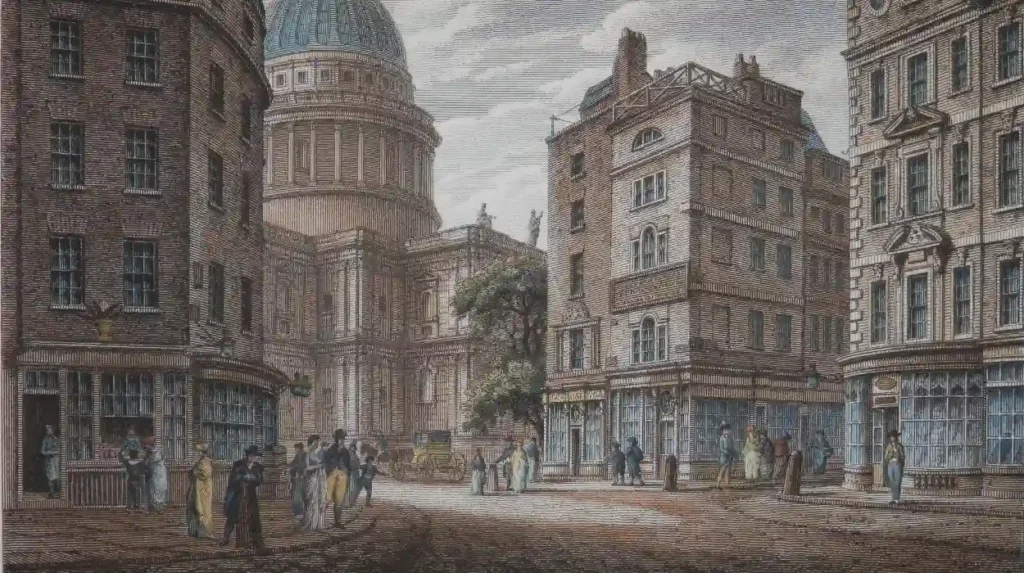
Cheapside became one of the most important medieval shopping streets. Located near St Paul’s Cathedral, it developed from the Old English word “chepe,” meaning market. Goldsmiths, drapers, and specialist traders established businesses along the route.
The City of London controlled many commercial activities through guilds. A guild was an association of craftsmen or merchants that regulated training, quality standards, and professional rights. The Worshipful Company of Goldsmiths became one of the influential organisations connected with medieval trade.
The medieval market system created the foundation for later retail development. Streets became associated with particular trades, and commercial identity became attached to specific locations.
The growth of London after the Tudor period increased demand for consumer goods. Population expansion, overseas trade, and royal investment transformed the city from a regional marketplace into an international trading centre.
Why did Covent Garden become a major London shopping area?
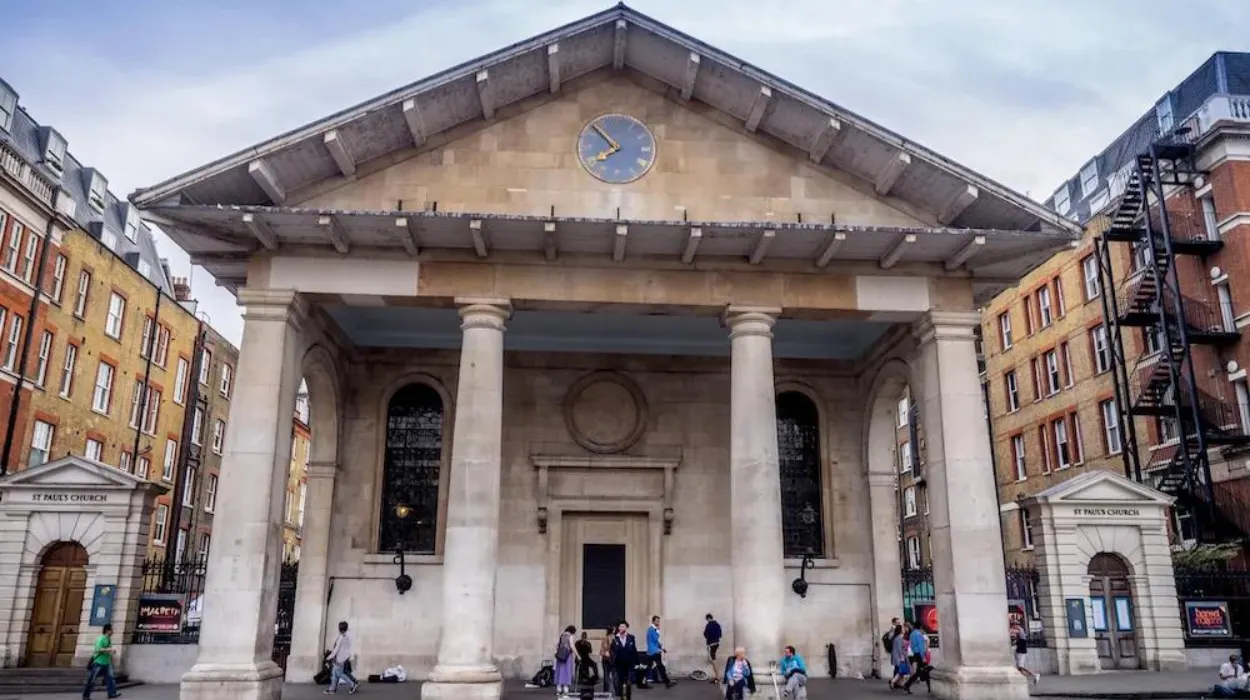
Covent Garden became a major London shopping area because it combined agricultural trade, planned urban development, entertainment, and fashionable commerce. The area evolved from a seventeenth-century market designed by Inigo Jones into a modern destination for retail, culture, and tourism.
Covent Garden began as land owned by the Westminster Abbey before becoming part of the Bedford Estate. In the early seventeenth century, the land was transformed from an open garden area into a planned residential and commercial space.
The architect Inigo Jones designed the central square during the 1630s. His work introduced classical architectural principles influenced by Italian Renaissance design. The square represented a shift from informal medieval development toward planned urban environments.
The Covent Garden Market opened as a formal fruit and vegetable market in 1830 after earlier informal trading activity. The market supplied food to London’s growing population during the nineteenth century.
The Victorian period changed Covent Garden’s role. Improved transport connections brought more customers, while theatres and entertainment venues increased visitor numbers. The area developed a connection between commerce, performance, and public leisure.
The original market building was restored during the twentieth century. In 1980, the market moved from Covent Garden to the Nine Elms area, and the historic market structure became a retail and hospitality destination.
Today, Covent Garden represents the preservation of historic commercial architecture. Its surviving buildings demonstrate how a working market environment can adapt to modern retail without losing its historical identity.
To experience this historic landmark in person today, consult our comprehensive [Best Shopping Streets Every Tourist Should Visit for Fashion, Gifts, and Local Finds] for itineraries and visiting parameters.
How did Regent Street transform London retail culture?
Regent Street transformed London retail culture through planned architecture, government-backed urban improvement, and fashionable commercial development. Created in the early nineteenth century, it introduced a prestigious shopping environment that influenced later retail streets across Britain and international cities.
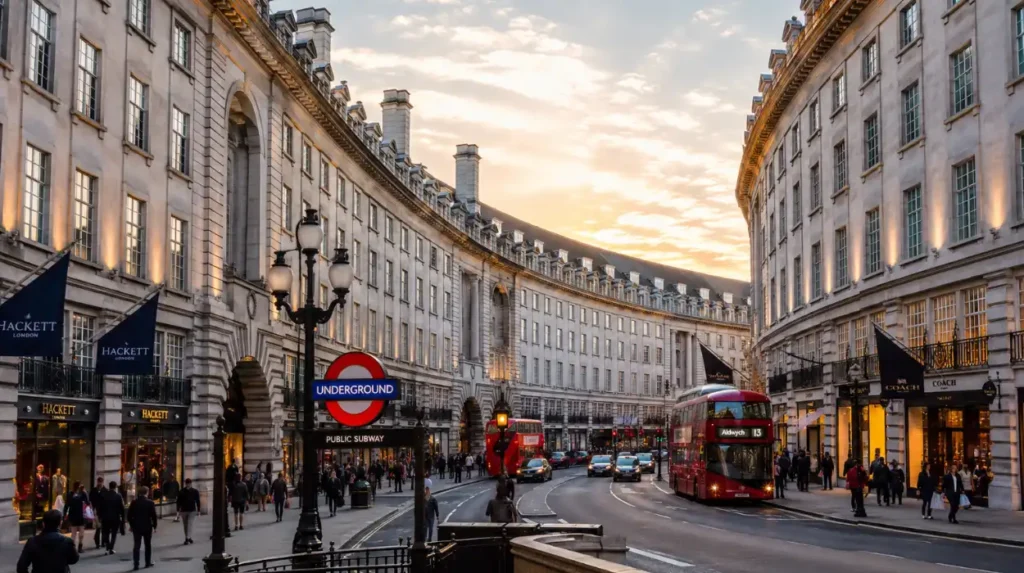
Regent Street was created during the Regency period, when London experienced major urban expansion. The street was designed as part of a redevelopment scheme led by the architect John Nash and supported by the Prince Regent, later George IV.
Construction began in 1811. The project connected Carlton House with Regent’s Park and created a major north-south route through central London.
Regent Street introduced a new retail model. Buildings were designed with coordinated architectural features, creating a unified streetscape. This approach differed from the irregular medieval street pattern found in parts of the City of London.
The street attracted luxury retailers, specialist sellers, and fashionable consumers. Its location, architecture, and connection to elite social life helped establish the idea of a prestigious shopping avenue.
During the nineteenth and twentieth centuries, Regent Street remained an important commercial location. The street became associated with department-style retail, fashion houses, and international brands.
Architectural preservation continues to shape Regent Street. Many buildings retain historic façades while accommodating modern retail use. This balance between conservation and commercial activity demonstrates London’s approach to protecting historic urban character.
Why did Oxford Street become one of the world’s most famous shopping streets?
Oxford Street became one of the world’s most famous shopping streets because of nineteenth-century population growth, improved transport access, department store development, and large-scale retail investment. The street evolved from a route outside medieval London into a major international shopping destination.
Oxford Street follows an ancient route that connected London with settlements west of the city. During the medieval period, the road was known as Tyburn Road and was located outside the main urban boundary.
The area changed significantly during the eighteenth and nineteenth centuries. London’s population increased from approximately 1 million people in 1801 to more than 6 million people by 1901, creating strong demand for consumer services.
The arrival of the Underground system supported commercial expansion. The first Underground railway opened in 1863 between Paddington and Farringdon. Later stations improved access to central shopping streets, including Oxford Street.
Department stores became a defining feature of Oxford Street. A department store is a large retail establishment offering different product categories within one building. Selfridges opened on Oxford Street in 1909 and introduced modern retail techniques, including customer-focused displays and promotional events.
The street became internationally recognised because it combined transport accessibility, commercial scale, and consumer culture. Visitors from Britain and overseas associated Oxford Street with fashion, seasonal shopping, and major retail brands.
Oxford Street remains a significant example of twentieth-century retail transformation. Its history shows how transport infrastructure and commercial architecture influence urban shopping patterns.
How did London’s shopping areas influence global retail development?
London’s shopping areas influenced global retail development by creating commercial models based on organised streets, luxury retail, department stores, and consumer experiences. Areas such as Bond Street, Harrods in Knightsbridge, and Oxford Street shaped international ideas about shopping, branding, and urban commerce.
London’s retail influence expanded during the British Empire period. The city became a centre for imported goods, financial activity, and international trade. The Port of London connected merchants with markets across continents.
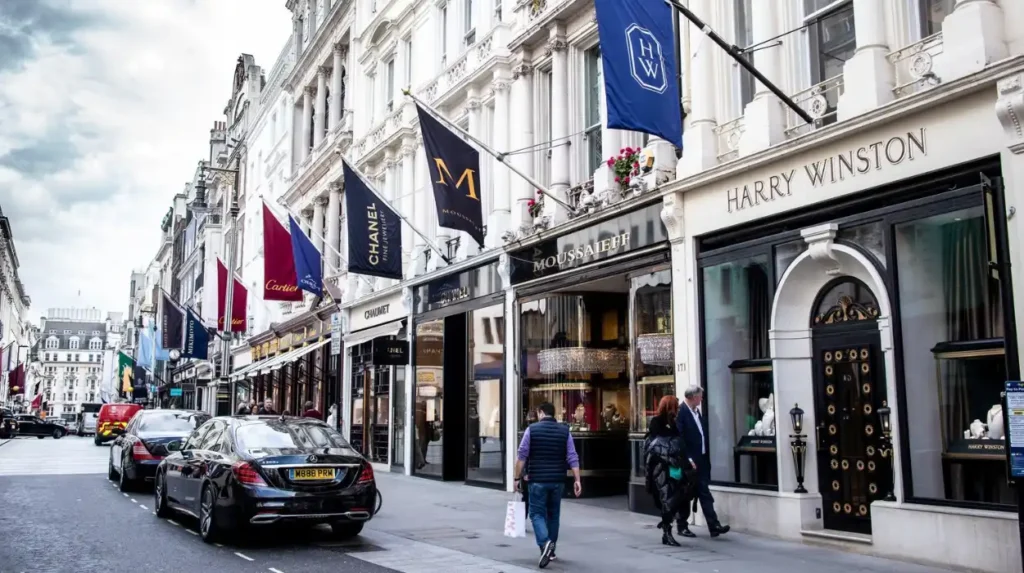
Bond Street developed as a luxury shopping location during the eighteenth century. It became associated with fine jewellery, art dealers, and high-value goods. The area helped establish London’s reputation as a centre for luxury consumption.
Knightsbridge became internationally recognised through institutions such as Harrods. Founded in 1849 by Charles Henry Harrod, Harrods expanded from a grocery business into a major department store.
London’s retail model influenced cities that developed planned commercial streets and luxury shopping areas. The concept of a destination shopping street became common in urban centres worldwide.
The city also influenced retail marketing. Window displays, seasonal campaigns, branded interiors, and customer service practices developed into recognised features of modern commerce.
Academic studies of urban history identify London as an example of how retail spaces reflect social change. Shopping streets reveal patterns of wealth, migration, technology, and architectural adaptation.
The global influence of London retail continues through tourism, fashion, design, and heritage conservation. Historic shopping streets remain important cultural assets as well as commercial locations.
How are London’s historic shopping districts preserved today?
London’s historic shopping districts are preserved through heritage protection, architectural conservation, adaptive reuse, and planning regulation. Historic areas such as Covent Garden, Regent Street, and parts of the City demonstrate how commercial spaces retain cultural value while supporting modern economic activity.
Heritage preservation in London involves government agencies, local authorities, property owners, and conservation organisations. The Historic England provides research and guidance for protecting significant buildings and places.
A listed building is a structure recognised for special architectural or historic interest under the Planning (Listed Buildings and Conservation Areas) Act 1990. Listed status controls changes that affect historic character.
Many retail areas use adaptive reuse. Adaptive reuse means changing the function of an existing building while retaining important historic features. Former markets, warehouses, and commercial buildings often receive new uses through this process.
The conservation of Covent Garden demonstrates adaptive reuse in practice. The former market structure now supports retail, dining, and cultural activity while maintaining its nineteenth-century architectural identity.
Regent Street provides another preservation example. The coordinated restoration of its buildings protects the original architectural vision while allowing contemporary businesses to operate.
London’s historic retail areas also support genealogical research. Commercial records, trade directories, and business archives provide evidence about past residents, occupations, and family connections. Institutions such as the London Metropolitan Archives preserve historical documents connected with London life.
The future relevance of these shopping areas extends beyond commerce. They represent records of urban development, social history, architectural practice, and economic change. Their preservation allows future researchers and visitors to study how London evolved across centuries.
London’s shopping districts remain examples of continuous urban adaptation. Their history demonstrates how markets, streets, buildings, and communities create a lasting connection between past commerce and present-day global retail culture.
Frequently Asked Question
What makes London’s historic shopping districts unique compared to other cities?
London’s historic shopping districts are unique because they combine centuries of commercial history with modern retail experiences. Areas such as Oxford Street, Covent Garden, Regent Street, Bond Street, and Knightsbridge have evolved from medieval markets and planned urban developments into internationally recognised shopping destinations. Their preserved architecture, cultural heritage, and continued commercial importance make them landmarks that reflect London’s economic, social, and architectural evolution while remaining vibrant centres for shopping and tourism.