Key Points
- The Conservative Party has won back control of Westminster Council with 32 seats to Labour’s 22 in a closely contested “knife edge” election.
- Conservative Westminster Group Leader Paul Swaddle, set to become the borough’s new leader, hailed the result as “fantastic”.
- Swaddle announced that one of the Tories’ early actions will be establishing a legal fund to challenge Mayor of London Sir Sadiq Khan’s Oxford Street pedestrianisation plans.
- Sir Sadiq Khan green-lit the pedestrianisation in February, with implementation expected by the end of summer 2026.
- The initial phase will make the street traffic-free from Orchard Street to Great Portland Street.
- City Hall documents specify a traffic ban starting in “summer 2026”, with a permanent design, potentially including al fresco dining areas, to be published by November 2027.
- The mayor’s ultimate vision is to pedestrianise the entire 1.2-mile Oxford Street, from Tottenham Court Road to Marble Arch.
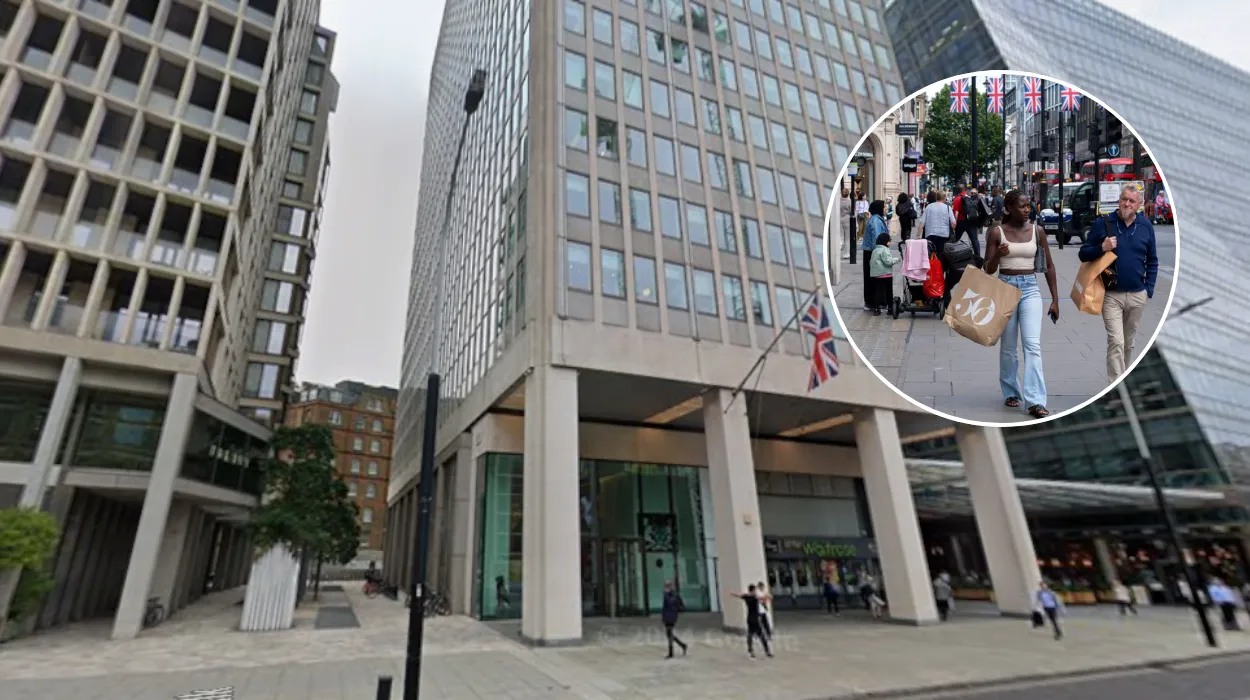
- Currently, Oxford Street is mostly car-free, allowing only buses and black taxis on most sections.
Westminster (Extra London News) May 11, 2026 – The Conservative Party has seized control of Westminster City Council from Labour in a dramatic local election upset, promptly vowing to launch a legal challenge against Mayor of London Sir Sadiq Khan’s flagship plan to pedestrianise Oxford Street. With 32 seats secured to Labour’s 22, the Tories described the victory as a “knife edge” triumph that restores their grip on the prestigious central London borough. Paul Swaddle, the Conservative Westminster Group Leader poised to lead the council, declared the outcome “fantastic” and outlined immediate plans to establish a legal fund targeting the mayor’s controversial scheme.
What triggered the Conservative victory in Westminster?
The local elections in Westminster unfolded amid intense political rivalry, culminating in a Conservative resurgence. As reported by Rachel Millard of the Local Democracy Reporting Service (LDRS), the Tories clinched 32 seats, overturning Labour’s previous hold with 22 seats in what multiple outlets dubbed a “knife edge” contest.
Paul Swaddle, speaking to the LDRS, encapsulated the mood: “fantastic”. This win marks a significant shift, handing the Conservatives authority over one of London’s most iconic areas, home to landmarks like Oxford Street.
Labour’s losses reflect broader voter discontent, though specific vote swings remain under scrutiny as counts finalised late into the night.
Coverage from the Westminster Chronicle emphasised the borough’s political volatility, noting that the result empowers the Tories to revisit policies imposed by the Labour mayor.
Who is Paul Swaddle and what are his plans as new council leader?
Paul Swaddle, the incoming Conservative Westminster Group Leader, wasted no time signalling his priorities. In an interview with the Local Democracy Reporting Service (LDRS), as covered by Rachel Millard, Swaddle revealed that among the Tories’ “early actions” upon taking the helm would be
“setting up a legal fund to fight the Mayor of London’s Oxford Street pedestrianisation plans”.
This pledge underscores the party’s commitment to opposing what they view as overreach from City Hall.
Swaddle’s leadership role positions him at the forefront of Westminster’s governance, overseeing a council that balances tourism, retail, and resident needs.
His “fantastic” assessment of the election, quoted across outlets like the Evening Standard, highlights internal Tory optimism following years in opposition.
What exactly is Sadiq Khan’s Oxford Street pedestrianisation scheme?
Sir Sadiq Khan authorised the Oxford Street revamp in February, with pedestrianisation slated to commence by the end of summer 2026.
According to City Hall documents signed by the mayor, as detailed in LDRS reporting by Rachel Millard, the central London shopping stretch will become traffic-free from Orchard Street to Great Portland Street initially.
The scheme’s timeline is precise: a full traffic ban in
“summer 2026”, followed by publication of a permanent design by November 2027. This layout may incorporate al fresco dining areas to boost the street’s vibrancy. Khan’s overarching ambition extends to the entire 1.2-mile artery, stretching from Tottenham Court Road at the eastern end to Marble Arch in the west.
Presently, Oxford Street operates as mostly car-free, restricting access to buses and black cabs along much of its length. The mayor’s office frames this as a long-term enhancement for pedestrians and shoppers, aligning with green urban initiatives.
Why are the Tories challenging the pedestrianisation legally?
The Conservative vow stems from their fresh mandate in Westminster, where Oxford Street resides. Paul Swaddle told the Local Democracy Reporting Service (LDRS), per Rachel Millard’s account, that the legal fund would directly contest Sir Sadiq Khan’s plans. Critics within Tory ranks argue the scheme disrupts vital traffic flows, burdens local businesses, and bypasses borough input.
As reported by the Westminster Chronicle, the challenge could hinge on procedural grounds, questioning City Hall’s authority over a street under council jurisdiction. Swaddle’s announcement positions the issue as a flashpoint between local control and mayoral ambition, potentially escalating to judicial review.
When will Oxford Street pedestrianisation take effect?
Implementation is targeted for summer 2026, with the initial ban from Orchard Street to Great Portland Street.
City Hall documents, authorised by Sir Sadiq Khan and cited in LDRS coverage by Rachel Millard, confirm the traffic prohibition begins then. A permanent design, possibly featuring outdoor dining, follows by November 2027.
This phased rollout allows time for infrastructure adjustments, though the Tory legal push threatens delays. The mayor’s team insists the project remains on track, with preparatory works underway.
How does the full vision for Oxford Street look?
Sir Sadiq Khan envisions total pedestrianisation across the 1.2-mile expanse from Tottenham Court Road to Marble Arch. Initial changes focus on a key segment, but expansion aims to create a seamless car-free zone.
Currently, buses and black taxis ply most of the street, preserving some access amid existing restrictions.
As per City Hall filings referenced in multiple reports, including the Evening Standard, al fresco dining and enhanced public spaces could define the new layout by late 2027. Proponents highlight boosted footfall and reduced pollution; detractors, like the Westminster Tories, warn of congestion spillover.
What is the current state of traffic on Oxford Street?
Oxford Street is already largely pedestrian-oriented, barring buses and black taxis from most sections. This baseline supports Khan’s ambitions, minimising disruption from full closure. LDRS reporting by Rachel Millard notes these exemptions will likely persist or adapt under the new plans.
The street’s partial car-free status stems from prior trials, handling millions of shoppers annually. Full pedestrianisation seeks to amplify this, though Westminster’s Conservative leadership now contests its scope.
What broader implications does the Westminster win hold?
The Tory victory reverberates beyond Oxford Street, restoring party influence in a council pivotal to London’s economy. Controlling 32 seats against Labour’s 22 equips them to influence planning, housing, and transport. Paul Swaddle’s legal fund signals a combative stance against City Hall, potentially inspiring similar challenges elsewhere.
Labour’s 22 seats ensure scrutiny, but the “knife edge” dynamic underscores Westminster’s swing status. As the Evening Standard observed, this outcome tests the balance between borough autonomy and mayoral directives, with Oxford Street as ground zero.
How have stakeholders reacted to the election and plans?
Paul Swaddle’s “fantastic” verdict, relayed via LDRS by Rachel Millard, captures Tory elation. Sir Sadiq Khan’s office has not yet commented on the legal threat, though February’s green light persists. Business groups remain divided: some back pedestrianisation for vibrancy, others fear delivery logjams.
Westminster residents, per local polls cited in the Westminster Chronicle, prioritise traffic management. The legal fund’s creation marks a proactive Tory agenda, framing the fight as defending local democracy.