Key Points
- Potential Council Tax Surge: Council tax could double for residents in Westminster to shield frontline public services from severe cuts.
- Massive Funding Deficit: The local authority faces a dramatic halving of its annual central government grant, falling from £219 million down to £119 million by 2029-30.
- Fair Funding Fallout: The financial crisis stems from a central government “fair funding” review that redirected crucial financial allocations to more deprived regions of the UK.
- Special Intervention Powers: Westminster is one of six wealthy local authorities granted temporary, two-year “funding realignment powers,” allowing them to lift local tax limits past the standard 5 per cent cap.
- Historical Tax Freezes: The potential hike marks a major turning point after a prior Labour-led administration voted earlier in 2026 to freeze its core portion of council tax for the 2026/27 cycle.
- Public Consultation Scheduled: Local residents will be consulted throughout the summer of 2026 regarding service priorities and their tolerance for substantially increased bills.
- National Funding Crisis: The Local Government Association (LGA) has warned of a wider £7 billion national funding black hole squeezing English councils over the next three financial years.
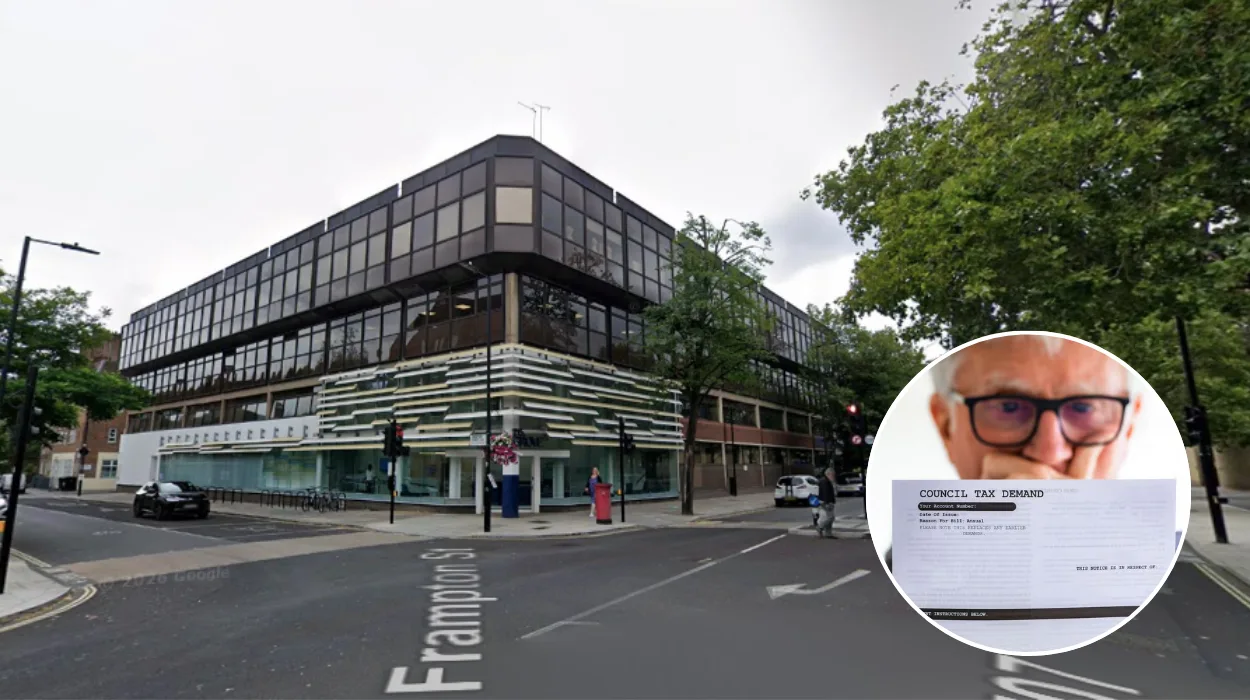
London (Extra London News) July 4, 2026 – Council tax bills could double in a affluent central London borough to protect vital local services following a dramatic overhaul of central government financial allocations, town hall chiefs have warned. Westminster City Council revealed it is confronting an unprecedented financial shortfall after an official “fair funding” review systematically redirected resources away from the capital to more deprived communities across the country. The policy shift is projected to slash the borough’s annual central government grant by £100 million, cutting it from £219 million to just £119 million by the 2029-30 fiscal cycle.
- Key Points
- Why Is Westminster Facing Such A Massive Funding Cut?
- What Does This Mean For Local Council Tax Bills?
- How Have Council Leadership Responded To The Crisis?
- How Do Political Opponents View The Funding Changes?
- Which Other Councils Are Affected By The Policy Shift?
- Is This Part Of A Wider National Local Government Crisis?
To bridge this severe revenue gap, ministers have quietly granted Westminster City Council and five other local authorities specialized, two-year “funding realignment powers.” This mechanism allows these specific administrative bodies to bypass the standard national 5 per cent council tax increase threshold without triggering an expensive local referendum. The administration has explicitly signaled that the move reflects a clear central government expectation that the local council must aggressively increase taxes on local households to maintain its statutory obligations and prevent immediate service rollbacks.
Why Is Westminster Facing Such A Massive Funding Cut?
The structural roots of Westminster’s fiscal strain stem from a comprehensive reassessment of how central government funds are distributed across the United Kingdom. As reported by Jonathan Bunn, Press Association Political Reporter for MyLondon, the “fair funding” review implemented an updated distribution formula designed to funnel resources preferentially toward historically underfunded and economically depressed regions outside of London.
The immediate financial impact on the local municipality is sharp. By removing £100 million from the annual baseline allocation over the next few years, the central government has removed a cornerstone of the council’s historical operating revenue. Representatives for Westminster argue that while the national formula looks at high-level indicators of localized wealth, it completely misses the hidden, complex socio-economic realities within the boundary lines of Zone 1.
The Conservative administration, which recently reclaimed outright political control of Westminster City Council during the May local elections by securing 32 out of 54 seats, has vociferously contested the metrics utilized in the government’s review. As reported by Jonathan Bunn of MyLondon, the newly elected Tory leadership has argued that the revised calculations systematically overlook distinct operational burdens unique to central London. These include high pockets of localized urban poverty, extreme localized social challenges, and the immense daily strain put onto public infrastructure and municipal sanitation teams by an estimated one million daily commuters and tourists visiting the West End.
What Does This Mean For Local Council Tax Bills?
Westminster has historically maintained some of the lowest average municipal tax rates anywhere in the United Kingdom. Currently, a standard Band D residential property inside the borough is charged just £1,047 per year in council tax, subsidized heavily by an immense commercial tax base. The borough collects more than £2.5 billion annually in business rates, though the vast majority of those commercial funds are pooled nationally rather than kept entirely for local residential services.
The potential changes represent a drastic shift away from the borough’s historical tax strategy. Earlier this year, a then Labour-led administration had voted to freeze the core portion of Westminster’s share of council tax for the 2026/27 financial year. While that vote successfully shielded residents from a direct core hike in the short term, the authority was still forced to implement a ring-fenced 2 per cent increase via the adult social care precept to deal with rising care costs for elderly and vulnerable residents.
With the central funding framework now permanently altered, the new leadership insists that previous models of tax freezes are entirely unsustainable. The council announced it will launch an extensive public consultation process over the summer months of 2026. This exercise will explicitly ask local households to identify which specific public services they value most, while directly gauging their willingness to absorb significantly larger annual bills to preserve them.
How Have Council Leadership Responded To The Crisis?
Political figures within the town hall have been blunt about the gravity of the choices ahead. As reported by Jonathan Bunn of MyLondon, Westminster Cabinet Member Paul Fisher stated that:
“The Government assumes we are now going to put up council tax by 75–100 per cent to make up our immediate budget shortfall. Whilst we have not yet settled on council tax levels for next year, this new financial climate is unprecedented and presents us with stark and very tough choices ahead where there are no easy options.”
Cabinet Member Fisher further emphasized that typical cost-saving measures and back-office restructuring would be wholly inadequate to address a deficit of this scale. He noted that even “extensive efficiencies and transformation plans” would completely fail to cover the widening shortfall over the coming multi-year layout.
Defending the council’s financial track record, Paul Fisher added via MyLondon:
“Whilst we will continue to fight for Westminster residents and take our case to the Government, we bridge the gap by being honest that there is no easy option here and no horizon in which we do not have to make savings. We charge the second lowest council tax in the country, provide cost efficient services and collect more than £2.5 billion in business rates – yet we are effectively being forced into making huge savings, with likely cuts and expected council tax increases. Even if we doubled our council tax, we would still be one of the lowest in London and the country.”
How Do Political Opponents View The Funding Changes?
The reallocation of central grants has drawn a sharp divide between representatives of the major political parties, reflecting broader national debates over geographic equity and public spending. While the local Conservative leadership views the funding cut as an unfair penalty on a well-run urban center, defenders of the broader macroeconomic strategy maintain that the rebalancing is long overdue.
As reported by Jonathan Bunn of MyLondon, an anonymous Labour source countered the council’s narrative by defending the baseline philosophy of the national grant adjustments, stating that:
“The fair funding formula is about directing money to the areas in Britain’s most deprived communities around the entire country. I don’t think even Westminster council would think that they are top of that particular list.”
This counter-argument highlights the political tension underpinning the mechanism. Proponents of the formula argue that wealthier London authorities possess a massive commercial base and property values that allow them greater resilience and alternative self-funding options compared to economically depressed industrial towns or isolated rural councils that lack significant independent revenue-generating capacity.
Explore more Westminster News:
Westminster Seizes Dangerously Parked E-Bikes in Central London 2026
Andy Burnham Whitehall Job Cuts: London Devolution Row 2026
Which Other Councils Are Affected By The Policy Shift?
Westminster is not alone in navigating this altered fiscal landscape. The central government’s funding realignment initiative has targeted several wealthy authorities, primarily concentrated within the capital and its surrounding commuter belts, where property values are high but central dependencies are being rolled back.
As reported by Jonathan Bunn of MyLondon, a total of five other local authorities have been granted the identical two-year “funding realignment powers” to help absorb their respective grant reductions. These specific councils are:
- The City of London Corporation
- The London Borough of Hammersmith and Fulham
- The Royal Borough of Kensington and Chelsea
- Wandsworth Council
- The Royal Borough of Windsor & Maidenhead
Additionally, an additional seven local authorities across England have been granted distinct, tailored permissions to raise their local council tax rates to specific elevated levels. This indicates that the deployment of localized tax hikes is becoming the primary tool used by central government to stabilize municipal ledgers without increasing the national tax burden.
Is This Part Of A Wider National Local Government Crisis?
The financial emergency unfolding within Westminster is an acute symptom of a systemic crisis threatening local government stability across the nation. While Westminster is using its unique tax flexibility to avoid insolvency, many other councils lack a wealthy tax base to tap into, leaving them vulnerable to severe structural deficits.
According to data published by MyLondon via the Local Government Association (LGA), local authorities across England are facing a combined, catastrophic £7 billion funding black hole expected to manifest fully within the next three years. The LGA has pointed out that this multi-billion-pound shortfall represents a sum greater than the entire current annual expenditure allocated by all English councils combined for critical infrastructure, including roads, public transport networks, homelessness support initiatives, and local housing services.
With inflation, escalating social care demands, and statutory temporary accommodation costs placing unprecedented pressure on municipal balance sheets, sector analysts warn that without a fundamental stabilization of central funding, more councils will be forced to choose between doubling taxes or drastically reducing their services to a bare legal minimum.