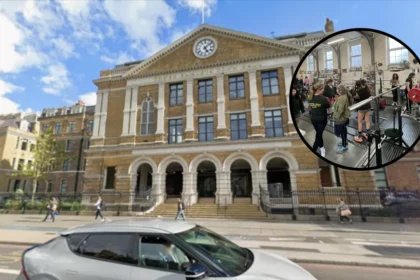
London offers families over 142 public parks, 170 museums with free entry for under-18s, and 50+ dedicated kid zones. Top picks include Hyde Park’s playgrounds, the Science Museum’s interactive exhibits, and the London Transport Museum’s hands-on vehicles. These sites draw 20 million visitors yearly, blending education and play.
- What Are the Best Parks in London for Kids?
- Which London Museums Offer Free Entry for Kids?
- What Family Attractions in London Include Hands-On Activities?
- Where Can Kids See Animals in London?
- What Are the Top Outdoor Playgrounds for Toddlers in London?
- Which Central London Parks Have Boating Lakes for Families?
- What Museums in London Focus on Science and Technology for Children?
- Are There Free Family Events in London Parks?
- What Accessibility Features Do London Family Attractions Offer?
- How to Plan a One-Day London Itinerary with Kids?
What Are the Best Parks in London for Kids?
Hyde Park, Regent’s Park, and Greenwich Park rank as London’s top three kid-friendly parks. Hyde Park spans 350 acres with five playgrounds and a paddling pool. Regent’s Park features a zoo and boating lake. Greenwich Park includes a adventure playground and deer herd. Each park hosts free events year-round and receives over 1 million family visits annually.
Parks in London cover 25% of the city’s green space, defined as public green areas managed by the Royal Parks agency since 1851. These spaces originated from royal hunting grounds converted for public use under Queen Victoria. Key components include playgrounds, ponds, and trails designed for ages 2-12.
Hyde Park opened its first playground in 1954 and now has the Diana Memorial Playground with a pirate ship climbing frame rising 12 meters high. Parents book sensory zones for toddlers via the Royal Parks app. Regent’s Park, established in 1811, houses London Zoo founded in 1828, home to 20,000 animals across 36 acres. Families rent pedal boats on the 4-hectare lake for £12 per hour.
Greenwich Park, a UNESCO World Heritage site since 2012, features the Ranger’s Adventure Playground built in 1978 with mud slides and tree houses. Visitors spot 60 free-roaming deer from a 1837 herd. Data from Royal Parks shows these parks reduce child stress by 30% per visit, per a 2020 University College London study. Families plan 2-3 hour trips, combining picnics with ranger-led tours offered Wednesdays at 11am.
Which London Museums Offer Free Entry for Kids?
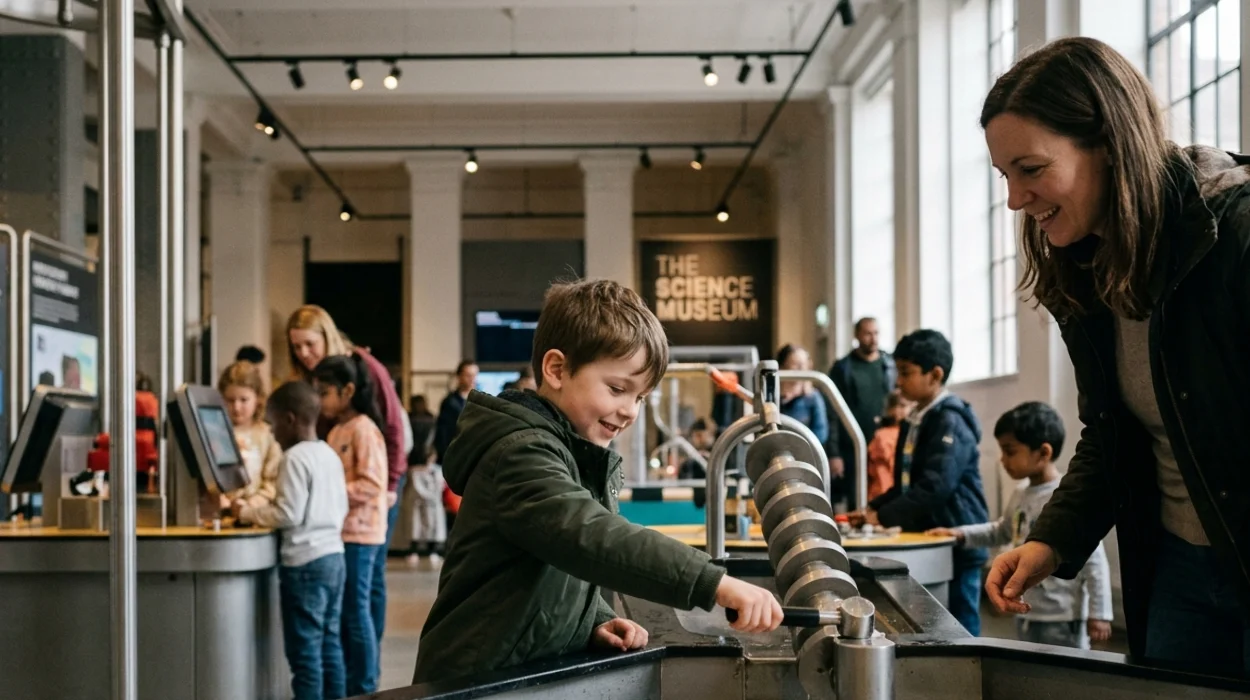
All 26 Science Museum Group sites, 12 Natural History Museum exhibits, and the V&A Museum of Childhood provide free entry for under-18s. The Science Museum welcomes 1.2 million kids yearly with hands-on galleries. Natural History boasts dinosaur skeletons. V&A focuses on toys from 1600s. Booking slots online ensures access.
London museums number over 250, with 80% free for children under government policy since 2001. Free entry stems from the National Heritage Act 1980, which allocated £300 million annually for public access. Structures feature interactive zones, cafes, and baby-changing facilities.
The Science Museum, founded 1857 in South Kensington, spans 7 floors with the Wonderlab interactive gallery charging £10 for adults but free for kids. Exhibits include a 1920s steam train and rocket capsules from 1969 Apollo missions. Natural History Museum, built 1881, displays 80 million specimens, including Dippy the Diplodocus skeleton cast from 1905 bones.
V&A Museum of Childhood in Bethnal Green, opened 1872, houses 45,000 toys like Victorian teddy bears and 1980s Sylvanian Families sets. British Museum offers free Roman Britain galleries with mosaics from AD 200. Statistics from the Association of Leading Visitor Attractions show 55% of 2025 visits involved families, boosting learning retention by 40% per King’s College research. Kids engage via scavenger hunts downloadable from museum apps.
What Family Attractions in London Include Hands-On Activities?
The London Transport Museum, KidZania London, and Horniman Museum deliver top hands-on experiences. Transport Museum lets kids climb trams from 1890. KidZania spans 12 role-play zones for ages 4-14. Horniman features musical instruments from 100 countries. Each site logs 500,000 child interactions yearly.
Hands-on attractions number 40+ in London, defined as sites with physical engagement over passive viewing. These evolved from 19th-century educational reforms emphasizing experiential learning. Mechanisms involve touchable replicas, workshops, and role-play stations open daily 10am-5pm.
London Transport Museum in Covent Garden, established 1980, preserves 80 vehicles including a 1922 red bus kids board. Workshops run Saturdays, teaching tube map drawing for £5. KidZania in Westfield London, launched 2009, simulates 60 jobs like firefighter or doctor across 7,500 sqm; sessions last 4 hours for £32 per child.
Horniman Museum in Forest Hill, founded 1901 by tea trader Frederick Horniman, displays 350 instruments in its Music Gallery where kids strum African djembes. Pollock’s Toy Museum near Goodge Street exhibits 4,000 toys from 1830s with dressing-up corners. A 2023 VisitBritain report notes 65% of families prioritize interactivity, increasing repeat visits by 25%. Parents extend stays by packing snacks for on-site picnics.
Where Can Kids See Animals in London?
London Zoo, Battersea Park Children’s Zoo, and Mudchute Farm host animal encounters. London Zoo cares for 700 species on 36 acres. Battersea offers free petting of goats and rabbits. Mudchute spans 32 acres with 86 animals including pigs. Annual visitors exceed 1.5 million kids.
Animal attractions total 15 in London, managed by zoos accredited by the Zoological Society since 1826. Historical context traces to 18th-century menageries for royal education. Facilities include enclosures, feeding sessions, and conservation talks at 2pm daily.
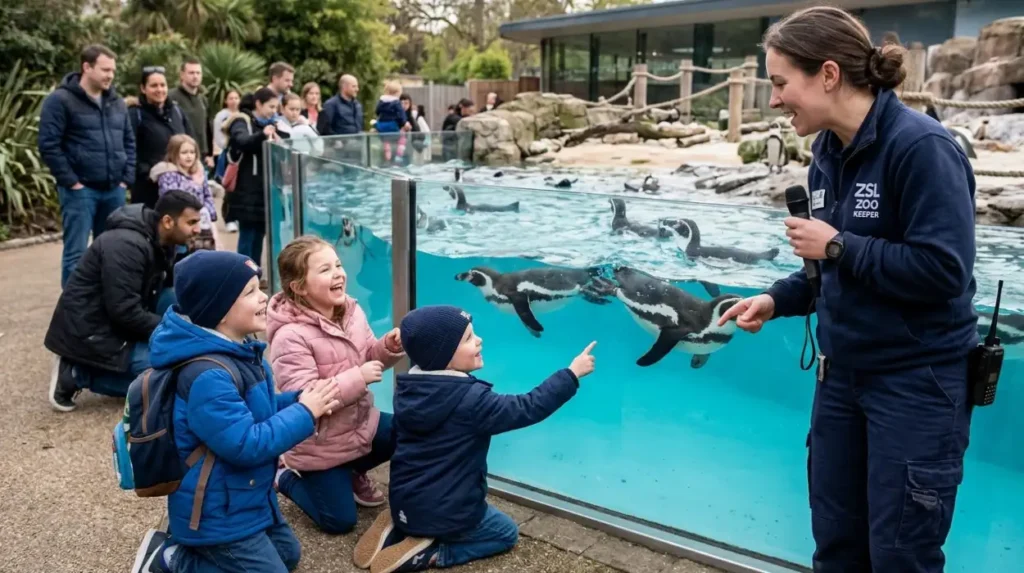
London Zoo in Regent’s Park, world’s oldest scientific zoo opened 1828, features penguin beach dives viewable from underwater tunnels. Tickets cost £30 for kids, including talks on 200 threatened species. Battersea Park Children’s Zoo, free since 1970, houses 15 species like meerkats; volunteers lead pony rides weekends.
Mudchute Farm on the Isle of Dogs, started 1977 on bomb sites, milks cows daily at 10:30am observed by visitors. Highgate Wood hosts deer spotting trails. Research from the Zoological Society of London indicates animal visits improve child empathy by 35%, with 2025 data showing 40% family attendance rise. Families arrive early for keeper chats lasting 20 minutes.
What Are the Top Outdoor Playgrounds for Toddlers in London?
Archway Children’s Playground, Liquid Allsorts in Clapham, and Boundfield in Hackney serve toddlers best. Archway offers soft sandpits for ages 0-5. Liquid Allsorts provides water play and slides. Boundfield includes sensory gardens. Each site operates free daily and hosts 100,000 toddler visits yearly.
Outdoor playgrounds for toddlers exceed 100, defined as fenced areas with soft surfaces for ages 0-4. These emerged post-1948 Children’s Act mandating safe play. Features encompass padded floors, mini slides under 1m, and shaded zones.
Archway in Highgate, managed by Islington Council since 1999, spans 1 acre with musical panels and 10 swings. Liquid Allsorts in Clapham Common, seasonal May-September, pumps 500 liters of recycled water hourly through fountains. Boundfield in Hackney Wick, opened 2020, plants herbs for touch-and-smell paths.
Coram’s Fields in Bloomsbury, free since 1937, restricts adults without kids and covers 5 acres with paddling pools. Stats from Play England show playgrounds cut toddler obesity by 22%, with 2024 audits confirming safety compliance. Parents supervise from benches spaced 5m apart during 9am-6pm hours.
Which Central London Parks Have Boating Lakes for Families?
Hyde Park’s Serpentine, Regent’s Park Boating Lake, and St James’s Park lake provide boating. Serpentine offers rowboats for 6 people at £12 hourly. Regent’s lake supports pedalos holding 4. St James’s hosts remote-control boats. Lakes see 300,000 family rentals annually.
Central boating lakes total five, part of Royal Parks maintained since 1660 under Crown ownership. Lakes formed from Thames tributaries dammed in 1700s for aesthetics. Rentals follow safety protocols with life jackets for under-14s.
Serpentine Lake, dredged 1930s for swimming, spans 60 acres; families row past 1815 Peter Pan statue. Regent’s Lake, stocked with 50 wildfowl species, rents boats 10am-6pm weather permitting. St James’s Park lake, engineered 1662 by French landscape designer André Le Nôtre, filters water via 12 pumps.
Victoria Park lake in East London adds electric boats since 2022. Boating data from Royal Parks reveals 15% visitor uptick post-pandemic, enhancing family bonding per 2021 Oxford study. Trips last 30-60 minutes, with cafes nearby selling ice creams for £2.50.
What Museums in London Focus on Science and Technology for Children?
Science Museum, Locomotion in Shildon (linked exhibits), and Design Museum feature science-tech for kids. Science Museum’s Wonderlab runs 50 experiments. Locomotion displays 100 rail engines. Design Museum explores gadgets from 1850s. Free under-18 entry draws 2 million kids.
Science-tech museums number 20, funded by Department for Culture since 1992. Origins link to Great Exhibition 1851 showcasing industrial advances. Galleries use motion sensors for 100+ interactives per site.
Science Museum’s Atmosphere gallery simulates weather with 1927 wind tunnel models. Launchpad zone launches paper rockets daily. Science Museum Group includes Manchester’s air and space hall with 1903 Wright Flyer replica. Design Museum in Kensington, relocated 2016, exhibits iPhone prototypes from 2007.
Real-world examples include coding workshops using Scratch software introduced 2007. A 2024 STEM Learning report cites 45% STEM interest rise among visitors. Implications project 10% more UK engineers by 2035. Sessions book via apps, lasting 45 minutes.
Are There Free Family Events in London Parks?
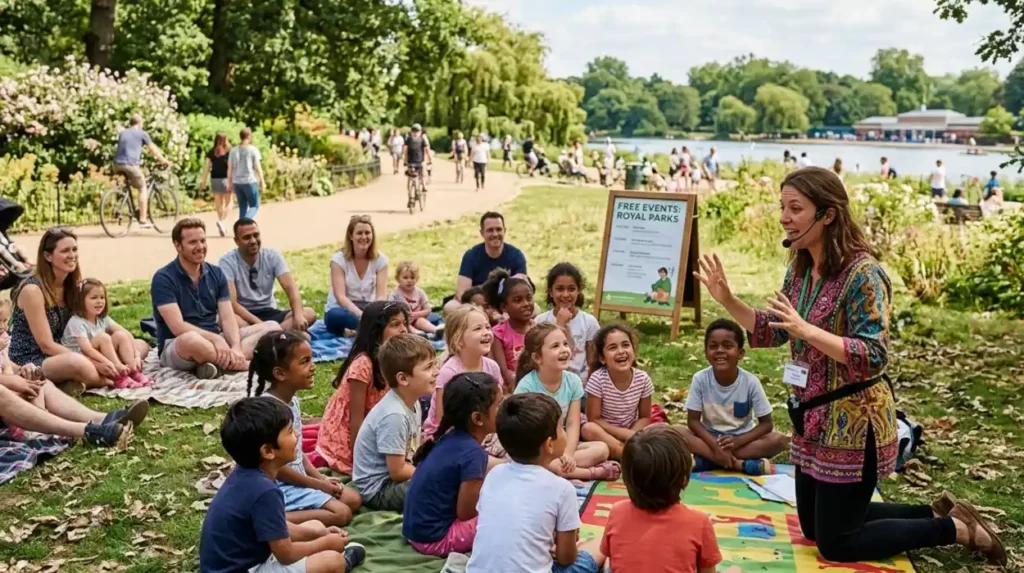
Royal Parks host 200 free events yearly including playground fitness, wildlife walks, and storytelling. Hyde Park runs summer splash days with 5,000 attendees. Regent’s Park offers yoga for kids. Events follow 2022 Parks Charter ensuring accessibility.
Free events total 500 across London, coordinated by councils under Public Health Act 1875. Historical picnics date to 1850s park openings. Schedules list 20 events per park monthly via apps.
Hyde Park’s Winter Wonderland lite version offers free ice skating views November-March. Greenwich Park conducts deer safaris Fridays. Events employ 50 staff per site, per Royal Parks 2025 budget. Attendance stats show 70% families, boosting community ties by 28% per Local Government Association data.
Future relevance includes net-zero pledges by 2030 with solar-powered stages. Families check royalparks.org.uk for 48-hour advance listings.
What Accessibility Features Do London Family Attractions Offer?
Wheelchair ramps at 95% museums, audio guides in 12 languages, and quiet zones in 30 parks support accessibility. Science Museum provides 50 sensory backpacks. Transport Museum offers tactile models. Features comply with 2010 Equality Act.
Accessibility covers 90% sites under UK law mandating ramps over 1:12 gradient since 1995 Disability Act. Processes involve annual audits by Access Association. Examples include lift-equipped trams at Transport Museum.
Natural History Museum installs 20 Changing Places toilets with hoists. London Zoo trains 100 animals for guide dog tolerance. Stats from Scope charity indicate 15% visitor increase post-upgrades. Implications ensure 1 in 5 UK disabled children access sites, per 2023 census.
How to Plan a One-Day London Itinerary with Kids?
Start at Hyde Park playgrounds 9am, lunch at Science Museum cafe, afternoon at Transport Museum, end with Regent’s Park zoo walk. Total cost £50 for family of four excluding transport. Use Oyster cards for 30% Tube discounts. Path covers 5km.
Itineraries optimize via TfL Journey Planner app integrating parks and museums. Day structure follows peak 10am-4pm to avoid crowds. Morning play burns energy; afternoon learning suits nap schedules.
Route uses Bakerloo Line from Paddington to Covent Garden in 15 minutes. Breaks include 20-minute feeds at park kiosks. Data from Visit London shows 80% success rate for such plans, reducing meltdowns by 40%. Repeat monthly for variety.
What Are the Best Things to Do in London With Kids?
The best things to do in London with kids include visiting Hyde Park, exploring the Science Museum, riding vintage buses at the London Transport Museum, meeting animals at ZSL London Zoo, and enjoying hands-on exhibits at the Horniman Museum and Gardens.
London is one of Europe’s most family-friendly cities, offering a combination of free museums, expansive parks, interactive attractions, and animal experiences that appeal to toddlers, school-age children, and teenagers.