Key Points
- Project Paused: Construction on Shoreditch Parkside, the final phase of the £154 million Britannia Project in Hackney, has ground to a halt.
- Contractor Insolvency: Lead contractor Ardmore Construction fell into administration following a critical High Court ruling.
- Cladding Liability: The High Court found multiple companies within the Ardmore Group liable for historic claims regarding cladding safety, triggering the financial collapse.
- Housing Impact: The pause leaves 371 planned homes in limbo, which includes 290 properties for outright sale, 51 for social rent, and 30 for shared ownership.
- Council Intervention: Hackney Council has confirmed it is actively establishing contingency plans to finish the development and safeguard the delivery of affordable housing.
- Unbuilt Units: None of the residential properties have been completed, and no social tenancies have been allocated yet.
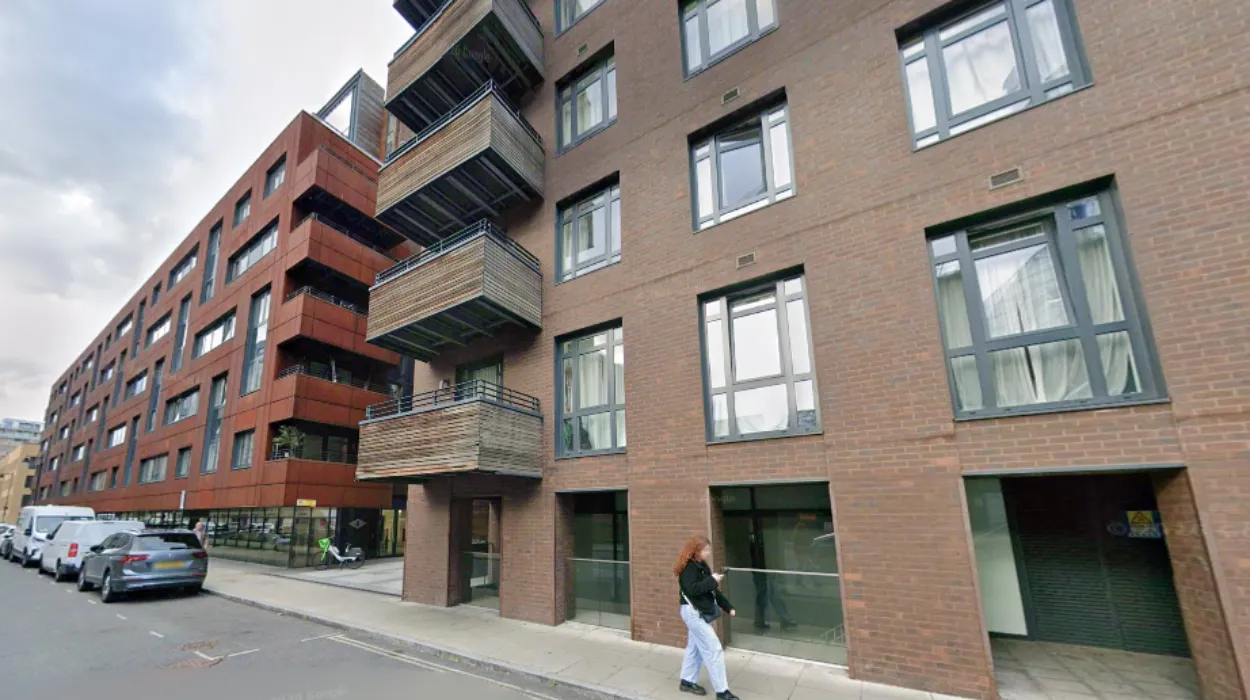
Hackney (Extra London News) June 20, 2026 – A major housing regeneration scheme in East London has been thrown into disarray after its primary building contractor collapsed into administration, leaving the construction of 371 new homes suspended indefinitely. Hackney Council announced that work on Shoreditch Parkside, the final stage of the expansive £154 million Britannia Project, was officially paused following a High Court decision that severely impacted the contractor’s financial viability. The local authority is now scrambling to assemble contingency measures to rescue the development and ensure the delivery of urgently needed social and affordable housing.
The sudden halt follows a turbulent week for the project’s lead builder, Ardmore Construction. The company appointed administrators after the High Court ruled against various entities within the Ardmore Group, finding them liable for substantial historic claims tied to cladding safety. While municipal officials clarified that the litigation itself had no operational connection to the ongoing works at the Shoreditch site, the resulting insolvency inevitably paralyzed the firm’s day-to-day building operations, stranding one of the borough’s flagship residential blueprints.
Why Has the Shoreditch Parkside Project Been Put on Hold?
The suspension of the Shoreditch Parkside development stems directly from the sudden financial collapse of Ardmore Construction, the principal contractor appointed by the local authority to oversee the final phase of the site. As reported by Ruby Gregory of the Local Democracy Reporting Service (LDRS), Hackney Council disclosed that construction operations had to be frozen as the corporate entity faced imminent insolvency.
The structural halt marks a significant setback for the wider Britannia Project, an ambitious £154 million municipal intervention designed to modernise public infrastructure and maximize residential capacity in the heart of Shoreditch. With the primary builder legally incapable of fulfilling its contractual obligations, the site has been secured, and heavy machinery remains silent while municipal planners evaluate the legal and financial wreckage left behind by the firm’s abrupt exit.
What Triggered the Administration of Ardmore Construction?
The downfall of the building firm was precipitated by a decisive legal defeat in the senior judiciary. According to reporting by Ruby Gregory of MyLondon, Ardmore Construction officially appointed administrators after a High Court ruling found multiple companies within the wider Ardmore Group legally and financially liable for historic claims surrounding cladding safety.
The judicial scrutiny focused on legacy building projects executed by the group, where materials used on building facades were deemed non-compliant with evolving safety standards. The financial scale of these historic liabilities ultimately overwhelmed the group’s balance sheets. Although Hackney Council emphasized that the High Court case did not involve or relate to any of the design metrics or materials used in the Britannia Project, the systemic impact of the verdict across the Ardmore Group effectively starved the subsidiary contractor of the liquidity needed to remain a going concern.
Explore more Hackney News:
Moro Owners Close Critically Acclaimed Morito Restaurant: Hackney 2026
Hackney Office Ritual Sacrifice Investigation: Live Goat Dragged Inside, London 2026
How Many Homes Are Affected by the Construction Halt?
The paralysis at Shoreditch Parkside leaves a substantial volume of local housing inventory in a state of prolonged uncertainty. As documented by the Local Democracy Reporting Service (LDRS), the final stage of the development is slated to deliver four brand-new buildings containing an aggregate of 371 homes. The master plan was heavily reliant on a cross-subsidy model, utilizing private market sales to fund public sector housing assets.
The breakdown of the affected residential units comprises:
- Outright Sale: 290 properties designed for the private market to generate internal revenue.
- Social Rent: 51 units dedicated to low-income households managed by the local authority.
- Shared Ownership: 30 properties aimed at helping first-time buyers enter the property market.
In an explicit confirmation provided directly to journalists at the LDRS, Hackney Council officials confirmed that none of these 371 properties have yet been built, meaning the project has been caught at a highly vulnerable, early phase of vertical assembly. Furthermore, the local authority stated that no social tenancies have been allocated so far, sparing local housing applicants from immediate displacement, though delaying their long-term prospects of securing stable accommodation.
How is Hackney Council Responding to the Contractor’s Collapse?
Faced with a vacant construction site and a bankrupt partner, executive leadership at the Town Hall has transitioned into emergency management. In an official statement broadcast by Hackney Council and relayed via regional media, the local authority announced that it was aggressively “working on contingency plans to get the new homes completed as soon as possible in the event of any insolvency”.
The council’s immediate priority centers on minimizing asset degradation at the Shoreditch site while navigating the complex procurement laws required to appoint a replacement builder. Legal teams are currently reviewing the contractual bonds tied to the Ardmore Group to extract financial protections that can offset the costs of hiring a new firm.
Recognizing the widespread anxiety the corporate failure has induced among future residents, supply chain sub-contractors, and local taxpayers, the municipal leadership issued a public reassessment of their institutional goals. In a statement published by MyLondon, Hackney Council noted: “We appreciate that this is a difficult time for all stakeholders in the project, and are committed to completing the development as soon as possible, including the 51 social rent homes.”
What is the Broader Scope of the Britannia Project?
What Has Been Delivered in the Earlier Phases?
The Britannia Project represents one of the most comprehensive council-led brownfield developments in recent East London history. Prior to the collapse of the final residential phase, the master plan had achieved several notable milestones, including the completion of a state-of-the-art leisure centre and extensive upgrades to local education facilities. These early achievements were delivered to replace aging post-war municipal infrastructure that had become economically unviable to maintain.
Why is the Shoreditch Parkside Phase So Critical?
Shoreditch Parkside was designed to be the economic linchpin of the entire regeneration drive. By leveraging the high land values of Shoreditch through the creation of 290 market-sale apartments, the borough aimed to completely self-fund the 51 social rent homes and 30 shared ownership units without relying entirely on central government grants. With the market-sale element now stalled, the financial equilibrium of the council’s housing investment portfolio faces severe structural pressure, highlighting the inherent risks of municipal development strategies reliant on private property markets.