Key Points
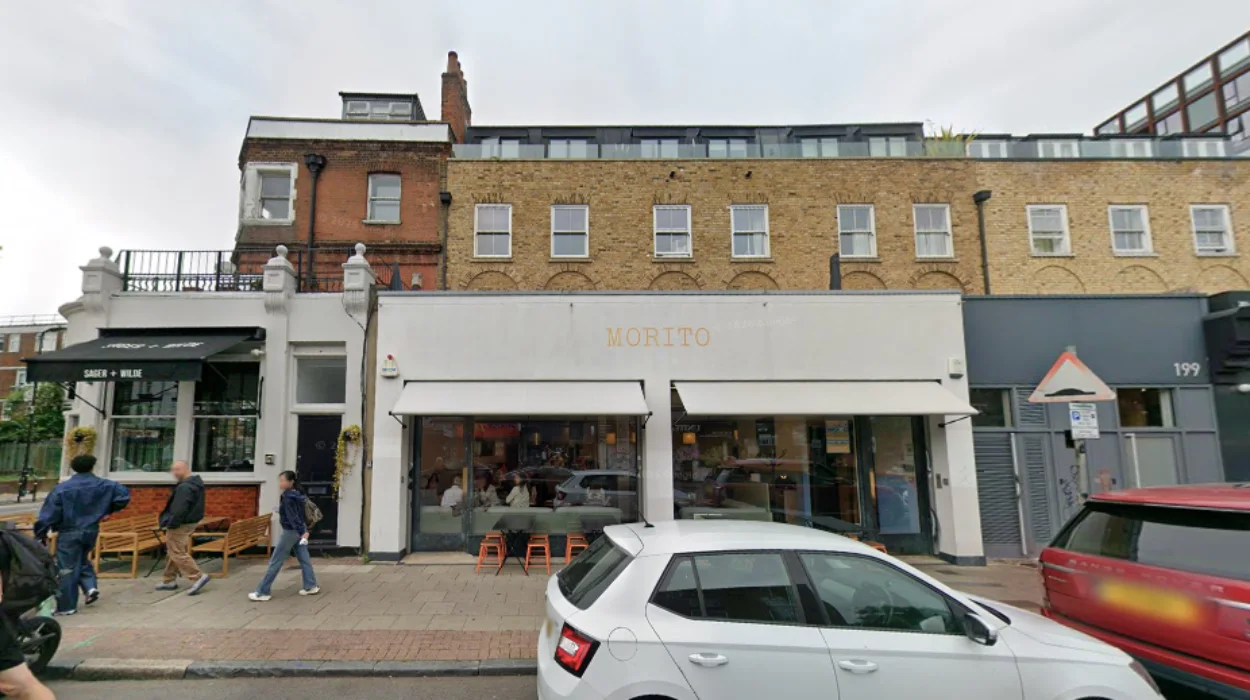
- Closure announcement: The highly acclaimed tapas venue Morito Hackney Road has officially closed its doors, terminating a ten-year run in East London.
- Ownership and history: Established in 2016, the outpost was the third site run by renowned husband-and-wife restaurateurs Samuel and Samantha Clark.
- Economic drivers: Management cited “sustained and significant challenges” and mounting operational costs within the British hospitality industry as the core reasons for the decision.
- Critical acclaim: The venue was previously singled out by high-profile food critics, including The Times reviewer Giles Coren, who lauded it as one of the best restaurants in the United Kingdom.
- Sister sites unaffected: The flagship restaurant Moro and the original Morito location, both situated in London’s historic Exmouth Market, continue to trade normally.
- Industry crisis data: Industry analysts NIQ reveal a brutal landscape for UK dining, estimating that soaring commercial liabilities are causing an average of three hospitality closures every single day in 2026.
London (Extra London News) June 17, 2026 – The prominent East London tapas destination Morito Hackney Road has shut down permanently, as its founders succumb to the unrelenting economic headwinds currently destabilising the UK hospitality landscape. The restaurant, which spent a decade cementing itself as a cornerstone of the borough’s vibrant culinary scene, completed its final service on Sunday night. Owners Samuel and Samantha Clark confirmed the closure with a public statement, pinpointing systemic margin erosion, surging supply costs, and widespread industry pressures as the insurmountable forces behind the strategic retreat.
The closure marks a sobering chapter for London’s independent restaurant sector. Opened in 2016, the Hackney Road site served as the ambitious third outpost for the Clarks, expanding on the legendary Mediterranean-North African concepts they first pioneered at Moro and the original Morito in Clerkenwell. While the couple’s foundational venues in Exmouth Market remain operational and unaffected by this announcement, the loss of their East London flagship highlights a growing crisis. Even well-established, critically adored brands are finding it increasingly difficult to balance operational costs against shifting consumer habits.
Why did Morito Hackney Road close down?
The operational team broke the news directly to their patron base via social media, explicitly addressing the harsh realities of running a food and beverage business in the current financial climate. In an emotional farewell dispatch published via the restaurant’s official Instagram handle, the owners stated:
“After 10 wonderful years, Sunday was our last service at Morito Hackney Road, marking the end of a significant chapter as we closed the doors.”
The correspondence detailed the deep emotional weight attached to dismantling a venture that had grown into much more than a commercial workspace over its decade-long lifespan.
“This has not been an easy decision. What we’ve built goes far beyond a restaurant – it’s been a home for our team, a place of connection for our guests and a space filled with energy, creativity and generosity every day. There is so much to celebrate: our incredible staff, our loyal customers, the friendships formed, dishes shared and memories created.”
However, the statement quickly shifted from celebration to the grim macroeconomic realities that forced their hand. Samuel and Samantha Clark acknowledged that their business was far from insulated from the wider financial crisis ripping through the high street, adding:
“At the same time, it’s no secret that the hospitality industry has been facing sustained and significant challenges. Like many others, our Hackney location has been increasingly affected, despite our best efforts.”
What did Giles Coren say about Morito Hackney Road?
The loss of the venue is felt sharply across the capital’s food scene due to its impeccable pedigree. Over its ten years of trading, Morito Hackney Road transformed from a local neighborhood joint into a nationally recognised dining destination. It frequently attracted high-profile praise from the country’s most stringent culinary arbiters.
Most notably, The Times lead restaurant critic Giles Coren publicly championed the establishment during his review rounds. Coren formally listed Morito Hackney Road as one of the single best restaurants operating anywhere in the UK. The critic praised its execution of authentic Southern Spanish and North African small plates, its electric, fast-paced dining room atmosphere, and its uncompromising ingredient sourcing.
This elite level of critical validation makes the venue’s quiet exit even more alarming for industry watchdogs. It demonstrates that cultural relevance and glowing press reviews can no longer guarantee survival in a market squeezed by astronomical overheads.
Explore more Hackney News:
The Illusions Debut Album Find Your Way Live Show London 2026
Hackney Office Ritual Sacrifice Investigation: Live Goat Dragged Inside, London 2026
Which sister restaurants of the Moro group will stay open?
For dedicated enthusiasts of the Clarks’ distinct culinary style, there is some solace. The closure of the Hackney Road site does not signal the complete dissolution of their restaurant group. The owners confirmed that their primary business foundations remain solid and will continue to welcome diners.
Both Moro and the original Morito location in Exmouth Market remain fully open for business. Moro first opened its doors in 1997 and is widely credited with reshaping London’s casual fine dining landscape through its exploration of Moorish flavours. It remains an active, vital institution.
The original Morito next door, a intimate tapas and mezze bar that opened in 2010, also continues its daily operations. Business analysts suggest that consolidating focus back onto their historic Exmouth Market core may allow the founders to weather the broader economic storm more effectively.
How bad is the current UK hospitality closure crisis?
The fate of Morito Hackney Road is far from an isolated incident. It represents a single data point in what has rapidly transformed into a systemic culling of the British dining landscape. The hospitality sector is currently wrestling with an accumulation of financial burdens, including inflated energy tariffs, rising food costs, and recent hikes in employer National Insurance contributions.
Morito is simply the latest in a long string of high-profile culinary casualties to shut down in recent weeks. Just recently, the industry shook from the announced closure of Simpsons in Edgbaston, a pioneering, long-standing Michelin-starred institution that helped put Birmingham on the global gastronomic map. Similarly, London’s independent dining sector took a heavy blow with the shuttering of Sambal Shiok, a highly celebrated Malaysian laksa bar on Holloway Road founded by Mandy Yin, which closed down after years of battling similar margin pressures.
What does the data say about restaurant closures in 2026?
To understand the sheer scale of the challenges facing independent operators, one only needs to look at recent commercial intelligence reports. The daily realities of managing a commercial kitchen have become mathematically unviable for many.
According to data compiled by industry analysts NIQ, “soaring costs” across utilities, supply chains, and labour markets are driving an unprecedented volume of market exits. The firm’s research estimates that the UK hospitality sector is experiencing an average of three permanent closures every single day.
This statistical trend shows no signs of slowing down. It indicates that without structural government intervention, targeted tax relief, or a drastic reduction in supply-side inflation, the variety and richness of the British high street will continue to decline. For now, East London says goodbye to a beloved culinary hub, as the industry at large braces for a difficult road ahead.