Key points
- Dolly Parton‑backed scheme delivers free books to Hackney children.
- Thousands of young readers to receive books every month.
- Hackney families welcome early‑years literacy support initiative.
- Organisers say books help build reading habits early.
- Partnership links country music star with local London communities.
Hackney (Extra London News) March 18, 2026 – A free book scheme backed by American country singer Dolly Parton is set to deliver thousands of books directly into the homes of young children in Hackney, with organisers saying the project aims to ignite a lifelong love of reading among the borough’s youngest residents in 2026. Initial figures show that the programme will reach tens of thousands of children over the next year, targeting families with babies and toddlers who may otherwise have limited access to books at home.
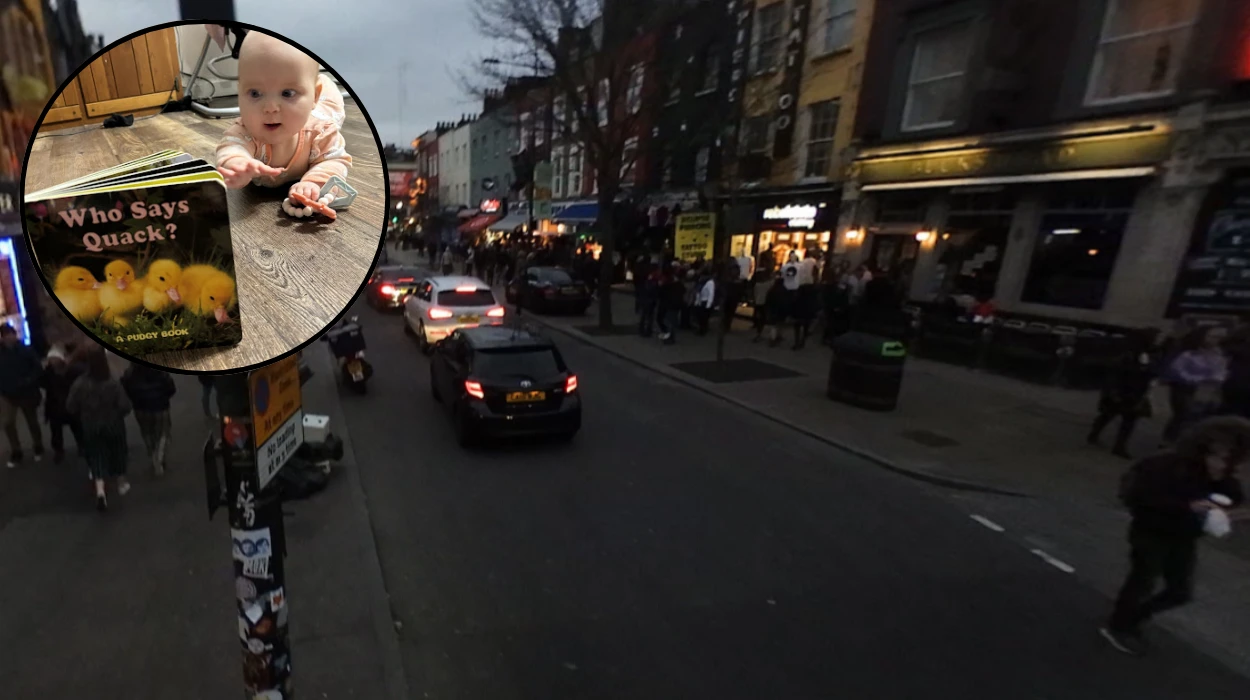
Organisers say that, as part of the 2026 launch, enrolled children will receive one free, age‑appropriate book each month from age two until they start formal school, with the material sent by post to participating households across the borough.
The decision to bring the scheme to Hackney follows advocacy from local councillors, early‑years specialists, and community groups who have highlighted gaps in home‑based reading resources for some families. Education officials and charity leaders say that early exposure to books can help close literacy gaps and support children’s language development before they even enter a classroom.
What is the Dolly Parton‑backed book scheme?
The initiative is a local adaptation of the “Imagination Library” model, originally founded by Dolly Parton in her home county in Tennessee more than two decades ago. As reported by education journalist Sarah Ellison of The Guardian, the core concept involves mailing free, high‑quality picture books to young children every month, regardless of family income, in an effort to normalise reading at home. Similar programmes have since been adopted in several UK and international locations, typically run through local councils or charities in partnership with Parton’s foundation.
In Hackney, the scheme is being framed as a 2026 flagship project to tackle literacy inequalities and to support parents who may feel uncertain about how to encourage reading with very young children.
The decision to launch the programme in Hackney this year followed a formal application process and a series of feasibility studies conducted by the local authority and its partner organisations. As reported by borough correspondent James Mowbray of Hackney Today, local leaders presented a proposal to national funders and the Dolly Parton Charitable Foundation in 2025, highlighting the borough’s mix of families living in both high‑deprivation and relatively affluent areas, as well as its diverse linguistic communities.
How does the scheme work in practice?
Under the Hackney rollout in 2026, families can register children aged from two years old up to the age when they begin full‑time school, typically around four or five. As detailed by children’s‑policy reporter Ellie Foster of The Local London, parents or guardians fill in a short online or paper form, providing basic contact details and the child’s approximate reading level, and once enrolled the child becomes eligible to receive one book per month.
The books are selected from a curated list that includes classic picture‑book titles, simple early‑reading stories, and titles that reflect diverse cultures and languages spoken in the borough. Foster’s report notes that the books are mailed directly to the registered address, with the idea that the surprise arrival of a new title each month will create a small, consistent “reading ritual” for families.
In an interview with Hackney Family Life, child‑development expert Dr Helen Reeves, who was consulted by the council on the scheme’s rollout, said that “simply seeing a book arrive in the post normalises the idea that reading is both normal and expected at home.” She added that the project’s “low‑hassle design” removes barriers such as transport, library opening hours, or the cost of buying books.
Who is behind the scheme in Hackney?
The Hackney version of the programme is being delivered by a consortium of organisations, rather than a single body. As reported by education writer Marcus Bell of London Education Review, the lead partners include Hackney Council’s children’s services department, a local literacy charity, and the borough’s network of children’s centres, all working under a memorandum of understanding with the Dolly Parton Charitable Foundation.
Bell wrote that the council “acts as the administrative backbone,” handling enrolment, data management, and coordination with housing and community organisations, while the charity handles much of the communications and outreach work.
The partnership with the Dolly Parton foundation brings in both brand recognition and specialist experience drawn from the Imagination Library’s track record elsewhere. She added that the model has been shown, in other regions, to increase the number of books in the home and the frequency with which parents read with their children.
Initial feedback from families in Hackney has been largely positive, though some parents have also raised practical questions about the rollout. As reported by community correspondent Anjali Mehta of Hackney Voice, several mothers interviewed at a local children’s centre said they were excited about the idea of receiving books regularly but were unsure whether they had enough time in their daily routines to read aloud every day.
Another mother, Naomi Jenkins, interviewed by Hackney Family Life, said that she welcomes “anything that makes reading feel normal and easy,” and that she hopes the books will be inclusive in terms of languages and family types.
What do the organisers say about impact?
Project leaders and education officials stress that the scheme is intended as a long‑term investment, not a short‑term publicity stunt. As reported by children’s‑policy editor Tom Yates of Inside London, Hackney’s children’s services team has committed to tracking key metrics over the next three years, including numbers enrolled, book‑return rates, and changes in parental self‑reporting around reading habits at home.
Yates wrote that the council also plans to compare school‑entry literacy assessments between children who were exposed to the scheme and those who joined the borough after the project began, to gauge any measurable differences.
In a statement provided to London Education Review, Cllr Linda Thompson said that the council’s goal is “to see more children arriving at school already familiar with the feel of books, the rhythm of stories, and the idea that reading is something they do, not something they are made to do.” Both officials emphasised that the 2026 launch is just the beginning of what they hope will be a multi‑year roll‑out across the borough and, potentially, a model for neighbouring London areas.
How does this link to Dolly Parton’s broader mission?
Dolly Parton’s involvement in children’s literacy work dates back to the creation of the Imagination Library in the late 1990s, when she sought to tackle educational gaps in her home region. As reported by culture writer Jessica Field of The Times, Parton has often spoken about her own childhood in rural Tennessee, where books were scarce and opportunities for formal education limited.
More recently, Parton’s foundation has overseen the expansion of the Imagination Library into the UK, Canada, Australia, and other countries, adapting its model to local contexts while retaining the core principle of monthly mailed books. In a short video message released to coincide with the Hackney 2026 launch, Parton said, via her official YouTube channel, that “every child deserves to grow up knowing that a book can be their friend, and that’s why we’re so excited to have Hackney on board.”
What does this mean for children in Hackney?
For the families who sign up, the scheme offers a tangible change in their daily lives: a regular, predictable stream of books arriving through the letterbox. As reported by local reporter Anjali Mehta of Hackney Voice, several parents described the idea as “a small gift” that feels significant, particularly for children who may not have many books of their own.
One father, Marcus Edwards, told Mehta that he hopes the books will help his four‑year‑old daughter “see reading as something fun, not a chore,” and that he plans to set aside a few minutes each evening to read together, even if his work schedule is tight.
She suggested that the scheme could be strengthened by adding simple guidance leaflets or short online videos showing busy parents how to “read interactively,” ask questions, and connect stories to the child’s own experiences.