Key Points
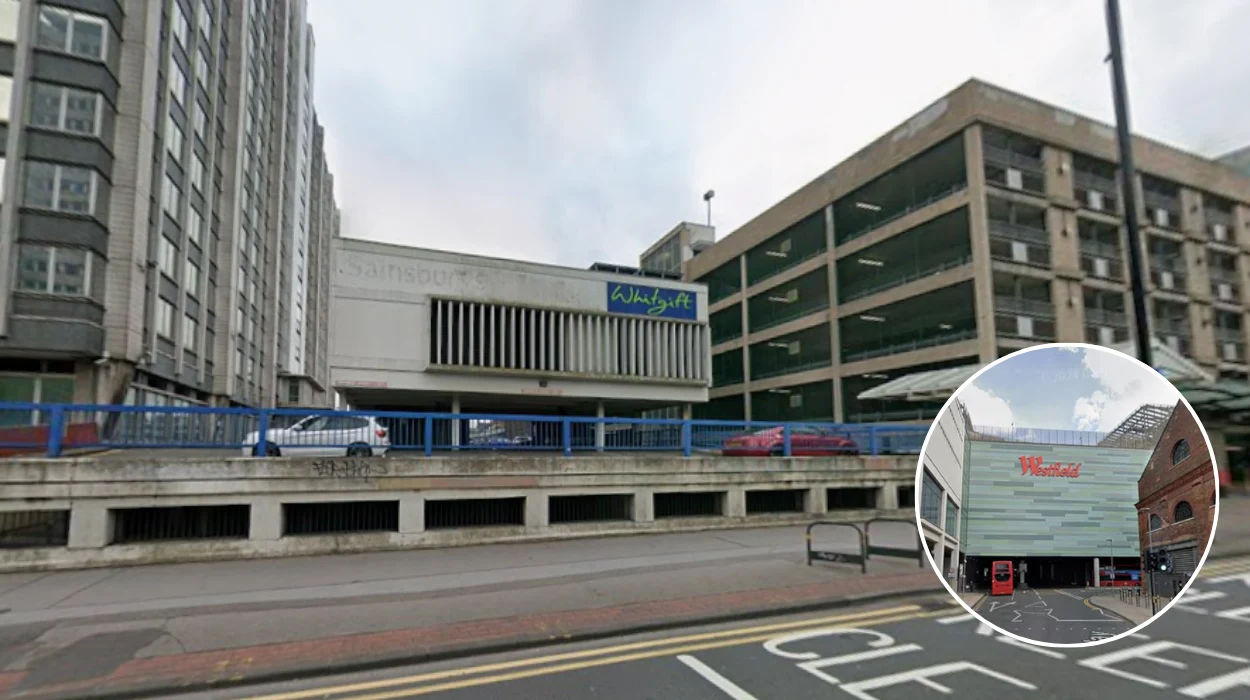
- Freehold Acquisition: Unibail-Rodamco-Westfield (URW) has bought the freehold of the Whitgift Centre in Croydon from the John Whitgift Foundation (JWF).
- Financial Details: The transaction is valued at £31.5 million, which will be paid to the John Whitgift Foundation in instalments over a five-year period.
- Expanded Footprint: The deal includes the Whitgift Shopping Centre, Green Park House (29 Wellesley Road), and the sections of the historic Allders department store building not previously owned by URW.
- Ownership Simplification: URW, which already held the long lease on the site, stated that consolidating the freehold will help smooth the development pathway for the long-delayed “Croydon Project” regeneration scheme.
- Charitable Reinvestment: The John Whitgift Foundation will invest the £31.5 million proceeds into its core endowment to fund local education bursaries and care provisions, such as its historical almshouses.
- No Formal Planning Yet: Despite the purchase and ongoing public consultations regarding the North End masterplan framework, Croydon Council has not yet received a formal planning application for the comprehensive redevelopment.
Croydon (Extra London News) July 15, 2026 – In a move hailed as a crucial turning point for the long-delayed regeneration of South London’s commercial heartland, the major local charity John Whitgift Foundation (JWF) has sold the freehold of the landmark Whitgift Centre to retail property giant Unibail-Rodamco-Westfield (URW). Under the terms of the landmark £31.5 million agreement, URW—which already holds the long-term leasehold on the sprawling site—will pay the local charity in structured instalments over the next five years, effectively consolidating and simplifying control over one of London’s most talked-about redevelopment zones.
- Key Points
- What is the significance of the Whitgift Centre freehold sale?
- How will the John Whitgift Foundation use the £31.5 million proceeds?
- What does the Croydon Council say about the transaction?
- Why has the Croydon regeneration project taken so long?
- What are the future plans for the Whitgift Centre and North End?
- When will actual construction work begin?
The comprehensive purchase covers not only the main Whitgift Shopping Centre estate but also the adjacent Green Park House office building at 29 Wellesley Road, as well as those remaining portions of the historic Allders department store building that were not already under URW’s direct ownership. By removing a complex, multi-tiered leasehold and freehold structure, the transaction is expected to strip away significant bureaucratic and legal hurdles that have stymied previous attempts to modernise the North End district.
What is the significance of the Whitgift Centre freehold sale?
The consolidation of land ownership under a single master developer has been described by municipal leaders and property analysts alike as a crucial step toward breaking a decade-long planning deadlock. As reported by local democracy reporter Harrison Galliven of MyLondon, the strategic move is viewed as a vital “milestone” on the path to revitalising the flagging town centre.
In a press statement issued by the local authority, Adam Smith, the Strategic Development Director at URW, expressed his optimism regarding the deal:
“URW is pleased to complete this purchase which further simplifies the ownership of the Whitgift Centre and Allders site. It is a positive milestone on the path to the transformation of Croydon town centre in partnership with the Mayor of Croydon, Croydon Council and other stakeholders.”
Prior to this agreement, the split between the John Whitgift Foundation’s freehold rights and URW’s leasehold interests created an administrative bottleneck. Any major structural alteration, demolition, or change of use required intense bilateral negotiations, slowing down the progression of the developer’s “Croydon Project” masterplan. With the freehold now securely in URW’s hands, the developer has a direct and uninhibited path to shaping the physical layout of the North End quarter.
How will the John Whitgift Foundation use the £31.5 million proceeds?
For the John Whitgift Foundation, a historic institution founded in 1596 by the then-Archbishop of Canterbury, the financial windfall represents an opportunity to secure its long-term philanthropic future. The site of the Whitgift Centre was once home to Trinity School before it relocated to Shirley Park in the 1960s. For generations, the retail rents generated by the shopping centre were used to bankroll local educational bursaries and maintain the foundation’s historic town centre almshouses.
However, the decline of traditional retail and the vacancy rates within the Whitgift Centre had put pressure on the charity’s income streams. As reported in the official Croydon Council newsroom, Roisha Hughes, Chief Executive Officer of the John Whitgift Foundation, explained the rationale behind selling such a central asset:
“As an education and care charity, it’s right that we focus on our schools, almshouses, and care provision. Following URW’s offer to buy the land, which they already lease from us, we have carefully considered what is best for the charity and the town. Simplifying the land ownership in the town centre will positively facilitate the town centre’s regeneration.“
Hughes further assured the local community that the capital would be immediately put to work:
“We are confident that the sale will put the Foundation in a very solid position to deliver its core purpose in the decades ahead. Proceeds from the sale will be invested, and the income that is generated will continue to fund our charitable objectives, principally our bursary programme.”
What does the Croydon Council say about the transaction?
Croydon’s local government has strongly endorsed the transaction, viewing it as a catalyst for a broader economic revival. The borough has suffered heavily from a perceived lack of investment and the high-profile stagnation of its retail district over the last decade.
As reported by Croydon Council’s press office, Jason Perry, the Executive Mayor of Croydon, welcomed the sale and tied it directly to the municipality’s newly minted Business Plan 2026–2030:
“We want to see a town centre that is busy, confident and thriving – one where people want to visit and spend time. The masterplan for North End is an important part of this vision. This freehold agreement simplifies ownership of the site and helps to smooth the pathway for the redevelopment of the Whitgift site.”
Mayor Perry also took the opportunity to highlight that the local authority is not waiting solely on Westfield to breathe life back into the area:
“In the meantime, the Council is continuing to work with our partners to deliver visible change across the town centre – with £40m of projects, such as in Dingwall Road and Minster Green, improvements to North End’s street scape and an exciting programme of cultural events.“
Explore more Croydon News:
Bellway Plans 138 Homes at Former Purley Way Lido, Croydon 2026
East Croydon Station Pedestrian Bridge to Complete by 2027
Why has the Croydon regeneration project taken so long?
To understand the mixture of hope and skepticism surrounding this latest milestone, it is necessary to examine the long, troubled history of the site. As compiled in an extensive investigative timeline by the independent local outlet Inside Croydon, the saga of the town centre’s regeneration stretches back fifteen years.
The timeline of major events highlights how a shifting retail landscape and corporate maneuvering stalled progress:
- August 2011: Following the London riots, which severely impacted the local economy, then-Mayor of London Boris Johnson committed £23 million from the London Regeneration Fund to revitalise Croydon’s high streets.
- November 2011: Croydon Central MP Gavin Barwell, who was a governor of the Whitgift Foundation at the time, worked behind the scenes alongside local Conservative leaders, including Jason Perry, to attract Australian shopping centre developer Westfield to the borough.
- 2012: What Inside Croydon describes as “The Marriage Made in Hell” occurred. Westfield clashed with rival developer Hammerson, which had been working on a separate design by architect Terry Farrell. Under pressure from City Hall, the two giants formed a 50-50 joint venture known as the Croydon Partnership, promising a £1 billion mega-mall and 600 homes by 2017.
- November 2013: Croydon Council granted planning permission for the mega-mall, a decision later rubber-stamped by the Mayor of London.
- 2015–2016: Despite the approvals, construction failed to start. The target opening date slipped continuously—first to 2020, and then to 2021.
- The Transition to URW: Over the subsequent years, the rise of online shopping, economic instability, and the global pandemic forced a radical rethink of the retail-led model. Unibail-Rodamco-Westfield eventually took full control of the project, steering the plans away from a traditional mega-mall towards a mixed-use neighborhood.
What are the future plans for the Whitgift Centre and North End?
The original concept of a massive, retail-centric indoor shopping mall has been abandoned in favour of “The Croydon Project”—a mixed-use, phased masterplan.
According to official planning materials released on The Croydon Project portal, the masterplan envisions an incremental, phased program of retrofitting older structures alongside new construction. The ultimate goal is to build a cohesive community space featuring:
- Housing: Up to 3,000 new homes, which critics note will likely feature high-density residential towers.
- Modernised Retail: A scaled-down, highly curated retail and commercial footprint to replace the outdated, oversized shop units.
- Public and Cultural Spaces: Open-air pedestrian walkways, green spaces, and dedicated community and cultural venues.
The economic projections for the completed scheme are substantial. Developer estimates suggest the project will generate approximately 1,500 permanent jobs and support 10,000 construction job years during its delivery. By 2045, URW estimates the project will deliver £160 million in annual economic benefits, translating to a total economic output of £1.2 billion for the Croydon area.
When will actual construction work begin?
Despite the optimism surrounding the freehold acquisition, local residents and business owners remain cautious, as a formal planning application for the main Whitgift site has yet to be submitted to Croydon Council.
However, progress is beginning to show in surrounding areas. A planning application for improvements to the nearby Centrale shopping centre was submitted in February 2026. Furthermore, the former Allders building and its immediate parade have seen a minor revival with the introduction of new food, beverage, and retail offerings designed to activate the streetscape while the larger masterplan is finalised.
The target set by URW is to submit the comprehensive planning application for the main Whitgift and Allders masterplan within the coming year. With the freehold transaction now finalised, local authorities hope that the path is finally clear for physical works to commence, bringing an end to fifteen years of stagnation.