Key Points
- The family of 19‑year‑old Reuben Abakah, killed after being hit by a tram in south London, have launched a High Court negligence claim against Tram Operations Limited (TOL), seeking more than £200,000 in damages.
- Abakah died three days after the collision with a London Trams service at Waddon Marsh West footpath crossing in Croydon on 22 August 2022.
- Court documents allege the tram driver failed to keep a proper lookout, recognise the hazard, brake in time, and use the tram’s audible warning systems at appropriate levels.
- According to the family’s claim, the driver first sounded the warning bell two seconds before impact and the horn 1.4 seconds beforehand, which they say was too late for the rider to react.
- The sound level of the bell was reportedly below the recommended level, and the driver applied the service brake 0.8 seconds before the collision and the hazard brake 0.1 seconds later.
- The tram had just reduced speed from 43mph to 37mph (59.5km/h) moments before the impact.
- The speed limit for trams at the crossing has since been cut from 43mph to 31mph.
- Reuben’s father, Frederick Woode, said he wants “lessons to be learned” and believes the tram should not have been travelling so fast.
- The family’s solicitor, Ben Posford of Osbornes Law, argued that safety systems must account for human error and people “zoning out,” and that it “shouldn’t have mattered” that Abakah did not look properly.
- Tram Operations Limited has declined to comment while legal proceedings are ongoing.
Croydon (Extra London News) April 22, 2026 – The family of a teenage e‑scooter rider who died after being struck by a tram in south London has launched a High Court negligence claim against the capital’s tram operator, seeking damages in excess of £200,000. Documents filed by representatives of 19‑year‑old Reuben Abakah’s family allege that the tram driver failed to keep a proper lookout, recognised the hazard too late, and did not deploy the tram’s warning systems or brakes in time to prevent the collision at Waddon Marsh West footpath crossing in Croydon on 22 August 2022. He died in the hospital three days later.
- Key Points
- What exactly happened on the day of the crash?
- What does the claim allege against the tram driver?
- How late were the warning signals?
- What about the tram’s braking and speed?
- Why is the timing of the brakes so important?
- What do Reuben’s relatives want?
- What does the lawyer say about human error?
- What has the tram operator said?
- How has the local authority responded to the incident?
- What wider implications does this case have for e‑scooters and trams?
- What changes might follow from the lawsuit?
- What stage is the case at now?
What exactly happened on the day of the crash?
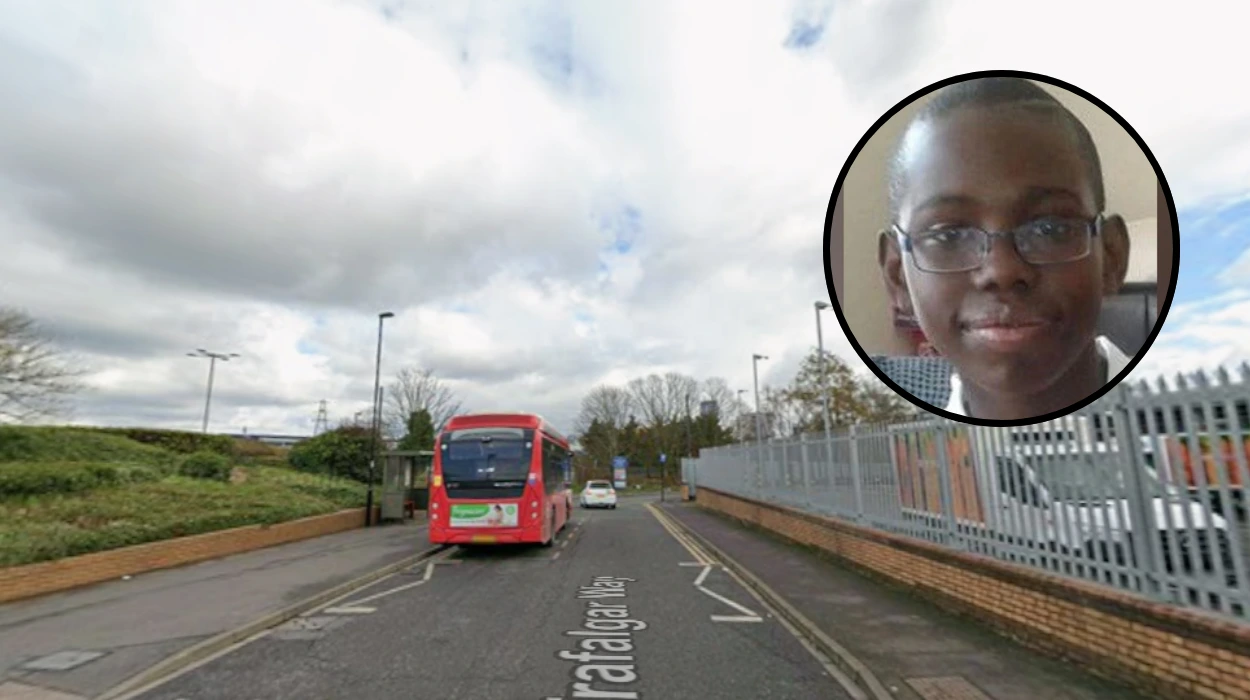
Reuben Abakah, a 19‑year‑old furniture delivery worker, was riding an e‑scooter towards the Waddon Marsh West footpath crossing when he was hit by a London Trams service travelling at 37mph (59.5km/h), according to details contained in the High Court claim.
Witnesses and investigators noted that the teenager had his hood up and did not slow down as he entered the crossing at the same time as the approaching tram. He was taken to the hospital with severe injuries and died three days later.
The site of the collision is a designated pedestrian‑type crossing for the tram route, but the family’s legal team argue that the layout and operational practices failed to prevent the tragedy.
The speed limit for trams at that crossing has since been reduced from 43mph to 31mph, which the claimants say confirms that the previous speed was unsafe.
What does the claim allege against the tram driver?
The claim, filed at London’s High Court, states that the tram driver did not maintain a proper lookout or recognise the “developing hazard” as Abakah approached the crossing.
As reported in the court documents, the driver is said to have seen the rider but failed to take timely action to avoid the collision.
The family’s representatives argue that the driver did not operate the tram at a safe speed, given the layout of the crossing and the presence of pedestrians and riders.
They also say she did not use the vehicle’s audible warning systems – the bell and horn – until the very last moment, severely limiting any chance Abakah had of reacting.
How late were the warning signals?
According to the documents filed with the court, the driver first sounded the tram’s warning bell two seconds before impact and activated the horn 1.4 seconds before the crash.
The family’s lawyers contend that these warnings came too late for the rider to stop or alter his path, rendering the signals ineffective.
The claim also highlights that the sound level of the bell was below the recommended level, meaning the warning may not have been clearly audible to the e‑scooter rider.
Investigators quoted in the documents assert that had the warnings been earlier and at the prescribed volume, Abakah might have had time to react.
What about the tram’s braking and speed?
The tram had just reduced speed from 43mph to 37mph (59.5km/h) moments before it struck Abakah, court papers show.
However, the family’s legal team argue that even at 37mph, the vehicle was moving too quickly for the conditions at that crossing, especially given the proximity of pedestrians and riders.
They point out that the speed limit at Waddon Marsh West has since been lowered from 43mph to 31mph, which the claimants say underscores that the prior speed was unsafe.
Rail‑safety experts cited in the documents suggest that lower speeds would give both drivers and road users more time to spot and avoid collisions.
Why is the timing of the brakes so important?
The claim states that the driver applied the service brake – used during normal operations – 0.8 seconds before the collision, and then activated the hazard brake 0.1 seconds later.
Lawyers acting for the family argue that this delay was critical because it left insufficient time to significantly reduce the impact force.
The timing of braking has become a central issue in the case, as the family contend that an earlier, more forceful response could have prevented the collision or at least mitigated its severity.
Official statements from the investigation note that reaction time and braking distance are key factors in tram‑pedestrian collisions at such crossings.
What do Reuben’s relatives want?
The family’s solicitor, Ben Posford of Osbornes Law, confirmed that the civil negligence claim seeks damages in excess of £200,000.
Alongside financial compensation, the family say they want systemic changes to tram safety procedures and to the design of crossings where pedestrians, cyclists and e‑scooter riders share space with trams.
In a statement reported by the BBC, Reuben’s father, Frederick Woode, said his
“wish is that lessons are learned from this”
and that questions should be asked about the appropriateness of the tram’s speed at the time. He added that while nothing could bring his son back, he believes the tram should not have been travelling as fast as it was.
What does the lawyer say about human error?
Ben Posford told a BBC reporter that the issue is not simply that Abakah did not look properly, but that the tram‑operating system should be designed to account for human error and people “zoning out.” He said:
“It shouldn’t have mattered that Reuben didn’t look properly; there should be health and safety measures in place that account for zoning out.”
The lawyer also told The Guardian, which cited the same figure, that the case is partly about ensuring trams are run at speeds and with warning systems that give users of the crossing a realistic chance to avoid collisions, even when momentarily distracted.
What has the tram operator said?
Tram Operations Limited (TOL), the operator of the London Trams service, has declined to comment on the substance of the negligence claim while legal proceedings are ongoing. In a short statement to the Evening Standard, the company said it would
“not be appropriate to comment on an active court case,”
But added that it takes all safety matters seriously.
The operator stressed that it has cooperated fully with the initial investigation into the incident and has since reviewed operating procedures and speeds at several crossings, including Waddon Marsh West.
How has the local authority responded to the incident?
Following the collision, transport authorities overseeing the Croydon tram network reduced the speed limit at Waddon Marsh West from 43mph to 31mph, as noted in the court documents and later relayed by the BBC.
The change was also mentioned in a Transport for London‑linked briefing, which cited advice from rail‑safety investigators.
Local councillors quoted in the London Evening Standard have called for further improvements, including clearer signage, better lighting, and more visible warning systems for riders and pedestrians at tram crossings. Some campaigners have urged the operator and local authorities to treat tram‑pedestrian junctions with the same level of caution as level‑crossing‑type layouts.
What wider implications does this case have for e‑scooters and trams?
The Abakah case has added to a growing debate about how e‑scooters and traditional public‑transport vehicles like trams should interact on shared routes. As reported by the BBC, road‑safety analysts say that the relatively silent operation of e‑scooters, combined with the speed of some tram lines, can create unexpected hazards unless both vehicle types are treated as part of a single, integrated safety system.
Posford, in a separate interview with The Guardian, said that this case
“highlights how vulnerable riders are when tram operators rely on people to look out for themselves, instead of embedding fail‑safe measures.”
What changes might follow from the lawsuit?
If the court finds that Tram Operations Limited failed in its duty of care, the case could prompt wider reforms to tram‑crossing design, warning‑signal protocols, and driver‑training standards.
Transport lobbyists quoted by the Evening Standard say courts increasingly look at whether operators have taken “reasonably practicable steps” to prevent foreseeable collisions.
Campaigners representing victims of road‑traffic deaths have said that the High Court decision – whatever the outcome – may influence future operator policies and help set clearer expectations for how tram operators should manage intersections with pedestrians, cyclists and e‑scooter riders.
What stage is the case at now?
The negligence claim is currently being heard in the High Court in London, with the family’s representatives arguing that TOL was responsible for the teenager’s death through alleged failures in driver vigilance, speed management and warning‑signal use.
The operator has not admitted liability, and legal sources briefed by the BBC say the case is likely to rely heavily on driver‑reaction‑time data, CCTV footage, and expert testimony about tram‑crossing safety standards.
No trial date has been publicly confirmed, but legal analysts quoted in The Guardian suggest that the process could take several months, especially if the parties seek to negotiate a settlement before a full hearing. Family support groups representing road crash victims say they will monitor the case closely, as it may set a precedent for how tram operators are held to account in similar incidents.