Key Points
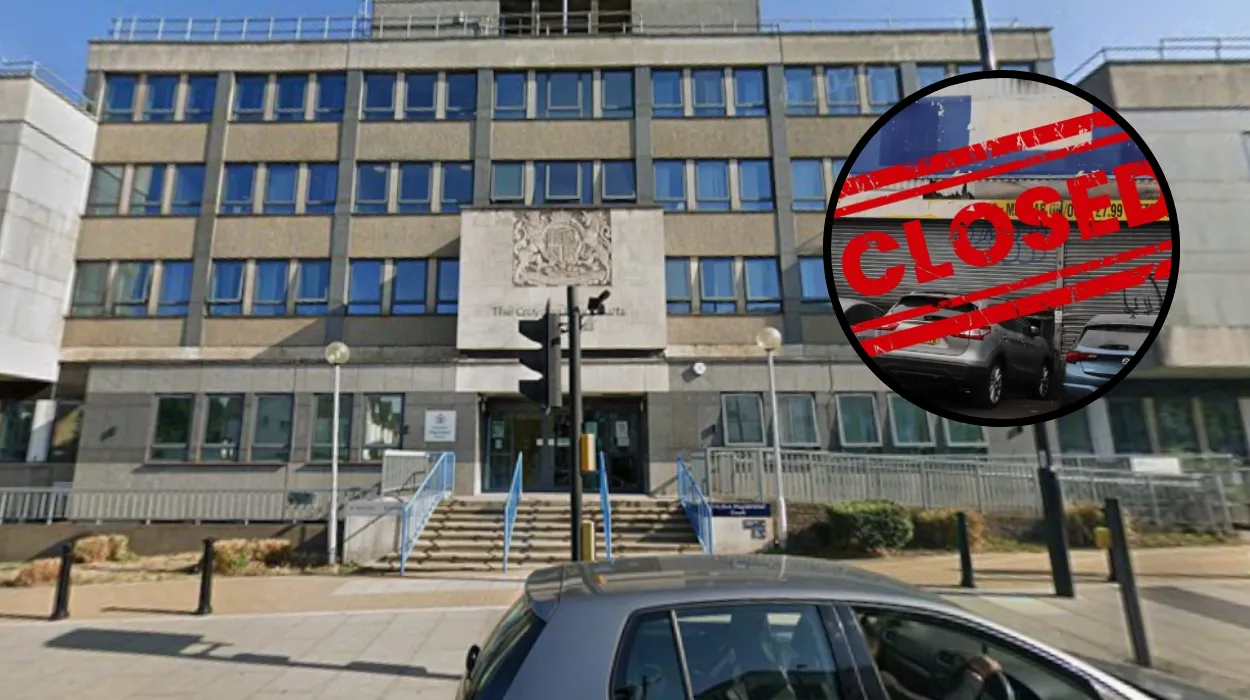
- Immediate Closure Order: A rogue garage operating on Parchmore Road in Thornton Heath has been officially shut down following enforcement action validated at Croydon Crown Court.
- Proactive Interventions: The legal closure follows an initial closure notice issued at Croydon Magistrates’ Court on May 6, enforcing an immediate halt to all commercial activities at the site.
- Community Grievances: Local residents filed persistent complaints regarding severe noise disruption, unpermitted automotive work being executed directly on public highways, and general antisocial behaviour.
- Hazardous Vehicles Seized: Joint operations prior to the court order resulted in the seizure and subsequent destruction of multiple unsafe, unlicensed, and untaxed vehicles linked to the business.
- Political Directives: Croydon Executive Mayor Jason Perry reconfirmed the local administration’s strict “zero-tolerance” approach to commercial operations that compromise public safety and disrupt residential areas.
Thornton Heath (Extra London News) May 23, 2026 – A rogue automotive garage operating in Thornton Heath has been legally shut down and handed a strict closure order following a coordinated crackdown on persistent antisocial behaviour, dangerous vehicle storage, and severe neighbourhood disruption. The business, situated on Parchmore Road, was targeted by local authorities after generating a continuous stream of residential complaints regarding noise, safety hazards, and unpermitted mechanical work being conducted directly on public roads. Legal proceedings initiated at Croydon Magistrates’ Court culminated in a definitive closure mandate upheld at Croydon Crown Court, forcing the immediate cessation of all activities at the property.
- Key Points
- Why Was the Parchmore Road Garage the target of a Court Closure Order?
- What Evidence Led Courts to Approve the Immediate Shut Down?
- How Did Croydon Executive Mayor Jason Perry Respond to the Operation?
- What Measures Were Taken Against the Dangerous Vehicles Seized on Site?
- How Has the Crackdown Impacted the Thornton Heath Community?
The multi-agency operation highlights an escalating enforcement strategy within the London Borough of Croydon, combining judicial avenues with direct community policing. Authorities confirmed that the intervention followed a series of targeted raids where numerous untaxed, unlicensed, and structurally unsafe vehicles associated with the garage were seized and systematically destroyed. Local governance figures have emphasised that the severity of the closure order reflects a broader administrative shift toward reclaiming public spaces from non-compliant businesses that ignore statutory regulations and impact the daily quality of life for nearby residents.
Why Was the Parchmore Road Garage the target of a Court Closure Order?
The decision to pursue a formal closure order through the British judicial system stems from a history of regulatory non-compliance and mounting community frustration. As documented in official statements released by Croydon Council communications officers, the operation on Parchmore Road had consistently acted outside the boundaries of standard commercial planning and environmental health regulations.
The primary catalyst for legal intervention was the garage’s reliance on public infrastructure to conduct private business operations. Mechanical repairs, bodywork adjustments, and vehicle diagnostics were frequently carried out on the public highway rather than within a contained workshop environment. This practice not only obstructed pedestrian walkways and local traffic flow but also introduced environmental hazards, including uncontained automotive fluids and debris, onto a busy residential thoroughfare.
Furthermore, the site had become a focal point for the accumulation of hazardous, unlicenced vehicles. Investigations conducted by municipal enforcement teams revealed that the vehicles parked around the vicinity by the operators were routinely untaxed, lacked valid Ministry of Transport (MOT) safety certificates, and were kept in states of visible disrepair. The accumulation of these vehicles effectively transformed a residential streetscape into an unregulated, overflowing scrapyard, prompting emergency services and local council inspectors to intervene on grounds of public safety.
What Evidence Led Courts to Approve the Immediate Shut Down?
The judicial process moved swiftly due to the volume of documented evidence compiled by enforcement officers and affected residents. As reported by local government reporters covering the municipal legal layout, an initial closure notice was successfully secured at Croydon Magistrates’ Court on May 6. This initial legal mechanism provided authorities with the immediate power to seal the premises, preventing staff and business owners from accessing the workshop or continuing trading while the full case was prepared for a higher court.
The definitive blow to the rogue operation occurred shortly thereafter at Croydon Crown Court, where magistrates and legal representatives reviewed the comprehensive dossier compiled against the business operators. The court scrutinized logs of chronic noise complaints, which documented heavy machinery, metal grinding, and engine revving occurring outside permitted commercial hours, severely impacting the sleep and well-being of families living in adjacent properties.
The physical evidence presented to the Crown Court included detailed operational logs from joint taskforce exercises. These documents proved that previous warnings issued by environmental health officers and local police safer-neighbourhood teams had been systematically ignored by the garage management. Faced with clear proof of ongoing statutory nuisance and a refusal to modify business practices, the Crown Court judge ratified the full closure order, rendering any unauthorized entry or attempt to reopen the business a criminal offense.
Explore More Croydon News
Croydon Men Charged in Charing Cross Tube Assault, London 2026
Croydon 2026 Elections: Perry Retains Mayor Amid Hung Council
How Did Croydon Executive Mayor Jason Perry Respond to the Operation?
The enforcement action aligns directly with the political priorities outlined by the borough’s executive leadership. Writing in an official executive brief for Croydon Council media channels, Executive Mayor Jason Perry explicitly stated that the local authority is actively adopting a “zero-tolerance” policy regarding business operators who exploit public spaces and degrade residential environments.
According to the official mayoral transcript, Executive Mayor Jason Perry stated that:
“We are taking a zero-tolerance approach to antisocial behaviour in all its forms, and rogue businesses that disrupt our communities will face the full force of our enforcement powers.”
Mayor Perry further expanded on the strategic intent behind the Parchmore Road closure, noting that operations of this nature are not isolated incidents but represent a coordinated effort to restore civic order. As recorded by council press officers, Mayor Perry explained that residents have a fundamental right to feel safe, quiet, and secure in their own neighbourhoods, and that businesses failing to respect their neighbours or operate within the boundaries of the law have no place in the borough. The Mayor praised the swift, collaborative efforts of the council’s enforcement teams and legal division in compiling a case robust enough to secure immediate terms at both the Magistrates’ and Crown Court levels.
What Measures Were Taken Against the Dangerous Vehicles Seized on Site?
The physical clearance of the area formed a critical component of the anti-social behaviour crackdown. According to operational reports compiled by the Croydon Council Enforcement Taskforce in conjunction with regional transport authorities, a targeted towing and seizure operation was executed in the days surrounding the initial May 6 court hearing.
Inspectors identified a significant number of vehicles parked on Parchmore Road and surrounding side streets that were directly tied to the garage’s daily operations. A systematic database check revealed a complete lack of valid road taxation, up-to-date insurance coverage, and mandatory safety certifications across the bulk of the fleet. Many of these vehicles possessed severe structural faults, exposed internal mechanics, and smashed windows, posing an immediate physical threat to inquisitive children and passing pedestrians.
Once the legal threshold for seizure was met, specialized recovery trucks removed the vehicles from the public highway. In accordance with standard UK vehicle code regulations regarding hazardous and abandoned property, the seized cars underwent strict secondary inspections. Because the vehicles were deemed structurally compromised, completely unroadworthy, and held zero commercial value to justify storage costs, a substantial portion of the fleet was sent directly to authorized treatment facilities where they were crushed and destroyed. This measure was implemented to ensure the vehicles could never be returned to public roads or used to resume illicit mechanical activities elsewhere.
How Has the Crackdown Impacted the Thornton Heath Community?
The closure of the Parchmore Road garage marks a turning point for residents who had spent months lobbying for municipal intervention. Local neighborhood watch representatives and community group leaders in Thornton Heath have expressed profound relief following the sealing of the property and the removal of the roadside obstructions.
Prior to the court order, the localized impact of the garage’s operations extended well beyond simple noise pollution. Street cleaning teams routinely reported difficulties maintaining the cleanliness of Parchmore Road due to the constant presence of abandoned chassis and discarded mechanical components. Local traders on connecting streets also noted that customer parking availability had been severely restricted, as the rogue garage routinely monopolised public bays to store customer cars awaiting repair or salvage vehicles bought at auction.
The successful deployment of the closure order is being viewed by community leaders as an essential template for addressing commercial antisocial behaviour across Greater London. It demonstrates that when residents consistently document and report infractions, the council possesses the necessary statutory teeth under the Anti-social Behaviour, Crime and Policing Act to permanently dismantle non-compliant commercial entities. The area is currently undergoing regular monitoring by community compliance officers to ensure the terms of the court order are fully respected and that no attempts are made to re-establish automotive work on the site.