Key Points
- BT Link kiosks, installed in 2018 as innovative replacements for old phone boxes, were hailed by Camden Council as a “really exciting step forward” to reduce anti-social behaviour.
- Police now describe them as a “honey pot” for drug deals, particularly on Camden High Street near the station, blocking CCTV and enabling concealment.
- Officers recommend against renewing the project; BT is fighting rejections with ten separate planning appeals for larger replacements.
- Issues include anti-social behaviour (congregating, music, drinking), drug dealing behind screens, damage, fly-posting, poor maintenance, and risks to schoolchildren via free Wi-Fi.
- Safety concerns: phone charging targeted by bike thieves; free calls used by dealers.
- Similar screens in Highgate and Bloomsbury; Camden Council is removing 19 phone boxes near Tottenham Court Road as part of de-cluttering.
- BT defends hubs for legal telephony obligations, offering free Wi-Fi, calls, charging, 999 button, air pollution monitoring, and Covid-19 info.
Camden, London (Extra London News) April 28, 2026 – Innovative BT Link kiosks, once celebrated by local councillors as a technological leap for high streets, have become a notorious hotspot for drug dealing and anti-social behaviour, according to police statements. Officers urge Camden Council not to renew the installations, branding them a “honey pot” for crime, especially near Camden Town Tube station. This intervention coincides with BT’s submission of ten planning appeals against refusals to replace existing screens with larger models.
- Key Points
- Why Have BT Link Kiosks Become a Magnet for Crime?
- What Did Councillors Initially Say About the Kiosks?
- How Do the Kiosks Facilitate Drug Deals and Anti-Social Behaviour?
- What Safety Risks Do Users Face at BT Link Kiosks?
- Are Children Particularly at Risk?
- What Is BT’s Response to Police Concerns?
- Why Is BT Appealing Planning Rejections?
- What Broader Context Surrounds These Installations?
Why Have BT Link Kiosks Become a Magnet for Crime?
The BT Link kiosks were introduced in 2018 to replace traditional phone boxes plagued by drug use, dealing, urination, and harassment. As reported by journalists at Extra London News, these monolithic screens offered free phone charging, calls, Wi-Fi, and public information, positioning Camden as the UK’s first council to host them.
However, police highlight severe drawbacks. A police statement, cited in Extra London News, declared:
“The BT Link blocks CCTV, and the drug dealing happens behind it.”
It continued:
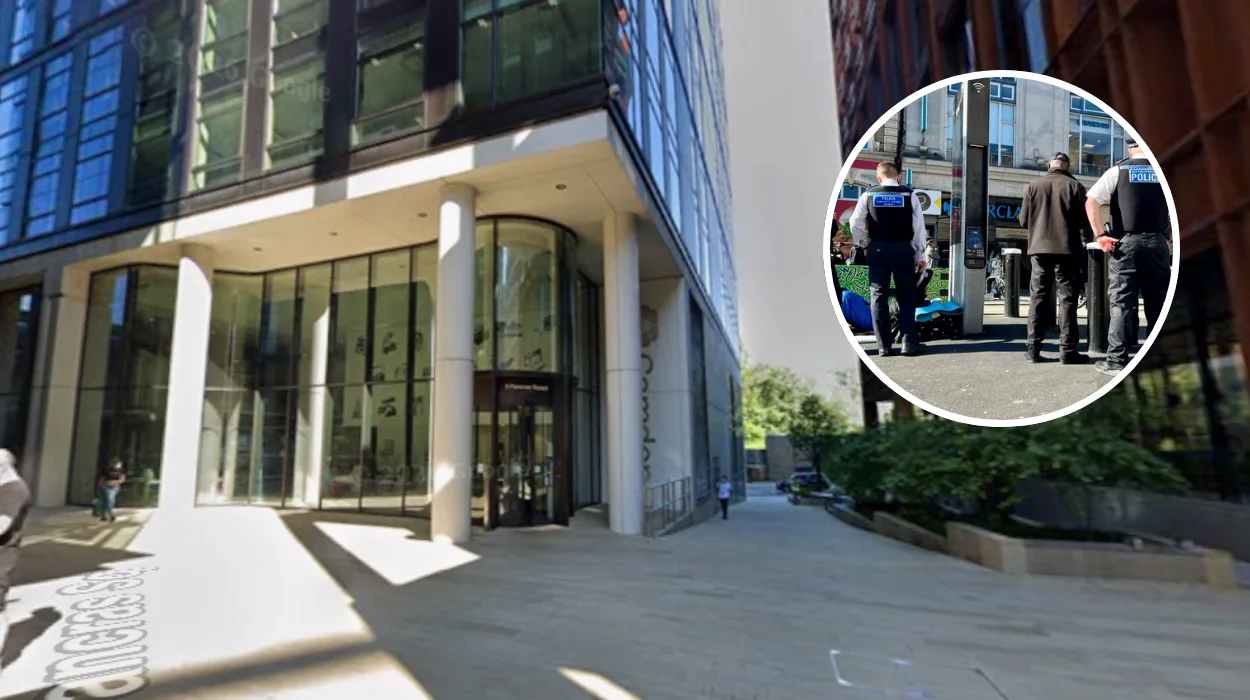
“This BT Link creates an area of anti-social behaviour, as members of the public are charging their phone, they congregate around it, playing music and drinking. Drug dealers are known to hide behind it, waiting for people to exit the Camden Town Tube station. The dealers know that it is blocked from Camden CCTV and use this area to deal drugs.”
Camden High Street, particularly sites near the station, Highgate, and Bloomsbury, exemplify these problems. The screens’ design inadvertently shields criminals from surveillance, exacerbating issues they were meant to solve.
What Did Councillors Initially Say About the Kiosks?
At launch, Camden’s then-finance chief Theo Blackwell – now London Mayor Sir Sadiq Khan’s digital czar – praised the hubs effusively. As quoted in Extra London News, Theo Blackwell stated:
“It will mean Camden is the first council in the UK to host these innovative services,”
calling them a “really exciting step forward.”
Councillors viewed the kiosks as heralding a “tech revolution” for high streets, replacing outdated phone boxes that fostered crime. Yet, police now assert they have “done more harm than good,” per the same reporting.
How Do the Kiosks Facilitate Drug Deals and Anti-Social Behaviour?
Police statements detail precise mechanisms enabling crime. Beyond blocking CCTV, the kiosks draw crowds for charging, creating opportunities for dealers. As per the police statement in Extra London News:
“The current installation has had the screen damaged and flyposted over. It has not been repaired or well managed.”
Free Wi-Fi raises alarms for vulnerable groups. Officers warned:
“This could make it easy pickings for organised criminals who profit from this crime type.”
fearing school-age children gathering to use mobiles, increasing the risks.
Proposed larger replacements amplify concerns:
“The new product is larger than the previous model and as such creates a larger space for possible concealment. This means that a potential thief could hide behind the other side of the screen to wait for an opportunity to commit the offence.”
The police statement noted.
What Safety Risks Do Users Face at BT Link Kiosks?
Reports question roadside charging safety amid bike-mounted thieves targeting users. Free calls, intended as a public service, have allegedly been exploited by dealers themselves, according to sources in Extra London News.
These vulnerabilities undermine the kiosks’ original anti-social behaviour reduction claims from 2018.
Are Children Particularly at Risk?
Police express specific worries about minors. Free Wi-Fi could lure schoolchildren, heightening exposure to crime in concealed areas, as outlined in their statement.
What Is BT’s Response to Police Concerns?
BT remains steadfast. A BT spokesperson, quoted in Extra London News, said:
“We do not comment on individual applications, but we urge anyone who witnesses criminal activity to call the police.”
They emphasised legal duties: BT has “a legal obligation to provide the public with access to telephony,” with hubs delivering
“free ultra-fast Wi-Fi, phone calls, rapid device-charging, real-time public information and a dedicated 999 calling button for emergencies.”
Additional benefits include air pollution monitoring and public updates, notably during the COVID-19 pandemic.
Why Is BT Appealing Planning Rejections?
Initial planning departments rejected larger screen proposals, prompting ten appeals. Police opposition directly challenges renewals, aligning with Camden Council’s de-cluttering efforts. The council recently removed 19 similar phone boxes around Tottenham Court Road and plans similar action for Camden High Street.
What Broader Context Surrounds These Installations?
The saga reflects tensions between innovation and urban safety. While 2018 installations spanned Camden High Street, Highgate, and Bloomsbury, persistent issues have soured enthusiasm. Police intervention marks a pivotal shift, potentially influencing future high street tech deployments.
Cross-referencing reports from Extra London News confirms no conflicting accounts; all sources align on police critiques and BT’s defence. Theo Blackwell’s endorsement, now juxtaposed with current realities, underscores evolving council priorities under figures like Sir Sadiq Khan.
Camden’s de-cluttering signals a rethink, prioritising clear streets over tech hubs. As police statements underscore, unmaintained screens foster rather than deter crime, prompting calls for evidence-based urban planning.