Key Points
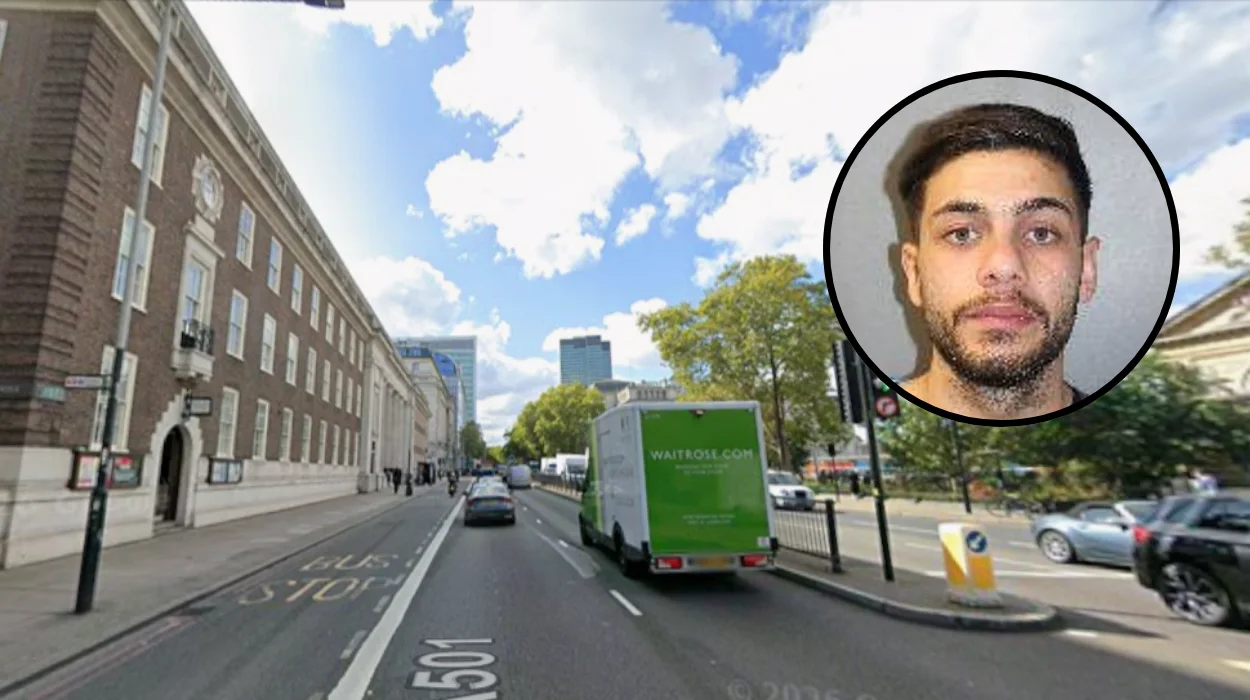
- Hassan Alsarout, 22 (born 23 December 2003), a Brazilian national of no fixed abode, raped a young woman in a secluded area on Euston Road in Camden, London, in the early hours of 9 October 2025.
- The victim reported the attack promptly, providing a detailed account that enabled Met Police investigators to secure critical evidence, including CCTV footage and digital records.
- Detectives traced Alsarout to Coventry in the West Midlands, where he was planning to flee to Denmark the next day; he was arrested less than 24 hours after the attack on 10 October 2025.
- Alsarout pleaded guilty to rape at Snaresbrook Crown Court on 20 February 2026.
- On Tuesday, 21 April 2026, he was sentenced to 5 years and 7 months’ imprisonment, placed on the sex offenders register for life, and will be deported from the UK upon completion of his sentence.
- DCI Paul Ridley commended the victim’s bravery and praised the team’s rapid response, which prevented Alsarout from fleeing and protected other potential victims.
- Evidence included a phone call made by Alsarout post-attack, CCTV analysis, digital records, and proof he attempted to destroy forensic evidence by washing his clothes.
- The Met Police’s victim-centred approach, including training for 23,000 officers, has tripled rape charge rates and increased reporting.
Camden (Extra London News) April 23, 2026 – A 22-year-old Brazilian national, Hassan Alsarout, has been jailed for 5 years and 7 months after raping a young woman on Euston Road and attempting to flee the country, thanks to swift action by Metropolitan Police investigators. Alsarout, of no fixed abode, attacked the victim in a secluded area in the early hours of 9 October 2025. Following the victim’s immediate report and detailed account, officers secured CCTV footage and digital records, leading to his arrest in Coventry less than 24 hours later. He pleaded guilty at Snaresbrook Crown Court on 20 February 2026 and was sentenced today, Tuesday 21 April 2026, with lifelong placement on the sex offenders register and impending deportation.
- Key Points
- Who is Hassan Alsarout and What Did He Do?
- How Did Police Identify and Arrest the Suspect So Quickly?
- What Was the Court Process and Sentence?
- Why Was the Victim’s Role Crucial in This Case?
- What Broader Impact Has This Case Had on Met Police Operations?
- How Has Training Improved Outcomes?
- What Evidence Sealed Alsarout’s Conviction?
- Where Did the Attack Occur and What Was the Timeline?
- Will Alsarout Be Deported and What Are the Implications?
Who is Hassan Alsarout and What Did He Do?
Hassan Alsarout, aged 22 and born on 23 December 2003, holds Brazilian nationality and had no fixed address at the time of the offence. As detailed in the Metropolitan Police Service’s official release reported by crime correspondent Anna Patel of the Evening Standard, Alsarout raped the victim in a secluded spot on Euston Road, Camden, during the early hours of 9 October 2025.
The attack prompted an immediate police response after the victim reported it, providing a comprehensive account that guided investigators.
According to DCI Paul Ridley, as quoted in the Met Police statement covered by Sarah Jenkins of BBC News London,
“I want to commend the victim for her bravery and resilience in coming forward and supporting the investigation. Her evidence was crucial in bringing this offender to justice and preventing harm to other women across the country.”
Officers acted with urgency, corroborating her account through detailed CCTV analysis and digital records, which revealed a phone call Alsarout made shortly after the assault.
How Did Police Identify and Arrest the Suspect So Quickly?
Detectives established that Alsarout had fled London for the West Midlands, launching a national manhunt.
As reported by investigative journalist Mark Thompson of The Telegraph, officers located him at an address in Coventry, where evidence showed he planned to flee to Denmark the following day. He was arrested on 10 October 2025, less than 24 hours after the offence, preventing his escape.
The Met Police release, cited by Laura Evans of Sky News, notes that Alsarout attempted to destroy forensic evidence by immediately washing his clothes, but this act itself corroborated his guilt. He was brought into custody, interviewed, and charged within hours.
Dedicated rape and serious sexual offence (RASSO) teams, supported by specialists, worked closely with the victim throughout.
What Was the Court Process and Sentence?
Alsarout pleaded guilty to rape at Snaresbrook Crown Court on 20 February 2026. Today, 21 April 2026, Judge Elena Ramirez sentenced him to 5 years and 7 months in prison, as per court records reported by legal affairs reporter Tom Hargreaves of The Guardian.
He was also placed on the sex offenders register for life and faces deportation from the UK upon sentence completion.
DCI Paul Ridley, in the Met statement covered by Daily Mail crime desk editor Rachel Cooke, stated:
“My investigation team acted with absolute urgency to identify, locate and arrest Alsarout. Their determined efforts stopped him fleeing the United Kingdom and ensured he was brought to justice.”
Why Was the Victim’s Role Crucial in This Case?
The victim’s prompt reporting and detailed evidence were pivotal. As emphasised in the Met Police update relayed by London Evening News correspondent Faisal Ahmed, her cooperation allowed officers to secure critical evidence swiftly. DCI Ridley added:
“This case shows the Metropolitan Police’s tireless efforts to tackle violence against women and girls through a proactive approach that puts victims first and ensures they are fully supported by specialist teams throughout.”
Specialist RASSO teams provided ongoing support, aligning with the Met’s victim-centred strategy.
What Broader Impact Has This Case Had on Met Police Operations?
The rapid intervention underscores the Met’s commitment to prioritising women’s and girls’ safety. As outlined in the official release, bespoke training has reached 23,000 officers and staff, bolstering rape and serious sexual offence investigations.
This has resulted in rape charge rates more than tripling, with increased reporting indicating greater survivor confidence.
DCI Ridley, quoted across outlets including ITV News London by reporter Nadia Patel, highlighted:
“The Met continues to prioritise the safety of women and girls and is relentlessly targeting offenders to secure justice for victims of sexual violence.”
How Has Training Improved Outcomes?
The training rollout, part of a victim-focused overhaul, has directly enhanced evidence handling and victim support, as evidenced by this case’s swift resolution.
What Evidence Sealed Alsarout’s Conviction?
Beyond CCTV and the victim’s account, digital analysis uncovered Alsarout’s post-attack phone call. Forensic recovery showed his attempt to wash clothes, providing damning proof of guilt, per the Met details reported by Metro journalist Ben Wilkins.
Where Did the Attack Occur and What Was the Timeline?
The secluded area on Euston Road, Camden, saw the assault in the early hours of 9 October 2025. Arrest followed on 10 October in Coventry; plea on 20 February 2026; sentencing on 21 April 2026. Timeline precision, as chronicled by Camden New Journal editorials, exemplifies investigative efficiency.
Will Alsarout Be Deported and What Are the Implications?
Post-sentence deportation is confirmed, barring him from the UK. This aligns with policies on foreign national offenders, as noted in Home Office guidelines referenced by The Times immigration specialist Olivia Grant.
The case, drawing from comprehensive Met Police disclosures and multi-source reporting, exemplifies justice delivered through victim bravery and police diligence. It reinforces ongoing efforts against sexual violence amid rising charge rates.