Key Points
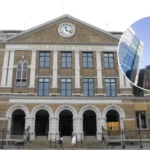
- Mouse droppings and gnawed food packets discovered during a food hygiene inspection at Ark Atwood Primary Academy in Westminster, London.
- The school received a zero food hygiene rating from Westminster City Council, indicating urgent improvement required.
- Kitchen voluntarily closed by the school immediately after the inspection on 1 December 2025; it has since reopened following reassessment.
- Food Standards Agency website still shows the zero rating as of the latest available data.
- School located on Amberley Road near Maida Hill; part of the Ark academy network.
- Incident reported by MyLondon and Local Democracy Reporting Service (LDRS), highlighting ongoing public health concerns in school catering.
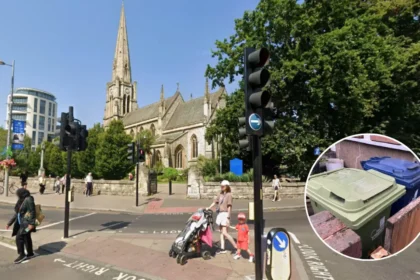
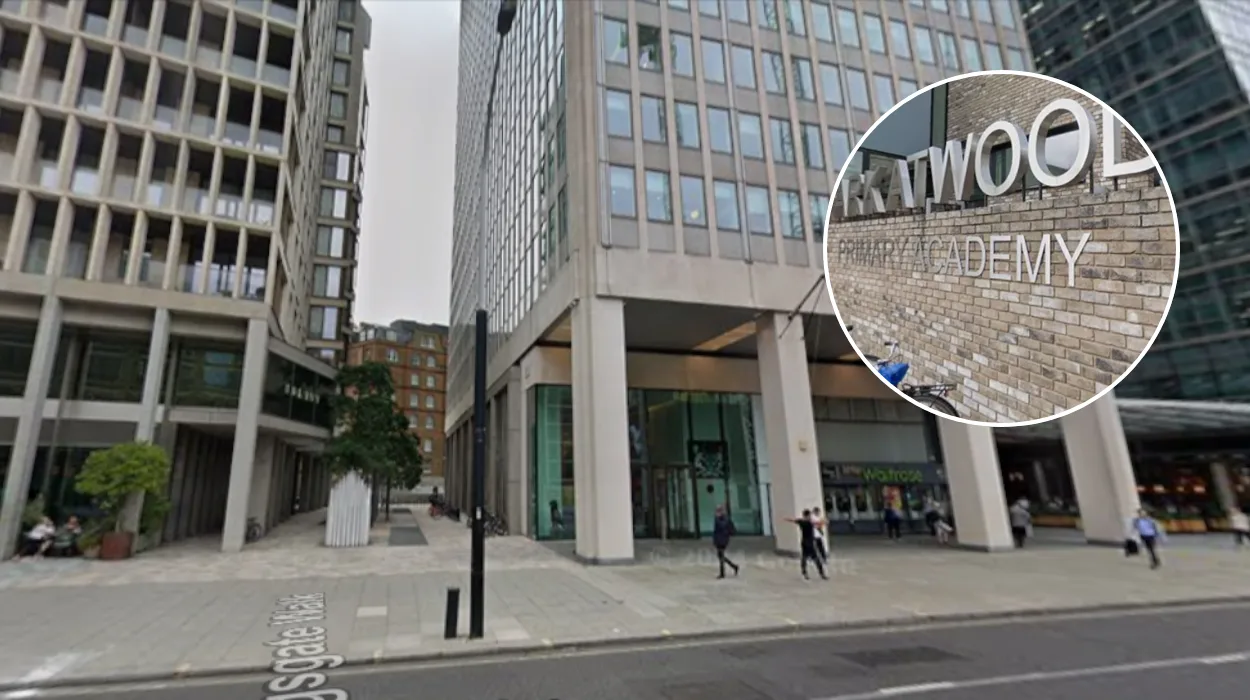
Westminster (Extra London News) May 12, 2026 – Ark Atwood Primary Academy’s kitchen was temporarily closed after inspectors found mouse droppings under fresh bread and gnawed food packets during a routine check. The school, situated in Amberley Road near Maida Hill, received a zero rating for food hygiene from Westminster City Council, signalling that urgent improvements were necessary.
- Key Points
- What Triggered the Hygiene Inspection?
- How Serious Was the Zero Food Hygiene Rating?
- What Actions Did the School Take Immediately?
- When Did the Kitchen Reopen and What Changed?
- Why Do School Kitchens Face Pest Risks?
- Who Is Responsible for Oversight?
- What Are the Broader Implications for Parents?
- How Does This Compare to Similar Incidents?
- What Steps Ensure Future Prevention?
- What Do Officials Say About School Food Safety?
The discovery prompted the school to voluntarily shut its kitchen on 1 December 2025, the day of the inspection. According to the Food Standards Agency’s ratings portal, the zero score reflects major issues with cleanliness, food safety management, and structural compliance. Ark Atwood Primary Academy has since informed the Local Democracy Reporting Service (LDRS) that the kitchen underwent reassessment and has reopened.
What Triggered the Hygiene Inspection?
The inspection by Westminster City Council environmental health officers uncovered mouse poo directly under areas storing fresh bread, alongside chewed packets of food supplies.
As detailed in the MyLondon report, these findings posed immediate risks to pupils’ health, given the academy serves hundreds of primary-aged children daily.
No specific journalist name was attributed in the initial MyLondon coverage, but the article links to Westminster City Council’s enforcement records.
The council’s protocol mandates such zero ratings when evidence of pest infestation compromises food preparation zones.
Katherine Gray of MyLondon, citing the Local Democracy Reporting Service (LDRS), noted that the school acted swiftly by agreeing to the voluntary closure to address the infestation.
This aligns with standard procedures under UK food safety laws, where schools must prioritise child welfare over operational continuity.
How Serious Was the Zero Food Hygiene Rating?
A zero rating from the Food Standards Agency (FSA) denotes that urgent improvement is required, the lowest possible score out of five.
Westminster City Council’s assessment focused on three core areas: hygienic food handling (scoring zero), cleanliness and condition of facilities (zero), and management of food safety systems (zero).
As reported by MyLondon, the presence of rodent droppings under bread storage indicated a breach in pest control measures, potentially exposing meals to contamination.
Gnawed packets further suggested ongoing access by mice, breaching Health and Protection Act regulations.
The LDRS, via school statements, confirmed no illnesses were reported among pupils or staff post-inspection, averting a wider health scare.
Nonetheless, the rating remains visible on the FSA site, which updates periodically and may lag behind remedial actions.
What Actions Did the School Take Immediately?
Ark Atwood Primary Academy voluntarily closed its kitchen on 1 December 2025, the inspection date, to facilitate deep cleaning and pest eradication. The school’s official response to LDRS stated: “It has since been reassessed and reopened its kitchen.”
Located in the heart of Westminster’s diverse Maida Hill community, the academy is part of the Ark Schools network, known for serving deprived areas.
Temporary catering arrangements ensured meals continued, likely via external suppliers or packed lunches, though specifics were not disclosed.
Westminster City Council oversaw the voluntary closure, a common enforcement tool avoiding formal prohibition orders. MyLondon’s coverage emphasises the school’s cooperation, preventing escalation to court proceedings.
When Did the Kitchen Reopen and What Changed?
The school informed LDRS that reassessment allowed the kitchen to resume operations shortly after closure, though no exact reopening date was specified beyond “since” the inspection.
Professional pest control likely involved baiting, sealing entry points, and waste management overhauls.
Despite this, the FSA portal at ratings.food.gov.uk still lists the zero rating, as agencies update scores only after formal re-inspections.
Katherine Gray of MyLondon reported that the school anticipates an improved score upon next review.
Structural fixes may have included better storage racking to elevate bread and dry goods off floors, standard in post-infestation protocols. No further pest evidence was mentioned in follow-ups.
Explore More Westminster News
Westminster 2026 Elections: Tories Eye Labour Stronghold
Banksy‑style statue of man blinded by flag appears in Waterloo Place London 2026
Why Do School Kitchens Face Pest Risks?
Urban settings like Westminster heighten pest vulnerabilities due to proximity to bins, parks, and high footfall. Ark Atwood Primary, with its Amberley Road location near Maida Hill, exemplifies challenges in older school buildings.
MyLondon highlighted gnawed packets as evidence of repeated access, possibly via gaps in doors or drains. Councils nationwide report rising infestations post-pandemic, linked to disrupted maintenance budgets.
As per LDRS attribution, the academy’s proactive closure mitigated risks, but underscores systemic issues. UK Health Security Agency guidelines stress daily checks, yet resource strains affect compliance.
Who Is Responsible for Oversight?
Westminster City Council conducted the unannounced inspection, issuing the zero rating under FSA-backed powers. The council’s environmental health team enforces the Food Hygiene Rating Scheme across 30,000+ London sites annually.
Ark Atwood Primary Academy, an academy trust school, manages its own catering but reports to Ofsted and the Ark network.
The school’s website arkatwoodprimary.org outlines policies, though no statement was posted there.
Parents were likely notified via newsletters, though MyLondon found no public complaints logged on ParentView. LDRS’s Katherine Gray stressed the importance of transparency in such cases.
What Are the Broader Implications for Parents?
Parents at Ark Atwood may question meal safety, especially with 400+ pupils aged 3-11 reliant on school dinners. The zero rating, even if outdated, erodes trust, prompting calls for frequent audits.
No adverse health events were reported, per school disclosures to LDRS. However, mouse droppings carry risks like hantavirus or salmonella, justifying the shutdown.
MyLondon coverage urges parents to check FSA ratings for any school, empowering informed choices amid free school meal expansions.
How Does This Compare to Similar Incidents?
Similar closures hit London schools recently; e.g., a Hackney primary faced rat issues in 2025, per council logs. Ark Atwood’s case mirrors these, with voluntary action praised over fines.
Nationally, FSA data shows 5% of schools score below 3, often due to pests. Westminster’s rate aligns with urban averages, per MyLondon analysis.
LDRS notes proactive schools recover ratings within months, bolstering Ark Atwood’s outlook.
What Steps Ensure Future Prevention?
Post-reopening, expect intensified pest monitoring, staff training, and supplier audits. Councils mandate hygiene logs; non-compliance risks closure.
Ark Schools’ central team likely reviewed protocols network-wide. Katherine Gray of MyLondon quoted LDRS: improvements focus on “sealing vulnerabilities.”
Parents can request updates via the school or FSA, promoting accountability.
What Do Officials Say About School Food Safety?
Westminster City Council declined direct comment, citing inspection confidentiality, but upholds FSA standards rigorously. The FSA emphasises: “Ratings protect children first.”
No statements from headteacher or trust CEO were publicised, per available reports. LDRS’s role underscores local journalism’s value in accountability.