Shoreditch combines centuries of urban history with contemporary creativity. The district contains internationally recognised street art, independent food markets, historic industrial buildings, music venues, and nightlife destinations. Its transformation from a working-class neighbourhood into a global cultural hub defines modern East London.
- How did Shoreditch become London’s centre for street art?
- What are the most important street art locations in Shoreditch?
- How did Shoreditch develop its distinctive food culture?
- Why are Shoreditch markets important to visitors?
- How did Shoreditch become a nightlife destination?
- What historic buildings can visitors still see in Shoreditch?
- How has technology influenced modern Shoreditch?
- Why does Shoreditch remain culturally significant today?
- What can visitors learn from Shoreditch’s history and culture?
Located in the East End of London, Shoreditch sits within the London Borough of Hackney and borders Spitalfields. The area attracts visitors from around the world because of its concentration of creative industries, cultural attractions, restaurants, bars, galleries, and public art.
Historically, Shoreditch developed outside the medieval boundaries of the City of London. During the sixteenth century, it became associated with England’s earliest purpose-built theatres. Industrialisation later transformed the district into a centre of manufacturing and commerce.
The late twentieth century marked another significant transition. Former warehouses and factories became affordable spaces for artists, designers, and entrepreneurs. This process accelerated during the 1990s and early 2000s, creating the Shoreditch recognised today.
Visitors searching for things to do in Shoreditch typically seek three experiences: street art, food culture, and nightlife. Each reflects different stages of the area’s historical evolution and cultural development.
How did Shoreditch become London’s centre for street art?
Shoreditch became a street art destination through industrial decline, affordable creative spaces, and strong artistic communities. Large warehouse walls provided ideal canvases. International artists, local creatives, and cultural institutions transformed public spaces into one of Europe’s most recognised open-air galleries.
Street art emerged in Shoreditch during the 1980s and expanded rapidly throughout the 1990s. Industrial buildings offered extensive wall space suitable for murals, graffiti, and public artworks.
The arrival of creative professionals accelerated artistic activity. Graffiti evolved into sophisticated visual art featuring political commentary, social themes, typography, and contemporary design.
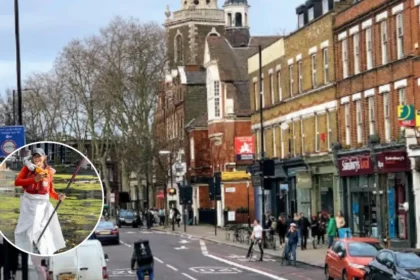
Several streets became internationally recognised for their visual culture. Redchurch Street, Rivington Street, Great Eastern Street, and Brick Lane developed reputations as locations where visitors could observe constantly changing artistic works.
A defining characteristic of Shoreditch street art is impermanence. Murals frequently replace earlier pieces, creating a continuously evolving urban gallery that reflects broader patterns of urban change.
The district has hosted works by internationally known artists, including Banksy. However, Shoreditch’s significance extends beyond individual artists. The area functions as a collective creative environment where emerging and established practitioners contribute simultaneously.
Street art tours now form a substantial part of London’s cultural tourism sector. Educational institutions frequently use Shoreditch murals as examples of contemporary urban expression and public art practices.
What are the most important street art locations in Shoreditch?
The most significant street art locations include Brick Lane, Great Eastern Street, Rivington Street, and the area surrounding Shoreditch High Street. These locations contain rotating murals, commissioned artworks, and historically significant examples of East London’s public art movement.
Brick Lane remains one of the district’s most visited artistic corridors. Walls, railway arches, and commercial facades display artworks ranging from small stencil pieces to large-scale murals.
Understanding The History of Brick Lane: A Street of Constant Change helps explain why this area became one of London’s most important street art destinations. Over centuries, Brick Lane evolved from a rural pathway into a multicultural urban corridor shaped by successive immigrant communities. Huguenot silk weavers, Jewish merchants, and Bangladeshi entrepreneurs each contributed to the district’s cultural identity, creating an environment that embraces creativity and change.
The street itself possesses historical significance extending beyond visual art. As successive communities settled in the area, public spaces became expressions of cultural identity and community transformation.
The history of Brick Lane demonstrates how East London continuously adapts to new social and economic conditions. To experience this historic landmark in person today, consult our comprehensive [Things to Do in Shoreditch: Street Art, Food & Nightlife] for itineraries and visiting parameters.
Great Eastern Street contains some of Shoreditch’s largest mural projects, while Rivington Street remains a focal point for artistic activity and creative businesses.
How did Shoreditch develop its distinctive food culture?
Shoreditch food culture emerged through immigration, industrial employment, market trading, and modern entrepreneurship. Successive communities introduced new cuisines. Independent restaurants, food markets, and contemporary dining concepts transformed the district into one of London’s leading culinary destinations.
Food history in Shoreditch reflects broader demographic changes across East London.
During the nineteenth century, working-class residents relied on local markets supplying affordable produce. Industrial workers required inexpensive and accessible food sources close to factories and workshops.
Immigration significantly expanded culinary diversity. The development of Shoreditch’s food scene cannot be separated from The History of Brick Lane: A Street of Constant Change. Brick Lane became internationally known for South Asian restaurants during the late twentieth century, reflecting broader demographic shifts across East London.
Restaurants established by Bangladeshi entrepreneurs contributed significantly to London’s reputation as a multicultural food capital. Their success transformed Brick Lane into one of Britain’s best-known culinary districts.
The twenty-first century introduced another phase of development. Former industrial spaces became locations for food halls, artisan bakeries, specialty coffee shops, and independent restaurants.
Today, visitors can encounter cuisines representing multiple continents within a relatively compact geographic area, making Shoreditch one of London’s most diverse food destinations.
Why are Shoreditch markets important to visitors?
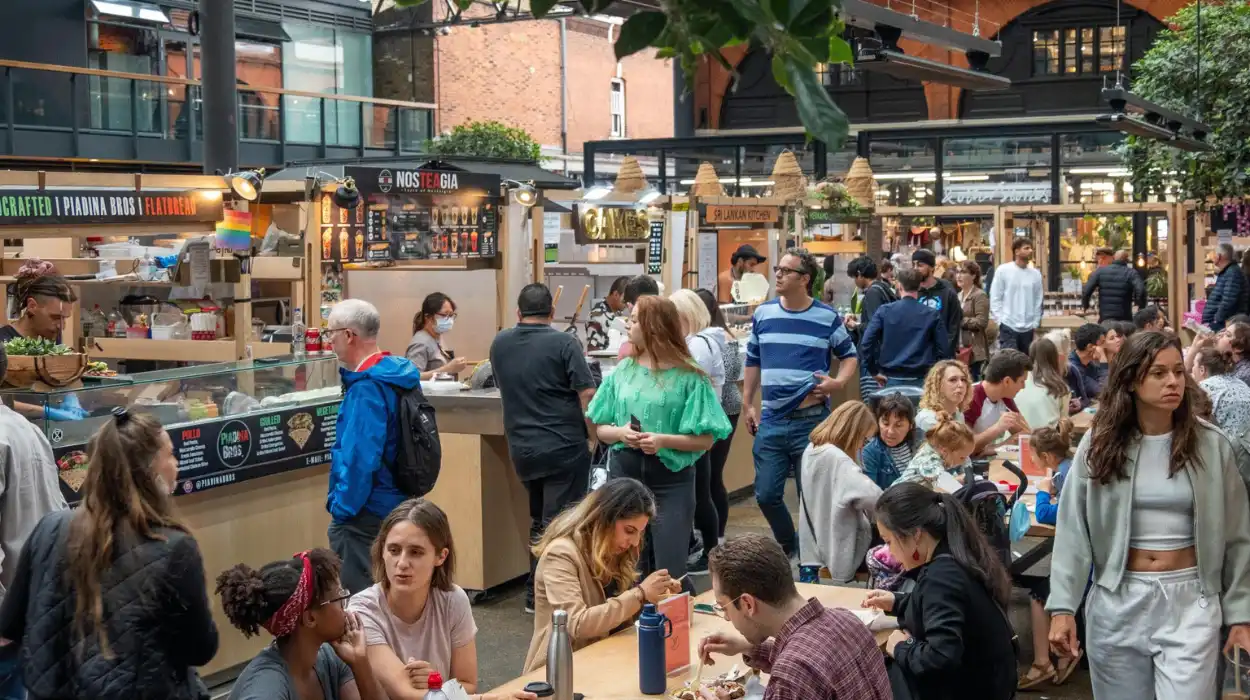
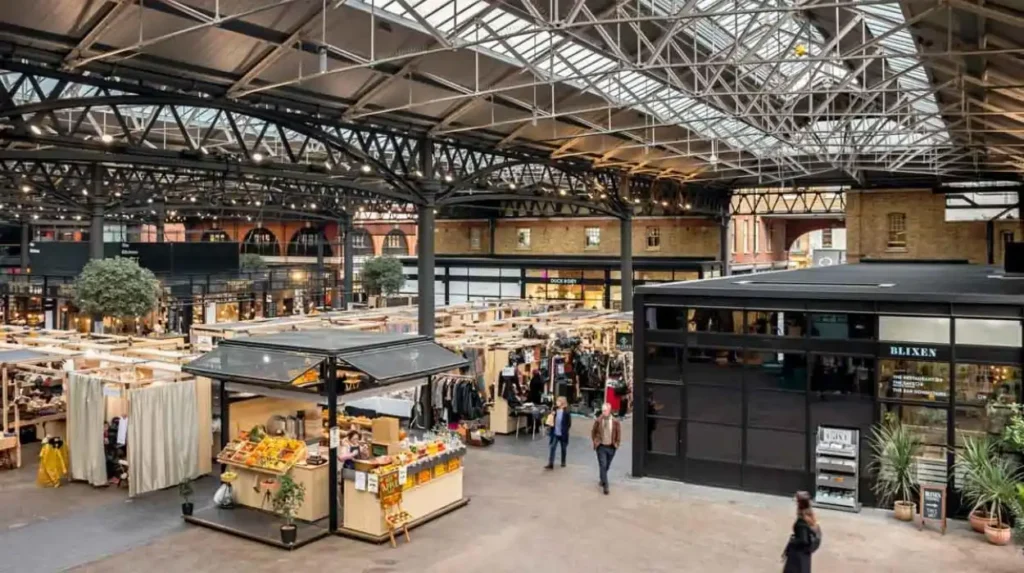
Shoreditch markets combine historical trading traditions with contemporary retail culture. Markets support independent businesses, local producers, artisans, and food vendors. They preserve East London’s commercial heritage while providing accessible experiences for residents and international tourists.
Markets have shaped East London for centuries. Their role predates modern retail systems and reflects longstanding patterns of urban commerce.
Many visitors exploring local markets also seek to understand The History of Brick Lane: A Street of Constant Change. Historic trading activities along Brick Lane contributed to East London’s commercial development for generations. Merchants, artisans, and entrepreneurs used the area as a centre for commerce, creating traditions that continue in today’s market culture.
Contemporary markets continue this legacy while adapting to modern consumer preferences. Food vendors represent diverse culinary traditions, while creative entrepreneurs use market spaces to sell art, fashion, crafts, and design products.
These markets contribute significantly to Shoreditch’s reputation as a centre for independent creativity and innovation.
How did Shoreditch become a nightlife destination?
Shoreditch developed into a nightlife centre through adaptive reuse of industrial buildings, growth of creative industries, and demand for entertainment venues. Historic warehouses became bars, clubs, music spaces, and cultural venues that attract visitors from across London and internationally.
Nightlife growth accelerated during the 1990s. Property values remained relatively affordable compared with central London districts.
Entrepreneurs converted former industrial buildings into entertainment venues. These structures offered large floor areas, distinctive architecture, and flexibility for creative adaptation.
Music venues became especially influential. Live performances attracted diverse audiences and supported London’s broader creative economy.
Today, Shoreditch remains one of London’s most recognised evening destinations, attracting both residents and tourists seeking contemporary urban culture.
What historic buildings can visitors still see in Shoreditch?
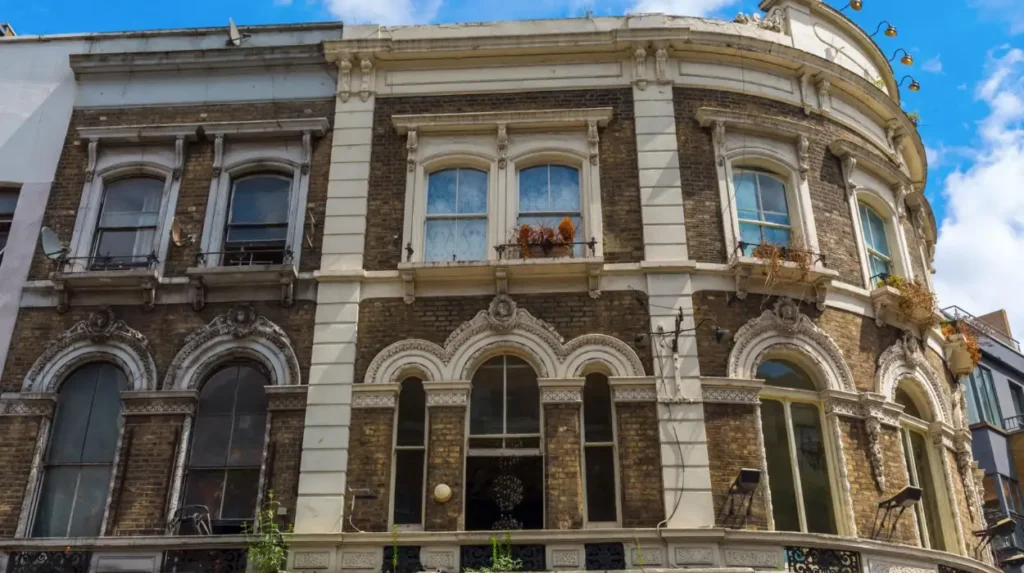
Visitors can still observe Victorian warehouses, industrial structures, former manufacturing premises, and historic streetscapes throughout Shoreditch. These buildings document centuries of economic change and provide tangible evidence of the district’s evolution from suburb to industrial centre and creative hub.
Architectural heritage remains visible despite extensive redevelopment.
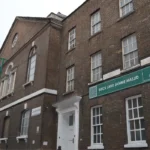
Victorian warehouses represent one of the most prominent building types. Their brick facades, large windows, and robust construction reflect nineteenth-century commercial requirements.
Former industrial premises illustrate Shoreditch’s role within London’s manufacturing economy. Adaptive reuse has allowed many historic structures to become offices, galleries, restaurants, and residential spaces while preserving important architectural character.
These surviving buildings provide physical evidence of economic changes that shaped East London over several centuries.
How has technology influenced modern Shoreditch?
Technology transformed Shoreditch through the emergence of digital businesses, startups, and innovation clusters. The district became associated with London’s technology sector while maintaining connections to its creative heritage, producing a unique combination of culture, entrepreneurship, and innovation.
The early twenty-first century witnessed significant economic diversification.
Technology companies established operations around Old Street Roundabout, creating what became informally known as Silicon Roundabout. This concentration of digital businesses attracted investment, talent, and international attention.
Technology businesses contributed to employment growth and investment while influencing retail, hospitality, and residential development.
Importantly, Shoreditch’s technological transformation occurred alongside existing cultural activities rather than replacing them entirely.
Why does Shoreditch remain culturally significant today?
Shoreditch remains culturally significant because it represents continuous urban adaptation. The district preserves historical layers while supporting contemporary creativity. Its architecture, public art, food culture, and nightlife collectively illustrate how cities evolve through migration, economic change, and cultural innovation.
The cultural significance of Shoreditch is closely connected to The History of Brick Lane: A Street of Constant Change. Brick Lane serves as a physical record of London’s evolving social history. Historic buildings, former religious institutions, market spaces, and contemporary street art collectively demonstrate how communities continuously reshape urban environments while preserving aspects of their heritage.
Today, Shoreditch stands as one of London’s clearest examples of urban regeneration. The area’s history includes medieval settlement, theatrical innovation, industrial growth, post-industrial decline, artistic regeneration, and technological expansion.
Public art, independent businesses, creative industries, and historic architecture continue attracting visitors from around the world.
Educational institutions frequently study Shoreditch as an example of urban redevelopment, cultural production, and heritage preservation.
What can visitors learn from Shoreditch’s history and culture?
Visitors can learn how migration, commerce, creativity, and urban redevelopment shape cities over time. Shoreditch demonstrates the interaction between heritage preservation and modern innovation, providing a living example of London’s capacity for continuous cultural and economic transformation.
A complete understanding of Shoreditch requires examining The History of Brick Lane: A Street of Constant Change. Few streets in London demonstrate urban transformation as clearly. From immigration and industry to food culture and street art, Brick Lane reflects the broader historical forces that shaped East London.
Shoreditch illustrates the impact of migration, industrialisation, deindustrialisation, and cultural renewal on urban development. Street art exists alongside Victorian architecture. Technology firms occupy former industrial buildings. Food markets operate within historic commercial traditions.
These connections between past and present create a distinctive urban environment that continues to evolve while maintaining links to its historical foundations.
For visitors seeking things to do in Shoreditch, the district offers more than entertainment. It provides insight into how London has evolved across centuries while continuing to reinvent itself. Together, Shoreditch and Brick Lane offer a unique opportunity to experience both London’s heritage and its contemporary cultural identity, ensuring their place among the capital’s most dynamic and historically significant destinations.
Where is Shoreditch located?
Shoreditch is located in East London within the London Borough of Hackney. It sits north of the City of London and borders Spitalfields, Bethnal Green, Hoxton, and Brick Lane.