The Changing of the Guard at Buckingham Palace is one of the most recognised ceremonial events in the United Kingdom. The ceremony combines military tradition, royal symbolism, and public spectacle in the heart of London. For millions of visitors each year, it provides a direct connection to centuries of British monarchy and state ceremony.
- What is the Changing of the Guard at Buckingham Palace?
- Why is Buckingham Palace important to British history?
- How did the Changing of the Guard ceremony develop?
- Which military units participate in the ceremony?
- How does the Changing of the Guard ceremony take place?
- Why do the guards wear distinctive uniforms?
- What role does Buckingham Palace play in modern Britain?
- When is the best time to watch the ceremony?
- How has the ceremony become a global cultural symbol?
- How is Buckingham Palace preserved for future generations?
Understanding the ceremony requires understanding Buckingham Palace itself. The palace serves as the official London residence of the British monarch and remains one of the most important symbols of the British Crown. The history of the building, the evolution of royal ceremonies, and the role of the Household Division all contribute to the significance of the Changing of the Guard today.
What is the Changing of the Guard at Buckingham Palace?
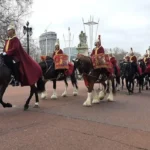
The Changing of the Guard is a formal military ceremony in which soldiers responsible for protecting Buckingham Palace transfer duties to a new guard contingent. The tradition reflects centuries of military discipline, royal security, and ceremonial continuity that remain central to Britain’s constitutional monarchy today.
The ceremony involves soldiers from the Household Division, the elite military units tasked with guarding the monarch’s official residences. During the event, the Old Guard formally hands responsibility to the New Guard through a series of military movements and inspections.
Although often viewed primarily as a tourist attraction, the ceremony remains an operational military procedure. Guards on duty continue to perform genuine security functions while simultaneously representing the British Army in one of the world’s most visible ceremonial roles.
The ceremony typically attracts thousands of spectators and has become one of London’s most photographed events. It symbolizes continuity between historic royal traditions and modern constitutional governance.
Why is Buckingham Palace important to British history?
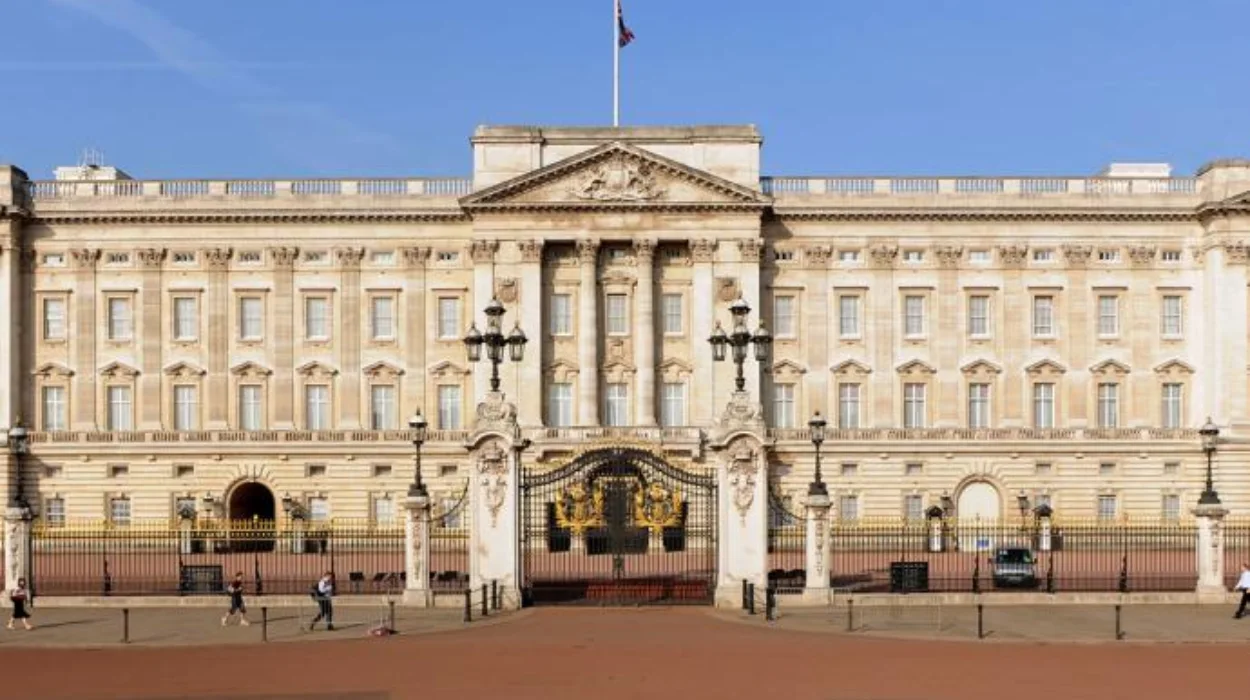
Buckingham Palace serves as the official London residence of the British monarch and functions as a centre of state occasions, royal ceremonies, and national events. Its development reflects the growth of Britain’s monarchy, empire, constitutional system, and national identity over more than three centuries.
The site originally contained Buckingham House, built in 1703 for John Sheffield, the Duke of Buckingham. At the time, it was a large townhouse rather than a royal residence.
In 1761, King George III purchased the property for Queen Charlotte. The building became known as the Queen’s House and served as a private royal residence.
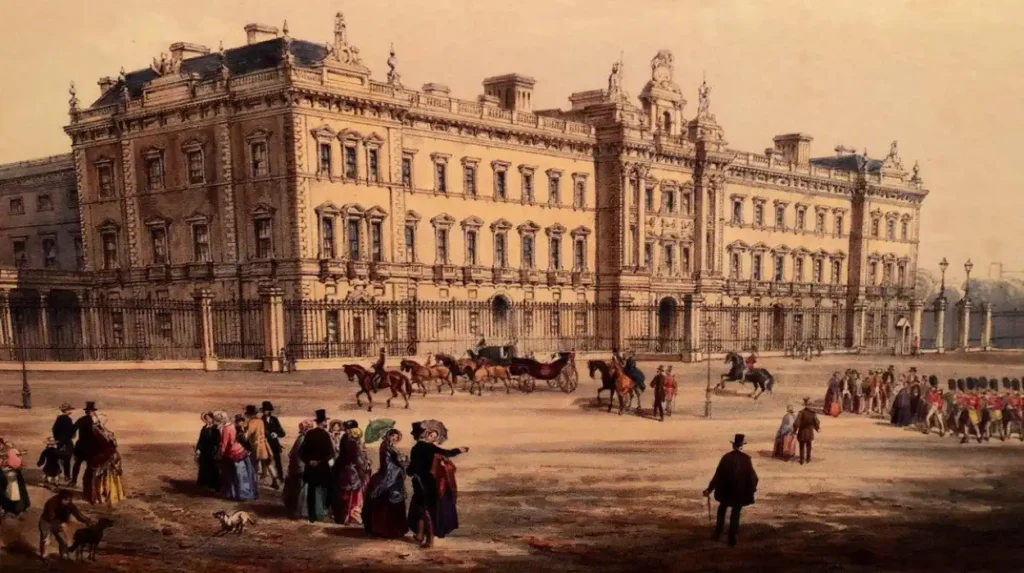
The transformation into a palace began during the reign of King George IV. Architect John Nash received instructions to expand the structure into a grand royal residence. Extensive construction work during the 1820s dramatically increased the building’s scale and ceremonial function.
Buckingham Palace officially became the principal royal residence in London when Queen Victoria moved there after her accession in 1837. Since then, it has served as the administrative headquarters of the monarchy and the location for major royal events.
Today, the palace contains approximately 775 rooms, including state rooms, offices, staff accommodation, and private royal apartments. It remains one of the most important functioning royal residences in the world.
How did the Changing of the Guard ceremony develop?
The Changing of the Guard evolved from practical military security procedures used to protect royal residences. Over several centuries, these operational requirements developed into a highly structured ceremonial tradition that reflects military professionalism, royal authority, and national heritage.
Military guards have protected English and later British monarchs for centuries. Permanent guard duties became increasingly formalized during the seventeenth and eighteenth centuries as standing armies developed.
The Household Division emerged as the primary military force responsible for royal protection. These units include the Foot Guards and Household Cavalry, organizations with long histories of service to the Crown.
As royal residences became more accessible to the public during the nineteenth century, ceremonial aspects of guard duty gained greater prominence. Precision marching, military music, and formal inspections became important public displays.
The ceremony gradually evolved into a national symbol. It demonstrated military discipline while reinforcing the constitutional relationship between the armed forces and the monarchy.
Modern versions of the ceremony retain operational significance while preserving traditions established across multiple centuries.
Which military units participate in the ceremony?
The ceremony is conducted primarily by regiments of the Household Division. These units include elite infantry regiments and ceremonial military formations that combine operational military responsibilities with duties connected to the British monarch and royal residences.
Five regiments of Foot Guards commonly participate:
The Grenadier Guards were formed in 1656 and are recognized by a single button spacing pattern on their tunics.
The Coldstream Guards were formed in 1650 and represent one of the oldest continuously serving regiments in the British Army.
The Scots Guards trace their origins to 1642 and maintain a distinguished military record across numerous conflicts.
The Irish Guards were established in 1900 following the Second Boer War.
The Welsh Guards were created in 1915 during the First World War.
Each regiment possesses distinct insignia, button arrangements, and ceremonial traditions. These differences allow military observers to identify units participating in the ceremony.
Military bands frequently accompany the guards. These musicians perform traditional marches, military compositions, and occasionally contemporary arrangements during ceremonial movements.
How does the Changing of the Guard ceremony take place?
The ceremony follows a carefully structured sequence involving military formations, inspections, musical performances, and formal transfer of responsibilities. Every movement follows established protocols designed to ensure precision, discipline, and ceremonial consistency throughout the event.
The New Guard typically marches toward Buckingham Palace from Wellington Barracks. Military bands often accompany the contingent.
Upon arrival, the New Guard enters the palace forecourt. The Old Guard prepares to transfer responsibilities.
Senior officers supervise inspections and confirm readiness for the transition. Formal military procedures ensure accountability for security duties.
Musical performances accompany portions of the ceremony. Military bands contribute significantly to the atmosphere and public appeal of the event.
After the transfer is completed, the Old Guard departs and returns to barracks. The New Guard assumes responsibility for palace protection.
The ceremony generally lasts approximately forty-five minutes, although exact timings vary depending on operational requirements and special events.
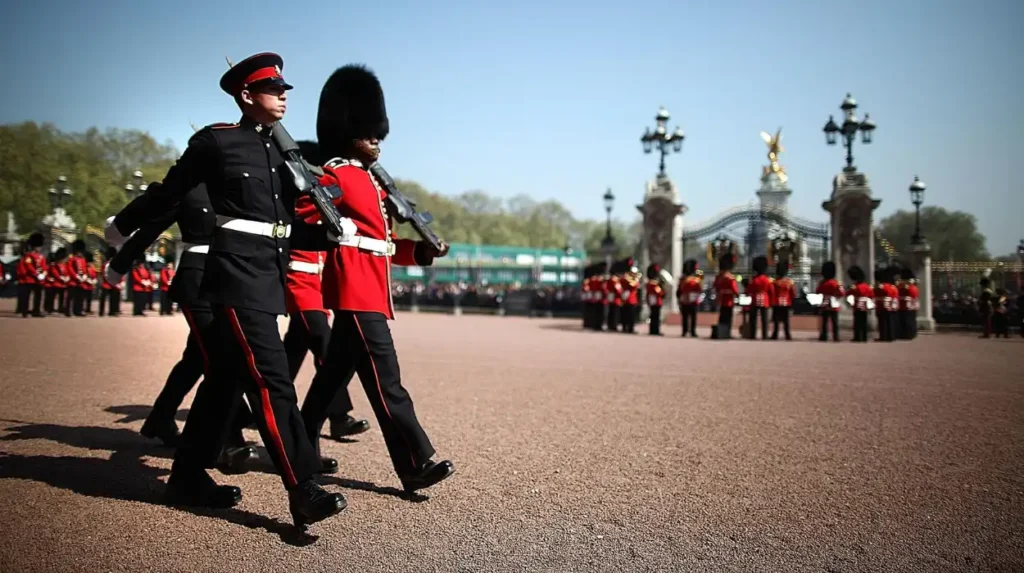
Why do the guards wear distinctive uniforms?
The iconic uniforms worn during the ceremony reflect centuries of military tradition. Their design preserves historical military identity while providing visual continuity between modern ceremonial duties and the historical development of Britain’s armed forces and monarchy.
The red tunics originated from military uniforms used by British soldiers during earlier centuries. Red dye was widely available and became associated with British military forces.
The famous bearskin caps have origins connected to military victories during the Napoleonic Wars. Following the Battle of Waterloo in 1815, British guards adopted bearskin headgear inspired by defeated French Imperial Guard units.
Modern bearskins stand approximately eighteen inches high and remain one of the most recognizable elements of British ceremonial dress.
Different regiments display subtle distinctions in uniform details, including plume positions, button groupings, and insignia.
Although ceremonial in appearance, the uniforms represent genuine military heritage rather than theatrical costume.
What role does Buckingham Palace play in modern Britain?
Buckingham Palace remains a working institution that supports constitutional monarchy, state functions, diplomatic engagement, and national ceremonies. The building serves both practical governmental purposes and symbolic functions that connect contemporary Britain with its historical traditions.
The palace hosts state banquets, diplomatic receptions, investitures, and official ceremonies throughout the year.
Foreign heads of state visiting the United Kingdom are often welcomed at Buckingham Palace. These events contribute to diplomatic relations and international representation.
The palace also serves as a focal point during national celebrations and periods of national mourning.
Annual events bring significant public attention. Examples include royal weddings, jubilees, coronations, and state visits.
Public interest in the monarchy continues to make Buckingham Palace one of Britain’s most visited and photographed landmarks.
To experience this historic landmark in person today, consult our comprehensive Watching the Changing of the Guard at Buckingham Palace: Visitor Tips and Guide for itineraries and visiting parameters.
When is the best time to watch the ceremony?
Visitors achieve the best viewing experience by arriving early, understanding seasonal schedules, and selecting strategic viewing locations. Advance planning significantly improves visibility, crowd management, and overall appreciation of the military precision displayed during the event.
Attendance varies throughout the year. Summer months generally attract the largest crowds because of increased tourism.
Arriving at least one hour before the scheduled ceremony provides better opportunities to secure viewing positions near palace railings.
Several viewing areas offer different perspectives. The Victoria Memorial area provides elevated sightlines, while sections along The Mall allow visitors to observe marching contingents approaching the palace.
Weather conditions can influence attendance and viewing comfort. Planning for changing London weather improves the visitor experience.
Checking official schedules before arrival remains essential because ceremonial timings occasionally change due to operational or state requirements.
How has the ceremony become a global cultural symbol?
The Changing of the Guard has become an internationally recognized symbol of British heritage through tourism, media coverage, state ceremonies, and cultural representation. Its visibility reinforces global awareness of British history, military traditions, and constitutional monarchy.
Television broadcasts have introduced the ceremony to international audiences for decades.
Tourism campaigns frequently feature images of guards in red tunics and bearskin caps. These visuals have become closely associated with London itself.
The ceremony also appears in educational materials, documentaries, and historical publications examining British institutions.
International visitors often identify the ceremony as one of the defining experiences of a visit to London. Its popularity contributes significantly to cultural tourism.
The event illustrates how ceremonial traditions can maintain relevance while preserving historical continuity across generations.
How is Buckingham Palace preserved for future generations?
Buckingham Palace is preserved through extensive conservation programs, architectural maintenance, historical research, and heritage management initiatives. These efforts ensure that the building continues functioning as a working royal residence while protecting its historical significance for future generations.
The palace has undergone numerous restoration and modernization projects throughout its history.
Large-scale refurbishment programmes address infrastructure challenges associated with maintaining a historic building that remains in active use.
Conservation specialists preserve artworks, furnishings, architectural features, and ceremonial spaces located within the palace.
Historical archives support research into the building’s development and changing role within British society.
Preservation efforts balance heritage protection with modern operational requirements. This approach allows Buckingham Palace to remain both a historic monument and a functioning institution.
As one of the world’s most recognized royal residences, Buckingham Palace continues to represent centuries of constitutional evolution, architectural development, military tradition, and national identity. The Changing of the Guard remains one of the clearest public expressions of that enduring historical legacy, connecting modern visitors with traditions that have shaped Britain for generations.
What is the Changing of the Guard at Buckingham Palace?
The Changing of the Guard is a ceremonial military event where the soldiers guarding Buckingham Palace are replaced by a new contingent from the Household Division.