Canary Wharf combines internationally recognised skyscrapers, waterfront public spaces, luxury shopping, major business headquarters, public art, and year-round leisure attractions. Its transformation from historic docklands into a modern urban district created one of London’s most significant regeneration projects and visitor destinations.
- What makes Canary Wharf’s skyscrapers worth seeing?
- How can visitors explore Canary Wharf’s waterfront walks?
- Where can visitors find shopping opportunities in Canary Wharf?
- What dining experiences does Canary Wharf offer?
- How does public art enhance the Canary Wharf experience?
- How has Canary Wharf transformed from docks to a leisure destination?
- What seasonal attractions and leisure activities are available throughout the year?
- Why does Canary Wharf remain important to London’s future?
Located in East London, Canary Wharf occupies part of the former West India Docks on the Isle of Dogs. The district covers more than 120 acres and serves as one of the United Kingdom’s largest financial centres. Alongside its economic role, it has evolved into a major visitor destination that attracts millions of people annually.
The area is defined by its skyline, waterfront promenades, shopping centres, restaurants, public squares, and cultural installations. Visitors encounter a landscape where nineteenth-century dock infrastructure exists alongside some of Britain’s tallest buildings.
Canary Wharf’s significance extends beyond commerce. The district represents one of the most ambitious urban regeneration projects in modern European history. Former industrial docklands became a mixed-use environment supporting employment, tourism, culture, recreation, and residential development.
Today, visitors explore landscaped parks, public art collections, waterside walkways, and entertainment venues while experiencing a unique section of London that differs substantially from traditional historic districts such as Westminster or the City of London.
What makes Canary Wharf’s skyscrapers worth seeing?
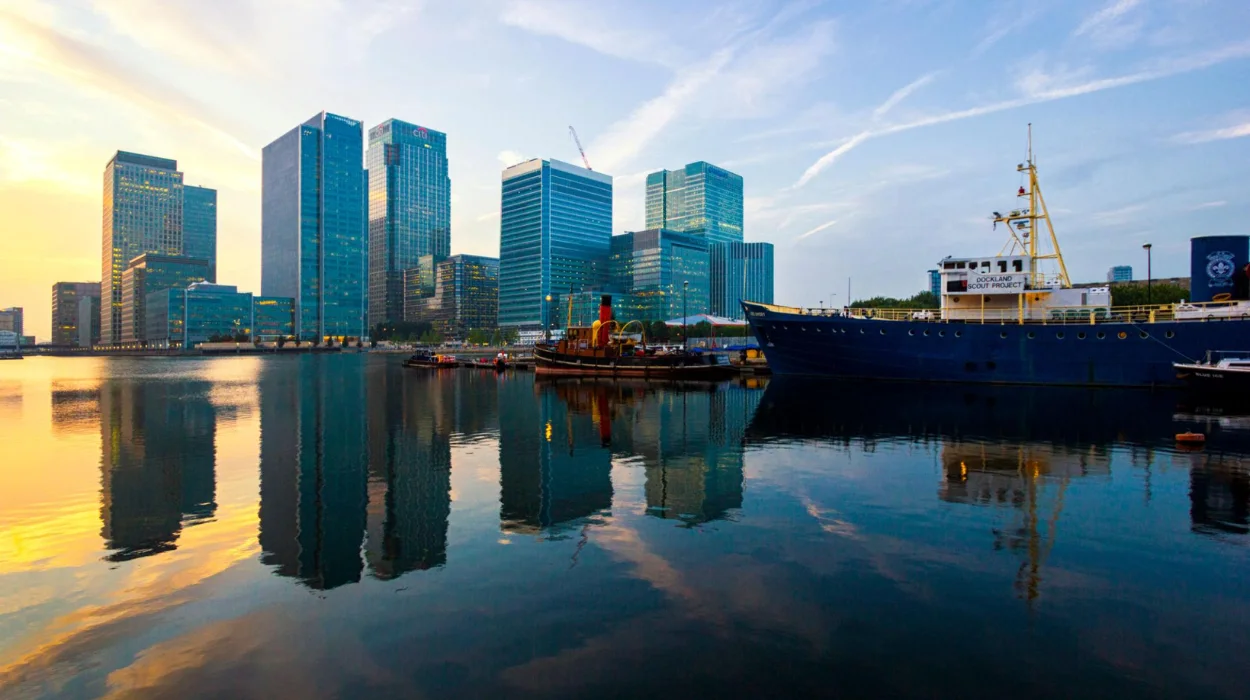
Canary Wharf contains some of the United Kingdom’s tallest and most recognisable buildings. These towers demonstrate late twentieth-century and early twenty-first-century architectural development while creating one of London’s most distinctive skylines and urban landscapes.
The skyline emerged following the decline of London’s docks during the second half of the twentieth century. Large-scale redevelopment began in the late 1980s when developers sought to create a new business district capable of accommodating modern office requirements.
The most iconic structure is the 50-storey One Canada Square. Completed in 1991, the building reaches approximately 235 metres in height. Its pyramid-shaped roof became an instantly recognisable feature of London’s skyline.
Other prominent towers include the office developments at Canary Wharf Group’s commercial estate. These structures illustrate evolving architectural trends through their use of glass curtain walls, steel frameworks, energy-efficient technologies, and contemporary urban planning principles.
The concentration of high-rise buildings creates a visual experience uncommon elsewhere in London. Unlike historic areas constrained by heritage preservation requirements, Canary Wharf allowed planners and architects to pursue large-scale vertical development.
Photographers frequently visit the district to capture skyline views reflected in dock waters. Early morning and evening light conditions produce particularly striking scenes around the North Dock, South Dock, and Middle Dock areas.
The skyscrapers also demonstrate broader economic changes. Their construction reflects London’s transition from a manufacturing and port economy toward finance, technology, professional services, and global business operations.
How can visitors explore Canary Wharf’s waterfront walks?
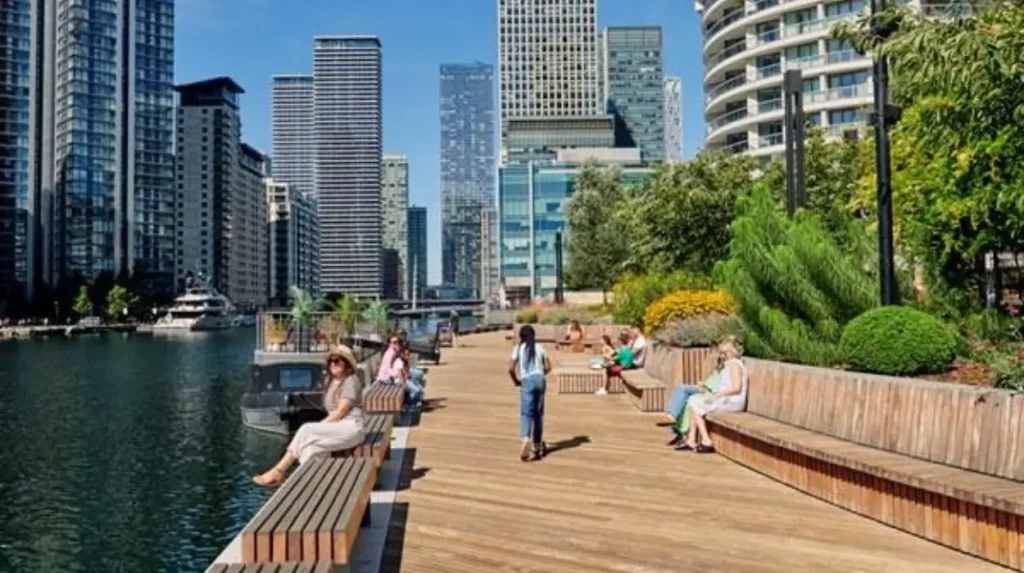
Canary Wharf offers extensive waterfront routes around former dock basins, combining historical dock infrastructure with landscaped public spaces. These pedestrian-friendly pathways provide scenic views, public art, architecture, and opportunities to understand the area’s maritime heritage.
The district’s waterfront environment originates from the historic dock system constructed during the early nineteenth century. The West India Docks opened in 1802 and became among the busiest commercial dock facilities in the world.
Modern redevelopment preserved much of the original dock structure. Instead of filling the basins, planners incorporated them into the public realm. This decision created a distinctive urban environment centred around water.
Walking routes connect multiple dock areas. Visitors move between commercial plazas, gardens, bridges, and waterside promenades while maintaining continuous access to waterfront views.
Jubilee Park provides a notable green space within the urban landscape. Positioned above transport infrastructure, the park introduces trees, lawns, and landscaped gardens into the heart of the district.
The waterside environment supports wildlife despite its urban setting. Birds regularly inhabit the dock areas, contributing to biodiversity within central London.
Several bridges connect different sections of Canary Wharf, enhancing pedestrian accessibility. These crossings provide elevated perspectives of the docks and surrounding architecture.
The waterfront also serves as a venue for seasonal events, public exhibitions, and community activities. The combination of water, architecture, and open space creates an environment suited to both leisure and exploration.
To experience this historic landmark in person today, consult our comprehensive The Rise of Canary Wharf: From Docklands to Global Financial Centre for itineraries and visiting parameters.
Where can visitors find shopping opportunities in Canary Wharf?
Canary Wharf contains one of London’s largest retail concentrations outside the West End. Visitors access hundreds of shops ranging from international luxury brands to everyday retailers through interconnected shopping malls and public concourses.
Retail development formed a central component of Canary Wharf’s transformation. Urban planners designed the district as a mixed-use destination rather than solely a financial centre.
The shopping estate extends across multiple interconnected complexes. Underground passages, covered walkways, and public plazas connect retail environments throughout the district.
International fashion brands, technology retailers, lifestyle stores, and specialist boutiques operate alongside essential services. This diversity supports both residents and visitors.
The retail environment benefits from weather-protected infrastructure. Large portions of the shopping network remain accessible regardless of seasonal conditions, enhancing year-round visitor appeal.
Architectural design plays a significant role in the shopping experience. Glass roofs, spacious concourses, public art installations, and landscaped areas contribute to a modern urban atmosphere.
The concentration of retail activity reflects broader trends in contemporary city planning. Mixed-use districts increasingly combine employment, shopping, leisure, and residential functions within integrated developments.
Seasonal markets and temporary retail events further diversify visitor experiences. These activities complement permanent retail offerings while encouraging repeat visits.
The shopping district also benefits from exceptional transport connectivity. The Jubilee line, Elizabeth line, Docklands Light Railway, river services, and bus networks provide efficient access from across London.
What dining experiences does Canary Wharf offer?
Canary Wharf provides one of London’s most diverse dining scenes, featuring international cuisine, waterfront restaurants, casual eateries, fine dining establishments, and contemporary food markets that serve workers, residents, and tourists throughout the year.
The area’s dining landscape evolved alongside its economic growth. Early development focused on serving office workers, but subsequent expansion created a broader hospitality sector appealing to diverse audiences.
Restaurants represent cuisines from multiple global regions. Visitors encounter European, Asian, Middle Eastern, Mediterranean, and American culinary traditions within a relatively compact geographic area.
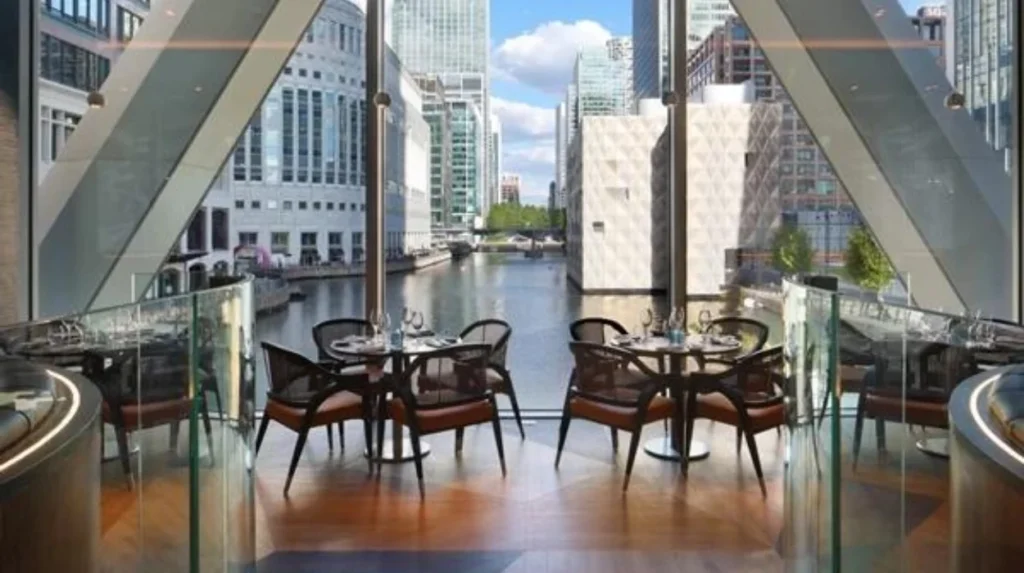
Waterfront dining remains particularly popular. Many establishments utilise dockside locations to provide views of the historic basins and surrounding skyline.
Food halls and market-style venues have expanded dining options in recent years. These spaces allow visitors to sample multiple cuisines within a single destination.
Outdoor seating areas contribute to the district’s atmosphere during warmer months. Waterside terraces create opportunities for dining in open-air environments while remaining within an urban setting.
The dining sector reflects Canary Wharf’s international character. Employees, residents, tourists, and students contribute to demand for varied culinary experiences.
Restaurant design frequently incorporates modern architectural principles. Large windows, contemporary interiors, and connections to public spaces enhance the visitor experience.
The area’s hospitality infrastructure demonstrates how former industrial districts can successfully transition into vibrant mixed-use communities supporting economic activity beyond traditional business functions.
How does public art enhance the Canary Wharf experience?
Public art forms an integral component of Canary Wharf’s identity. Permanent installations, rotating exhibitions, sculptures, and digital artworks transform public spaces into cultural destinations while improving accessibility to contemporary artistic expression.
Canary Wharf contains one of the United Kingdom’s largest publicly accessible collections of outdoor art. The programme integrates artistic works directly into everyday urban environments.
The collection includes sculptures, installations, digital displays, and temporary exhibitions. These works appear throughout plazas, gardens, waterfront areas, and pedestrian routes.
Public art contributes to place-making strategies. Urban planners use cultural assets to create distinctive identities and encourage engagement with public spaces.
Rotating exhibitions ensure that repeat visitors encounter new experiences. This approach supports cultural vitality while providing opportunities for emerging and established artists.
Art installations often interact with surrounding architecture. Reflections, scale relationships, lighting conditions, and spatial composition influence how visitors experience individual works.
Educational value represents another important dimension. Public art increases access to contemporary cultural experiences without requiring museum admission or specialised knowledge.
The integration of art into daily life reflects broader trends in urban development. Successful regeneration projects increasingly incorporate cultural infrastructure alongside commercial and residential investment.
Canary Wharf’s artistic programme demonstrates how cultural initiatives contribute to the long-term sustainability and attractiveness of modern urban districts.
How has Canary Wharf transformed from docks to a leisure destination?
Canary Wharf transformed from a declining dock complex into a global business and leisure district through one of Europe’s largest urban regeneration programmes. This redevelopment reshaped East London and established a new model for post-industrial urban renewal.
The story begins with the construction of the West India Docks in the early nineteenth century. These facilities enabled efficient handling of cargo arriving from Britain’s expanding maritime trade networks.
Throughout the nineteenth century and early twentieth century, the docks played a vital role in London’s economy. Thousands of workers depended upon maritime commerce for employment.
Containerisation fundamentally altered global shipping patterns during the 1960s. New vessels required larger facilities than those available within London’s historic dock system.
Commercial activity declined rapidly. The West India Docks eventually closed in 1980, leaving extensive areas of underutilised industrial land.
Government agencies and private developers subsequently pursued regeneration initiatives. The creation of the London Docklands Development Corporation accelerated investment and redevelopment.
Construction activity during the late 1980s and 1990s introduced new office towers, transport infrastructure, public spaces, and commercial facilities.
Transport improvements proved particularly important. The Docklands Light Railway, Jubilee Line Extension, and later the Elizabeth line significantly enhanced connectivity.
The district’s evolution continues today. New residential developments, cultural programmes, educational initiatives, and environmental improvements expand its role beyond finance.
Canary Wharf now represents a case study frequently examined by urban planners, economists, architects, and policymakers interested in large-scale regeneration strategies.
What seasonal attractions and leisure activities are available throughout the year?
Canary Wharf offers year-round leisure activities including outdoor events, seasonal installations, public performances, sporting opportunities, cultural programmes, and family-friendly experiences that complement its commercial and architectural attractions.
The district’s extensive public realm supports diverse programming throughout the calendar year. Open spaces accommodate events without disrupting core business functions.
Winter installations frequently feature artistic lighting displays that transform public spaces after dark. These attractions draw visitors from across London.
Summer programming often includes outdoor performances, recreational activities, and cultural events. Waterfront locations provide attractive settings for public gatherings.
Public squares function as flexible event spaces. Their design accommodates temporary exhibitions, markets, and community activities.
Fitness and wellness opportunities contribute to the district’s leisure appeal. Running routes, cycling infrastructure, and recreational facilities encourage active lifestyles.
Family-oriented attractions broaden the visitor demographic. Interactive installations and educational activities create opportunities for multigenerational engagement.
The integration of leisure functions reflects changing expectations regarding urban environments. Successful districts increasingly provide experiences extending beyond employment and commerce.
This diversification strengthens Canary Wharf’s resilience and attractiveness as a destination for both residents and visitors.
Why does Canary Wharf remain important to London’s future?
Canary Wharf remains important because it combines economic significance, architectural innovation, cultural investment, environmental improvements, and public accessibility. The district demonstrates how cities can adapt historic industrial landscapes to meet contemporary social and economic needs.
The area’s continuing development reflects broader changes in urban planning and economic geography. Modern cities increasingly prioritise mixed-use environments capable of supporting diverse activities.
Sustainability initiatives play an expanding role in future planning. Green infrastructure, energy efficiency measures, and biodiversity enhancements contribute to long-term resilience.
Residential growth continues to diversify the district. Increasing numbers of residents complement the area’s established business population.
Technological innovation also influences development strategies. Digital infrastructure supports evolving workplace requirements and visitor expectations.
Canary Wharf’s waterfront environment remains a defining asset. The preservation of historic dock structures ensures continuity between the district’s maritime past and contemporary identity.
The area’s success demonstrates the value of adaptive reuse and strategic planning. Former industrial landscapes can support economic growth while preserving important historical features.
For visitors, Canary Wharf offers a distinctive perspective on London. Historic dock basins, modern skyscrapers, cultural programming, retail destinations, and waterfront walks combine to create an urban environment unlike any other part of the capital.
As London continues to evolve, Canary Wharf stands as a visible example of transformation, illustrating how historic infrastructure, contemporary architecture, and public space can coexist within a dynamic and internationally significant city district.
What was Canary Wharf before redevelopment?
It was part of the London Docklands, specifically the West India Docks, which served as one of the world’s busiest maritime trade hubs.