Key Points
- Public Consultation Launched: Central London residents and local businesses are being formally surveyed to voice opinions on which public services could potentially be scrapped or reduced.
- Severe Financial Warnings: Local authorities face major funding shifts, with warnings and projections pointing toward potential council tax increases reaching up to 200% over the coming years if adjustments are not managed.
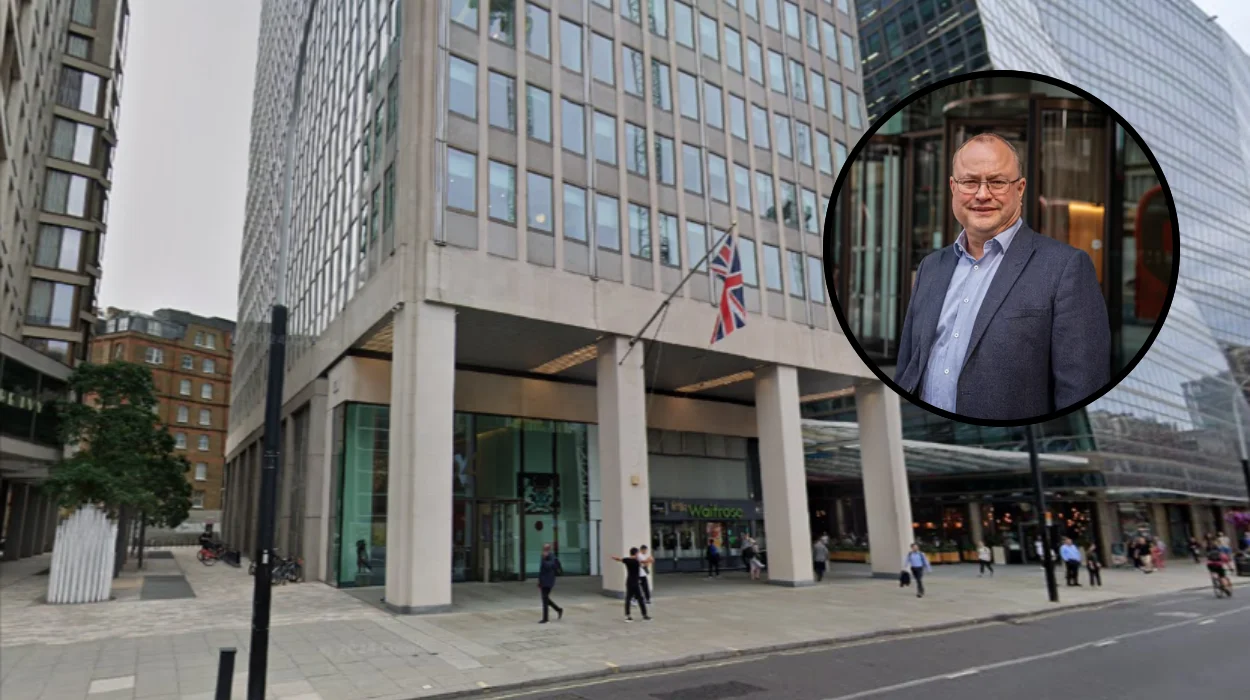
- Cabinet Member Appeal: Paul Fisher, the cabinet member for finance, stressed the critical importance of public participation, noting that upcoming decisions will carry major implications for future council tax proposals.
- Government Funding Formulas: Debates intensified following Whitehall funding models and Fairer Funding Review changes that project greater local revenue-raising expectations for low-tax boroughs.
London (Extra London News) August 1, 2026 – Central London residents and commercial enterprises have been urgently asked to share their views on which civic services they are willing to see scrapped or scaled back, as local leaders grapple with structural budget changes that have triggered warnings of dramatic council tax rises.
The consultation process brings local financial strains into sharp focus, forcing communities to confront difficult choices regarding municipal expenditure. As reported by Paul Fisher of The Standard, Paul Fisher, cabinet member for finance, stated that:
“It’s so important that residents and businesses respond. The decisions we have to take next year will have major implications for years to come, including what increase in council tax gets proposed.”
The financial crunch stems from a combination of central government funding reviews, local resource re-evaluations, and shifting formula metrics that assess how much revenue individual local authorities can independently generate.
While town halls attempt to balance books against inflationary pressures and rising demand for social care, critics and local representatives have warned that shifting economic burdens could cascade down to everyday taxpayers.
Why Are Central London Boroughs Facing Severe Budgetary Pressures?
The underlying fiscal friction is deeply rooted in changes to local government finance formulas, notably the government’s approach to core spending power and resource equalisation. Under frameworks such as the Fairer Funding Review, central authorities evaluate boroughs based on their perceived capacity to raise funds locally via council tax.
Consequently, historically low-tax central boroughs have faced calculations concluding that their baseline need for central government grants is reduced.
Opposition figures and local commentators have fiercely criticized these projections. As detailed in accounts covered by political correspondents in The Standard, critics argue that these changes effectively penalise efficient management and assume unrealistic local tax yields.
Opposing political groups have pointed out that central government assumptions factor in aggressive cumulative increases—including potential percentage jumps alongside flat-rate adjustments over a multi-year horizon.
Conservative opposition members have branded these metrics as a “stealth tax grab,” arguing that families across central London risk facing disproportionate financial strain.
As noted in reports by The Standard, local parliamentarians highlighted that families face the dual pressure of reduced central funding allocations coupled with expectations of higher local contributions. Conservative politicians calculated that cumulative assumptions could theoretically drive specific Band D bills significantly higher by the end of the decade if fully implemented.
Explore More London Politics News
Andy Burnham and London Property Market Insights 2026
Westminster Warns PM Burnham Over London Funding in Westminster 2026
How Are Local Council Leaders Responding to the Funding Crisis?
In response to the mounting financial squeeze, council leadership across central London boroughs have outlined distinct strategies, balancing resistance against central assumptions with the practical realities of municipal budgeting.
Labour leadership figures have consistently defended their localized track records, emphasizing prudent financial management and targeted investments. As reported by Adam Hug, leader of Westminster City Council, in communications covered by The Standard, the administration maintains a commitment to keeping council tax as low as possible while leveraging alternative revenue streams, such as anticipated tourism levies on overnight stays.
Adam Hug stated that Westminster retains one of the lowest council tax rates nationwide and noted that the authority has no current intention to utilize extreme flexibilities beyond standard referendum limits, pointing toward ongoing efficiency programs and transformation initiatives.
Similar sentiments have been echoed in neighboring boroughs like Wandsworth, where leadership stressed that administrations do not wish to burden residents beyond standard caps.
However, cabinet members tasked with managing municipal ledgers maintain that public engagement remains non-negotiable.
With statutory obligations mounting—particularly regarding adult social care, housing maintenance, and public safety—authorities are being pushed to determine which non-statutory services must be prioritized or abandoned.
What Do the Proposed Changes Mean for Local Residents and Businesses?
For the average resident and local business owner, the ongoing consultation represents a critical window to influence how neighbourhoods will look and function in the coming years.
Municipal services ranging from discretionary environmental initiatives, community grants, and public realm upkeep to high street regeneration projects face rigorous cost-benefit evaluations.
Financial planners emphasize that without active community feedback, town halls will be forced to make unilateral cuts based strictly on mathematical necessity rather than community preference.
Business associations have similarly expressed deep anxiety, warning that excessive local tax burdens or deteriorating public spaces could harm local commerce, hospitality, and retail recovery across central districts.
As the consultation period progresses, local authorities face an uphill battle to restore structural fiscal stability without alienating constituents who are already grappling with broader cost-of-living challenges. The outcome of these surveys is expected to directly shape the upcoming budgetary proposals, setting the legislative and financial tone for central London municipalities well into the next decade.