Key Points
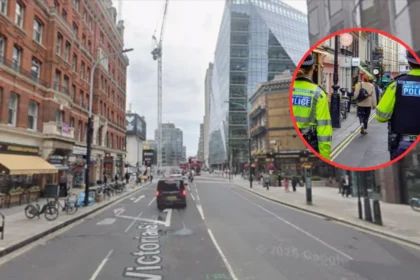
- Westminster Council is facing the imposition of massive council tax increases on its residents to bridge a severe £100 million black hole in its municipal finances.
- Steve Reed resigned from his position as housing secretary on Monday as a new prime minister entered No 10 Downing Street.
- The Streatham and Croydon North MP, identified as an ally of Sir Keir Starmer, issued a stern warning to incoming Prime Minister Andy Burnham, declaring that funding fairness for the rest of England cannot be achieved by penalising Londoners.
- Westminster Council Leader Paul Swaddle also cautioned Prime Minister Andy Burnham that undermining the capital to support other regions would inflict damage upon the wider UK economy.
- Mr Reed defended his legislative and housing record upon departure, highlighting the acceleration of housebuilding initiatives in London and record council home construction figures.
London (Extra London News) July 21, 2026 — Westminster Council and outgoing senior government figures have fired a broadside at incoming Prime Minister Andy Burnham, warning him against scaling back resources or diminishing the capital’s economic standing in an effort to rebalance funding toward the north of England.
- Key Points
- Why is Westminster Council facing a £100 million financial black hole?
- Can Prime Minister Andy Burnham rebalance the UK economy without weakening London?
- What did outgoing housing secretary Steve Reed say in his resignation letter?
- How is Downing Street responding to regional equity concerns?
The political landscape faced a profound shake-up on Monday as housing secretary Steve Reed resigned from the Cabinet to coincide with a leadership transition inside No 10 Downing Street. Simultaneously, local government officials in Westminster raised alarms over a crippling £100 million financial shortfall that threatens to force drastic council tax spikes onto local residents.
The dual pressures have ignited a fierce debate concerning regional funding equity, devolution models, and the economic viability of the capital under a new administration.
Why is Westminster Council facing a £100 million financial black hole?
According to details outlined by Westminster Council Leader Paul Swaddle, the local authority is grappling with a severe budgetary crisis amounting to a £100 million funding shortfall, a predicament driven largely by a reevaluation of government funding formulas.
As reported by political correspondents, this looming deficit places the council under immense pressure to implement steep council tax hikes on local households just to keep essential municipal services afloat.
Mr Swaddle cautioned that the fiscal strain is being compounded by fears over prospective central government tax reforms.
As detailed in local authority assessments, incoming Prime Minister Andy Burnham has previously signaled intentions to ease economic burdens on less affluent regions, a strategy that has historically involved bracing wealthier demographics in London for increased taxation, including backing prospective property tax adjustments.
Can Prime Minister Andy Burnham rebalance the UK economy without weakening London?
The core of the political friction centers on how the new administration intends to execute regional growth. Addressing the incoming premier, Westminster Council Leader Paul Swaddle argued that weakening the capital is a flawed mechanism for regional regeneration.
As reported by the Evening Standard and associated municipal briefings, Mr Swaddle stated that “the route to a stronger national economy cannot be to diminish London”. He further emphasized this position, noting:
“The UK does not have a London problem. It has a national growth problem. A stronger Manchester, Birmingham, Leeds, Liverpool, Newcastle, Cardiff, Glasgow and Belfast are essential to the country’s future. So is a stronger London. Weakening the capital would not rebalance the economy; it would reduce the tax base, investment pull, visitor economy and global competitiveness on which the whole country depends.”
Furthermore, municipal leadership took direct aim at specific fiscal mechanisms under consideration by central government planners. Highlighting structural mismatches, Mr Swaddle stated that Westminster strongly opposes proposed measures such as the High Value Council Tax Surcharge, warning that high property valuations across the borough do not automatically correspond with high household incomes, thereby risking profound unfairness for residents.
Explore More Politics News:
Met Police Impose Restrictions on National March for Palestine, London 2026
London Plan Slashes Housing Targets: Impact on Capital in 2026
What did outgoing housing secretary Steve Reed say in his resignation letter?
Amplifying the defensive posture surrounding the capital, outgoing Housing Secretary Steve Reed used his departure from the Cabinet on Monday to lay down a marker for London’s economic protection.
Stepping down as the new prime minister assumed office, the Streatham and Croydon North MP and close ally of Sir Keir Starmer made it clear that he intends to remain a vocal guardian of the city’s interests.
In his official resignation letter addressed to the administration, Mr Reed wrote, as documented by media reports:
“I’m proud to be a London MP and I’ll always fight to ensure London is treated fairly as you explore new models of devolution, taxation and funding.”
Mr Reed also defended his tenure at the Ministry of Housing, Communities and Local Government, pointing to specific policy interventions designed to stimulate urban development. Highlighting his department’s accomplishments, Mr Reed wrote:
“I strengthened planning reforms to speed up housebuilding across the country, with a radical acceleration package for London where housebuilding had ground to a near-halt under the Conservatives. I’m proud we built more new council homes last year than in any other year for 40 years when records first began.”
Concluding his formal exit note, Mr Reed reflected on his time in public office, stating:
“Serving as the secretary of state for housing, communities and local government has been the honour of my life and although I am disappointed to be leaving government now, I wish your new team every success.”
How is Downing Street responding to regional equity concerns?
The mounting pushback from Westminster arrives as Prime Minister Andy Burnham assumes power amidst broader scrutiny regarding his historical political base in the north of England.
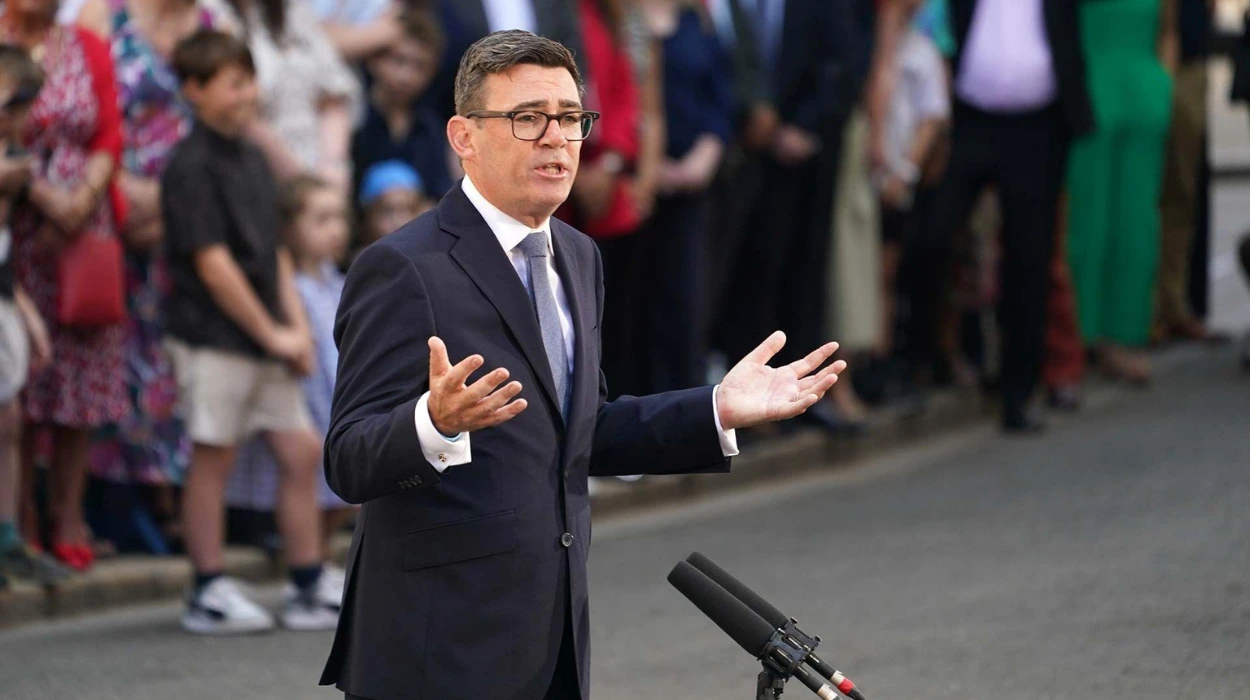
Often characterized by critics and commentators as leaning heavily toward northern development agendas, Mr Burnham used his leadership acceptance speech to project a pan-national mandate.
Addressing the nation, Mr Burnham pledged to bridge regional divides, stating:
“I will be a leader for the north, the south, the east, and the west, for Scotland, Wales, and for Northern Ireland.”
Acknowledging his roots, he added:
“Yes, the north of England has given me so much, everything, in fact. And in return, I have sought to give it the strongest voice I could. That was my job, but now I do the same for everywhere, because I see the same challenges everywhere I look.”
Despite these assurances, local leaders in the capital maintain that policy design must reflect the economic realities of London’s unique cost structures.
As the new administration settles into No 10, the ongoing tension between regional leveling-up initiatives and the protection of Westminster’s fragile municipal finances promises to remain a defining battleground for British domestic policy.