Key Points
- Shanice Bennett, a serving City of London Police officer, has died aged 26 after living with advanced breast cancer.
- Her family said she died peacefully at home surrounded by loved ones.
- Bennett was first diagnosed with stage-three invasive ductal carcinoma at the age of 23 before the disease progressed to stage four.
- Her cancer later spread to her bones, liver, lungs and lymph nodes, according to her fundraising page and reports about her illness.
- She documented her cancer treatment and day-to-day experiences on TikTok, building a following of more than 30,000 people, while reports based on her account have put the following at more than 39,000.
- Her videos received more than two million likes and included messages encouraging young women to check their breasts.
- In February 2026, Bennett said tumours in her liver had worsened and that her existing treatment was no longer working.
- She said she had been unable to access Enhertu through the NHS in England because of the hormone characteristics of her breast cancer.
- A GoFundMe campaign raised more than £41,000 towards a £45,000 target, with more than 2,700 donations recorded.
- Bennett began Enhertu treatment in March 2026 after financial support from family, friends and members of the public.
- Later updates indicated that her liver tumours had progressed and that her condition had deteriorated to the point that she could no longer continue treatment.
- Her family said public support gave Bennett additional time with them and allowed the family to create further memories together.
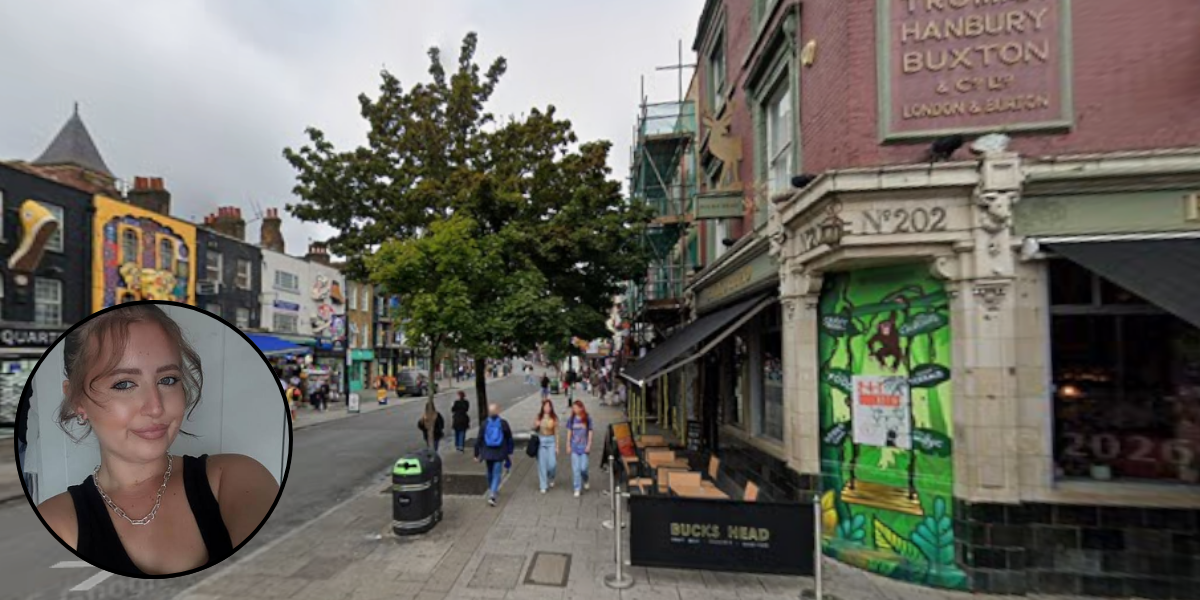
Extra London News (ELN) September 30, 2026 – Shanice Bennett, a serving City of London Police officer who shared her experience of incurable breast cancer with thousands of people online, has died aged 26, her family has announced. Bennett had been living with cancer since she was 23 and continued documenting her treatment and health developments on TikTok as the disease progressed. Her family said she died peacefully at home surrounded by relatives. Reports published following the announcement have highlighted both her cancer journey and the fundraising campaign that helped her access a treatment she had said was unavailable to her through the NHS in England at the time.
- Key Points
- What did Shanice Bennett’s family say about her death?
- When was Shanice Bennett first diagnosed with breast cancer?
- How did Bennett document her cancer journey online?
- Why did Bennett launch a fundraiser for Enhertu?
- How did the public fundraising help Shanice Bennett?
- What happened to Bennett’s health during the final months?
- What did Bennett say about the end of her treatment?
- What did Bennett’s family say about her legacy?
- What is known about Bennett’s work as a police officer?
- How did access to Enhertu feature in Bennett’s story?
- What does Bennett’s death mean for young people following her story?
- What is the background to Enhertu and Bennett’s treatment?
- How could Bennett’s death affect people concerned about breast cancer awareness?
What did Shanice Bennett’s family say about her death?
Bennett’s family announced her death through her TikTok account on September 26, according to People and other reports published after the announcement.
The family said: “Yesterday was a difficult day where we had to say goodbye to our beautiful Shanice.” They added that she had died peacefully at home surrounded by family.
The announcement brought an end to a cancer journey that Bennett had documented publicly for several years. Her social media presence became closely associated with her efforts to discuss breast cancer, treatment and the realities of living with advanced disease.
According to People, her family said TikTok had been a place where Bennett documented her experience, raised awareness and offered support to people facing similar circumstances.
When was Shanice Bennett first diagnosed with breast cancer?
Bennett was first diagnosed with breast cancer at the age of 23.
According to the GoFundMe campaign she created, her initial diagnosis was stage-three invasive ductal carcinoma, a form of breast cancer. Her condition subsequently progressed to stage-four disease, with cancer spreading to her bones, liver, lungs and lymph nodes.
The fundraising page provides a first-hand account of the progression of her illness. Bennett wrote that by February 2026, scans and medical assessments had shown that tumours in her liver had worsened significantly.
She also said her liver was extremely inflamed and that this was making it difficult for her to breathe. At that stage, according to her fundraising account, the treatment she had been receiving was no longer working.
The medical details in the fundraising appeal were presented by Bennett herself and should therefore be distinguished from independently reported clinical assessments.
How did Bennett document her cancer journey online?
Bennett used TikTok to document her experience of living with cancer and undergoing treatment.
People reported that she had more than 30,000 followers, while the material supplied for the story described her following as more than 39,000. Her videos accumulated more than two million likes.
Her posts covered different aspects of her illness, including treatment updates and changes in her condition. She also used her platform to encourage awareness among younger women.
One of the messages associated with her awareness work urged women to “touch, look and check” their breasts.
Her online activity continued despite the progression of her disease. Reports following her death described her social media presence as an important part of her attempt to educate others and provide support to people experiencing cancer themselves or through relatives.
Why did Bennett launch a fundraiser for Enhertu?
Bennett and her family launched a fundraising campaign after she said she could not receive Enhertu through the NHS in England at the time.
In her GoFundMe appeal, Bennett said the treatment had been recommended after her existing treatment stopped working. She wrote that she was not eligible for the treatment through the NHS because of the hormone type of her breast cancer.
The GoFundMe page stated that Enhertu would cost £3,632 per treatment cycle, with treatment administered every three weeks. Bennett said she and her family could only fund the treatment privately for a limited period, prompting them to seek public donations.
She said her doctors and oncologists regarded the treatment as a new treatment line and that it could potentially provide additional time.
The fundraiser eventually attracted more than 2,700 donations. The campaign page currently records £41,076 raised against a £45,000 target.
How did the public fundraising help Shanice Bennett?
According to Bennett’s family, the public response allowed her to receive Enhertu and gave them additional time together.
Her fundraising campaign stated that she planned to start treatment on March 9, 2026.
People reported that Bennett subsequently began treatment in March, with the financial support helping her obtain access to the drug.
Her family’s later statement focused on the effect of that support on their time together. They said the treatment had given them an opportunity to create further memories as a family.
The fundraiser therefore became an important part of the final period of Bennett’s illness, although the treatment did not prevent the subsequent progression of her cancer.
What happened to Bennett’s health during the final months?
Bennett continued to provide health updates as her condition changed.
People reported that in August she described symptoms including jaundice and said medical scans had shown progression in the tumours affecting her liver.
A separate report by Gossip Herald, published after her death, said Bennett had also described abdominal symptoms and worsening jaundice. It reported that on September 14 she disclosed that her condition had deteriorated to the point where her body was no longer strong enough to continue cancer treatment.
Spanish publication Hola, in a report by senior editor Ani Moro published on September 29, likewise reported that Bennett had said doctors had concluded her body was no longer strong enough to continue cancer treatment.
These accounts describe the final stage of a disease that had already spread to several parts of her body.
What did Bennett say about the end of her treatment?
In one of her final public updates, Bennett reflected on the years she had spent living with cancer.
Gossip Herald reported that she said she had given the illness her “absolute all” and expressed gratitude for having her family and friends around her.
Her family later referred to another statement Bennett had made during her illness, saying: “Cancer isn’t winning this fight, I will be bringing it down with me.”
The family used that statement when reflecting on her life after announcing her death. According to People, they said Bennett’s aim had been to educate people, raise awareness and make a difference to others facing similar experiences.
What did Bennett’s family say about her legacy?
Bennett’s family said her online activity had been motivated by a desire to help others.
According to People, they said TikTok had allowed her to document her journey, create awareness and offer support to people who could relate to her circumstances.
The family also expressed gratitude to people who had supported Bennett during her illness.
They said the donations and wider support had enabled her to receive her latest treatment and had provided additional time for the family to make memories together.
The GoFundMe campaign itself records the scale of the public response, with more than 2,700 donors contributing to the appeal.
What is known about Bennett’s work as a police officer?
Bennett was a serving City of London Police officer while she was undergoing treatment for cancer.
Her work as a police officer formed part of her life alongside her public cancer journey. The available reports concerning her death have focused primarily on her diagnosis, treatment, social-media activity and the family’s announcement.
The supplied account identifies her as a serving City of London Police officer, while the fundraising material focuses on her medical circumstances and the costs associated with Enhertu.
The two aspects of her life — policing and cancer advocacy — therefore ran alongside one another during the years in which she was living with the disease.
How did access to Enhertu feature in Bennett’s story?
Enhertu became a central issue in Bennett’s final period because of the difference between the treatment she said doctors recommended and her reported eligibility for NHS-funded access at that time.
Her GoFundMe appeal specifically stated that she was not eligible for NHS treatment because of her breast cancer’s hormone type. It also listed the private treatment cost as £3,632 every three weeks.
People subsequently reported that Enhertu became more widely available through the NHS in England on September 17, 2026. The report said Bennett’s family described her as taking some comfort from knowing that people in a similar position could subsequently have access to the treatment.
This development occurred shortly before Bennett’s death and should not be interpreted as establishing that the later NHS availability would have changed her individual clinical outcome.
What does Bennett’s death mean for young people following her story?
For people who followed Bennett online, her death closes a public account of living with advanced breast cancer that had continued for several years.
Her posts brought attention to breast-health awareness and the experiences of younger people diagnosed with breast cancer. Her repeated encouragement for women to check their breasts was part of that public message.
Her story also demonstrated how social-media platforms can become a channel through which people share personal medical experiences, although individual social-media accounts should not be treated as substitutes for professional medical advice.
The fundraising campaign additionally showed how families dealing with serious illness can turn to public donations when they believe a treatment is not accessible through their existing healthcare arrangements.
What is the background to Enhertu and Bennett’s treatment?
Enhertu is a cancer medicine used for particular cancer types and biological characteristics. Bennett’s own fundraising appeal identified it as the treatment her doctors had proposed after her existing treatment was no longer working.
Her case was specific to her cancer characteristics and treatment eligibility. The fundraising page said the reason she could not obtain it through the NHS at the time was related to her breast cancer hormone type.
The financial appeal was consequently established to pay for private treatment. Bennett said she expected to start the treatment on March 9, 2026, and the campaign records more than £41,000 raised towards the £45,000 goal.
Later reports indicate that she received the treatment but subsequently experienced further progression of her liver tumours and deterioration in her general condition.
The precise clinical effect of Enhertu on Bennett’s illness cannot be established from social-media posts or fundraising material alone.
How could Bennett’s death affect people concerned about breast cancer awareness?
The immediate significance for young women and breast-cancer awareness audiences is likely to centre on the information Bennett shared publicly about her diagnosis and treatment experience.
Her story illustrates that breast cancer can occur in younger adults, although her individual circumstances do not establish the level of risk for other people. Medical organisations advise people to seek professional assessment when they notice concerning breast changes rather than relying solely on social-media information.
For people who followed Bennett’s cancer journey, her death may also renew discussion about access to cancer medicines, private treatment costs and the challenges faced by patients with advanced disease.
The fundraising figures provide a concrete indication of the level of public support her story generated, while the later reports about NHS access to Enhertu place her treatment experience within a changing healthcare context.
Her family’s announcement ultimately shifts the focus from treatment to remembrance. They have said that Bennett’s purpose in sharing her illness was to educate, raise awareness and support others, and that the public response helped provide additional time with those closest to her.