Key Points
- Massive Community Backing: More than 2,000 residents have completed a localized survey, providing personal testimonies to protect The Alliance pub from permanent closure.
- Asset of Community Value (ACV) Bid: Campaigners have submitted a formal draft application to Camden Council to re-list the establishment as an ACV, which grants locals the right of first refusal to purchase the property if it enters the market.
- Sudden and Unexpected Closure: The venue ceased trading abruptly, with operators only announcing they would remain open until the conclusion of the England-Croatia football match before shutting the doors permanently.
- Squatter Occupation Concerns: Following the closure, unauthorized occupants have reportedly moved into the commercial property, prompting significant structural and eviction anxieties among neighborhood organizers.
- Historical ACV Status: The establishment has successfully secured ACV status twice in its past, validating its enduring historical role as a localized focal point for community life.
- Management Ambiguity: The site was recently managed by Loci Pubs, though it remains publicly unverified whether their operational tenancy naturally expired or was prematurely terminated.
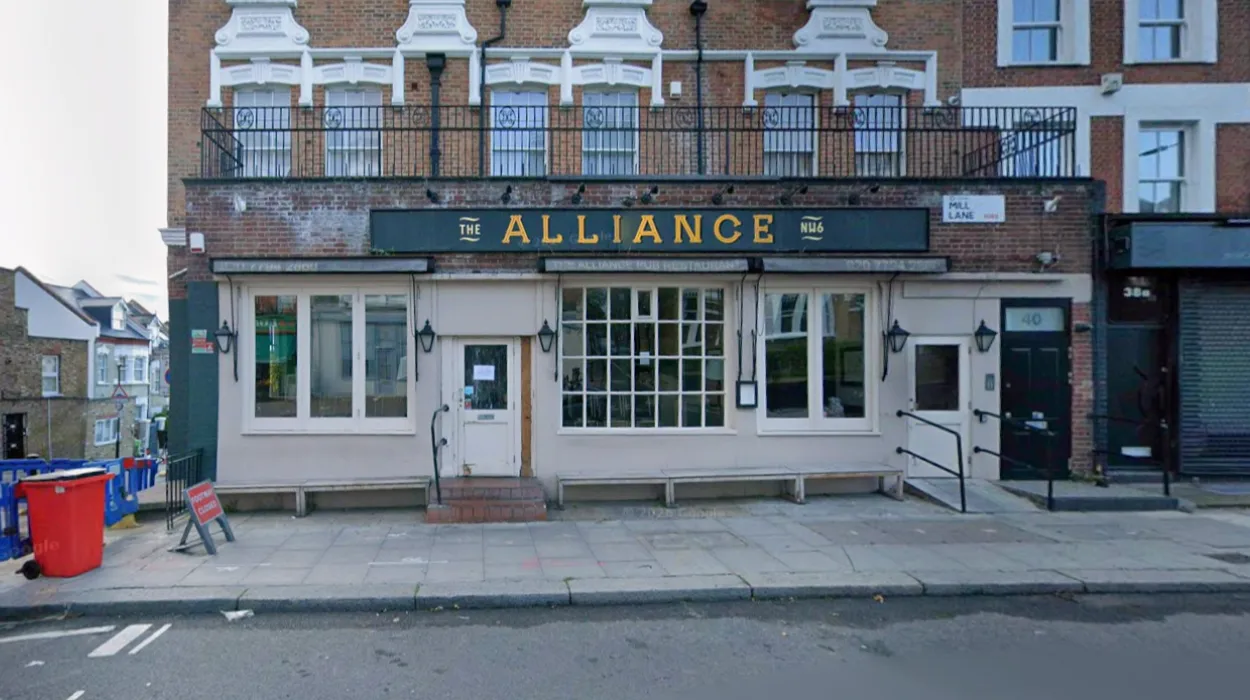
West Hampstead (Extra London News) July 20, 2026 – A powerful grassroots movement has mobilized in North West London as more than 2,000 residents stepped forward to support an emergency campaign aimed at protecting and reviving The Alliance pub following its sudden operational closure. Organizers from the ‘Save The Alliance’ campaign group have formally compiled thousands of personal testimonies into a comprehensive local survey, which is being submitted to Camden Council alongside a draft application to re-list the beloved establishment as an Asset of Community Value (ACV). This vital protective legal status would grant the West Hampstead community the statutory right of first refusal to raise necessary capital and purchase the freehold should the commercial premises be put up for sale on the open property market.
- Key Points
- Why are West Hampstead residents campaigning to save The Alliance pub?
- What is an Asset of Community Value and how can it protect the venue?
- Who is leading the Save The Alliance campaign group?
- How did the sudden closure of the pub unfold?
- What are the community concerns regarding squatters inside the commercial premises?
- Who was managing The Alliance prior to its shutdown?
- What are the next steps for the Camden Council decision?
The urgency surrounding the community’s defensive measures has intensified significantly following reports that the empty building on Mill Lane has now been occupied by squatters.
Local campaigners have expressed deep anxieties regarding the potential for internal structural damage, noting that the legal frameworks governing the eviction of unauthorized occupants from commercial entities are considerably more complex and prolonged than those applied to residential properties.
The sudden shutdown has left regulars and neighborhood associations blindsided, as the venue had only recently undergone a comprehensive, high-profile revival as a premium neighborhood gastropub following the conversion of its upper floors into residential flats.
Why are West Hampstead residents campaigning to save The Alliance pub?
The profound localized backlash triggered by the closure of the establishment highlights its unique standing within the regional social landscape.
According to detailed editorial coverage compiled by the reporting staff at London Now, the venue is widely considered by neighborhood residents to be the final remaining genuine, uncompromised community hub within the immediate West Hampstead geography.
While the broader urban area boasts an array of diverse drinking establishments, bars, and contemporary restaurants, local organizers maintain that none replicate the specific inclusive social infrastructure offered by this particular venue.
The campaign’s foundational strength rests upon a newly executed community survey that has amassed an overwhelming volume of localized engagement. In total, more than 2,000 individuals took time to formally register their personal testimonies, detailing how the pub functioned as an irreplaceable anchor for social cohesion, charitable networking, and neighborhood identity.
This collective outpouring of public sentiment is being utilized as primary qualitative evidence to satisfy the rigorous statutory requirements mandated by Camden Council for asset protection.
What is an Asset of Community Value and how can it protect the venue?
An Asset of Community Value (ACV) is a legal designation introduced under the UK Localism Act 2011. It allows local community groups to nominate a building or land that furthers the social wellbeing or social interests of the local community.
If Camden Council accepts the current application, the building will be placed on the local authority’s registry of protected community assets for a multi-year period.
How the right of first refusal operates
The primary defensive mechanism provided by an ACV status is a statutory moratorium on the sale of the asset. As documented in the original investigative report published by London Now, if the property owner decides to sell a listed ACV asset, they are legally required to notify the local authority immediately.
This notification triggers an initial six-week interim moratorium, during which community groups can formally request to be treated as a potential bidder.
Once a community interest group requests this treatment, a full six-month moratorium is enacted. This extended window gives local residents and campaign groups the vital time required to:
- Establish a structured community benefit society or cooperative entity.
- Formulate a comprehensive commercial business plan.
- Launch widespread crowdfunding initiatives or secure community shares.
- Apply for national heritage grants or localized public funding to submit a formal purchase bid.
Who is leading the Save The Alliance campaign group?
The grassroots push is being spearheaded by prominent local figures with extensive histories in community governance and regional politics. As explicitly detailed by the journalistic team at London Now, Keith Moffitt, a core representative from the Save The Alliance campaign, is leading the organizational logistics of the current Council submission.
Keith Moffitt brings a wealth of localized administrative experience to the effort, serving as a former West Hampstead councillor and currently acting as the co-chair of the Fortune Green and West Hampstead Neighbourhood Development Forum.
This institutional familiarity with municipal planning policy has allowed the campaign to move with extreme speed, drafting an extensive legislative application capable of withstanding strict regulatory scrutiny by borough officials. As reported by the writing staff of London Now, Keith Moffitt highlighted his long-term personal connection to the venue, stating that
“I’ve been involved with the local Lib Dems for years and we always used it as a meeting spot and place to socialise.”
He further emphasized the irreplaceable nature of the venue to the local area, asserting that
“There is something special about The Alliance – we are fortunate to have many different pubs, but it’s the only real community pub in West Hampstead.”
How did the sudden closure of the pub unfold?
The termination of trading at the Mill Lane property took the surrounding neighborhood entirely by surprise, occurring without any advanced public consultation, standard notices, or traditional farewell events. As reported by the editorial desk of London Now, Keith Moffitt explained the abrupt nature of the departure, remarking that
“The closure came out of the blue – even the regulars didn’t know.”
The operational exit was characterized by an abrupt timeline tied directly to a major sporting event. As further noted by journalist accounts within the London Now publication, Keith Moffitt detailed that
“They announced they would keep it open for the England-Croatia match then that was it.”
Immediately following the final whistle of the football broadcast, the doors were shuttered, commercial operations ceased, and the building was entirely vacated by the on-site staff, leaving the community to piece together the future of the asset.
What are the community concerns regarding squatters inside the commercial premises?
The vulnerabilities associated with the vacant building became apparent shortly after the commercial operator exited the site.
As reported by the news team at London Now, Keith Moffitt confirmed the sudden arrival of unauthorized occupants, stating that
“Now the squatters have suddenly appeared…which is a worry if they cause any damage because it’s more difficult to evict people from a commercial premises.”
This particular development introduces an intricate layer of legal friction for both the freeholders and the community campaigners trying to preserve the physical structure.
Under current English property law, squatting in a non-residential (commercial) building is handled through civil court channels rather than criminal ones, provided the individuals did not cause criminal damage to enter.
Property owners must navigate the civil court system to secure an Interim Possession Order (IPO) or a standard Claim for Possession to legally execute an eviction.
This process can frequently take months to formally resolve, leaving the interior infrastructure of the historical pub exposed to prolonged wear, tear, and potential alteration during the legal impasse.
Who was managing The Alliance prior to its shutdown?
Before its sudden closure, the venue was under the operational stewardship of Loci Pubs, an independent boutique hospitality group known within North London for managing premium neighborhood establishments. Among their notable regional portfolio is the highly regarded Duke of Hamilton pub located in nearby Hampstead. As reported by London Now, the exact structural details behind the firm’s operational departure remain shrouded in corporate ambiguity, as
“it’s not known whether they chose to end the tenancy or it expired.”
Loci Pubs had previously earned substantial praise from West Hampstead locals for rescuing the venue from an extended period of dormancy.
They took over and successfully reopened The Alliance during the challenging conditions of the pandemic lockdowns, investing heavily to transform and revive it as an upscale, food-focused gastropub.
This comprehensive reinvention followed a prolonged period of structural redevelopment across the site, which had previously seen the upper accommodation sections of the historical building carved out and converted into separate residential flats.
The initial phase of their management was defined by widespread neighborhood optimism. As reported by the editorial staff of London Now, Keith Moffitt looked back fondly on the positive impact of their early tenure, noting that
“It felt very optimistic – they were local north Londoners, they brought the quiz night back and there were Sunday roasts.”
What are the next steps for the Camden Council decision?
With the draft application now officially processed and submitted to the local authority, the immediate future of the building rests in the hands of planning officials and borough administrators.
As reported by London Now, the Save The Alliance campaigners have successfully finalised their submission paperwork and “expect it to take six weeks for a decision” from Camden Council’s administrative body.
During this multi-week evaluation window, Council officers will meticulously review the submission against strict legal criteria to determine if the property genuinely qualifies as an ACV.
This assessment involves verifying that the primary usage of the building has recently furthered—and will continue to realistically further—the cultural, recreational, and social interests of the West Hampstead community.
Concurrently, efforts to obtain official clarity from the previous corporate tenants continue, as journalists at London Now confirmed that “Loci pubs have been approached for comment” regarding the underlying financial or leasehold factors that prompted their abrupt exit from Mill Lane.