Key Points
- New Public Space Protection Order (PSPO): Camden Council has formally implemented a strict borough-wide PSPO targeted at curbing “irresponsible alcohol consumption” across streets, pavements, and public parks.
- Effective Date: The sweeping new regulations officially came into force on 1 July 2026, ahead of projected summer heatwaves and major sporting events like the World Cup.
- Increased Enforcement Powers: Both Metropolitan Police officers and local council enforcement teams have been granted enhanced legal authority to order individuals to cease drinking and surrender their beverages.
- Confiscation Penalties: Authorised personnel are empowered to seize and immediately dispose of open or sealed containers, as well as any liquids they reasonably suspect to be alcohol.
- Financial and Criminal Consequences: Non-compliance with an officer’s request is classified as a criminal offence, carrying an immediate Fixed Penalty Notice (FPN) of £100, which must be paid within 28 days to avoid court prosecution.
- Geographic Scope and Exemptions: The rules cover almost every public street and park within the London Borough of Camden, with the notable exception of Hampstead Heath, private outdoor spaces, and officially licensed premises or pavement “streateries.”
- Vulnerable Outreach Protocols: Council guidelines mandate that enforcement officers coordinate with support networks to refer vulnerable street drinkers, rough sleepers, and individuals struggling with substance misuse to appropriate safeguarding and healthcare services.
London (Extra London News) July 02, 2026 – Camden Council has enacted a comprehensive borough-wide crackdown on public drinking and alcohol-related anti-social behaviour, introducing powerful new legal mechanisms that could see sun-seeking Londoners hit with immediate financial penalties. Under the terms of a freshly implemented Public Space Protection Order (PSPO) which officially took effect on 1 July 2026, police officers and local authority enforcement teams have been handed sweeping powers to intercept individuals consuming alcohol on public streets, pavements, and green spaces.
- What are Camden’s new public drinking rules?
- How much is the fine for breaching the public drinking rules?
- Where can you still drink outside in Camden?
- Why has Camden Council introduced these strict new public drinking rules?
- How will the new Public Space Protection Order be enforced on the streets?
- How did the public and local businesses respond to the council consultation?
- What support is available for vulnerable individuals affected by the PSPO?
- How does the PSPO fit into Camden’s broader nighttime economy strategy?
The intervention allows authorities to demand that individuals halt their drinking and hand over their beverages for immediate destruction. Those who refuse to comply face on-the-spot fines of £100 and the prospect of criminal prosecution, significantly shifting the legal landscape for al fresco socialising in one of London’s most vibrant cultural hubs just as a major summer heatwave and high-profile World Cup fixtures get underway.
What are Camden’s new public drinking rules?
As reported by contributor Eloise Feilden of Time Out UK, Camden Council has officially approved and activated a new borough-wide Public Space Protection Order (PSPO) specifically designed to clamp down on what the local authority defines as “irresponsible alcohol consumption” across public spaces and urban thoroughfares. This legal framework significantly amplifies the operational capabilities of both the Metropolitan Police Service and the council’s dedicated community enforcement teams.
Writing for the Evening Standard, news reporter Megan Howe noted that under these newly enacted restrictions, anyone deemed to be drinking irresponsibly in an open public area can be formally instructed to stop by an authorised officer. The scope of this power is notably broad: officers do not merely have the right to request a cessation of drinking, but they can also demand the immediate surrender of the beverage. This applies explicitly to both open and entirely sealed containers. Furthermore, enforcement agents are legally permitted to confiscate any liquids that they strongly suspect to be alcohol, all of which are slated for immediate on-site disposal.
How much is the fine for breaching the public drinking rules?
According to data compiled by local democracy reporter Josef Steen of The Fitzrovia News, breaching the conditions of the newly established PSPO by refusing to comply with an officer’s instruction is categorized as a distinct criminal offence. The immediate penalty for failing to comply with an enforcement directive is a Fixed Penalty Notice (FPN) set at £100. As detailed in the official cabinet member reports published by Camden Council, this fine can be reduced to £60 if the recipient executes the payment within a standard 14-day grace period.
However, if an individual chooses to contest the fine or simply fails to settle the £100 penalty within the mandatory 28-day window, they face the immediate risk of escalating legal action. The local authority has confirmed that non-compliant individuals will be referred to the magistrates’ court for formal criminal prosecution, which can result in significantly higher financial liabilities and a permanent criminal record.
Where can you still drink outside in Camden?
In a detailed analytical report regarding the spatial boundaries of the order, Mumbaivotes highlighted that despite the severe nature of the headlines surrounding the crackdown, Camden Council has deliberately avoided implementing an outright, blanket ban on all outdoor drinking. The borough’s policy is structured around behavioural disruption rather than total prohibition, meaning that responsible, orderly consumption remains legal in designated areas.
Crucially, there are major geographical and commercial exemptions built directly into the framework of the legislation:
- Hampstead Heath: Because this massive north London green space is historically owned and managed by the City of London Corporation rather than the local borough authority, Camden’s PSPO holds no legal jurisdiction here. Visitors can continue to enjoy picnics with alcohol under the Corporation’s separate, existing bylaws.
- Pub Gardens and Terraces: Private outdoor spaces, enclosed beer gardens, and officially sanctioned outdoor dining areas belonging to restaurants are entirely exempt from the scope of the order.
- Permitted Pavement Cafés and “Streateries”: Any commercial pavement areas explicitly licensed by the council for al fresco food and beverage service remain protected, allowing the evening economy to operate normally.
Why has Camden Council introduced these strict new public drinking rules?
The driving force behind the policy stems from a sharp rise in community complaints regarding localized urban disorder. As reported by Josef Steen of The Fitzrovia News, recent data pulled from the Metropolitan Police Service covering the period between May 2025 and April 2026 revealed that Camden ranked eighth out of all 32 London boroughs regarding reported anti-social behaviour (ASB) incidents, accumulating a total of 9,117 recorded cases within that twelve-month window.
In public statements released via the Camden Council Press Office, Councillor Adam Harrison, Cabinet Member for Safer Communities, strongly defended the implementation of the measures by explicitly delineating the council’s target audience. Councillor Harrison stated:
“We’re committed to making Camden feel a safer place for everyone. This isn’t about a casual drink in the park with friends, this is about clamping down on anti-social and irresponsible drinking that we know negatively impacts residents, businesses, and visitors in Camden. While many people drink alcohol responsibly in the borough, we’re listening to reports and experiences of intimidating behaviour towards others – and taking action.”
This position was further reinforced during the legislative planning phases by Councillor Patricia Callaghan, the Deputy Leader and Cabinet Member for Community Resilience. In an official briefing captured via a Camden Council public webcast, Councillor Callaghan emphasized the nuance of the local economy, stating:
“We know that the majority of alcohol consumption in Camden is carried out in a responsible way. We want people to enjoy themselves, and it doesn’t have a negative impact on our community.”
The council previously maintained similar public drinking restrictions that were originally introduced back in 2015, but those historical powers formally lapsed in 2020, leaving a legal vacuum that local politicians argue contributed to the subsequent rise in localized street disorder.
How will the new Public Space Protection Order be enforced on the streets?
The logistical execution of the PSPO relies on a highly visible, coordinated street presence. According to reports published by the Ham & High, Camden Council’s community enforcement officers currently patrol the borough’s streets seven days a week. These teams work in close tandem with local Metropolitan Police safer neighbourhood units to monitor known trouble spots.
The enforcement process follows a strict sequential protocol: an officer cannot simply approach an orderly individual and issue a fine immediately. They must first witness or reasonably suspect that the alcohol consumption is linked to anti-social, intimidating, or disruptive behaviour. The officer is then legally required to issue a verbal warning, directing the individual or group to stop drinking and hand over the containers. The £100 criminal fine is only triggered if the individual explicitly refuses to obey that initial lawful command. To assist in gathering evidence for potential court prosecutions, officers frequently utilize body-worn video cameras during these street interactions.
How did the public and local businesses respond to the council consultation?
Before senior politicians officially approved the order, the council subjected the proposal to an intense period of local scrutiny. As detailed in the statutory records of the We Are Camden consultation platform, the local authority launched a comprehensive public survey that ran until mid-March. The exercise pulled in nearly 200 comprehensive responses from local residents, commercial property owners, and business improvement districts (BIDs).
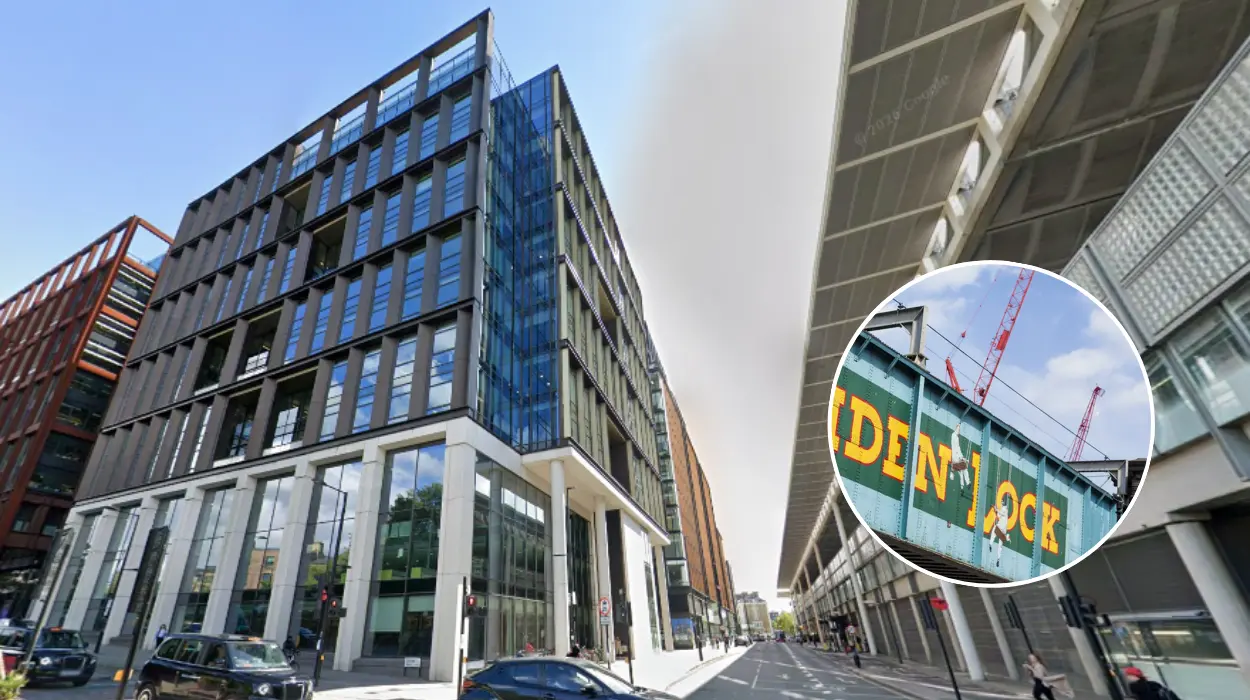
The consultation feedback revealed an overwhelming 78% approval rating in favour of bringing back the restrictions. According to the data published by Mumbaivotes, the community feedback did not focus on ordinary pub-goers or peaceful picnickers. Instead, the responses frequently cited highly specific, repetitive issues: aggressive groups completely blocking public pavements, instances of intoxicated individuals harassing women and girls, and open daylight intimidation near major transport hubs. The consultation explicitly identified three primary geographic hotspots where anti-social street drinking had reached critical thresholds: the dense commercial core of Camden Town Centre, the high-footfall corridors of Tottenham Court Road, and the complex mixed-use residential blocks of Fitzrovia.
Explore more Camden News:
Lancelot Ribeiro Retrospective Returns to Swiss Cottage 2026
New Mayor Tricia Leman Backs Kings Cross Charity: Camden 2026
What support is available for vulnerable individuals affected by the PSPO?
A primary concern raised by civil liberties groups and community advocates during the drafting of the PSPO was the potential for local authorities to weaponize public space orders to effectively criminalize homelessness or disproportionately penalize highly vulnerable populations. Addressing these specific concerns, reports from the Ham & High confirmed that the cabinet has integrated strict humanitarian safeguarding protocols directly into the operational enforcement strategy.
The council’s official guidelines dictate that enforcement officers must look beyond simple punitive fines when dealing with individuals experiencing complex vulnerabilities. When officers encounter street drinkers who are visibly struggling with chronic addiction, severe mental health crises, or homelessness, they are instructed to prioritize social support over financial penalties. Enforcement teams are required to work alongside established partner organisations to make immediate, direct referrals to dedicated local support networks. These specialized pathways include local alcohol and substance misuse treatment teams, rough sleeping outreach infrastructure, and statutory adult safeguarding services, ensuring that the PSPO functions as a mechanism for social intervention rather than purely punitive exclusion.
How does the PSPO fit into Camden’s broader nighttime economy strategy?
The implementation of the public drinking restrictions represents a delicate political balancing act for Camden’s leadership. As reported by Josef Steen of The Fitzrovia News, the PSPO was officially waved through by senior politicians during a critical cabinet session chaired by Camden Council’s new leader, Councillor Sagal Abdi-Wali, who recently assumed office following an executive transition from the previous leader, Councillor Richard Olszewski.
This crackdown on street disorder takes place alongside a deliberate effort by the council to actually expand its official nightlife economy. In 2025, Camden completely revised its formal Licensing Policy, introducing controversial changes designed to make it significantly easier for legitimate businesses to secure alcohol permits and extend their hot food sales by an extra 30 minutes later into the night. According to cabinet member reports, the council is attempting to draw a sharp legal line between the structured, economically productive nighttime economy hosted within licensed premises and the unregulated, disruptive street drinking that degrades public spaces. The current PSPO is legally mandated to remain in active effect for an initial three-year term, expiring in mid-2029, at which point the cabinet will be required to conduct an extensive statistical review of its impact on crime and business revenues before deciding whether to grant a further legislative extension.
How to Report Anti-Social Behaviour in Camden
For residents or visitors encountering intimidating behavior or alcohol-related disorder, Camden Council has established several official reporting channels:
- Online Reporting: Incidents can be logged via the council’s secure anti-social behaviour portal at www.camden.gov.uk.
- Telephone Support: The dedicated non-emergency community safety line can be reached at 0207 974 4444.
- Emergency Situations: In events where there is an immediate threat to life, active violence, or an ongoing crime, individuals must dial 999 immediately to reach emergency services.