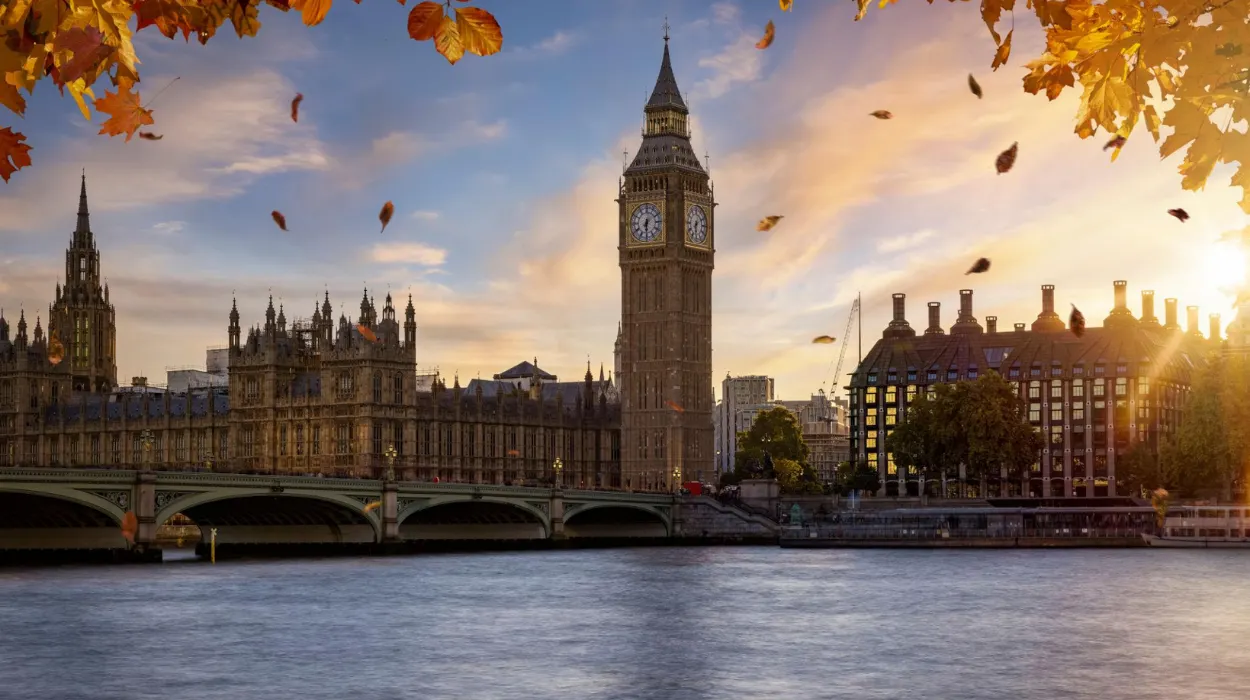
London’s seasonal traditions reflect nearly two thousand years of political, religious, social, and cultural development. From Roman festivals and medieval religious observances to Victorian customs and modern multicultural celebrations, each season has shaped how Londoners lived, worked, worshipped, and celebrated throughout history. These traditions remain visible in royal ceremonies, public festivals, historic markets, ancient parks, churches, theatres, and civic institutions, making London one of the world’s richest cities for understanding the relationship between seasonal change and cultural heritage.
- Why have London’s seasonal traditions evolved throughout British history?
- How did spring traditions shape London’s historical development?
- How did summer traditions transform London’s culture?
- How did autumn traditions reflect London’s economy and society?
- Why did winter become London’s richest season of traditions?
- How did religion influence London’s seasonal customs?
- How did the British monarchy influence London’s seasonal ceremonies?
- How did London’s parks and public spaces change seasonal traditions?
- How did industrialisation reshape London’s annual traditions?
- Which historic traditions still survive in modern London?
- Why do London’s seasonal traditions remain historically important today?
Why have London’s seasonal traditions evolved throughout British history?
London’s seasonal traditions evolved because political authority, religion, trade, agriculture, industry, migration, and public life continuously reshaped how people marked the changing year. Each historical period introduced new customs while preserving older practices that became part of London’s cultural identity.
London’s seasonal calendar developed alongside the city’s transformation from the Roman settlement of Londinium, founded around AD 47, into Britain’s political and economic capital. Every era added new traditions without completely replacing older ones. Roman religious festivals, medieval Christian holy days, Tudor court ceremonies, Georgian civic celebrations, Victorian public holidays, and modern multicultural festivals collectively created London’s annual rhythm.
The River Thames influenced many traditions because it determined transport, commerce, fishing, and ceremonial activity. Seasonal flooding, freezing winters, harvest deliveries, and river pageantry affected daily life for centuries.
Religious institutions also structured London’s yearly calendar. Before the English Reformation in the 16th century, the Roman Catholic Church organised much of public life through feast days, fasting periods, pilgrimages, and saints’ celebrations. Following the establishment of the Church of England under King Henry VIII, many traditions changed while several older customs survived in modified forms.
Economic development altered traditions as London’s population expanded from approximately 18,000 during Roman Britain to over one million by the early nineteenth century and nearly nine million today. Markets, fairs, theatres, sporting events, and civic celebrations gradually replaced many agricultural observances.
Modern London preserves traditions through heritage organisations, royal ceremonies, museums, local councils, and cultural institutions, ensuring seasonal customs remain part of public life.
How did spring traditions shape London’s historical development?
Spring symbolised renewal across London’s history through religious festivals, agricultural preparation, civic ceremonies, and royal observances. These traditions marked the transition from winter hardship to increased trade, travel, construction, and community activity throughout the capital.
Roman and medieval spring celebrations
Roman Londinium observed festivals honouring agricultural renewal and fertility, reflecting wider customs across the Roman Empire. Archaeological discoveries indicate that temples and public spaces hosted seasonal religious ceremonies linked to planting and prosperity.
During the medieval period, Easter became London’s most significant spring celebration. Churches organised elaborate liturgical processions, while markets reopened after winter and pilgrimages resumed across southern England.
Palm Sunday, Holy Week, and Easter Sunday attracted large congregations to London’s churches. Religious guilds organised charitable events, processions, and community feasts that strengthened neighbourhood identities.
Spring markets and civic life
Spring also marked increased commercial activity. Merchants resumed long-distance trade after winter travel became easier. Livestock markets expanded, river traffic intensified, and construction projects restarted following colder weather.
Traditional May Day celebrations became especially important from the late medieval period onward. Londoners decorated streets with flowers, danced around maypoles, and held community gatherings in open spaces outside the medieval city walls.
Royal ceremonies frequently occurred during spring because improved weather allowed public processions and diplomatic receptions.
How did summer traditions transform London’s culture?
Summer became London’s season of outdoor celebration through royal pageantry, fairs, theatres, sporting events, riverside activities, and expanding leisure culture. Longer daylight encouraged public gatherings that reflected London’s growing economic prosperity and political importance.
Summer offered practical advantages before electric lighting became widespread. Longer daylight extended working hours while allowing larger public gatherings.
Open-air entertainment flourished throughout the Tudor and Stuart periods. Public theatres south of the Thames attracted thousands of visitors during warmer months, contributing to London’s reputation as England’s cultural centre.
Royal celebrations also increased during summer. Monarchs held ceremonial entries, military reviews, diplomatic receptions, and public festivities that reinforced royal authority before large audiences.
The Thames became London’s busiest ceremonial route during summer. Royal barges, merchant vessels, and civic flotillas travelled between Westminster and the City of London for official events.
Large fairs became important economic and cultural institutions. These seasonal markets combined international trade, food, music, performances, and entertainment, attracting visitors from across Britain and continental Europe.
To experience many surviving heritage locations connected with these traditions today, consult our comprehensive [Best Seasonal Experiences Throughout London Every Tourist Should Enjoy During Every Visit] for itineraries and visiting parameters.
How did autumn traditions reflect London’s economy and society?
Autumn traditions reflected London’s dependence on harvests, trade, governance, and civic administration. Markets expanded with agricultural supplies while political institutions resumed activity after summer, linking seasonal change directly to urban life and national government.
Harvest and food traditions
Although London itself became increasingly urban, it depended heavily on surrounding counties for food supplies. Autumn brought grain, fruit, vegetables, livestock, and imported goods into London’s wholesale markets.
Historic markets including those operating within the City of London played central roles in distributing seasonal produce across growing neighbourhoods.
Harvest celebrations combined religious thanksgiving with community gatherings. Churches organised services expressing gratitude for successful harvests, while charitable institutions distributed food to poorer residents.
Political and legal calendars
Autumn also marked the return of parliamentary, legal, and administrative activity after summer recesses.
The legal profession resumed significant court sessions, while civic institutions planned budgets, infrastructure improvements, and commercial regulations before winter.
Educational institutions followed similar seasonal patterns. Schools and universities welcomed students for new academic terms that shaped British education for centuries.
Autumn therefore represented preparation, governance, and economic organisation alongside agricultural abundance.
Why did winter become London’s richest season of traditions?
Winter developed the greatest concentration of London’s traditions because religious festivals, royal ceremonies, charitable activities, seasonal markets, and community celebrations coincided during shorter days, reinforcing social cohesion during the year’s most challenging months.
Winter historically presented London’s greatest environmental challenges. Limited daylight, colder temperatures, food preservation concerns, and reduced travel encouraged stronger community cooperation.
Christmas gradually became London’s most recognisable seasonal celebration.
Medieval Christmas
Medieval Christmas lasted several weeks rather than a single day.
Church services, communal feasts, charitable giving, music, mystery plays, and religious observances dominated public life between Christmas and Epiphany.
Monasteries distributed food and assistance to poorer Londoners, reinforcing the Church’s central social role.
Tudor and Stuart celebrations
Royal courts expanded Christmas entertainment with elaborate banquets, masques, music, dancing, and ceremonial gift exchanges.
Public celebrations varied depending upon political and religious circumstances. During the English Civil War, Puritan authorities restricted many Christmas festivities, viewing them as excessively elaborate.
Following the Restoration in 1660, numerous customs returned to public life.
Victorian Christmas
The nineteenth century transformed Christmas into the family-centred celebration recognised today.
Victorian traditions popularised Christmas trees, greeting cards, charitable campaigns, festive shopping, seasonal literature, and expanded public decorations.
Charles Dickens’ A Christmas Carol, published in 1843, strongly influenced modern understandings of generosity, family celebration, and seasonal charity.
Department stores introduced elaborate festive displays, while London’s streets became increasingly illuminated with decorative lighting.
How did religion influence London’s seasonal customs?
Religion structured London’s seasonal calendar for more than one thousand years through Christian feast days, fasting periods, saints’ festivals, royal ceremonies, and parish activities that organised worship, education, charity, and community life across the capital.
Before the Reformation, nearly every month included religious observances linked to saints, biblical events, or agricultural blessings.
Parish churches acted as neighbourhood centres where residents gathered for worship, announcements, charity, and seasonal celebrations.
The English Reformation changed religious authority without eliminating seasonal observance. Christmas, Easter, and Harvest Thanksgiving remained important, although theological emphasis shifted.
London also became home to growing Jewish, Muslim, Hindu, Sikh, Buddhist, and other faith communities from the nineteenth century onward.
Today, London’s seasonal calendar includes celebrations reflecting Britain’s religious diversity while preserving historic Christian ceremonies at major churches and cathedrals.
How did the British monarchy influence London’s seasonal ceremonies?
The monarchy shaped London’s seasonal traditions through coronations, jubilees, royal birthdays, ceremonial processions, military pageantry, and state occasions that connected the Crown with the public across changing historical periods.
Royal ceremonies provided continuity during political change.
Seasonal events often reflected practical considerations. Summer enabled large outdoor processions, while winter hosted court festivities.
The State Opening of Parliament became one of Britain’s most recognisable constitutional ceremonies.
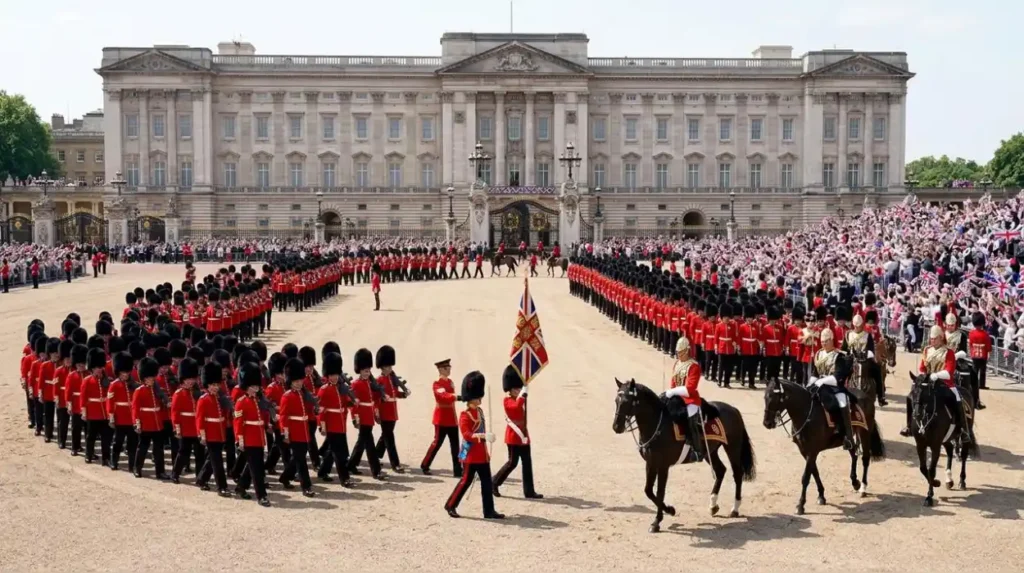
Trooping the Colour evolved into the monarch’s official birthday parade, demonstrating military tradition alongside royal symbolism.
Royal weddings, jubilees, coronations, and funerals also created seasonal milestones remembered across generations.
These ceremonies combined constitutional significance with public celebration, reinforcing London’s role as Britain’s ceremonial capital.
How did London’s parks and public spaces change seasonal traditions?
London’s parks transformed seasonal customs by providing accessible spaces for recreation, celebrations, sporting events, concerts, and civic gatherings. Urban green spaces replaced many rural traditions while preserving connections between nature and public life.
During the seventeenth and eighteenth centuries, royal hunting grounds gradually became public parks.
Tree-lined avenues, lakes, gardens, and open lawns encouraged walking, boating, picnicking, organised sports, and seasonal festivals.
Victorian urban planning expanded access to parks across London’s rapidly growing suburbs.
Public concerts, flower displays, outdoor theatre, remembrance ceremonies, and sporting competitions became established seasonal attractions.
These spaces allowed traditional celebrations to continue despite London’s increasing urbanisation.
How did industrialisation reshape London’s annual traditions?
Industrialisation fundamentally changed London’s seasonal traditions by replacing agricultural rhythms with factory employment, public transport, regulated holidays, mass entertainment, and expanding commercial celebrations across the nineteenth and twentieth centuries.
The Industrial Revolution transformed work patterns.
Factory employment reduced dependence on agricultural seasons while increasing demand for organised leisure.
Railways enabled day trips, seaside holidays, and attendance at sporting events beyond London’s centre.
Department stores promoted seasonal shopping campaigns that encouraged widespread participation in Christmas and Easter traditions.
Gas lighting and later electricity extended evening entertainment throughout winter.
Mass newspapers advertised seasonal events, concerts, exhibitions, and charitable campaigns to growing audiences.
Industrialisation therefore commercialised many traditions while increasing public participation.
Which historic traditions still survive in modern London?
Many historic traditions survive because heritage organisations, royal institutions, churches, museums, local authorities, and cultural communities actively preserve ceremonies that connect modern London with nearly two thousand years of continuous urban history.
Several traditions maintain direct historical continuity.
Ceremonial pageantry continues through royal processions, military parades, and civic events.
Religious observances remain central at historic churches throughout Christmas, Easter, and Harvest Festival.
Historic markets continue seasonal trading traditions while adapting to contemporary commerce.
Public parks host concerts, sporting competitions, remembrance events, and seasonal festivals that reflect earlier civic customs.
Museums, archives, and heritage organisations interpret archaeological discoveries that reveal London’s evolving seasonal life.
Educational programmes encourage schools to study traditional customs alongside Britain’s broader historical development.
Modern festivals celebrating London’s multicultural population have expanded the seasonal calendar while complementing longstanding civic traditions.
Why do London’s seasonal traditions remain historically important today?
London’s seasonal traditions remain historically important because they preserve evidence of Britain’s political, religious, economic, and cultural evolution while strengthening public understanding of heritage, identity, and community across generations through living historical practices.
Seasonal traditions provide historians with evidence about how ordinary people experienced historical change.
Archaeological discoveries reveal food consumption, religious practice, housing patterns, and commercial activity associated with different seasons.
Historic documents, parish records, municipal archives, royal household accounts, and personal diaries allow researchers to reconstruct London’s annual rhythms across centuries.
Genealogists frequently use seasonal records, including baptism registers, marriage records, harvest accounts, tax documents, and parish relief records, to understand family histories.
Cultural preservation also supports tourism, education, and local identity. Historic ceremonies attract millions of visitors annually while reinforcing London’s global reputation as a city where ancient traditions continue alongside modern life.
Climate adaptation, conservation projects, and digital heritage initiatives ensure seasonal customs remain accessible for future generations. Museums increasingly use archaeological science, archival digitisation, and interactive interpretation to explain how traditions evolved across different historical periods.
London’s annual cycle demonstrates remarkable continuity despite Roman occupation, Norman conquest, the Reformation, the Great Fire of 1666, industrialisation, two world wars, and rapid urban growth. Each era introduced new customs while preserving important elements of earlier traditions.
The result is a layered cultural calendar where Roman foundations, medieval religious observances, Tudor ceremonies, Georgian civic life, Victorian public celebrations, and contemporary multicultural festivals coexist within one of the world’s oldest continuously inhabited capitals. This continuity explains why London’s seasonal traditions remain essential for understanding British history, cultural identity, and the enduring relationship between people, place, and the changing seasons.
What are London’s four main seasons?
London experiences spring (March–May), summer (June–August), autumn (September–November), and winter (December–February). Each season offers different historical, cultural, and outdoor experiences shaped by centuries of British tradition.