Afternoon tea is one of London’s most enduring cultural traditions. It combines hospitality, culinary heritage, architecture, and social history into a ritual that continues to attract millions of visitors every year. Across London’s historic hotels, department stores, museums, and heritage venues, afternoon tea preserves Victorian customs while adapting to contemporary tastes.
- What is traditional afternoon tea, and how did it begin in London?
- Why is London considered the world’s capital of traditional afternoon tea?
- Which historic London venues offer the most authentic traditional afternoon tea?
- How did London’s luxury hotels preserve afternoon tea traditions through the twentieth century?
- What foods define a traditional London afternoon tea?
- How does afternoon tea reflect London’s social and cultural history?
- Why do historic afternoon tea venues remain important heritage attractions today?
- How can visitors experience authentic afternoon tea while respecting tradition?
- What is the lasting historical significance of London’s afternoon tea tradition?
Originating during the nineteenth century, afternoon tea became a defining feature of British social life. Today, London’s finest venues maintain historic interiors, traditional recipes, and ceremonial service that reflect more than 180 years of cultural continuity. The city’s afternoon tea experiences also support heritage tourism by preserving listed buildings, promoting British baking traditions, and showcasing historic neighbourhoods.
What is traditional afternoon tea, and how did it begin in London?
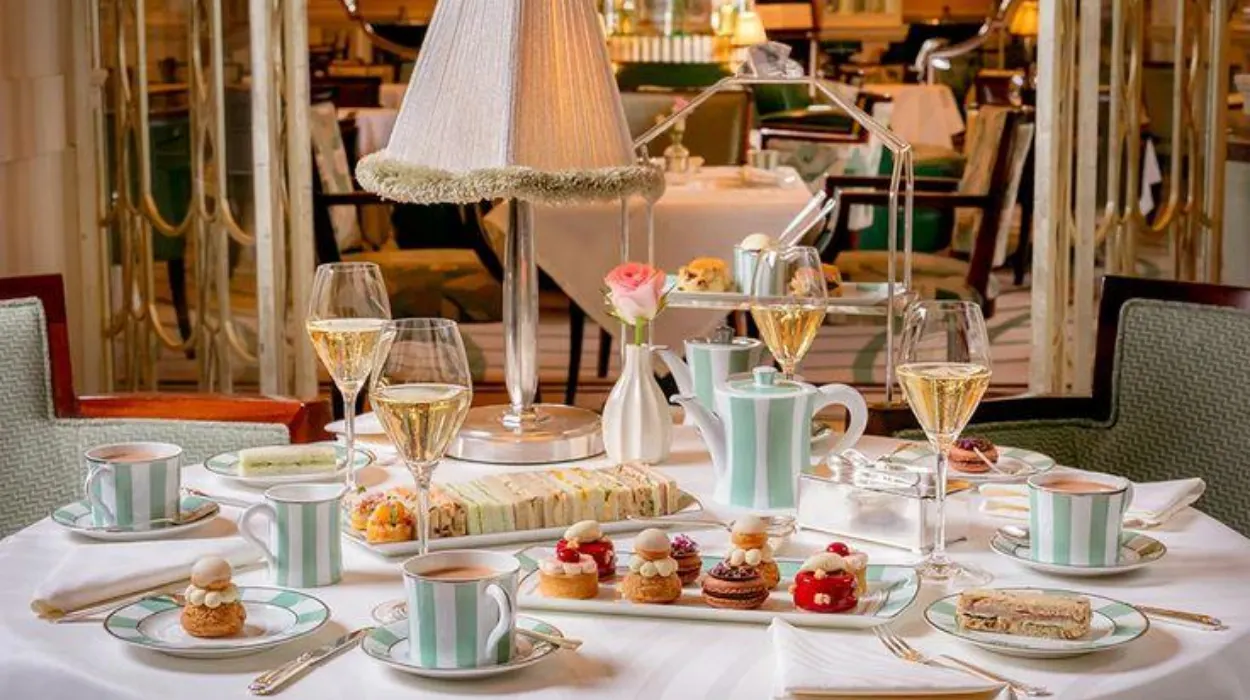
Traditional afternoon tea is a British dining custom established during the 1840s in London. It combines tea, finger sandwiches, freshly baked scones, preserves, clotted cream, pastries, and cakes served between lunch and dinner within elegant social settings that reflect Victorian culture and hospitality.
Afternoon tea originated during the early Victorian era. By the 1840s, the gap between luncheon and the evening meal often extended until around 8:00 pm. This lengthy interval encouraged members of Britain’s upper classes to introduce a light afternoon refreshment.
The custom is widely credited to Anna Maria Russell, the seventh Duchess of Bedford. She began requesting tea, bread, butter, and small cakes during the late afternoon to satisfy hunger before dinner. The practice soon evolved into social gatherings where friends joined for conversation alongside carefully prepared refreshments.
London rapidly became the centre of this growing tradition. Wealthy households organised formal tea receptions, while luxury hotels and tearooms later made the experience accessible to a broader audience.
Traditional afternoon tea differs from high tea. Afternoon tea is a refined light meal served from decorative china and silverware. High tea originated among working families and consisted of more substantial evening dishes including meat pies, eggs, bread, and vegetables.
The Victorian expansion of London’s railway network, luxury hotels, and department stores during the nineteenth century transformed afternoon tea into a public cultural institution. Establishments competed through elegant interiors, professional service, and increasingly elaborate menus.
By the late nineteenth century, afternoon tea had become internationally recognised as one of London’s defining cultural experiences.
Why is London considered the world’s capital of traditional afternoon tea?
London became the global centre of afternoon tea because Victorian society institutionalised the tradition through grand hotels, luxury department stores, royal patronage, and hospitality standards that continue preserving authentic customs within historic buildings across the capital today.
Several historical developments explain London’s reputation.
The city served as the political and cultural heart of the British Empire throughout the nineteenth century. Its expanding middle class embraced afternoon tea as a symbol of refinement, education, and respectable social behaviour.
Luxury hotels established during the Victorian and Edwardian eras elevated afternoon tea into a prestigious public event. Visitors from Europe, North America, India, Australia, and other parts of the Empire encountered London’s distinctive tea culture during their travels.
London also benefited from Britain’s dominant position within the global tea trade.
Tea imported from India, examples including Assam and Darjeeling, and Sri Lanka, examples including Ceylon black tea, arrived through London’s commercial networks. The city’s merchants developed sophisticated standards for blending, storing, and serving tea.
Architecture reinforced this reputation. Grand hotels featured ornate dining rooms decorated with marble columns, crystal chandeliers, stained glass, carved woodwork, and gilded ceilings. These surroundings became inseparable from the afternoon tea experience.
Today, London welcomes tens of millions of international visitors annually. Afternoon tea remains among the city’s most popular heritage experiences because it combines food history, architecture, etiquette, and British tradition within authentic historic settings.
Which historic London venues offer the most authentic traditional afternoon tea?
Several historic London venues preserve authentic afternoon tea traditions through original architecture, long-established service customs, historic recipes, and continuous operation spanning generations. These locations represent the highest standards of British hospitality and cultural heritage preservation.
The Ritz London
Opened in 1906, The Ritz became one of Britain’s defining luxury hotels.
Its Palm Court remains internationally recognised for afternoon tea served beneath elegant chandeliers, Louis XVI-inspired interiors, and classical architectural details.
Professional tea masters prepare carefully selected blends accompanied by traditional finger sandwiches, freshly baked scones, Cornish clotted cream, strawberry preserves, and handcrafted pastries.
Dress codes and live piano performances preserve the formal atmosphere associated with Edwardian London.
Claridge’s
Claridge’s has served guests in London’s Mayfair district since the nineteenth century.
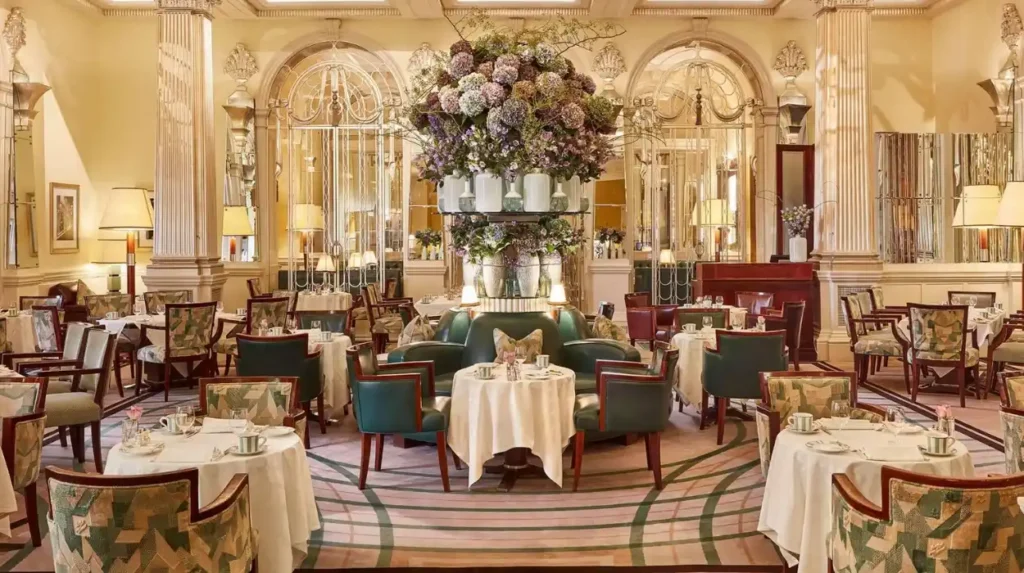
Its Art Deco influences combine with Victorian hospitality traditions to create one of London’s most respected afternoon tea experiences.
Seasonal pastries, loose-leaf teas, and silver service reflect long-standing culinary standards maintained by generations of chefs and hospitality professionals.
Fortnum & Mason
Founded in 1707, Fortnum & Mason occupies an important position in British food history.
The Diamond Jubilee Tea Salon celebrates centuries of tea trading expertise. The company supplied provisions to explorers, royalty, military officers, and international travellers throughout Britain’s imperial period.
Visitors experience afternoon tea surrounded by interiors that honour Georgian and Victorian commercial heritage.
The Savoy
Since opening in 1889, The Savoy has welcomed royalty, political leaders, performers, writers, and international visitors.
Its Thames Foyer combines natural light, elegant glass architecture, and classical hospitality traditions.
The hotel remains closely associated with London’s golden age of luxury travel.
Brown’s Hotel
Established in 1837, Brown’s Hotel stands among London’s oldest luxury hotels.
Its Drawing Room preserves traditional afternoon tea within a historic setting that has welcomed authors, artists, diplomats, and members of the royal household for generations.
These venues demonstrate how London’s hospitality industry preserves both culinary traditions and historic architecture.
To experience these historic venues alongside other heritage attractions, consult our comprehensive [The History of Afternoon Tea in Britain and Its Enduring Cultural Significance] for itineraries and visiting parameters.
How did London’s luxury hotels preserve afternoon tea traditions through the twentieth century?
London’s luxury hotels preserved afternoon tea by maintaining historic recipes, ceremonial service, architectural conservation, professional staff training, and consistent hospitality standards despite wars, economic change, and evolving tourism across more than one hundred years of operation.
The twentieth century brought profound change to British society.
Two World Wars altered food supplies, staffing, and international travel. Rationing affected ingredients, while economic pressures reshaped hospitality businesses.
Despite these challenges, London’s leading hotels continued serving afternoon tea whenever circumstances permitted.
After the Second World War, restoration programmes revived damaged historic buildings. Hotels invested in conservation rather than replacing original interiors.
Traditional practices survived because experienced staff trained successive generations.
Silver service techniques, examples including multi-tier presentation and formal table service, remained central features.
Historic recipes also endured.
Classic cucumber sandwiches, smoked salmon sandwiches, fruit scones, lemon drizzle cakes, Victoria sponge, Battenberg cake, and seasonal pastries continued appearing alongside carefully blended teas.
As international tourism expanded during the late twentieth century, afternoon tea evolved into one of London’s signature visitor experiences without abandoning its historical foundations.
Conservation authorities also protected many hotel interiors through heritage listing, ensuring architectural authenticity remained intact.
What foods define a traditional London afternoon tea?
Traditional London afternoon tea follows an established sequence beginning with finger sandwiches, continuing with warm scones served alongside clotted cream and preserves, and concluding with cakes and pastries accompanied by carefully selected loose-leaf teas prepared according to longstanding British customs.
The order of service reflects established etiquette.
Finger sandwiches appear first because they provide savoury balance before sweeter items.
Traditional fillings include cucumber, smoked salmon, egg mayonnaise, roast ham, chicken, and coronation chicken.
Freshly baked scones follow.
These are served warm with Cornish clotted cream and fruit preserves, usually strawberry jam.
The final course includes pastries and cakes.
Classic examples include Victoria sponge, lemon tart, chocolate opera cake, éclairs, Battenberg, fruit cake, macarons, and seasonal patisserie.
Tea itself remains central.
Popular varieties include Earl Grey, Assam, Darjeeling, English Breakfast, Lapsang Souchong, and Ceylon tea.
Each blend offers distinct flavour characteristics developed through centuries of tea cultivation and blending expertise.
Presentation also matters.
Fine bone china, silver teapots, embroidered linen, polished cutlery, tiered cake stands, and elegant table settings preserve the ceremonial nature of traditional afternoon tea.
How does afternoon tea reflect London’s social and cultural history?
Afternoon tea reflects London’s changing social history by illustrating class relationships, women’s social roles, commercial development, imperial trade, hospitality innovation, and the preservation of ceremonial customs that continue shaping British cultural identity today.
Afternoon tea provides historians with valuable insight into Victorian society.
Women often hosted afternoon tea gatherings within drawing rooms, creating socially acceptable opportunities for conversation, networking, and charitable organisation.
Hotels later expanded these opportunities into public settings.
Commercial development also influenced the tradition.
Department stores introduced elegant tearooms where shoppers could rest during increasingly popular retail excursions.
Tea itself symbolised Britain’s global trading networks.
Imports from India, examples including Assam plantations, and Sri Lanka, examples including Ceylon estates, supported one of the nineteenth century’s largest international industries.
Architectural history forms another important connection.
Many afternoon tea venues occupy Grade I or Grade II listed buildings that preserve Victorian, Edwardian, Georgian, or Art Deco design.
Modern visitors therefore experience both culinary heritage and architectural conservation simultaneously.
Afternoon tea also represents continuity.
Despite changes in fashion, technology, transport, and dining habits, London’s leading establishments continue serving tea according to customs established nearly two centuries ago.
Why do historic afternoon tea venues remain important heritage attractions today?
Historic afternoon tea venues remain significant because they preserve listed architecture, culinary traditions, hospitality skills, decorative arts, and cultural customs while supporting heritage tourism, conservation funding, and public appreciation of London’s Victorian and Edwardian history.
Heritage tourism contributes substantially to London’s visitor economy.
Historic hotels, museums, and cultural institutions attract millions of domestic and international visitors interested in authentic British experiences.
Afternoon tea complements this interest by combining history with living tradition.
Rather than displaying customs behind museum glass, London continues practising them daily.
Preservation extends beyond architecture.
Historic recipes survive through professional pastry chefs.
Traditional tea blending remains a specialised skill.
Silver service continues through hospitality training programmes.
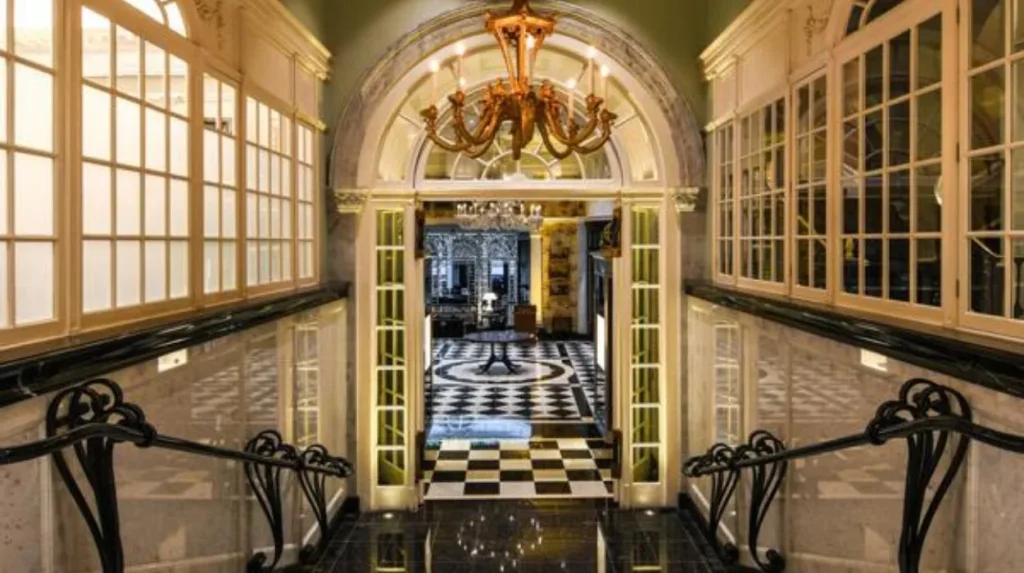
Conservation projects also protect interiors containing stained glass, carved timber, marble fireplaces, decorative plasterwork, mosaic floors, and historic artworks.
Academic researchers study these venues because they demonstrate how commercial businesses successfully preserve cultural heritage while remaining economically sustainable.
Visitors likewise gain direct understanding of Victorian etiquette, dining customs, and architectural design through first-hand participation rather than observation alone.
How can visitors experience authentic afternoon tea while respecting tradition?
Visitors experience authentic afternoon tea by reserving historic venues, following established dress expectations where applicable, observing traditional service etiquette, appreciating the architectural setting, and understanding the cultural history behind each carefully preserved hospitality tradition.
Reservations remain essential because leading venues receive strong demand throughout the year.
Many hotels recommend bookings weeks or months in advance.
Visitors should arrive punctually.
Traditional service follows carefully planned schedules that support kitchen operations and maintain hospitality standards.
Historic luxury hotels often encourage smart attire that complements their formal surroundings.
Understanding etiquette enhances the experience.
Tea is poured before milk according to house custom.
Food is generally enjoyed in sequence, beginning with sandwiches before progressing toward sweets.
Photography policies differ between venues and should always be respected.
Guests also benefit from learning the history of their chosen location before visiting.
Knowledge of the building’s architecture, notable guests, restoration projects, and historical significance creates deeper appreciation for the experience.
Authentic afternoon tea represents far more than food.
It offers direct engagement with London’s living cultural heritage.
What is the lasting historical significance of London’s afternoon tea tradition?
London’s afternoon tea tradition remains historically significant because it preserves nineteenth-century customs, supports architectural conservation, celebrates British culinary heritage, strengthens cultural tourism, and demonstrates how historic practices continue thriving within a modern global capital.
Few traditions have remained as consistent as afternoon tea.
Its origins during the Victorian period continue influencing hospitality nearly two centuries later.
Historic hotels preserve original interiors while adapting discreetly to contemporary visitor expectations.
Tea merchants continue sourcing premium leaves from regions historically connected with Britain’s trading networks.
Pastry chefs maintain classic recipes while introducing seasonal variations that respect established traditions.
Researchers studying food history, architecture, tourism, conservation, and British society regularly examine afternoon tea because it combines multiple aspects of cultural heritage within one experience.
For educators, afternoon tea provides a practical example of how customs evolve while preserving historical identity.
For tourists, it offers an accessible introduction to London’s history.
For preservationists, it demonstrates successful conservation through active public use.
For London itself, afternoon tea remains one of the capital’s most recognisable cultural symbols.
Every carefully prepared teapot, freshly baked scone, restored dining room, and historic hotel contributes to a tradition that continues connecting Victorian Britain with twenty-first-century visitors. The enduring popularity of afternoon tea confirms that London’s greatest historical experiences are not confined to museums or monuments. They continue to flourish around elegantly laid tables where history is served alongside every cup of tea.
What is traditional afternoon tea in London?
Traditional afternoon tea is a British dining tradition that includes loose-leaf tea, finger sandwiches, freshly baked scones with clotted cream and jam, and a selection of cakes and pastries. It is typically served between lunch and dinner in elegant historic venues.