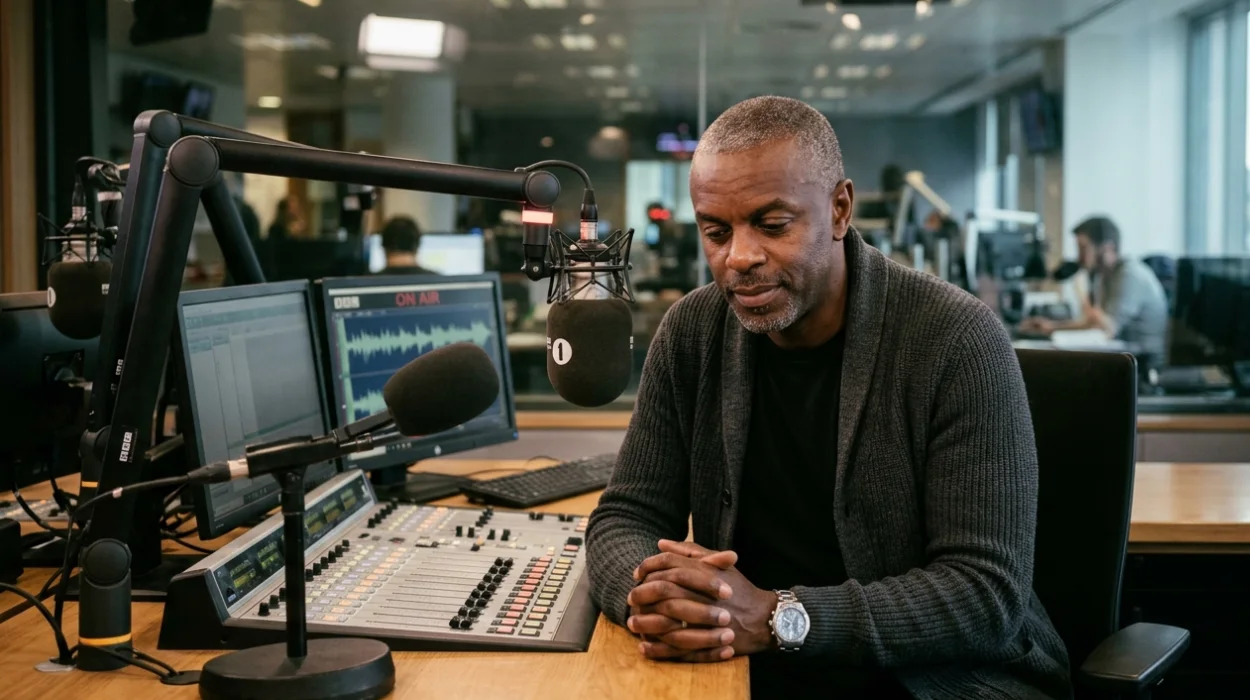
The evolution of contemporary British public broadcasting is structurally tied to the career of Trevor Nelson, a disc jockey and radio presenter who successfully moved urban contemporary genres from illegal pirate radio networks into the mainstream schedule of the British Broadcasting Corporation. Over a three-decade tenure, Nelson established institutional models for specialist music broadcasting across three primary networks: BBC Radio 1, BBC Radio 1Xtra, and BBC Radio 2. His work established precedent for the inclusion of rhythm and blues, hip-hop, and soul within public service broadcasting remits, influencing audience demographics, commercial charts, and industry talent development pipelines across the United Kingdom.
- What is the history of Trevor Nelson on BBC Radio?
- The BBC Radio 1 Era (1996–2013)
- The Launch and Development of BBC Radio 1Xtra (2007–Present)
- Transition to BBC Radio 2 (2016–Present)
- What radio shows does Trevor Nelson host on the BBC?
- The Trevor Nelson Show on BBC Radio 2
- Trevor Goes Old Skool on BBC Radio 1Xtra
- Seasonal and Special Event Programming
- Why did Trevor Nelson step back from his BBC Radio shows in June 2026?
- How did Trevor Nelson change British music broadcasting?
- Breaking the Pirate Radio Monopoly
- Influencing the UK Commercial Music Industry
- Introducing American Urban Culture to the UK
- What awards and honors has Trevor Nelson received for his radio work?
- Member of the Order of the British Empire (MBE)
- The Radio Academy and Sony Gold Awards
- Music of Black Origin (MOBO) Awards
- The TRIC Special Award (2026)
- What is Trevor Nelson’s broader impact on Extra London News and UK culture?
What is the history of Trevor Nelson on BBC Radio?
Trevor Nelson joined the British Broadcasting Corporation in 1996 to launch the first national rhythm and blues show on BBC Radio 1, transitioning to BBC Radio 1Xtra in 2007, and subsequently establishing a permanent presence on BBC Radio 2.
The BBC Radio 1 Era (1996–2013)
Before entering public service broadcasting, Trevor Nelson worked within the commercial and unlicensed sectors of British radio. His career began in 1985 at Kiss FM, an unlicensed pirate station broadcasting to London. Following the legalization of Kiss FM in 1990, Nelson operated as a daytime presenter and corporate director.
In 1996, the controller of BBC Radio 1, Matthew Bannister, hired Nelson as part of a structural restructuring strategy designed to modernize the network and fulfill public service diversity mandates. Nelson introduced The Rhythm Nation, the first dedicated, national urban contemporary music programme on British public radio. The show broadcast on Friday evenings, offering a platform for three genres:
- Contemporary rhythm and blues (R&B)
- American and British hip-hop
- Neo-soul
The programme ran continuously for 17 years. Nelson expanded his schedule on BBC Radio 1 to include a Saturday afternoon sequence, which focused on daytime crossover tracks and chart-climbing urban releases. His broadcasting presence established a bridge between underground subcultures and mainstream consumer markets, helping domestic artists gain nationwide distribution and chart visibility.
The Launch and Development of BBC Radio 1Xtra (2007–Present)
In 2002, the British Broadcasting Corporation launched BBC Radio 1Xtra, a digital sister station dedicated entirely to Black contemporary music, including hip-hop, grime, dancehall, and R&B. Nelson joined the station in 2007 to co-host the flagship breakfast programme alongside presenter Zena Thompson.
Nelson later transitioned to a mid-morning slot running from 10:00 AM to 1:00 PM, Monday through Friday. His programming strategy combined contemporary releases with historic tracks, a concept that evolved into specialized weekend broadcasts. In 2026, his work on the network continues via Trevor Goes Old Skool, which broadcasts on Sunday mornings from 11:00 AM to 1:00 PM. This show archively preserves and indexes urban music releases from three specific decades: the 1980s, 1990s, and 2000s.
Transition to BBC Radio 2 (2016–Present)
To retain adult contemporary audiences, the British Broadcasting Corporation transferred Nelson’s signature brand to BBC Radio 2 in 2016. The network initially positioned Trevor Nelson’s Rhythm Nation as a specialist evening programme broadcasting from 8:00 PM to 10:00 PM on Saturdays, later shifting to a weeknight schedule from Monday to Thursday between 10:00 PM and midnight.
In November 2025, BBC Radio 2 executive management implemented a permanent daytime schedule change. Nelson succeeded presenter Scott Mills in the daily afternoon slot, broadcasting nationwide from 2:00 PM to 4:00 PM Monday through Friday. This afternoon programme altered the network’s traditional daytime musical output by integrating soul, funk, disco, and contemporary R&B alongside established pop standards.
What radio shows does Trevor Nelson host on the BBC?
Trevor Nelson hosts two primary national radio programmes for the British Broadcasting Corporation: a daily afternoon music show on BBC Radio 2 and a weekly retrospective urban music show on digital network BBC Radio 1Xtra.
The Trevor Nelson Show on BBC Radio 2
The daily afternoon broadcast on BBC Radio 2 represents Nelson’s largest audience platform, drawing over 3 million listeners per week. The show features a curated playlist designed to bridge old-school heritage tracks with modern soul-inflected releases. The program’s musical inventory relies on four structural pillars:
- 1970s classic funk and disco
- 1980s synth-soul and groove
- 1995–2005 golden-era contemporary R&B
- Selected modern UK soul releases
The show uses an open-floor request structure, encouraging direct audience engagement while maintaining a fast, music-first sequencing style that avoids long talk segments.
Trevor Goes Old Skool on BBC Radio 1Xtra
This Sunday morning broadcast functions as a historical archive for urban music culture. The programming focuses on tracking the evolution of hip-hop and R&B from an underground movement into a dominant global commercial format. Nelson uses this slot to play rare vinyl pressings, original album versions, and definitive club tracks that rarely receive daytime radio airplay. The show preserves the cultural context of the music by providing historical background information on production techniques, independent record labels, and club nights from past decades.
Seasonal and Special Event Programming
Beyond his weekly and daily commitments, Nelson curates major live events for the BBC that are captured for broadcast.
- Trevor Nelson’s Soul Christmas: A regular live concert series produced at venues like the Royal Albert Hall. It features the BBC Concert Orchestra performing alongside guest soul vocalists. The event is captured and broadcast nationally on BBC Radio 2 every Christmas Eve.
- The Music Is Black Concert: Recorded at the Hackney Empire, this event showcases the historical trajectory of Black British music. It features live performances from notable UK musicians, including singer Omar and saxophonist Courtney Pine.
- Windrush 75 Gala: Curated by Nelson at the Royal Albert Hall, this event commemorated the 75th anniversary of the HMT Empire Windrush’s arrival. The broadcast featured performances by Craig David and Beverley Knight, highlighting the Caribbean community’s deep influence on British popular music.
Why did Trevor Nelson step back from his BBC Radio shows in June 2026?
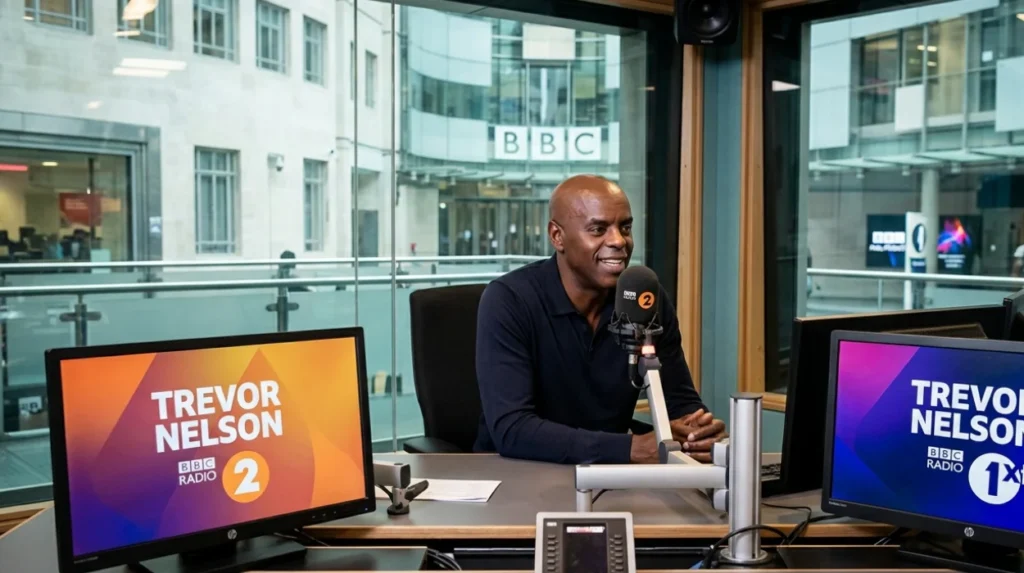
Trevor Nelson stepped back from his broadcasting duties on June 26, 2026, to undergo medical testing and focus on recovery following a health issue identified during a routine medical examination.
Official Statement and Institutional Response
On June 26, 2026, Nelson issued a formal statement via his verified social media accounts to inform listeners of an immediate pause in his work commitments. He stated that a routine medical check-up led doctors to advise follow-up testing. To prevent public speculation, Nelson emphasized the importance of dealing with factual medical assessments and confirmed he would focus entirely on his health, with the goal of returning to broadcasting once fully recovered.
Lorna Clarke, the Director of Music for the British Broadcasting Corporation, issued an official corporate statement on behalf of the network. Clarke expressed universal support from the staff at BBC Radio 2 and BBC Radio 1Xtra, wishing Nelson a quick recovery and confirming his positions would remain open for his return whenever he felt ready.
Temporary Schedule and Cover Presenters
To maintain continuity in the afternoon slot, BBC Radio 2 management scheduled an immediate line-up of cover presenters to manage the 2:00 PM to 4:00 PM block.
Presenter Melvin Odoom was assigned to cover DJ Spoony’s regular evening show, The Good Groove, to prevent scheduling gaps across the wider network. Pre-recorded specialist material, such as The Music Is Black concert, remained in the Sunday night schedule to ensure curated content reached audiences without interruption.
How did Trevor Nelson change British music broadcasting?
Trevor Nelson changed British music broadcasting by breaking down the segregation between mainstream pop schedules and specialist Black music, proving that urban genres could draw large commercial audiences.
Breaking the Pirate Radio Monopoly
During the 1980s and early 1990s, major soul, hip-hop, and R&B releases were rarely played on legal UK daytime radio. Public and commercial stations viewed these styles as niche, specialist genres with limited regional appeal. Consequently, fans relied on unlicensed pirate radio stations to hear new urban music.
By making the move from Kiss FM to BBC Radio 1 in 1996, Nelson proved that a legal public broadcaster could deliver these subcultures to a national audience without losing underground authenticity. His daytime crossover shows demonstrated that urban music appealed to a broad, diverse demographic across the country, encouraging commercial radio networks to adjust their core playlists.
Influencing the UK Commercial Music Industry
Nelson used his position at the BBC to alter how record labels signed and promoted talent. His national platform allowed him to support emerging artists who lacked mainstream backing. He consistently introduced new subgenres to the public, including:
- 1990s New Jack Swing
- Neo-Soul
- UK Garage
- 2000s contemporary British R&B
His radio support directly influenced the UK singles and albums charts. It helped launch the careers of successful domestic urban artists, including soul singer Lynden David Hall, garage pioneer Craig David, and multi-platinum artist Ms. Dynamite.
Introducing American Urban Culture to the UK
Through his radio shows and his 11-year run hosting The Lick on MTV Base, Nelson served as a key link between the US and UK music industries. He introduced British audiences to major American R&B and hip-hop figures, including:
- Destiny’s Child
- D’Angelo
- Mary J. Blige
- Lauryn Hill
By placing these international artists alongside emerging British talent, Nelson helped local producers match the production standards of global urban music, elevating the international standing of the UK urban scene.
What awards and honors has Trevor Nelson received for his radio work?
Trevor Nelson has received multiple industry honors, including an MBE from the Crown, four MOBO Awards, a Sony Gold Award, and lifetime achievement recognitions from the Radio Academy and the Television and Radio Industries Club.
Member of the Order of the British Empire (MBE)
In 2002, Trevor Nelson was appointed a Member of the Order of the British Empire (MBE) by Queen Elizabeth II during the New Year Honours. The award recognized his services to the UK music industry and his extensive work with the Millennium Volunteers, a government initiative aimed at encouraging young people to participate in community service projects.
The Radio Academy and Sony Gold Awards
The Radio Academy, which recognizes excellence in British audio production, has repeatedly honored Nelson’s contributions to broadcasting. In 2010, he received the Sony Radio Academy Gold Lifetime Achievement Award, the highest individual honor in British radio. The judging panel cited his decades of work mainstreaming Black music and his skills as a live broadcaster. In 2014, he was officially inducted into the Radio Academy Hall of Fame (formerly the Arqiva Hall of Fame), cementing his status as an influential figure in British radio history.
Music of Black Origin (MOBO) Awards
Nelson’s role as a tastemaker and club DJ has earned him lasting recognition at the MOBO Awards, an annual ceremony celebrating achievements in music of Black origin. He has won the Best DJ category four times. These awards reflect his ongoing connection to live club culture and his ability to bridge the gap between late-night dance floors and daytime radio.
The TRIC Special Award (2026)
In June 2026, just days before announcing his temporary health break, Nelson attended the annual Television and Radio Industries Club (TRIC) Awards in London. The organization presented him with the TRIC Special Award for 2026, honoring his 40-year career as a media personality, club DJ, music producer, and public broadcaster. The award recognized his successful transition into the high-profile afternoon slot on BBC Radio 2, noting his lasting influence on the UK’s modern listening habits.
What is Trevor Nelson’s broader impact on Extra London News and UK culture?
Trevor Nelson’s career has shaped broader UK culture by establishing Black British identity within mainstream media, driving major preservation projects, and creating a blueprint for modern multi-platform broadcasting.
Cultural Integration and Representation in London
For media outlets like Extra London News that cover metropolitan life, Nelson’s career offers a clear example of how urban subcultures can successfully integrate into national institutions. Growing up in Hackney, London, to St. Lucian immigrant parents, Nelson began his career at a time when major media outlets rarely reflected the diverse realities of working-class, multicultural Britain. His presence on mainstream daytime radio challenged long-standing institutional biases. It demonstrated that a presenter could maintain a distinct working-class London accent and identity while commanding authority on national public radio. This representation opened doors for subsequent generations of broadcasters from diverse backgrounds, changing the sound and style of modern British media.
Digital Preservation and Historical Initiatives
Nelson’s cultural contributions extend beyond live radio into digital historical preservation. In 2023, he partnered with Google Arts & Culture to launch Union Black, a comprehensive digital exhibition.
This multi-platform digital archive documents the historical influence of Black British music on fashion, language, politics, and social movements across the UK. It ensures that the stories of independent record stores, pirate radio operators, and underground musicians are preserved for future generations.
Mentorship and Corporate Leadership
Throughout his career, Nelson has used his platform within the BBC to mentor emerging creative talent. During his time at EMI’s Cooltempo label, he worked in Artists and Repertoire (A&R), signing and developing domestic R&B talent. Within the BBC, he played an active role in shaping the identity of BBC Radio 1Xtra, helping guide young DJs, producers, and researchers through the public broadcasting system.
His ongoing career demonstrates that specialist music curators can build long-term, sustainable careers in a changing media landscape. By adapting across Radio 1, 1Xtra, and Radio 2, Nelson created a clear blueprint for how modern presenters can evolve alongside their audience without losing their musical identity or cultural core.
When did Trevor Nelson join the BBC?
Trevor Nelson joined the BBC in 1996, when he was recruited by BBC Radio 1 controller Matthew Bannister to launch the network’s first dedicated national R&B and urban contemporary music programme, The Rhythm Nation.