
London’s Mayor’s Office for Policing and Crime (MOPAC) and US technology company Palantir have settled their High Court dispute over a proposed £50 million artificial intelligence contract with the Metropolitan Police, bringing an end to months of legal conflict over procurement procedures, public spending and the use of AI in policing.
The settlement, announced on Wednesday, 14 October, follows MOPAC’s decision in May to block a proposed two-year agreement that would have allowed the Metropolitan Police Service (MPS) to use Palantir’s technology to automate certain tasks and analyse intelligence and evidence in criminal investigations.
In a joint statement, both parties confirmed that they had resolved the proceedings and withdrawn their allegations against each other. However, the settlement does not mean Palantir has secured the contract. The company remains eligible to compete in a new procurement process.
Why was the contract blocked?
The dispute began when MOPAC, which oversees policing governance and spending in London, refused to approve the proposed agreement earlier this year.
According to MOPAC, the Metropolitan Police had failed to obtain the necessary approval for its procurement strategy and had not adequately considered alternative suppliers. The mayor’s office argued that the process raised concerns about governance, affordability and whether the proposed contract would deliver value for money. The Metropolitan Police, however, maintained that its procurement procedures were legally and commercially compliant. The force argued that the technology could help modernise investigations and improve its ability to respond to serious crime.
Palantir subsequently brought a legal claim against MOPAC in June, challenging the decision to block the agreement. A full trial had been expected in January 2027, but the settlement has brought the current proceedings to an end.
What does the mayor’s office say?
In its official statement published on 14 October, MOPAC clarified that its decision was not based on Palantir’s political associations, values or ethics.“MOPAC’s decision in May 2026 not to enter a UOA Contract … was not based on Palantir’s values or ethics or any wider reporting about the company,” the statement said.
The office acknowledged that earlier media reporting may have created the impression that an assessment of Palantir’s values had influenced the decision. MOPAC also confirmed that it has no policy of refusing to work with Palantir and that the company is welcome to participate in future procurement exercises alongside other potential suppliers.
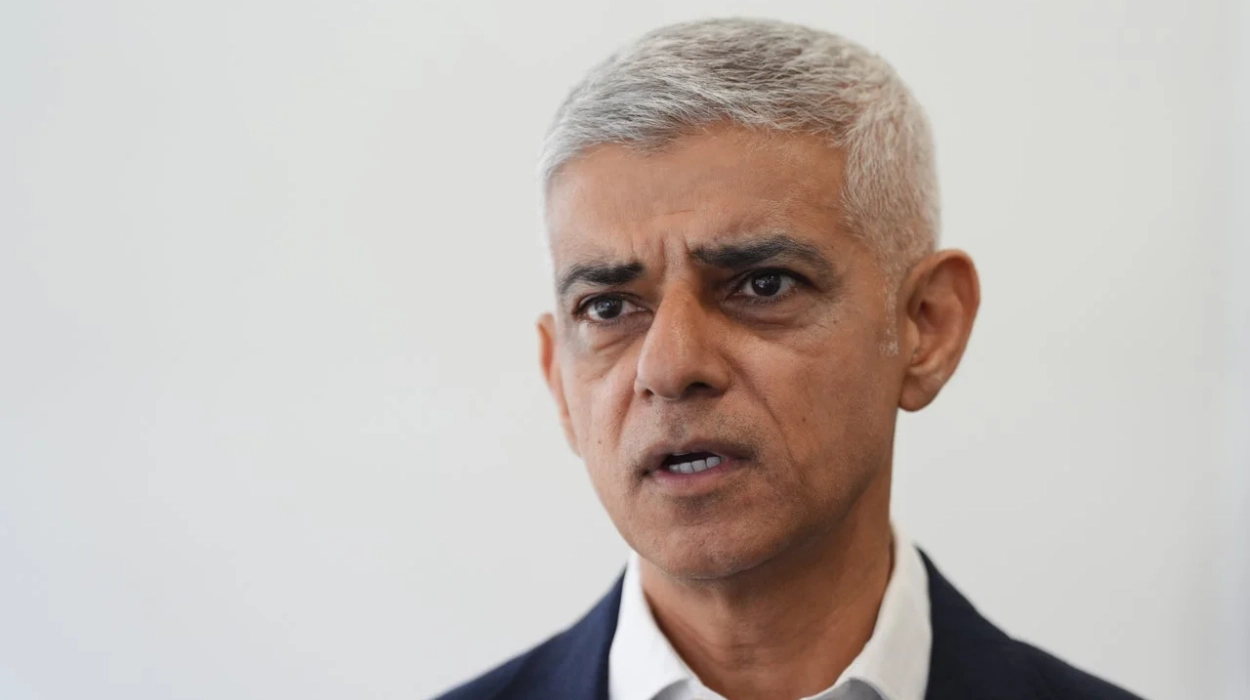
Mayor of London Sir Sadiq Khan said the capital’s public services should be able to use modern technology to improve public safety, while ensuring that contracts are lawful, transparent and provide value for money. The mayor’s office said it would continue working with the Metropolitan Police to assess the costs and benefits of an intelligence-analysis system and progress the new procurement process.
Why does the Metropolitan Police want AI?
The proposed contract was intended to help automate aspects of intelligence analysis and evidence processing, potentially reducing the time officers spend on administrative tasks.Police forces increasingly face large volumes of digital information, including messages, financial records, CCTV footage and other evidence. AI-assisted analytical tools can help investigators organise information, identify potential connections and prioritise material for further examination.
However, such systems do not independently establish guilt. Their outputs require appropriate human scrutiny, and any evidence used in criminal proceedings must be assessed according to the relevant legal standards.The financial pressure facing the Metropolitan Police has added urgency to the debate. In May, the Guardian reported that the force was facing a funding shortfall of £125 million in the coming financial year and that 1,150 job cuts were being considered.
The force had also argued that access to new technology could help address its financial pressures. The disagreement has therefore highlighted the difficult balance between investing in technological tools, maintaining police staffing levels and ensuring public money is spent appropriately.
Concerns over accountability and dependence on technology
The dispute has raised wider questions about how artificial intelligence should be introduced into public services, particularly where decisions can affect criminal investigations and individual rights. Supporters of AI-assisted policing argue that technology can help investigators process information more efficiently and identify leads that might otherwise take considerable time to uncover.
Critics, however, warn that automated analysis can produce misleading associations, reproduce biases present in underlying data or make it difficult for people to understand how conclusions were reached. Concerns have also been raised about data security, access to sensitive information and the potential dependence of public bodies on a small number of technology suppliers. Palantir’s work with government agencies, including the UK’s National Health Service and Ministry of Defence, has contributed to wider public debate about the role of private technology companies in essential public services.
The London dispute has also drawn attention to procurement practices. MOPAC’s position is that major public contracts must undergo appropriate scrutiny and demonstrate value for money, rather than proceed without adequate consideration of the available options.
What happens next?
Palantir remains eligible to bid for the Metropolitan Police’s proposed Unified Operational Analytics contract, but the outcome of the new procurement process has not been determined. MOPAC has said it will continue examining the police force’s proposals, including the potential benefits, costs and delivery arrangements of the technology. Any future agreement will need to comply with the applicable procurement requirements.
The settlement resolves the immediate legal dispute, but it does not settle the broader debate over AI in policing. As police forces look for ways to improve efficiency under financial pressure, the challenge for London will be to establish whether AI can deliver measurable operational benefits without weakening accountability, transparency or public trust.