Key Points
- Hackney History Festival returns for its third year across two weekends: 9-10 May and 16-17 May 2026.
- Over 90 events at various venues including Hackney Archives, Sutton House, Round Chapel, and Chats Palace.
- Focuses on celebrating Hackney’s rich, rebellious, culturally diverse history of radical thinkers, outsiders, and rule-breakers.
- Founder Janet Chapman aims to foster deeper community understanding and love for Hackney amid rapid changes.
- Historians presenting on 10 May: Romany Reagan on women’s stories at Sutton House; Ken Worpole on John Berger; Breda Corish on Irish history via Abney Park Cemetery.
- Tickets mostly £3, some free; available at https://www.tickettailor.com/events/hackneyhistoryfestival; some events sold out.
- Venues rotate daily; Round Chapel hosts on 9 May in E5.
Hackney, (Extra London News) April 23, 2026 – The Hackney History Festival returns for its third year, spanning two weekends on 9-10 May and 16-17 May, offering residents, historians, archivists, and community groups a platform to celebrate the borough’s rich and culturally diverse history.
- Key Points
- What Is the Hackney History Festival?
- Why Was the Festival Founded?
- Who Are the Key Historians Speaking on 10 May?
- What Will Romany Reagan Discuss?
- What Is Ken Worpole’s Topic?
- What Does Breda Corish Focus On?
- What Are the Festival Venues and Schedule?
- How Much Do Tickets Cost and Where to Buy Them?
- Why Does Hackney’s History Matter Today?
This year’s programme promises over 90 events across rotating venues such as Hackney Archives, Sutton House, Round Chapel, and Chats Palace, making it bigger and better than previous editions.
What Is the Hackney History Festival?
The festival provides a space to explore Hackney’s “rich, rebellious and fascinating history,” as described by its founder. As reported by Anna Day of East London Lines, Janet Chapman, founder and chair of Hackney History Festival, stated:
“Hackney has always been a place of radical thinkers, outsiders and rule-breakers. Yet so much of this history is little known, and in some cases at risk of disappearing altogether. Our borough has a rich, rebellious and fascinating history that deserves to be celebrated.”
Chapman told East London Lines that she launched the festival to introduce the community to a “deeper understanding and love for Hackney.” She added:
“As a long-term resident of Hackney, I’ve seen the area change enormously. Some of those changes have been positive, but others mean we risk losing places and stories that have defined the borough for generations.”
According to Chapman, this edition features more events and venues than before, with talks and activities held at key sites. Venues change daily, ensuring a dynamic experience across the borough.
Why Was the Festival Founded?
Janet Chapman’s vision stems from Hackney’s transformation and the threat to its historical narratives. In an interview with East London Lines, she emphasised preserving stories amid urban evolution.
The festival counters the erasure of lesser-known histories, spotlighting the borough’s radical spirit.
Chapman highlighted the event’s growth:
“This year’s programme is even bigger and better than before, with over 90 events and more venues.”
This expansion underscores community demand for local heritage exploration.
Who Are the Key Historians Speaking on 10 May?
East London Lines spoke to three experts specialising in lost women’s histories, social history and public policy, and Irish influence, all presenting on 10 May.
What Will Romany Reagan Discuss?
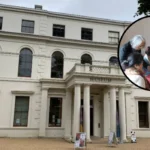
Historian Romany Reagan will deliver a talk on the untold stories of women at Sutton House, Hackney’s oldest residential building from 1535. The Tudor-style site, once a 1980s squat, now serves as a National Trust museum, school, café, and art gallery.
Reagan told East London Lines:
“There are 500 years of residential history [in Sutton House], and the official narrative has been [about] men. I realised women actually controlled ownership of the site. That story is so glaring and fascinating, and my angle is sharing these women’s stories in a lecture series.”
Her drive comes from frustration with selective documentation. Reagan explained:
“History isn’t facts. It’s a collection of opinions about what is important. When some dude thought [an event] wasn’t important, he didn’t write it down. I got fired up by this concept and was like ‘wait a minute, I want to go tell people history isn’t what you think it is.’”
She added:
“It gives you strength knowing that our history is much more diverse than you think.”
Sutton House features mini garden spaces, enhancing its appeal as a historical hub.
What Is Ken Worpole’s Topic?
Ken Worpole, a writer and social historian residing in Hackney since 1944, will speak about John Berger, marking 100 years since the influential post-war writer’s birth. Berger, an award-winning author and artist, addressed sexism, the male gaze, social classes, wealth, exploitation, slavery, Marxism, immigration, and structural inequalities.
Worpole said:
“[Berger] was the most interesting writer I have ever read. I have always been a great admirer of his. This is a very special year, 100 years since he was born.”
His work draws from Hackney’s “rich, distinctive history; fighting poverty and racism, working class rioting, and post-war social history.” A festival speaker since its start, Worpole praised:
“It is incredibly well organised, ambitious, and a great success. It proves there is a tremendous interest in the history of Hackney. I don’t think any other borough in London has the range of organisations and individuals concerned with researching, rioting, and writing.”
He described Hackney as multicultural, artistic, and “an interesting mixture of old and new.”
What Does Breda Corish Focus On?
Breda Corish, specialising in London-Ireland historical ties, will present on a Celtic Cross memorial grave in Abney Park Cemetery. Born in Dublin and a Hackney resident since 1991, she left corporate life in the 2010s to research Irish roots.
After speaking on Stoke Newington’s Irish heritage, she “kept finding more and more.” Hackney’s diversity in religion, intellectual descent, and abolitionist groups sparked her interest.
Corish aims to challenge stereotypes:
“I hopes to show there is more to Irish history than the ‘common trope and reductive narrative’ of being ‘oppressed, poor Catholics.’ That narrative is ‘historically inaccurate’ and it is important to look at ‘the many different ways people could be Irish in the past.’”
She cited figures like Mary Wollstonecraft, the 18th-century women’s rights champion from Hackney. Corish noted:
“Ireland’s history in particular has very entangled history with England, and there is a very low level of knowledge about that.”
Praising the festival, she said: “It was a huge success” previously, with this year’s “even bigger programme.” She called it
“really professionally organised, and the programme has such an incredible variety of topics. There is literally something for everyone.”
What Are the Festival Venues and Schedule?
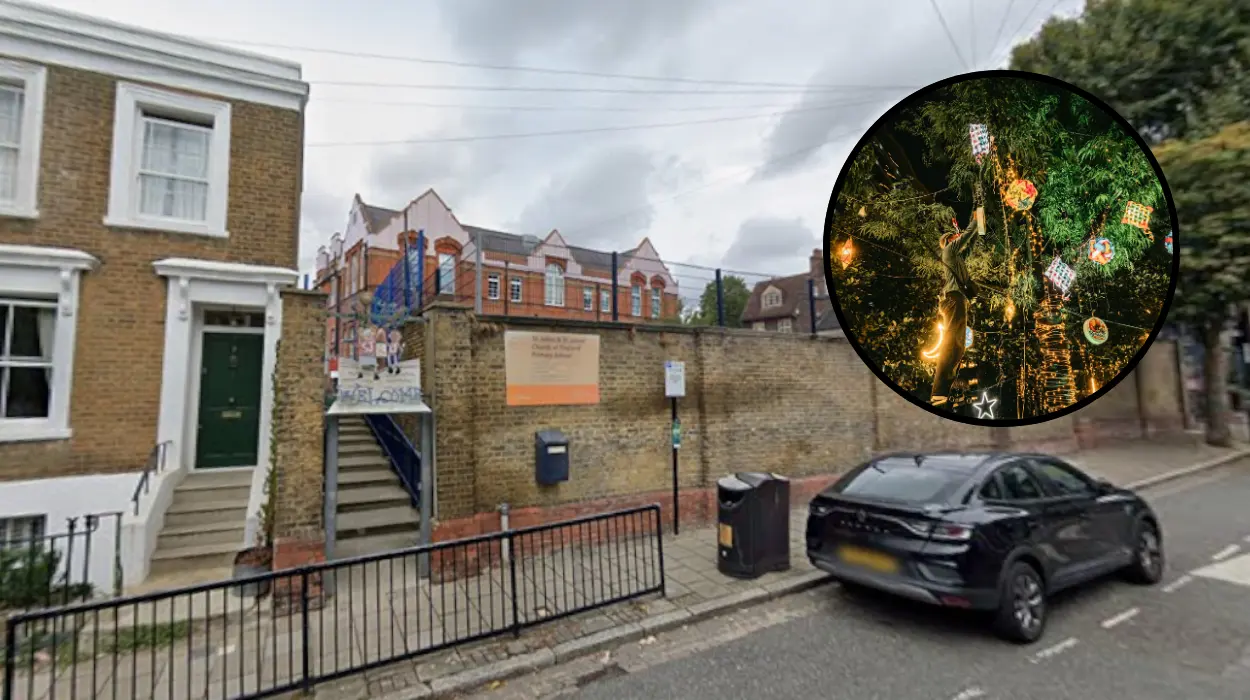
Events span 9-10 May and 16-17 May. Key sites include Hackney Archives for archival insights, Sutton House for Tudor history, Round Chapel in E5 on 9 May, and Chats Palace for community-focused talks. Posters outside Round Chapel advertise the lineup, drawing early attention.
The rotating venues ensure broad accessibility across Hackney.
How Much Do Tickets Cost and Where to Buy Them?
Most tickets cost £3, with some free events. A few have sold out already. Secure yours at https://www.tickettailor.com/events/hackneyhistoryfestival.
Why Does Hackney’s History Matter Today?
Hackney’s narrative of rebellion and diversity resonates amid modern changes. As Chapman noted, preserving these stories prevents their loss. Experts like Reagan, Worpole, and Corish highlight overlooked voices—women, workers, immigrants—enriching collective identity.
The festival proves strong local interest, unmatched in other London boroughs, per Worpole. It blends old and new, mirroring Hackney’s multicultural fabric.
This third edition builds on past successes, offering something for history enthusiasts of all levels. With sold-out sessions, anticipation runs high.