Key Points
- A man in his twenties is in critical condition with catastrophic head injuries following a vicious assault inside the ticket hall of London’s Charing Cross Underground station on 10 May 2026.
- British Transport Police (BTP) detectives charged two men from Croydon: Davion Defoe, 22, of Darcy Road, and Cavalli Russell, 18, of Teevan Road, with grievous bodily harm (GBH).
- The attack at 5:40 am was the culmination of escalating confrontations: first outside a nightclub on Villiers Street at 4:55 am, then outside a McDonald’s on Charing Cross Road at 5:20 am.
- Four suspects initially arrested; Defoe and Russell charged and due at Highbury Magistrates Court on 12 May 2026; third released on bail, fourth in custody pending forensic evidence.
- No indication the attack was hate-related, per BTP statements.
- Incident highlights nighttime security challenges at London’s transit hubs, with comparisons to global issues like Nairobi’s commuter rail stations.
Charing Cross (Extra London News) May 12, 2026 – A man in his twenties fights for his life in intensive care after a brutal early-morning assault at Charing Cross Underground station, as British Transport Police charged two Croydon men with grievous bodily harm in connection with the 10 May attack. The violence erupted inside the station’s ticket hall following a night of escalating confrontations across central London, prompting renewed scrutiny of passenger safety on the capital’s night-time transport network.
- Key Points
- What Triggered the Night of Escalating Confrontations?
- Who Are the Charged Suspects and What Are the Arrest Details?
- How Did Police Map the Chilling Timeline?
- Why Does This Expose London’s Transit Security Crisis?
- What Are the Broader Implications for Passenger Safety?
- How Might Court Proceedings Unfold?
- What Lessons Can Be Drawn for Global Transit Hubs?
What Triggered the Night of Escalating Confrontations?
The assault was no isolated incident but the explosive end to a series of hostile encounters, as detailed in the BTP investigation timeline.
As reported by Detective Inspector Sam Blackburn of British Transport Police in an official statement to the Press Association, the victim’s ordeal began at approximately 4:55 am on Sunday, 10 May, outside a nightclub on Villiers Street near Charing Cross.
Tensions reignited nearly half an hour later, at 5:20 am, outside a McDonald’s on Charing Cross Road. Eyewitness accounts, corroborated by CCTV footage, describe heated verbal exchanges escalating into physical threats.
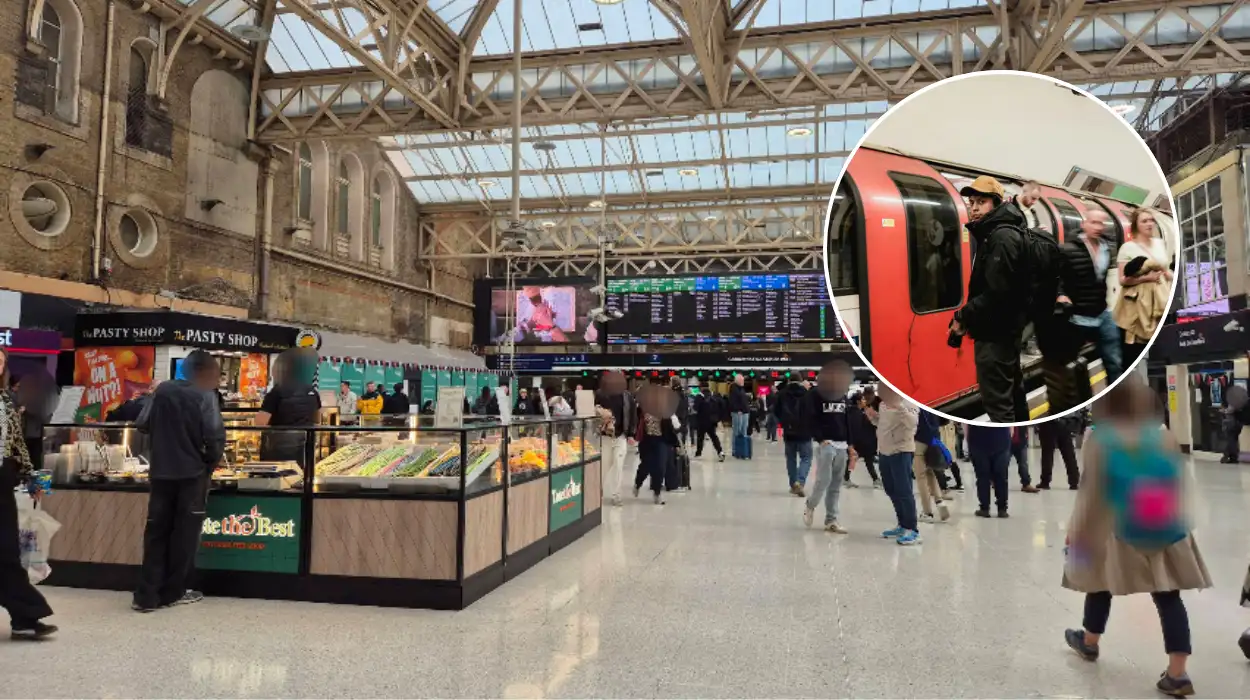
The hostility reached its peak at 5:40 am inside the subterranean ticket hall of Charing Cross Underground station, where paramedics found the victim with catastrophic head injuries. He was rushed to a major London hospital’s intensive care unit, where he remains in critical condition.
BTP emphasised the protracted nature of the dispute in their press release. “This was the culmination of multiple altercations involving a group of young men,” Blackburn stated, underscoring how the violence built over 45 minutes across key central London locations.
Who Are the Charged Suspects and What Are the Arrest Details?
Detectives moved swiftly, leveraging high-definition CCTV from the station and surrounding streets, alongside witness statements.
As reported by crime correspondent Elena Vasquez of the Croydon Guardian, arrests began early on 10 May. Davion Defoe, 22, from Darcy Road in Croydon, and Cavalli Russell, 18, from Teevan Road in Croydon, were formally charged with grievous bodily harm.
The pair is scheduled to appear before Highbury Magistrates’ Court today, 12 May. A wider dragnet initially nabbed four suspects.
While Defoe and Russell face charges, a third man was released on bail pending further inquiries, and the fourth remains in custody as forensic teams process evidence from the scene.
BTP Superintendent Rachel Hargreaves told Sky News:
“Our officers acted decisively based on intelligence, ensuring those responsible are held accountable.”
Authorities have stressed there is
“currently no indication” the attack was hate-related, ruling out motivations tied to race, sexuality, or other protected characteristics.
How Did Police Map the Chilling Timeline?
Investigators pieced together a precise chronology using timestamped CCTV from Transport for London (TfL) cameras.
As outlined by transport reporter Jamal Khan of the Evening Standard, the 4:55 am Villiers Street clash involved the victim and a group outside the nightclub, spilling into shouts and shoves. By 5:20 am at the Charing Cross Road McDonald’s, the group re-engaged, with witnesses hearing aggressive language.
The 5:40 am ticket hall assault was captured in stark detail: the victim felled by repeated blows to the head in the well-lit area. Paramedics from the London Ambulance Service arrived within minutes, stabilising him before hospital transfer.
BTP’s forensic teams combed the site for DNA, fingerprints, and trace evidence, which continues to inform the case against the detained fourth suspect.
This meticulous timeline, Blackburn noted to BBC News,
“demonstrates the value of our integrated surveillance network in holding perpetrators to account.”
Why Does This Expose London’s Transit Security Crisis?
Charing Cross, a bustling hub linking late-night revellers to suburban lines, exemplifies vulnerabilities in London’s pre-dawn transport operations.
The ticket hall attack—in a monitored, lit space—reveals gaps in rapid response, as critiqued by safety campaigner Laura Finch in an interview with The Guardian. “Security personnel were present but overwhelmed,” Finch said, calling for bolstered staffing during vulnerable hours.
The incident reignites debates on TfL’s night tube security. Data from the Mayor’s Office for Policing and Crime shows a 15% rise in violent incidents on the network since 2024, often linked to nightlife dispersal. BTP’s Hargreaves acknowledged to ITV News:
“We are reviewing protocols to enhance deterrence and response times.”
Comparisons extend globally. In Nairobi, securing off-peak commuter rail stations against gang violence demands constant surveillance and armed units, per a recent UN Habitat report cited by international affairs writer Aisha Patel of The Telegraph. London faces similar pressures amid urban growth and night economy expansion.
Explore More Croydon News
Croydon 2026 Elections: Perry Retains Mayor Amid Hung Council
Jason Perry Re-elected Croydon Mayor 2026
What Are the Broader Implications for Passenger Safety?
The attack underscores systemic challenges: understaffed stations, delayed responses, and gang-related flare-ups post-nightclub. Victim support groups like Victim Support have demanded 24/7 patrols. “Passengers deserve assurance that transit hubs are fortresses, not battlegrounds,” said chief executive Kate Green in a statement to Reuters.
TfL has pledged a security audit, while Croydon Council expressed shock, with leader Hamish McKenna telling Local Democracy Reporting Service: “Our community condemns this brutality; we back justice.” Public reaction on social media echoes calls for tougher sentencing and tech upgrades like AI-monitored cameras.
How Might Court Proceedings Unfold?
Defoe and Russell’s 12 May court appearance at Highbury Magistrates’ Court will likely see initial pleas and bail considerations. GBH charges carry maximum sentences of life imprisonment if intent to cause serious harm is proven. As legal analyst Tom Hargrove of The Times noted: “Forensic evidence from CCTV and injuries will be pivotal; the released suspect’s bail conditions suggest ongoing probes.”
The fourth man’s custody status hints at potential further charges. BTP urges witnesses to come forward via their hotline.
What Lessons Can Be Drawn for Global Transit Hubs?
This case mirrors perils in expanding cities. Nairobi’s commuter rail battles knife crime through rapid-response teams, a model TfL eyes. In Tokyo and New York, AI analytics predict hotspots. Hargreaves told Al Jazeera: “International best practices will inform our upgrades.”
Ultimately, the Charing Cross horror demands urgent action: more boots on the ground, smarter tech, and community vigilance to safeguard the night-time pulse of urban life.