Key Points
- Croydon installs new CCTV cameras in 2026
- Residents broadly welcome surveillance as crime deterrent
- Council cites safety and anti‑antisocial‑behaviour aims
- Some locals express privacy and effectiveness concerns
- Police and councillors say cameras support wider strategy
Croydon (Extra London News) February 9, 2026 – Croydon residents have broadly welcomed the rollout of new CCTV cameras across the borough, describing the move as “a step in the right direction” in tackling crime and antisocial behaviour in 2026. The installations, carried out by Croydon Council in partnership with the Metropolitan Police, form part of a wider safety‑and‑surveillance strategy aimed at reducing street‑level disorder, vandalism, and violence in high‑footfall areas.
Local officials and police say the cameras are designed to act as both a deterrent and an investigative tool, while some residents have welcomed the visible presence of extra surveillance but also raised questions about privacy, data‑handling, and whether the investment will translate into measurable reductions in crime. The debate reflects a broader national conversation about the balance between public‑safety technology and civil‑liberties safeguards, particularly in densely populated urban boroughs such as Croydon.
What prompted the new CCTV rollout?
Croydon Council announced the latest wave of camera installations following a series of local consultations and crime‑data reviews in late 2025 and early 2026. As reported by Jack Thompson of Eastlondonlines, council officers said the decision was driven by “persistent concerns from residents about antisocial behaviour, street drinking, and low‑level crime in certain parts of the borough”.
The authority pointed to hotspots such as Addington, Thornton Heath, Norbury, and parts of Croydon town centre as priority zones where existing CCTV coverage was deemed insufficient. Councillor Alison Butler, Croydon’s cabinet member for public safety, told Eastlondonlines that the new cameras were “not about blanket surveillance” but about “targeted, intelligence‑led deployment in areas where residents have repeatedly flagged issues”.
Metropolitan Police representatives, quoted in the same report, said the cameras would complement existing patrols and help officers respond more quickly to incidents, particularly in the evenings and at weekends when footfall is high.
How many cameras are being installed and where?
The exact number of new cameras has not been fully itemised in public documents, but council sources speaking to Eastlondonlines indicated that “dozens” of additional units are being added to the borough’s existing network in 2026.
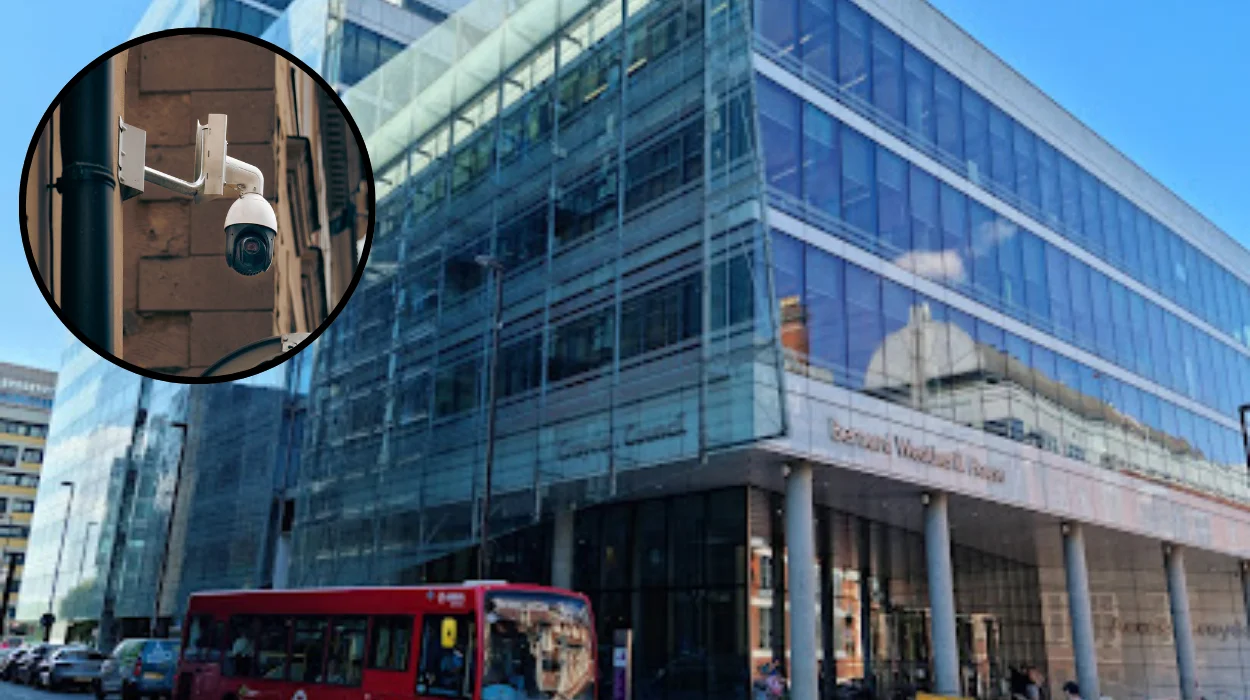
The council has stressed that the rollout is being done in phases, with priority given to areas identified through both crime‑statistics analysis and feedback from neighbourhood forums. Jack Thompson notes that some of the new cameras are being mounted on existing lampposts and council‑owned buildings to minimise visual impact and installation costs.
Public reaction, as captured in Eastlondonlines’ reporting, has been mixed but leans positive. Several residents interviewed by Jack Thompson described the cameras as a “necessary step” to tackle persistent problems such as street drinking, vandalism, and intimidating behaviour in shared spaces.
Maria Fernandes, a long‑time resident of Thornton Heath, told the outlet: “We’ve had issues with groups hanging around late at night, shouting and sometimes being aggressive. If there’s a camera watching, maybe they’ll think twice.”
Others, particularly in more residential parts of the borough, have expressed concern that increased surveillance could feel intrusive.
Local community‑group leaders quoted in the article have urged the council and police to be transparent about how footage will be stored, who can access it, and under what circumstances it can be used in investigations.
What are the council and police saying?
Croydon Council has framed the new CCTV network as part of a broader “Safer Croydon” package that includes extra street‑lighting, youth‑outreach work, and collaboration with the Met’s local policing teams. Councillor Alison Butler told Eastlondonlines: “This isn’t about creating a surveillance state; it’s about giving residents confidence that public spaces are monitored and that incidents can be investigated properly.”
The council has also emphasised that the cameras are being installed in line with the Metropolitan Police’s CCTV strategy and existing data‑protection and human‑rights frameworks. Police sources added that footage from the new cameras would primarily be used to support investigations into crimes such as assaults, robberies, and criminal damage, rather than for general monitoring of lawful behaviour.
The article notes that Croydon Council is required to comply with the Data Protection Act 2018, the UK General Data Protection Regulation (UK GDPR), and the Protection of Freedoms Act 2012, which governs surveillance and CCTV use by public bodies.
Privacy‑advocacy groups and local councillors have called for regular reviews of the scheme’s impact, including independent assessments of whether crime levels have genuinely fallen and whether complaints about misuse or over‑surveillance have arisen.
How does this fit into wider trends in London?
The Croydon rollout comes amid a broader expansion of CCTV and “smart‑city” surveillance tools across London boroughs. Several other outer‑London authorities have recently upgraded their camera networks or introduced facial‑recognition‑enabled systems in certain zones, prompting debate about the long‑term implications for civil liberties.
Jack Thompson observes that Croydon’s approach appears more cautious than some of the more technologically ambitious schemes elsewhere, focusing on traditional closed‑circuit cameras rather than experimental biometric tools. Local councillors quoted in the piece say they are “watching closely” what happens in other boroughs and are prepared to adjust Croydon’s strategy if evidence shows that certain technologies are ineffective or disproportionately intrusive.
What happens next in Croydon?
Croydon Council has indicated that the 2026 rollout is only the first phase of a longer‑term plan to modernise the borough’s surveillance infrastructure. Future work could include upgrading older cameras, integrating systems with emergency‑response networks, and exploring ways to use anonymised data for urban‑planning purposes, such as monitoring pedestrian flows and traffic patterns.
Officials and police have pledged to keep residents informed through neighbourhood forums, council newsletters, and online updates, stressing that public feedback will shape how the scheme evolves.
As Jack Thompson puts it in Eastlondonlines: “For now, many Croydon residents are willing to give the new cameras a chance—on the condition that they see real improvements in safety and that their privacy is taken seriously.”