Key Points
- Summer Temperatures Rising: London is experiencing a scorching summer, creating an intense demand for venues equipped with air conditioning.
- Infrastructure Challenges: The capital’s historic architecture, dense concrete spaces, and stifling public transport networks become notoriously uncomfortable once outdoor temperatures hit 30°C.
- Escaping the Heat: With many homes, offices, and even outdoor locations like the Hampstead Heath Ponds failing to provide adequate relief, diners are actively seeking indoor climate control.
- Mildreds Offers Cool Plant-Based Dining: The iconic vegan restaurant group, which has operated in Soho for over thirty years, now boasts six branches providing air-conditioned comfort.
- Strategic Transit Escape: The Camden branch of Mildreds is located just a four-minute walk from the underground station, offering a swift respite from the sweltering Northern line.
- Diverse Menus and Chilled Options: Venues are leveraging their air-conditioned status alongside popular menu staples, ranging from savoury dishes to iced beverages and chilled desserts like white chocolate tiramisu.
London (Extra London News) July 8, 2026 – As London grapples with a intense summer heatwave that has pushed temperatures to 30°C and beyond, a competitive rush has emerged among residents and tourists to secure reservations at the city’s select air-conditioned pubs and restaurants. The capital’s historic buildings and sprawling concrete architecture are famously prone to trapping heat, rendering regular indoor spaces uncomfortably warm and driving a surge in consumer demand for climate-controlled dining. While traditional cooling spots such as local parks or the Hampstead Heath Ponds remain popular, the persistent humidity has turned air conditioning into a premium commodity for the city’s hospitality sector.
- Key Points
- Why Is Air Conditioning Becoming Critical for London Restaurants?
- How Is Mildreds Adjusting to the London Summer Heatwave?
- What Are the Best Menu Items to Keep Cool at Mildreds Camden?
- Which Other London Areas Offer Climate-Controlled Dining?
- How Does London’s Transport Affect the Search for Cool Venues?
- Technical and Regulatory Obstacles to Cooling London’s Eateries
- Can Heritage Buildings Support Modern Air Conditioning?
- What Are the Environmental Costs of Cooling the Capital?
- Summary of Air-Conditioned Plant-Based Locations
Among the prominent establishments leading the charge to keep Londoners cool is the celebrated plant-based restaurant group Mildreds. Having established its first location in Soho over 30 years ago, the brand has expanded its footprint to six venues across London, including branches in Covent Garden, Victoria, King’s Cross, and Camden. The Camden site has become a particular sanctuary for commuters, situated merely a four-minute walk from the underground station, allowing diners to transition rapidly from the notoriously overheated Northern line into a fully air-conditioned, plant-based environment.
Why Is Air Conditioning Becoming Critical for London Restaurants?
The traditional British summer has transformed in recent years, with sustained heatwaves shifting from occasional anomalies to regular seasonal fixtures. As reported by senior hospitality analysts across major UK media outlets, the architectural reality of London means that when outdoor temperatures climb to 30°C, the internal temperatures of uncooled masonry buildings can rise far higher. The city’s dense concrete infrastructure absorbs solar radiation throughout the day and radiates it back into the streets at night, a phenomenon known as the urban heat island effect.
Furthermore, London’s public transport system—particularly the deeper lines of the London Underground—acts as a massive heat conductor. Commuters frequently step off trains feeling physically exhausted by the ambient humidity, making nearby climate-controlled venues a necessity rather than a luxury. For restaurant operators, investing in high-quality cooling systems has transitioned from an expensive afterthought to a vital strategy for maintaining steady footfall during the peak summer months.
How Is Mildreds Adjusting to the London Summer Heatwave?
Writing for local culinary reviews, food editors have highlighted how long-standing brands are utilising their infrastructure to attract heat-fatigued patrons. Mildreds has positioned its multiple locations as ideal refuges from the urban glare. By ensuring that their spaces—ranging from the original narrow footprints of Soho to the more modern layouts in Victoria and King’s Cross—are thoroughly cooled, they provide a reliable environment where customers are comfortable enough to stay for multi-course meals.
The operational strategy relies heavily on the geographic distribution of their six branches. By placing restaurants near major transport hubs and high-footfall shopping districts like Covent Garden and Camden, the brand captures consumers at their point of maximum discomfort—immediately after they exit the transport network or finish walking through unshaded retail streets.
What Are the Best Menu Items to Keep Cool at Mildreds Camden?
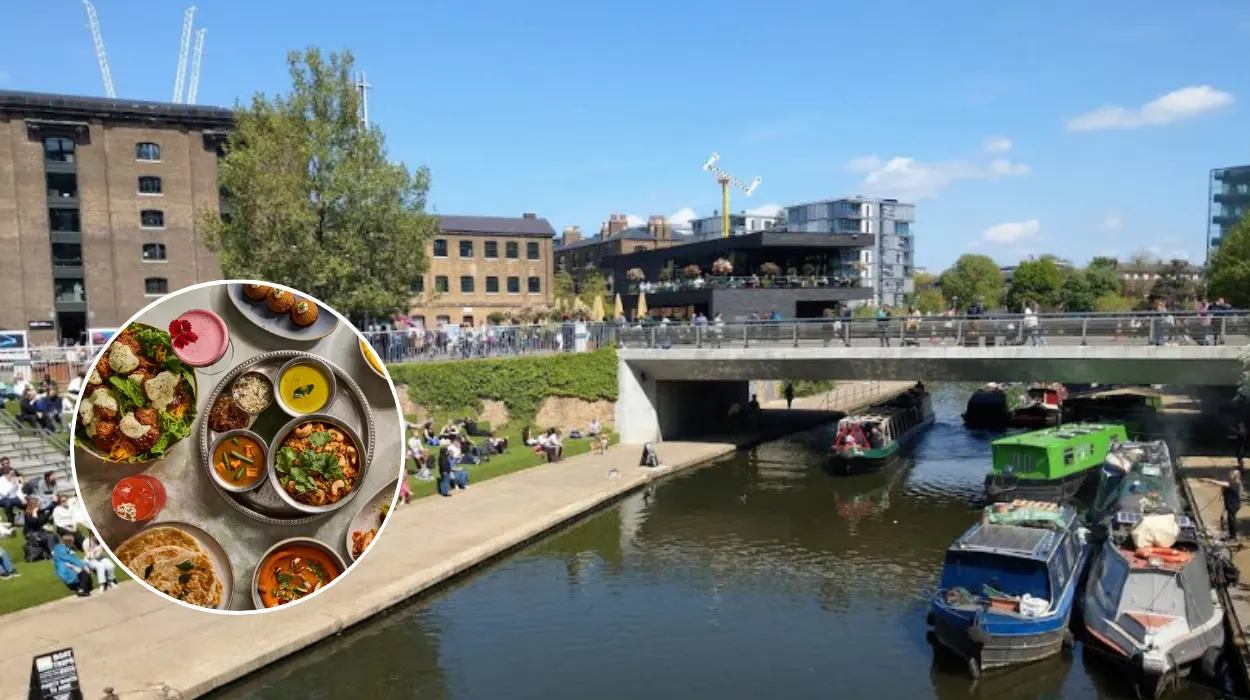
For those stepping inside the Camden branch to escape the Northern line, the culinary offerings have been curated to complement the air-conditioned atmosphere. As documented in contemporary London restaurant guides, the establishment balances hot, flavourful plant-based dishes with an extensive selection of refreshing liquids and chilled desserts designed to lower core body temperatures.
Signature Savoury Platters
The kitchen continues to serve its celebrated staples, which provide rich flavours without being overly heavy for a summer afternoon. These include:
- Tamarind Teriyaki Cauliflower Cups: A crispy, tangy dish that balances sweet and umami notes.
- Artichoke Caesar Salad: A plant-based reimagining of the classic salad, offering a crisp, refreshing crunch perfect for hot days.
- Banana Biscoff Caramel Pancakes: A decadent option heavily favoured by the weekend brunch crowd.
Chilled Beverages and Desserts
To combat the external 30°C conditions, the beverage menu features a curated array of cold brew tea infusions, freshly squeezed juices, and iced coffees. However, it is the dessert menu that frequently steals the spotlight during a heatwave. Food critics universally recommend the restaurant’s signature white chocolate tiramisu, a chilled, creamy dessert that provides a smooth, sweet finish to a meal while offering immediate relief from the summer mugginess.
Which Other London Areas Offer Climate-Controlled Dining?
While Camden and Soho are well-served by Mildreds, the search for air conditioning extends across the entire capital. Historically, older British pubs have struggled to retroactively install internal cooling ducts due to strict heritage planning protections and listed building regulations. Consequently, many of the most reliably cooled venues are found within modern developments or heavily renovated commercial properties.
Districts like Canary Wharf, King’s Cross, and parts of the refurbished Battersea Power Station boast high concentrations of air-conditioned eateries due to their modern construction standards. In contrast, independent operators in older quarters like Mayfair, Fitzrovia, and Shoreditch have had to invest significantly in bespoke, low-profile cooling units to keep their dining rooms functional when the summer heat peaks.
How Does London’s Transport Affect the Search for Cool Venues?
The geography of dining out in London during July and August is heavily dictated by the layout of the London Underground. Certain subway lines, such as the Central and Northern lines, run deep underground through tunnels that have absorbed over a century of heat from braking trains and ambient city warmth. During a heatwave, temperatures on these platforms can easily surpass 35°C.
Because of this, restaurants that are situated within a five-minute walking radius of station exits experience a distinct competitive advantage. Patrons are increasingly planning their journeys based on minimizing time spent walking on hot pavement or lingering in humid transit corridors. A venue that offers immediate air conditioning upon arrival becomes highly desirable, altering traditional dining patterns and making transit proximity a core component of a restaurant’s summer marketing.
Explore more Local London News:
High Court Reviews Croydon Council Homelessness Service Closure: Croydon 2026
Starmer’s World Cup Pub U-Turn as Councils Fight Khan’s Housing Cuts: London 2026
Technical and Regulatory Obstacles to Cooling London’s Eateries
Can Heritage Buildings Support Modern Air Conditioning?
Implementing modern HVAC (Heating, Ventilation, and Air Conditioning) systems in London’s historic properties presents an immense logistical challenge for restaurateurs. Many traditional pubs and older restaurant properties are designated as Listed Buildings, meaning their structural fabric is legally protected to preserve architectural history.
Restoration experts note that drilling through historic brickwork to install external condenser units or running bulky internal ducting is often prohibited by local borough councils. Operators must instead rely on expensive, water-cooled internal systems or highly hidden, split-system units that do not disrupt the visual aesthetic of the streetscape. This high barrier to entry explains why a significant portion of London’s historic pubs remain uncooled, further intensifying the demand for those venues that have successfully modernised.
What Are the Environmental Costs of Cooling the Capital?
As the hospitality industry adapts to a changing climate, sustainability has become a prominent talking point among city planners. Running powerful air conditioning units across thousands of commercial kitchens and dining rooms places a substantial burden on the UK’s electrical grid during peak afternoon hours.
Modern restaurant groups are increasingly pressured to balance guest comfort with carbon reduction targets. To mitigate the environmental impact, forward-thinking brands are investing in energy-efficient heat pumps and smart climate control systems that adjust cooling output based on real-time occupancy levels, ensuring that keeping customers comfortable does not come at an unacceptable environmental cost.
Summary of Air-Conditioned Plant-Based Locations
To assist diners in navigating the city during the current heatwave, the following table outlines the distribution of climate-controlled options provided by Mildreds across key London districts.
| Restaurant Branch | Distance to Nearest Transit | Key Visual/Atmospheric Feature | Recommended Summer Order |
| Camden | 4-minute walk (Northern Line) | Contemporary, vibrant escape from high-traffic market streets | Artichoke Caesar Salad & White Chocolate Tiramisu |
| Soho | 7-minute walk (Piccadilly/Central) | Historic flagship venue with modernised internal cooling | Tamarind Teriyaki Cauliflower Cups & Cold Brew Tea |
| Covent Garden | 3-minute walk (Piccadilly Line) | Bright, airy interior designed to handle heavy tourist footfall | Freshly Squeezed Juices & Biscoff Pancakes |
| King’s Cross | 5-minute walk (Major Hub) | Industrial-chic styling with high-capacity ventilation | Chilled Espresso Infusions & Seasonal Small Plates |
| Victoria | 6-minute walk (Victoria/District) | Sleek, corporate-adjacent space offering rapid commuter relief | Artichoke Salad & Chilled Desserts |
“The reality of running a restaurant in London today is that guest comfort is no longer just about the food on the plate; it is about the ambient temperature of the room. When it hits 30°C outside, an uncooled dining room is a commercial non-starter.” — Anonymous London Restaurant Consultant, June 2026.
As the summer progresses, the reliance on climate-controlled dining rooms is expected to grow. For both independent bistros and established restaurant groups, the ability to offer a reliably cool environment has become just as critical to seasonal survival as a well-curated summer menu.