Key Points
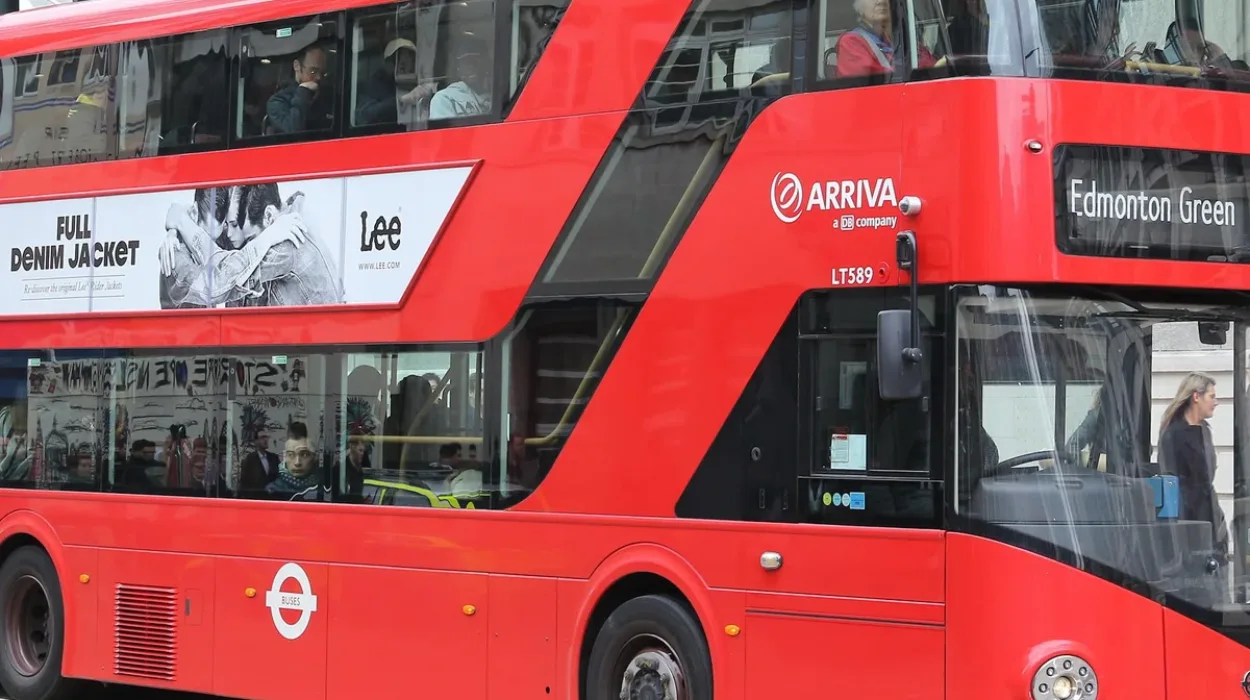
- More than 1,500 bus drivers across North London and Essex will resume industrial action after rejecting an offer from Arriva North London.
- Unite members paused a previous strike last week during negotiations but voted down the new offer as insufficient.
- The dispute focuses on working conditions in hot weather, with drivers saying Arriva’s cooling systems reduce temperatures by only two or three degrees and cab temperatures can reach 40°C.
- The union says extreme temperatures in bus cabs could lead to heat exhaustion, dehydration and crashes, putting drivers and the public at risk.
- Strikes will resume for four days from Tuesday, 25 August, with further intermittent action planned until the end of October.
- Bus garages in Barking, Edmonton, Enfield, Grays, Palmers Green, Stamford Hill, Tottenham and Wood Green will be affected, disrupting numerous key routes.
- The strikes will coincide with planned closures on the Piccadilly Line, adding to travel disruption across London.
London (Extra London News) August 24, 2026 – More than 1,500 bus drivers across North London and Essex are preparing to walk off the job once more, plunging regional transit networks into fresh turmoil after members decisively rejected a revised pay and conditions offer from their employer. Industrial action led by the Unite union is scheduled to restart on Tuesday, 25th August, following the collapse of temporary truce talks brokered last week. Transport users face widespread disruptions extending intermittently through October, compounded heavily by simultaneous engineering closures hitting the London Underground.
Why are North London bus drivers striking again?
The industrial action is anchored entirely in unresolved grievances regarding hazardous working conditions inside vehicle cabs during intense summer heatwaves. As detailed in reporting by the Barnet Post, Unite members employed by Arriva North London rejected the latest company ballot because they believe management has fundamentally failed to address sweltering cockpit temperatures.
While discussions initially offered a glimmer of hope last week when a planned strike was temporarily paused for negotiations, the subsequent worker ballot revealed deep dissatisfaction. Workers concluded that the employer’s concessions failed to go far enough in tackling the systemic problems associated with hot-weather working environments.
Explore more London Local News:
Hackney Green Mayor Zoë Garbett Reflects on 100 Days in Office, Hackney 2026
El Niño Weather Impact and Heatwave Forecast in London 2026
What are the specific complaints about cab temperatures?
According to union reports highlighted by the Enfield Dispatch, the vast majority of buses managed by Arriva North London rely on basic air cooling systems rather than fully functioning air conditioning units. Unite stated that these cooling mechanisms have proved woefully inadequate, clipping ambient temperatures down by a mere two or three degrees during peak summer heatwaves.
On the hottest days of the season, driver cabs have soared to staggering highs of 40 degrees Celsius. The trade union stresses that subjecting staff to such extreme thermal stress presents a severe, unmitigated danger not only to the drivers themselves but also to the wider general public sharing the roads. Prolonged exposure risks inducing dehydration, severe heat exhaustion, and heat stroke, which dramatically elevate the risk of operational crashes.
What is the official stance of Unite and Arriva?
The dispute has exposed a sharp financial divide, with the union pointing directly to Arriva’s recent corporate accounts. As reported by the Barnet Post, Unite pointed out that Arriva recently declared a substantial pre-tax profit of €156 million alongside an operating profit of €127 million.
Unite general secretary Sharon Graham issued a fierce condemnation of the employer’s handling of the situation. As reported by the Barnet Post, Sharon Graham stated that:
“London bus drivers do a vital job, but are putting themselves at risk due to these appalling conditions. Arriva can fully afford to make meaningful changes our members can accept. Until that happens, strike action will continue and our members at Arriva North London will continue to have the full backing of Unite.”
Echoing this hardline stance, Unite regional officer Steven Stockwell emphasized that the door for diplomacy remains open, provided management is willing to compromise. As reported by the Barnet Post, Steven Stockwell stated that:
“There is still time for Arriva to stop this disruptive action, but it relies on it coming back to the table with a deal our members believe will solve the serious problems with conditions once and for all.”
Meanwhile, Transport for London (TfL), which acts as the commissioning body for bus services operated by Arriva, has sought to reassure commuters. TfL public relations representatives stated that the regulatory authority is actively working on a “range of measures” aimed at elevating driver working conditions and optimizing overall vehicle safety.
Which routes, garages, and dates are affected by the walkouts?
The rolling schedule of strikes is set to cause widespread logistical headaches across the capital. Industrial action will run from 25th to 28th August, followed by subsequent stoppages on 4th–5th September, 7th–8th September, 18th–19th September, 21st–22nd September, 2nd–3rd October, 5th–6th October, 16th–17th October, and finally 19th–20th October.
Drivers participating in the industrial dispute are stationed across eight primary bus garages located in Barking, Edmonton, Enfield, Grays, Palmers Green, Stamford Hill, Tottenham, and Wood Green.
Commuters relying on a massive sweep of urban and suburban corridors will face severe disruptions. The comprehensive list of affected daytime and night services includes numbers: 19, 29, 34, 41, 66, 67, 76, 102, 121, 141, 149, 150, 158, 175, 191, 192, 217, 221, 243, 248, 254, 259, 279, 307, 313, 329, 341, 349, 370, 375, 377, 616, 675, SL1, SL2, W3, W4, W6, alongside night routes N19, N29, N41, and N279.
How will this compound London’s wider transport chaos?
Adding salt to the wounds of stranded commuters, the timing of the bus cancellations heavily overlaps with major rail disruptions. The initial four-day bus walkout coincides directly with scheduled engineering closures on the London Underground’s Piccadilly Line running from Tuesday, 25th August, through Thursday, 27th August, with additional closures locked in for September.
With simultaneous bottlenecks crippling alternative modes of rail transit, thousands of North London and Essex residents face a gruelling week of alternative travel planning, local congestion, and delayed commutes as the stand-off between Arriva and its workforce intensifies.