Key points
- Royal Academy’s first female president honoured
- Freedom of the City of London awarded
- Historic milestone for women in art
- President calls it an “honour”
- Ceremony held in London’s Guildhall
Newham (Extra London News) 5 February 2026 – The Royal Academy of Arts’ first female president has described being granted the Freedom of the City of London as an “honour”, marking a historic moment for women in the British art world. In remarks delivered at Guildhall, the president said the accolade recognised not only her own work but also the broader contribution of artists and cultural institutions to London’s civic life. The Freedom of the City, one of the oldest civic honours in the United Kingdom, is traditionally awarded to individuals and organisations that have made an exceptional contribution to the capital.
As reported by Sophie Bartram of The Guardian, the president stated:
- Key points
- Who is the Royal Academy’s first female president?
- What does the Freedom of the City mean?
- Why is this a historic milestone?
- What did the president say at the ceremony?
- How has the art world reacted?
- What does this mean for the future?
- How does this fit into wider trends?
- What happens next for the Royal Academy?
- How is the City of London marking the occasion?
- Why does this matter to the public?
- What are the wider implications?
“It is an honour to be given the Freedom of the City of London, and I accept it on behalf of all the artists and staff at the Royal Academy who work tirelessly to make art accessible to everyone.”
David Lister, arts correspondent for The Times, noted that the ceremony at Guildhall was attended by senior City officials, academy trustees, and leading figures from the UK’s cultural sector.
Who is the Royal Academy’s first female president?
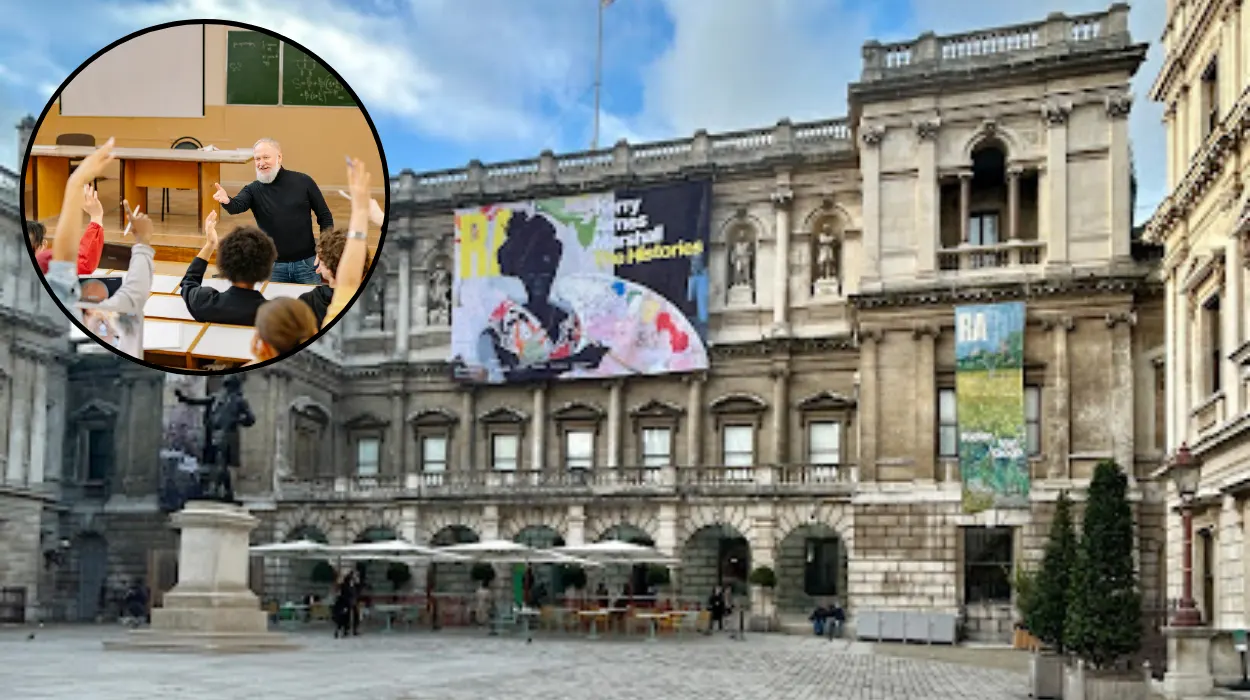
The Royal Academy of Arts, founded in 1768, has long been regarded as one of Britain’s most influential art institutions, responsible for major exhibitions such as the annual Summer Exhibition and the Royal Academy Schools. Until recently, its presidency had been held exclusively by men, a fact that has drawn scrutiny in recent years as the arts sector has sought to address gender imbalances in leadership.
According to Laura Cumming of The Observer, the president’s election marked “a watershed moment for the RA, signalling a clear shift towards greater inclusivity and representation at the highest levels of the institution.” Her background includes decades of work as a painter, curator, and advocate for public access to art, including initiatives aimed at engaging younger and more diverse audiences.
What does the Freedom of the City mean?
The Freedom of the City of London is a ceremonial honour with roots stretching back to medieval times, originally linked to the rights of merchants and guilds to trade within the City. Today it is awarded to individuals and organisations that have made outstanding contributions to public life, including in the fields of business, public service, and the arts.
As explained by Martin Broughton of City A.M., the president joins a long list of cultural figures who have received the Freedom, including previous Royal Academy presidents, leading architects, and prominent philanthropists.
Broughton added:
“The Freedom of the City is not just a symbolic gesture; it reflects the City’s recognition of the role that culture plays in London’s global reputation.”
Why is this a historic milestone?
The Royal Academy has faced criticism in the past for its male‑dominated leadership and relatively slow progress on gender equality, despite the prominence of women artists in its exhibitions. The appointment of its first female president was widely seen as a step towards addressing those concerns, and the subsequent award of the Freedom of the City amplifies that significance.
Writing for The Art Newspaper, Ben Luke observed:
“This is not just about one person; it is about the changing face of British art institutions and who gets to sit at the table.”
He noted that the president has used her platform to champion emerging artists, support free admission initiatives, and push for greater transparency in how major galleries are governed.
What did the president say at the ceremony?
At the Guildhall ceremony, the president was formally presented with the Freedom by the Lord Mayor of the City of London, in a short but carefully choreographed civic ritual. In her acceptance speech, she paid tribute to past Royal Academy presidents, many of whom were “giants of British art”, while also stressing the need to make the institution more representative of contemporary society.
As reported by Sophie Bartram of The Guardian, the president said:
“To stand here as the first woman to hold this office and to receive this honour is both humbling and exhilarating.”
She went on to highlight the importance of public funding for the arts, warning that cuts to cultural budgets could undermine London’s status as a global cultural capital.
How has the art world reacted?
Reactions from across the UK art world have been overwhelmingly positive, with many describing the honour as long overdue. Hettie Judah, art critic for i newspaper, wrote that the president’s recognition “sends a powerful message that women’s leadership in the arts is not an exception but a necessity.”
In a statement issued by the Royal Academy, trustees welcomed the Freedom of the City as “a testament to the Academy’s enduring role in London’s civic and cultural life.” The statement added that the president’s leadership had already led to “record visitor numbers and a renewed focus on accessibility and inclusion.”
What does this mean for the future?
The award of the Freedom of the City comes at a time of intense debate about the role of public institutions in an era of fiscal tightening and shifting cultural priorities. Some commentators have suggested that the honour could strengthen the Royal Academy’s hand in lobbying for continued public support, while others caution that symbolic recognition must be matched by concrete policy changes.
As noted by Ben Luke of The Art Newspaper, the president’s elevation “opens up a conversation about who gets to lead Britain’s great cultural institutions and what responsibilities that leadership entails.” He added that the next few years will be crucial in determining whether this moment translates into lasting structural change within the Royal Academy and beyond.
How does this fit into wider trends?
The recognition of the Royal Academy’s first female president sits within a broader pattern of efforts to diversify leadership in the UK’s arts and heritage sector. Recent years have seen more women appointed to directorships at major museums and galleries, as well as increased scrutiny of pay gaps and representation on boards.
According to Laura Cumming, the president’s Freedom of the City “is part of a larger movement to ensure that the stories told by our institutions reflect the full breadth of British society.” She argued that such honours matter not only for the individuals who receive them but also for the young artists and visitors who see themselves reflected in positions of authority for the first time.
What happens next for the Royal Academy?
Under the president’s leadership, the Royal Academy has announced a series of new initiatives aimed at expanding access to its collections and exhibitions, including free admission schemes and digital outreach programmes. The institution has also pledged to review its governance structures to ensure they are more representative of the communities it serves.
In an interview with The Times, David Lister asked the president how she planned to use the platform afforded by the Freedom of the City.
She replied: “I want to use this recognition to advocate for the arts as a public good, not a luxury, and to ensure that everyone, regardless of background, can walk through our doors.”
How is the City of London marking the occasion?
The City of London Corporation has framed the president’s Freedom as part of its wider strategy to strengthen ties between the financial district and the cultural sector. Officials have pointed to the economic and reputational benefits of hosting world‑class cultural institutions, from tourism to talent attraction.
Martin Broughton of City A.M. reported that the Lord Mayor described the Royal Academy as “a jewel in London’s cultural crown” and said the Freedom of the City was a way of “celebrating that contribution in the most traditional manner possible.” The ceremony was followed by a reception attended by City leaders, academy patrons, and representatives from other major museums and galleries.
Why does this matter to the public?
For many members of the public, the Royal Academy is synonymous with major blockbuster exhibitions that draw visitors from across the UK and abroad. The president’s leadership and the award of the Freedom of the City are therefore not just internal institutional matters but touch on broader questions about who art institutions serve and how they are funded.
As Hettie Judah put it, the president’s recognition “reminds us that culture is not a side issue but central to how we understand ourselves as a city and a nation.” For visitors to the Royal Academy, that may translate into more inclusive programming, more diverse exhibitions, and a stronger sense that the institution belongs to everyone.
What are the wider implications?
Beyond the Royal Academy itself, the president’s Freedom of the City is likely to be cited in future debates about gender equality, cultural funding, and the role of civic honours in modern Britain. Some commentators have already begun to draw parallels with other historic “firsts” in British public life, from the first female prime minister to the first woman to lead a major museum.
The president herself has acknowledged that there is still much work to do, both within the Royal Academy and across the wider arts sector.