Key Points
- Record-Breaking Temperatures: London and surrounding areas sweltered under severe heatwave conditions, pushing temperatures past 35°C (95°F) and setting unprecedented meteorological milestones.
- Met Office Milestones: The UK Met Office confirmed that the country recorded an unprecedented run of hot days, marking the first time in weather records that temperatures reached or exceeded 35°C in May, June, and July of the same calendar year.
- Health and Travel Warnings: Amber and yellow heat-health alerts were issued by the UK Health Security Agency (UKHSA) across large parts of England, while public transport infrastructure—particularly deep-level underground networks—faced extreme heat retention.
- Infrastructure and Environmental Strain: Commuters reported localized ambient temperatures reaching near 38°C on deep tube lines, and authorities warned of an escalating wildfire risk across dry countryside spaces.
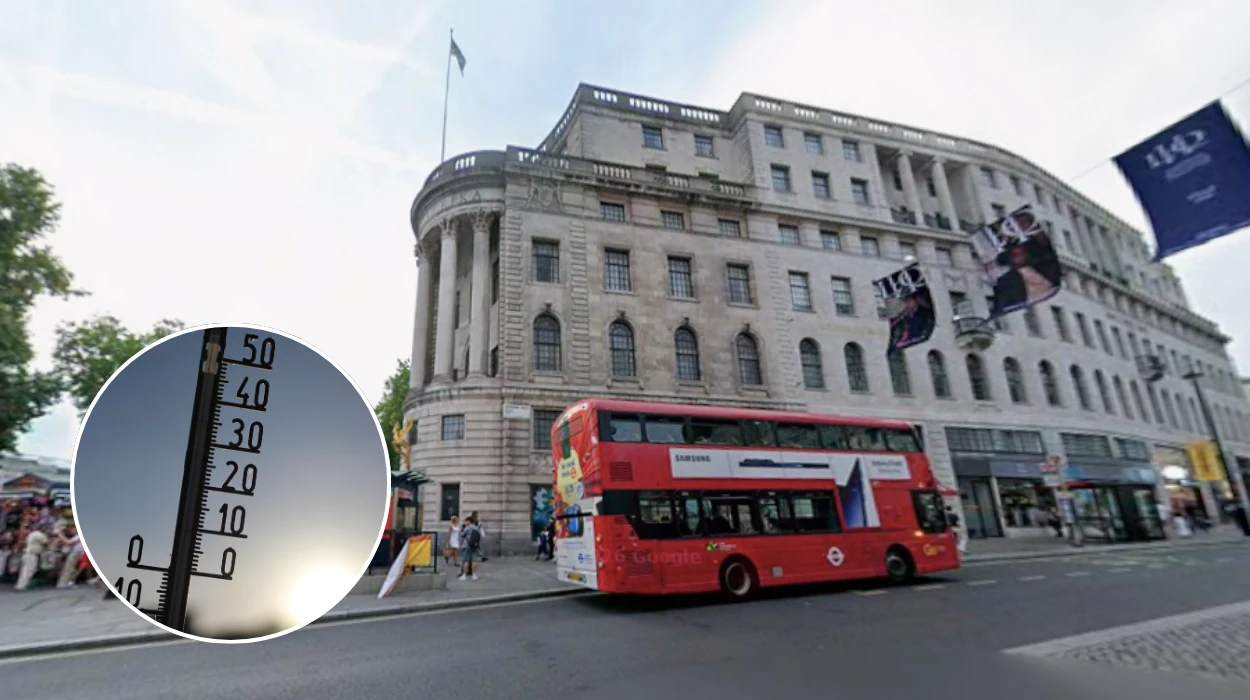
London (Extra London News) July 29, 2026 — Commuting networks and residential sectors across the British capital faced severe operational strain as London sweltered under a punishing heatwave, with local temperatures surging past 35°C (95°F). The prolonged extreme weather event shattered national climate tracking parameters, leaving public transit systems grappling with extreme heat retention and prompting widespread health advisories across England.
Why is this London heatwave historically significant?
As reported by the UK Met Office, the ongoing weather pattern has broken several long-standing meteorological records. Met Office Science Manager Dr Amy Doherty stated that
“this year has already seen a number of remarkable temperature milestones”.
Dr Doherty further noted that
“not only have we now recorded a record eight days with temperatures exceeding 34°C, surpassing the previous record held by 1976 and 2020, but it is also the first year in the UK weather record to see temperatures reach 35°C or higher in May, June and July”.
These records underline how notable the period has been for exceptional warmth across multiple consecutive months.
What health warnings have been issued for London and the UK?
In response to the blistering conditions, the UK Health Security Agency (UKHSA) maintained amber and yellow heat-health alerts across large parts of England. Public health officials stressed the importance of taking sensible precautions during the peak afternoon hours.
As highlighted by the Met Office, people were strongly advised to stay hydrated, avoid prolonged exposure to direct sunlight during the hottest periods of the day, and check in on vulnerable friends, family members, and neighbors who may be at elevated risk from heat stress.
High to very high ultraviolet (UV) levels were also recorded across many parts of the region, alongside elevated pollen counts.
Explore More Local London News
Kingsland High Street Crash: Hackney Traffic Disrupted, 2026
Police Launch CCTV Appeal After Islington Sexual Assault 2026
How is public transport coping with the extreme heat?
Public transit infrastructure, particularly the deep-level London Underground network, experienced critical heat retention issues. Commuters traveling on lines such as the Bakerloo line reported localized ambient conditions peaking near 38°C, transforming daily journeys into endurance tests.
Transport authorities faced intensified calls from urban planners and passenger groups to fast-track climate adaptation strategies for historic, non-air-conditioned transit networks that struggle to dissipate trapped subterranean heat during prolonged warm spells.
What are forecasters predicting for the rest of the country?
While London and the South East experienced the sharpest edges of the daytime heat, the weather system began shifting its focus westward. Met Office Deputy Chief Forecaster David Hayter explained that
“areas of central and southern England and Wales are expected to see several more consecutive days of temperatures above 30°C”.
Mr Hayter added:
“While temperatures are expected to reach into the low to mid-30°Cs through the weekend, the focus of the heat will gradually shift towards western parts of the UK. This will also bring some slightly cooler and cloudier conditions to eastern coastal areas than of recent days. It will also turn windier across southern areas, bringing breezier conditions, especially along coasts and headlands”.
Meanwhile, northern Scotland experienced relief via a cold front bringing rain, cloud, and heavy downpours, though conditions across the broader region remained warm and settled.
Is there an increased risk of wildfires?
The prolonged dry weather and rising temperatures, compounded by freshening winds, triggered heightened environmental concerns.
A spokesperson for the National Fire Chiefs Council (NFCC) warned about the severe danger facing rural and urban green spaces: “When the weather stays hot and dry, it only takes one spark to start a wildfire.
What can begin as a small fire can spread incredibly quickly, putting people, homes, wildlife and our countryside at risk”. The NFCC urged the public to exercise extreme caution outdoors by avoiding disposable barbecues in countryside parks and moorlands and ensuring that cigarettes are fully extinguished.