Key Points
- As reported by GOV.UK and the Department for Transport on 24 November 2026, the UK government is launching a London-based police trial worth nearly £2 million to equip officers with technology that detects drones’ digital “number plates” with greater range and accuracy.
- Existing digital identifiers show a drone and its location generally only within a confined vicinity, whereas the trial equipment is designed to expand detection reach and accuracy across the capital so police can respond more effectively to dangerous or disruptive flights.
- The announcement follows heightened concern over unlawful drone flights around major public events and sensitive sites—including disruption at an Arsenal fixture last month and more than 10 drone seizures around Oasis concerts last year—and could also support enforcement near airports and other sensitive locations.
- Funding includes £1.2 million from the Department for Transport and £500,000 from the Regulatory Innovation Office to support police equipment, infrastructure, and efforts to remove barriers to scaling up safe drone operations.
- Transport Secretary Heidi Alexander stated that the investment aims to bolster security while backing a UK drone sector projected to contribute up to £103 billion to the economy over the next 25 years.
- Healthcare logistics firm Apian—represented by Chief Operating Officer Louisa Smith—is set to use the trial to expand NHS drone services across London, while the National Police Chiefs’ Council will determine deployment locations during the trial.
London (Extra Landon News) November 24, 2026 – The UK government has announced a nearly £2 million police trial in London to detect drones’ digital “number plates” at greater range and accuracy, aiming to counter unlawful flights around major events and sensitive sites while supporting safe commercial drone expansion. Backed by £1.2 million from the Department for Transport and £500,000 from the Regulatory Innovation Office, the initiative follows incidents including disruption at an Arsenal match last month and more than 10 drone seizures around Oasis concerts last year. Transport Secretary Heidi Alexander said the funding strengthens security alongside an industry forecast to add up to £103 billion to the UK economy over 25 years. Autonomous logistics operator Apian plans to use the trial to expand NHS deliveries across London, while the National Police Chiefs’ Council will decide where equipment is deployed.
- Key Points
- How Does the London Trial Expand Police Detection of Drone Digital “Number Plates”?
- How Do Security Measures and Commercial Drone Operations Advance Together Under the Trial?
- Background of the Development
- Prediction: How This Development Could Affect London Residents, Police, and Drone Operators
How Does the London Trial Expand Police Detection of Drone Digital “Number Plates”?
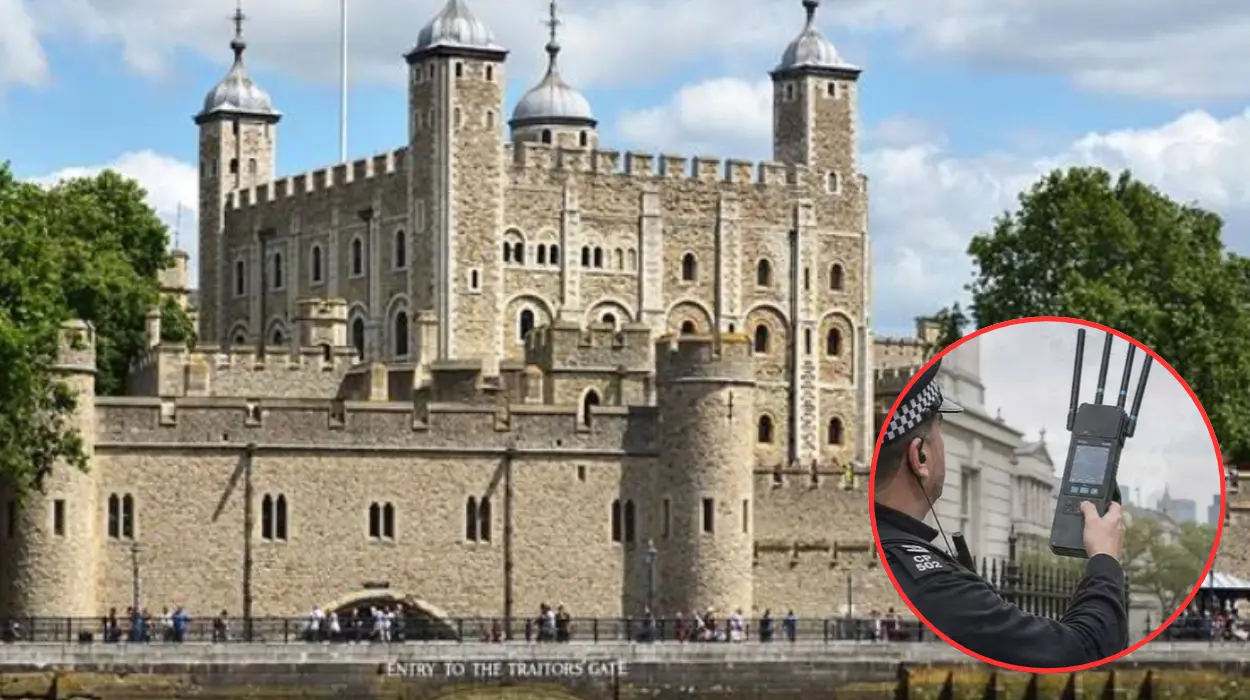
The London trial equips police with technology that extends the range and accuracy of reading drones’ digital “number plates,” overcoming the confined vicinity limits of existing identification signals.
As reported by GOV.UK and the Department for Transport (DfT) on 24 November 2026, police in London are receiving technology designed to identify and track drones more effectively as part of a nearly £2 million government-backed trial. As reported by Amy Ingham of Business Matters (BM Magazine) and GOV.UK, existing digital number plates provide information identifying a drone and its location, but can generally only be picked up within a confined vicinity.
According to GOV.UK and Unmanned Airspace, the new equipment to be trialled in London will increase both the accuracy and the reach of that detection capability, enabling officers to build a stronger picture of drone activity across the capital and respond more effectively to dangerous or disruptive flights.
The announcement comes amid growing concern over drones flown illegally around major public gatherings and sensitive locations. As reported by GOV.UK, the trial follows recent incidents including disruption at an Arsenal fixture last month and more than 10 drone seizures around Oasis concerts last year, and could also support future enforcement around airports and other sensitive sites.
How Do Security Measures and Commercial Drone Operations Advance Together Under the Trial?
With £1.2 million from the Department for Transport and £500,000 from the Regulatory Innovation Office, the trial supports both enforcement and safe integration of medical, retail, and infrastructure drones.
As reported by GOV.UK, the Department for Transport is backing the trial with £1.2 million, while the Regulatory Innovation Office is contributing a further £500,000 for police equipment and infrastructure and to build on work removing barriers to scaling up drone operations.
Transport Secretary Heidi Alexander stated that the investment is intended to strengthen security while supporting an industry that could generate up to £103 billion for the UK economy over the next 25 years.
Beyond enforcement, GOV.UK and Unmanned Airspace report that the programme is designed to help drones operate more safely alongside other aircraft, supporting applications including urgent medical deliveries and retail services such as shopping deliveries. As reported by GOV.UK, Chief Operating Officer at Apian Louisa Smith stated: “Our NHS drone services are already helping clinicians provide vital care through faster deliveries and quicker test results. These services depend on close collaboration with aviation partners, regulators and security services.”
As reported by GOV.UK and Unmanned Airspace, Apian will use the trial to expand NHS operations across London, while the National Police Chiefs’ Council (NPCC) will decide where the trial equipment is deployed during the programme. The government also noted that drones are already used to inspect railway infrastructure and respond to passenger incidents, underlining their role across transport and public services.
Background of the Development
Across the UK, civilian and commercial drone activity has expanded rapidly alongside regulatory and security initiatives aimed at managing shared airspace safely. In the UK, drones in new UK1 to UK3 classes have been required to broadcast a Remote ID when flying since 1 January 2026, while authorities have faced ongoing challenges from unauthorised flights near stadiums, major events, and aviation infrastructure.
At the same time, healthcare and logistics operators—including Apian’s clinical delivery work across London hospitals—and regulators such as the Civil Aviation Authority (CAA) and the Regulatory Innovation Office have been testing and scaling uncrewed operations while working to ensure airspace safety, electronic identification, and public confidence.
Prediction: How This Development Could Affect London Residents, Police, and Drone Operators
For residents and eventgoers in London, law enforcement units, and commercial or healthcare drone operators, the trial tests how stronger detection and safe airspace integration operate in practice.
- London residents, commuters, and event crowds: Spectators at major sporting fixtures and concerts, as well as people living and travelling near sensitive sites and transport corridors, could benefit from faster police situational awareness and response to unauthorised or disruptive drone flights.
- Metropolitan Police, British Transport Police, and the NPCC: Deploying longer-range digital number plate detection across locations selected by the National Police Chiefs’ Council will give officers broader visibility of airborne activity and test how extended tracking supports investigations and enforcement.
- Healthcare and commercial drone operators: Operators such as Apian expanding NHS medical deliveries in London—alongside retail and infrastructure drone users—could see clearer pathways to operating safely alongside other aircraft as detection and regulatory coordination mature.