Key Points
- A Metropolitan Police officer was stabbed in the leg while carrying out a warrant at an address in Cockfosters, Barnet, during a major dawn operation targeting a suspected organised crime group.
- The officer was treated at the scene by colleagues and paramedics before being taken to hospital. Police said his injuries were assessed as non-life-changing.
- Seventeen people were arrested during raids at 24 properties across London, Essex, Hertfordshire, Cambridgeshire and Suffolk.
- More than 800 officers took part in the operation on Tuesday, September 29, with searches continuing at several addresses.
- The investigation had been running for several months and involved specialist Metropolitan Police detectives working with HM Revenue and Customs (HMRC) and the Financial Conduct Authority (FCA).
- The FCA said it had disrupted seven firms and was pursuing a further 30 as part of the wider operation.
- Police said those arrested are suspected of involvement at a senior level in serious and organised crime and related financial offending.
- The 17 arrests included 15 men and two women, with ages ranging from 26 to 65, according to police reporting.
- Eleven of those arrested were reported to be suspected of money laundering, while other alleged offences included tax evasion, false accounting and conspiracy to commit grievous bodily harm.
- A 56-year-old man was arrested on suspicion of grievous bodily harm in connection with the stabbing of the officer, as well as other suspected financial and organised crime offences.
- The Metropolitan Police, FCA and HMRC all stressed the importance of joint enforcement action in tackling organised and financial crime.
- Proceedings in the case are now active, and the Metropolitan Police has warned the media to exercise caution when publishing material that could prejudice future proceedings.
Cockfosters, Extra London News (ELN) September 29, 2026 – A Metropolitan Police officer was stabbed in the leg while officers carried out a warrant at a property in Cockfosters, north London, during a large-scale operation against a suspected organised crime group. The incident happened as more than 800 officers carried out dawn raids at 24 properties across London and four counties. Seventeen people were arrested, while searches remained under way at several addresses. The operation involved specialist Metropolitan Police detectives working with HM Revenue and Customs and the Financial Conduct Authority following a months-long investigation.
- Key Points
- What happened during the raid in Cockfosters?
- How large was the organised crime operation?
- Who was arrested in the operation?
- What financial offences are being investigated?
- What role has the Financial Conduct Authority played?
- What have police said about the arrests?
- What have HMRC and the FCA said about the operation?
- What is known about the wider investigation?
- What are the legal considerations surrounding the arrests?
- How have different media reports described the development?
- What happens next in the investigation?
- What is the background to the development?
- How could this development affect London residents and businesses?
The operation centres on two connected developments: the arrest of 17 people in a wide-ranging organised crime investigation and the stabbing of a Metropolitan Police officer during one of the searches.
What happened during the raid in Cockfosters?
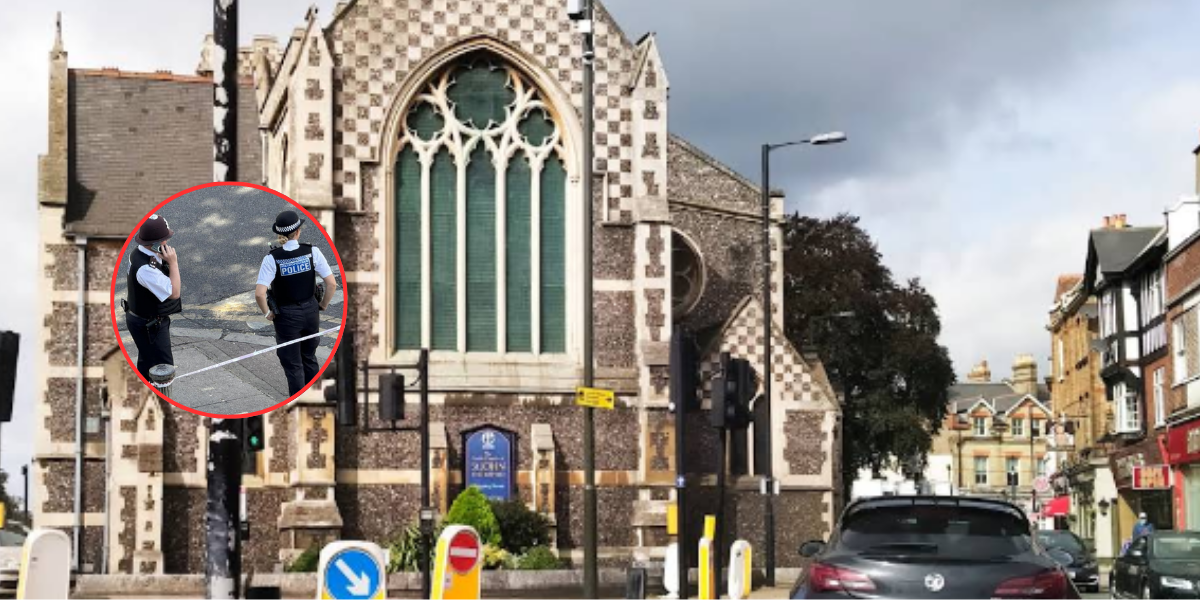
According to the Metropolitan Police, an officer taking part in the operation was stabbed in the leg while carrying out a warrant at an address in Cockfosters, Barnet.
The officer received treatment at the scene from colleagues and paramedics before being taken to hospital. The Met said his injuries were assessed as non-life-changing. The Standard, in a report by Senior News Editor Michael Howie, also reported that the officer was taken to hospital after being treated at the scene and that police described the injuries as non-life-changing.
The stabbing occurred during the early-morning operation on Tuesday, September 29. The raid was part of a much broader investigation into a suspected organised crime group.
The Metropolitan Police subsequently confirmed that a 56-year-old man had been arrested on suspicion of grievous bodily harm in relation to the stabbing. The same man was also arrested on suspicion of participating in the activities of an organised crime group and several financial offences, according to the force’s published details.
The police have not publicly identified the officer involved, and the available reports do not provide further details about his identity or the circumstances immediately surrounding the alleged attack beyond the fact that he was carrying out a warrant.
How large was the organised crime operation?
The Metropolitan Police said more than 800 officers were involved in the operation.
Dawn raids were conducted at 24 properties across five areas: London, Essex, Hertfordshire, Cambridgeshire and Suffolk. Police said searches were continuing at a number of the properties and that an ongoing police presence was expected at some locations for several days.
The scale of the deployment underlines the breadth of the investigation, although the police have not publicly disclosed the full structure of the suspected criminal organisation or identified all the properties involved.
Reuters, in a report by Sarah Young edited by Kate Holton, described the operation as a major action against organised crime involving the country’s financial regulator. Reuters reported that the arrests followed a months-long investigation and that properties in London, south-east England and eastern England were raided during the early hours of Tuesday.
The Standard’s Michael Howie similarly reported that more than 800 officers were involved across London, Essex, Hertfordshire, Cambridgeshire and Suffolk.
Who was arrested in the operation?
The Metropolitan Police said 17 people were arrested.
The force’s published details identify people by age and alleged offences rather than by name. This is important because the individuals have been arrested on suspicion of offences and have not been convicted.
According to the Met, the arrests included a 65-year-old man suspected of participating in the activities of an organised crime group, conspiracy to commit grievous bodily harm, money laundering and cheating the public revenue.
A 31-year-old woman was arrested on suspicion of conspiracy to commit grievous bodily harm and participation in the activities of an organised crime group.
The 56-year-old man connected with the stabbing was arrested on suspicion of grievous bodily harm, participation in the activities of an organised crime group, money laundering, cheating the public revenue, false accounting and failing to disclose suspicion of money laundering.
Other arrests involved suspected participation in an organised crime group, money laundering, tax evasion, false accounting and alleged breaches of money-laundering regulations.
The Met’s published list shows that the individuals arrested ranged from 26 to 65 years old. The Standard reported that the group comprised 15 men and two women.
The offences listed by police vary from person to person. Not everyone arrested was accused of every offence, and an arrest does not itself establish guilt.
What financial offences are being investigated?
Money laundering is a central part of the financial element of the investigation.
The Metropolitan Police said the arrests followed a months-long investigation involving specialist detectives, HMRC and the FCA. The agencies were also supporting searches being conducted as part of the operation.
According to the Met’s information, alleged offences include money laundering, cheating the public revenue, false accounting and failing to disclose suspicion of money laundering.
Reuters reported that those arrested were suspected of offences ranging from money laundering to false accounting and tax evasion. It also reported that the operation involved the UK’s financial regulator.
The Standard reported that 11 of the 17 arrested were suspected of money laundering, while other alleged offences included tax evasion and false accounting.
These allegations remain subject to investigation and any subsequent legal proceedings.
What role has the Financial Conduct Authority played?
The Financial Conduct Authority has been involved alongside the police and HMRC because of the suspected financial dimension of the investigation.
The Met said the FCA had disrupted seven firms as part of the wider operation and was actively pursuing a further 30.
Reuters reported the same figures, saying the FCA had disrupted seven firms and was investigating a further 30 as part of the operation.
An FCA spokesperson said the operation demonstrated the importance of partnership in tackling financial crime. The regulator said it would continue working with police and other organisations to identify and disrupt organised crime groups that abuse the financial system to launder money.
The FCA’s involvement therefore extends beyond the physical police searches. Its part in the operation relates to the suspected use or abuse of financial structures and firms connected to the wider investigation.
What have police said about the arrests?
The Metropolitan Police described the arrests as an important stage in its investigation.
A Met spokesperson said those arrested were suspected of leading or being involved at a senior level in serious and organised crime and related financial offending. The force also said organised crime could have effects beyond people at senior levels of criminal organisations, including links to serious violence and exploitation.
The spokesperson said investigating such groups was among the complex work undertaken by the Met because it required significant time, resources and specialist expertise, as well as cooperation with partner agencies such as HMRC and the FCA.
The force also said the arrests demonstrated its intention to prevent organised crime groups from operating freely in London.
Those statements are the police’s characterisation of the investigation and its significance. The allegations against the people arrested have not been established in court.
What have HMRC and the FCA said about the operation?
HMRC said the operation highlighted the importance of close cooperation between the tax authority and other law enforcement partners when investigating serious and organised crime, including suspected money laundering and other criminal activity.
The FCA likewise pointed to the long period of cooperation between the agencies before the raids took place. Its statement said tackling financial crime requires joint action and that it would continue working with police and other organisations to identify and disrupt groups that use the financial system for money laundering.
The three agencies therefore approached the investigation from different areas: the Metropolitan Police focused on organised crime and criminal investigations; HMRC was involved in suspected tax and financial offending; and the FCA dealt with the regulatory and financial-system aspects of the operation.
What is known about the wider investigation?
The operation was not described as a single-day investigation. The Metropolitan Police said the arrests were the result of many months of work by specialist detectives.
The force said officers from HMRC and the FCA were supporting searches, indicating that the investigation had developed beyond conventional police enforcement and into financial and regulatory areas.
The precise origins of the investigation, the suspected organisation’s structure, the names of the firms affected by the FCA’s action and the total value of any suspected financial activity have not been disclosed in the sources reviewed for this report.
Reuters’ report also focused on the arrests and the FCA’s action against seven firms while noting that a further 30 were being pursued.
What are the legal considerations surrounding the arrests?
The Metropolitan Police has issued a specific warning to the media following the arrests.
The force said that proceedings were now active and reminded media organisations to exercise particular caution when publishing information that could risk prejudicing future proceedings.
That warning is relevant because the individuals arrested have only been accused or suspected of offences at this stage. Arrest is not a finding of guilt.
The available reporting therefore distinguishes between what police say they suspect and what has been legally established. The alleged offences include serious organised crime, grievous bodily harm, money laundering, tax evasion and false accounting, but any eventual criminal liability would have to be determined through the legal process.
How have different media reports described the development?
The original supplied report from London Now focused on the stabbing of the police officer during the Barnet warrant and the wider arrests. It reported that 17 people were arrested at 24 properties and that more than 800 officers were involved.
Michael Howie, Senior News Editor at The Standard, reported the stabbing and the scale of the operation, adding details on the age and gender breakdown of those arrested and the alleged financial offences.
Reuters, reporting by Sarah Young and edited by Kate Holton, concentrated on the wider organised crime investigation and the financial-regulatory dimension, including the FCA’s disruption of seven firms and pursuit of a further 30.
The Metropolitan Police’s own account provides the most detailed official breakdown of the arrests and includes statements from the Met, FCA and HMRC.
These reports broadly agree on the central facts: 17 arrests, 24 properties searched, more than 800 officers involved, a police officer stabbed in Cockfosters and cooperation between the Met, HMRC and FCA.
What happens next in the investigation?
Searches were still continuing at several properties after the arrests, and police expected to maintain a presence at some locations for several days.
The investigation is therefore continuing despite the arrests. The next stages are likely to involve the examination of material recovered during searches, further investigative work and decisions concerning the people taken into custody.
The Metropolitan Police has not stated that the operation represents the conclusion of the investigation. Instead, the force described the arrests as a significant point in a wider, ongoing inquiry.
Further developments could include additional information about the suspected organised crime group, the financial activity under investigation, the firms affected by regulatory action and the legal status of those arrested. At present, those outcomes have not been established.
What is the background to the development?
The operation forms part of a broader law-enforcement approach in which organised crime is investigated alongside its financial infrastructure.
In this case, the Metropolitan Police said its specialist detectives had worked for months with HMRC and the FCA before the raids. The involvement of the financial regulator reflects the allegation that financial activity formed part of the suspected criminal offending.
The FCA’s reported disruption of seven firms and pursuit of another 30 gives the operation a regulatory dimension in addition to the criminal investigation. Reuters described the action as involving police and the country’s financial regulator, while the Metropolitan Police said HMRC and FCA officers were supporting searches.
The immediate development, however, is the combination of the 17 arrests, the searches at 24 properties and the injury to a police officer during the Cockfosters warrant.
The case is now subject to active proceedings. Consequently, details about the allegations need to remain clearly attributed to the authorities, and conclusions about guilt cannot be drawn from the arrests.
How could this development affect London residents and businesses?
For residents in Cockfosters and other areas where searches are continuing, the immediate effect could be a visible police presence around properties involved in the operation. The Metropolitan Police has said that officers may remain at some addresses for several days.
For businesses and individuals connected to the financial sector, the FCA’s involvement could mean continued regulatory scrutiny as investigators pursue the wider financial aspects of the case. The regulator has said it has disrupted seven firms and is pursuing a further 30, although the available reports do not identify those firms.
For the wider London public, the development indicates that the investigation extends beyond a conventional police raid. It combines organised crime investigations with suspected money laundering, tax-related offences and regulatory action.
However, the eventual impact cannot yet be determined. The investigation remains active, searches are continuing and the people arrested have not been convicted of the allegations made against them. Any longer-term consequences for the suspected organisation, businesses or individuals involved will depend on the evidence gathered and the subsequent legal and regulatory processes.