Key Points
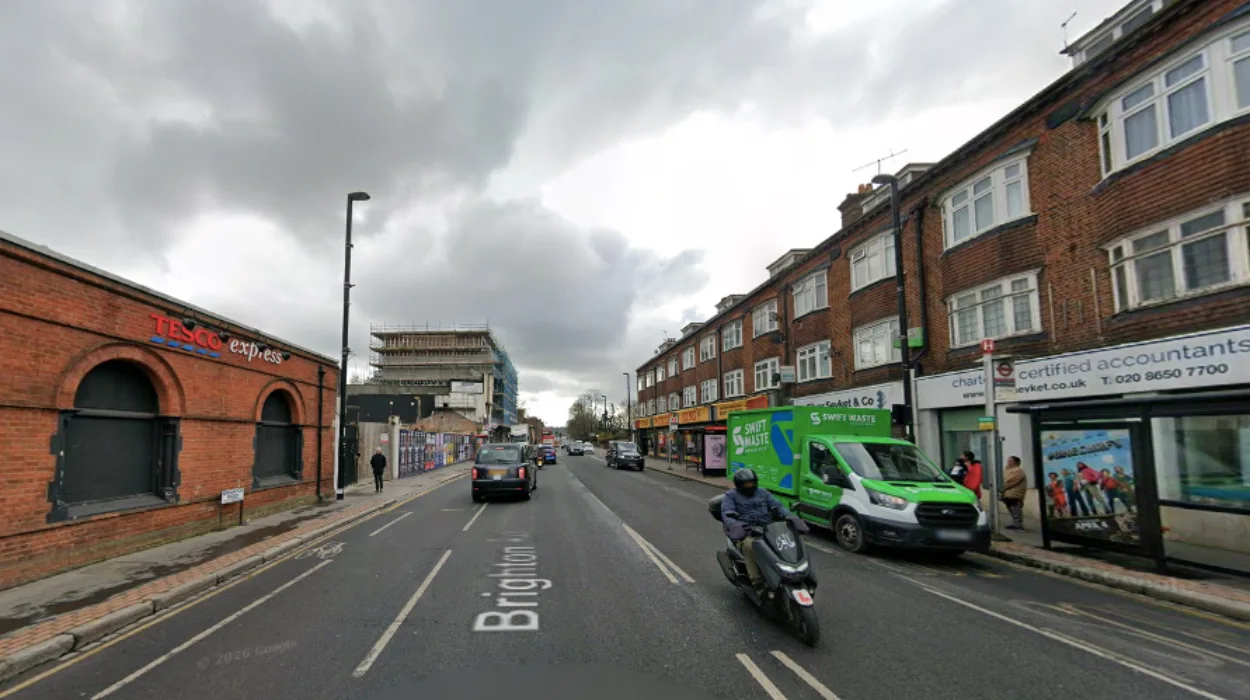
- Developers submitted plans for a six-storey, 91-room hotel next to a Tesco Express in South Croydon.
- The scheme includes zero on-site parking spaces to comply with local and regional policies that restrict car infrastructure and promote active travel.
- Croydon Council planning officers recommended the project for approval while criticizing its architectural design.
- Conservative South Croydon Councillor Danielle Denton formally objected to the scheme.
- Objections focus on the building’s height, bulk, and negative impacts on the surrounding neighbourhood.
London (Extra London News) August 27, 2026 — Controversial plans to construct a six-storey hotel featuring 91 rooms and zero car parking provisions right next to a Tesco Express in South Croydon have ignited intense public debate and formal local opposition, even as municipal planning officers recommend the project for greenlight approval. The scheme, which is slated to go before local councillors for a definitive decision, has drawn sharp criticism over its scale, aesthetic design, and the complete absence of dedicated vehicle parking facilities. While municipal authorities argue that the zero-parking model conforms strictly with modern sustainable transport targets, local representatives and residents have pushed back strongly against the initiative, citing fears of urban congestion and visual overdevelopment.
What are the details of the proposed 91-room hotel in South Croydon?
The proposed development involves a six-storey building designed to accommodate 91 hotel rooms. Situated immediately adjacent to a Tesco Express, the project aims to introduce a substantial influx of transient visitors directly into a busy suburban neighbourhood. As detailed in reports published by MyLondon, the scheme has moved swiftly through the administrative pipeline, culminating in a formal recommendation for approval from Croydon Council’s planning department.
However, this recommendation comes with a notable caveat. As reported by MyLondon, planning officers chose to endorse the project despite actively criticising its overall architectural design and expressing reservations regarding the lack of parking infrastructure. Under current guidelines, the proposal includes zero parking spaces, a feature that aligns with both Croydon’s local plan and the Greater London Authority’s (GLA) wider London Plan, which mandates that large-scale urban developments limit car infrastructure and pivot toward active travel methods.
Explore more Croydon News:
Croydon Car Wash Police Incident on Beddington Lane 2026
Southern Train Disruptions and Engineering Works in East Croydon 2026
Why is the Croydon hotel plan facing strong local objections?
The project has run into immediate political and community resistance. As reported by Danielle Denton of the Conservative Party serving as the South Croydon councillor, formal objections have been lodged against the proposals. According to the reporting by MyLondon, Councillor Danielle Denton stated that her objections are rooted directly in concerns over “the building’s height, bulk and potential” impact on the local area.
The combination of a prominent six-storey structure built directly next to existing retail and residential formations has raised alarms. Critics argue that the physical mass of the building is entirely out of character for the specific site. Furthermore, the complete omission of parking spaces has amplified anxieties among local residents who fear that visitors will inevitably spill over into neighbouring residential streets, exacerbating existing parking stress and traffic congestion in South Croydon.
How do planning policies justify the zero-parking approach?
The justification for approving a 91-room hotel with zero parking spaces rests heavily on regional urban planning mandates. Both the London Plan and Croydon Council’s internal municipal frameworks place strict caps on vehicular parking for commercial and residential developments situated within accessible urban hubs.
As outlined by municipal planning documentation and reported via MyLondon, these policies are designed to curb carbon emissions, ease inner-city congestion, and force a reliance on public transport, walking, and cycling. Consequently, planning officers maintained that despite public backlash and their own design criticisms, the application complies with these high-level sustainable transit directives, leaving little legal ground within standard policy to reject the scheme purely on the basis of its zero-parking status.
What happens next for the South Croydon development?
With planning officers having finalized their recommendation for approval, the controversial application is scheduled to go before the local planning committee. Councillors will be tasked with weighing the technical recommendations of the planning officers against the fierce opposition voiced by local representatives like Councillor Danielle Denton and members of the local community.
If granted approval, the development will transform the parcel of land next to the South Croydon Tesco Express, altering the local skyline with its six-storey frame and setting a precedent for how zero-parking commercial initiatives are handled in outer London boroughs. Stakeholders on both sides of the debate are expected to attend the upcoming committee session to make their final cases before a definitive vote is cast.