Key Points
- State-Funding Transition: The Barnet Hill Academy, an independent Islamic school located in West Hendon, will switch to a ‘voluntary aided’ school and nursery from this September.
- Role of the Council: This transition has been sanctioned officially by John Anthony, the executive director of children’s services at Barnet Council, as a result of their strategic initiative to incorporate the school into their educational facilities.
- Accessibility for the Community: This move has been made with the aim of offering accessibility to the borough’s Muslim community, which accounts for over 12% of the local population.
- Gap-Filler in Education: As stated by the Barnet Council, while there have been state funded schools for other religions in the locality, this school has not had one previously for the Islamic religion, making it imbalanced in terms of parents’ choices.
- Future Projections: The school has projected an increase of twice its number of pupils, up to around 400 by early 2030, after the change.
- Financial Situation: It was observed that the audited financial statements show that the school has found it difficult to break even as a private institution, hence the need for public financing.
- Public Opinion: The statutory period of consultation revealed “unanimous” support from the community for the project.
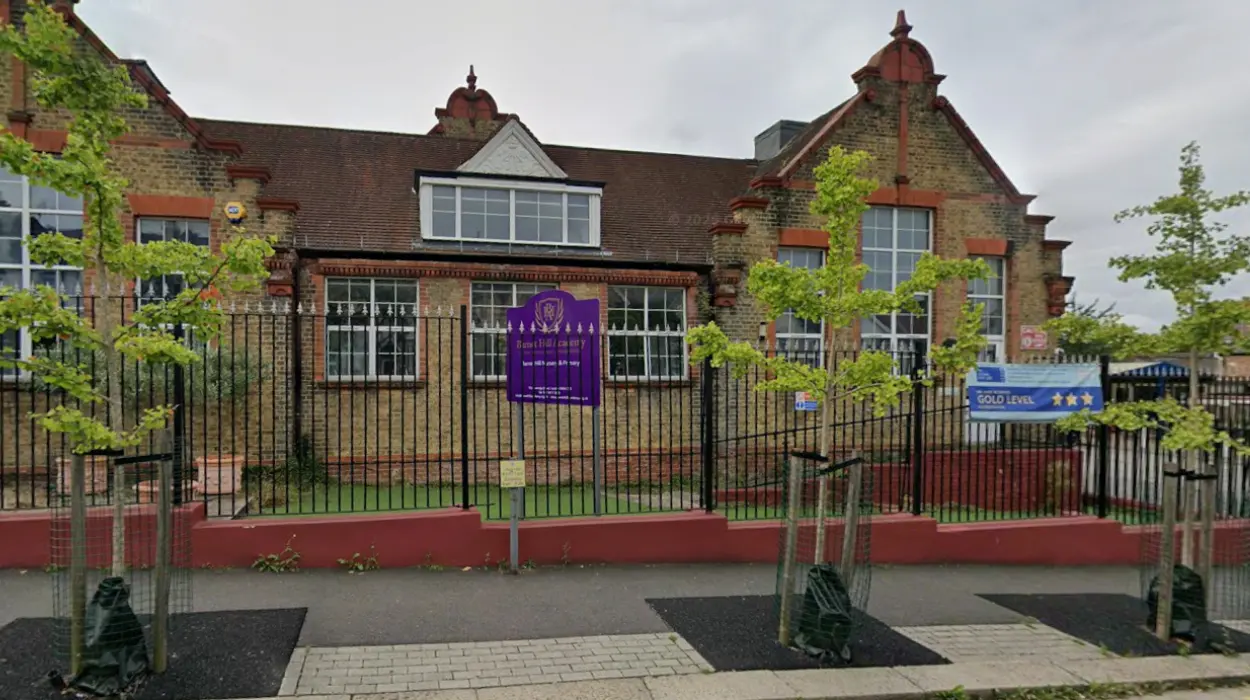
Barnet (Extra London News) August 12, 2026 – Barnet is set to welcome its first council-maintained Islamic faith school this September, marking a significant shift in the local educational landscape. The Barnet Hill Academy, situated in West Hendon and operating as an independent, fee-paying institution for the past two decades, is transitioning to a ‘voluntary aided’ model, allowing the local authority to take a central role in its governance and funding.
- Key Points
- Why is Barnet Hill Academy changing its operating model?
- How will the change affect local Muslim families?
- What are the growth projections for the academy?
- Why did the school decide to move away from private funding?
- Was the community consulted on this decision?
- What happens next for Barnet Hill Academy?
Why is Barnet Hill Academy changing its operating model?
The decision, which was formally signed off last week by John Anthony, Barnet Council’s executive director of children’s services, aims to bridge a gap in the borough’s state-funded religious education. According to reporting by Joe Ives of the Barnet Post, the council has identified a clear need to improve access to faith-based education for the borough’s Muslim population.
As of the 2021 Census, Barnet is home to 47,700 Muslim residents, accounting for just over 12% of the total population. Despite this, the council reports that while the borough’s current school provision supports Church of England, Roman Catholic, and Jewish faith-based education, “Islam is not represented within the state-funded education sector in Barnet.”
The local authority argues that this lack of representation has meant that Muslim families do not enjoy the same access to schooling aligned with their religious ethos as those of other faiths. By assuming a role in the administration of the Academy, the council intends to fulfill its legal responsibility “to secure diversity in the provision of schools, increase opportunities for parental choice and consider parental representations.”
How will the change affect local Muslim families?
For the past twenty years, Barnet Hill Academy has operated on a private, fee-paying basis. The council maintains that this structure created a barrier to entry, as “access is limited to those able to afford the associated fees, restricting provision for the majority of the borough’s Muslim community.”
As reported by Joe Ives for the Barnet Post, the move to a voluntary-aided status is designed to remove these financial hurdles. Voluntary-aided schools are established by voluntary bodies—frequently religious organisations—and receive a combination of funding from the local authority, a governing body, and the Department for Education. Once the school officially enters this new arrangement, it will be considered part of the broader education provision offered by the council.
The council has emphasised that there will be no disruption to existing services. It stated: “No changes are proposed to the age range, capacity, accommodation or operating arrangements of the nursery provision” following the introduction of the council’s role.
What are the growth projections for the academy?
The council’s vision for the school is one of significant expansion. Projections, which the local authority describes as “ambitious,” suggest that the school is expected to see its pupil numbers essentially double from the 2026/27 school year, reaching approximately 400 pupils by the early 2030s. This growth is largely expected to be driven by the removal of tuition fees, making the school an accessible option for a much wider demographic.
Why did the school decide to move away from private funding?
The transition also appears to be influenced by the financial realities faced by the institution. According to a council report cited by the Barnet Post, audited financial statements for the school over the past three years have shown that it has struggled to maintain financial stability, with income levels frequently failing to meet expenditure requirements.
To manage the transition, the council has required a ‘deed of indemnity’ from Barnet Hill Academy to cover any liabilities that may have been incurred prior to 1st September. From that date, the school will formally fall under the wing of the local authority and begin receiving public funding.
Explore more Barnet News:
Barnet Council Loses £58m Housing Funding in 2026
Arriva Bus Strikes Threaten North London Travel, North London 2026
Was the community consulted on this decision?
Yes, the process involved a formal public engagement phase. The council conducted a statutory four-week “representation period” between 8th May and 5th June. During this time, residents and stakeholders were invited to provide their views on the proposal. The council reported that the feedback received was overwhelmingly positive, with all respondents expressing “unequivocal support for the proposal.”
The council has framed the decision as a means to
“better reflect the borough’s demographic profile and respond to a clear and evidenced demand from residents for provision that aligns with the religious, cultural and ethnic diversity of the community.”
Furthermore, as noted in the documentation shared by the Barnet Post, the council claims this new arrangement will
“support inclusive access to education and contribute positively to social value by promoting equality of opportunity and reflecting the needs of the local community.”
What happens next for Barnet Hill Academy?
As the school prepares for the new academic year starting in September, it stands as a unique institution within Barnet. By integrating into the state-funded sector, it will serve as the first Islamic faith school to be maintained by the council, effectively balancing the religious representation within the borough’s educational institutions.
The transition marks the end of a long chapter as an independent school and the beginning of a state-supported future, with parents and residents alike appearing to support the academy’s new role in providing a more inclusive and diverse range of primary school options for children aged four to eleven in the West Hendon area.