
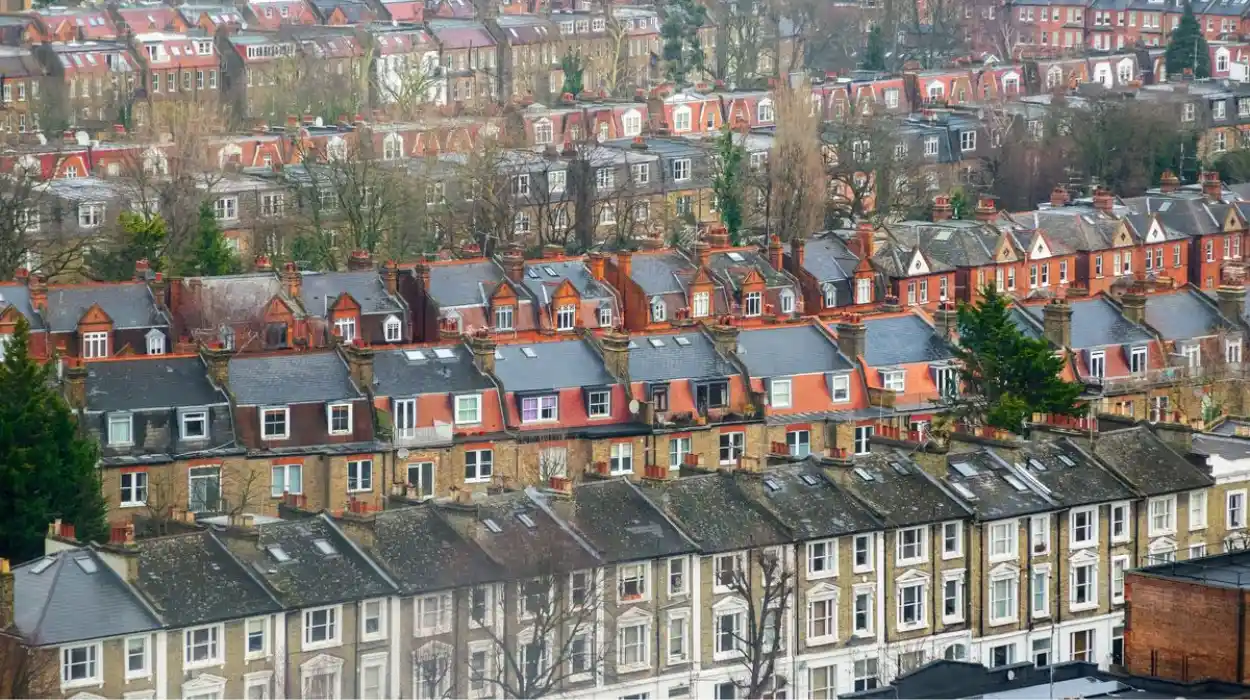
Londoners have less than two weeks to influence a major planning strategy that could shape where the capital’s homes, workplaces and transport links are built over the next decade, as the Mayor of London seeks public feedback on the draft London Plan.
The consultation, launched by City Hall on 16 July 2026, is due to close at 5 pm on Thursday, 15 October. The draft plan sets out a framework for delivering 558,000 homes by 2037, alongside proposals covering affordable housing, transport infrastructure, employment, green spaces and environmental resilience.
The document is not yet final policy. Responses from residents, councils, businesses and community organisations will inform the next stages of the planning process, with an examination expected in 2027 and formal adoption currently scheduled for 2028.
The consultation comes as London faces continuing pressure to provide secure and affordable homes for its growing population. For renters, families waiting for social housing and young people trying to enter the property market, the decisions made through the planning process could have long-term consequences.
What does the plan propose?
The draft London Plan is the Mayor’s strategic framework for how Greater London should develop over the coming decades. It covers housing, transport, economic growth, environmental protection and the infrastructure needed to support new neighbourhoods.
According to City Hall’s published plan, the strategy aims to enable the delivery of 558,000 homes during the ten years to 2037. The document also refers to a government-assessed need for around 850,000 homes over 20 years, distinguishing that longer-term estimate from the number the draft plan seeks to accommodate in its first decade.
The proposed approach prioritises making better use of brownfield land, encouraging development in locations with good public transport connections and coordinating new housing with essential infrastructure, including schools, utilities, healthcare facilities and transport services.
However, building more homes involves more than identifying land for development. New communities also require services capable of supporting additional residents. The plan therefore raises questions about how quickly infrastructure investment can be delivered alongside housing construction.
Green Belt and affordable housing under discussion
One of the more contentious elements is the proposal to consider limited and selective release of Green Belt land where development can meet specified conditions. The draft prioritises brownfield sites but recognises that these may not provide sufficient capacity to meet London’s long-term housing needs on their own.
Under the proposals, potential development on Green Belt land would need to demonstrate benefits such as substantial affordable housing, access to public transport, appropriate infrastructure, good-quality green spaces and improvements to biodiversity.
Supporters of additional development may argue that more land is needed to expand housing supply and create new neighbourhoods. Others may be concerned about the loss of open land, pressure on local infrastructure and the environmental consequences of construction. The draft plan seeks to address these competing considerations through planning requirements, but the consultation gives residents and organisations an opportunity to respond to the proposed approach.
Affordable housing is another central issue. City Hall says the draft plan aims to maximise affordable housing delivery while taking account of the financial conditions affecting housebuilding. The Mayor’s stated strategic ambition remains for 50 per cent of new homes to be affordable, although the draft proposes a more flexible approach to planning thresholds in some circumstances.
The practical impact will depend on how the policies are finalised, how individual developments are assessed and whether projects can proceed with the necessary funding and infrastructure.
The human cost of London’s housing shortage
The debate extends beyond planning targets. On 25 August 2026, the Ministry of Housing, Communities and Local Government said that almost 180,000 children in England were living in temporary accommodation, including more than 100,000 in London.
Temporary accommodation can provide an essential safety net for families who have nowhere else to stay, but prolonged stays can disrupt children’s education, healthcare and family life. The figures illustrate why the availability of secure housing remains a significant issue for public services and local authorities.
The Government has said it wants to increase social and affordable housebuilding and enable councils and housing associations to play a greater role in delivering homes. Its Social and Affordable Homes Programme is intended to support that wider effort.
The figures do not mean that the draft London Plan alone can resolve homelessness or housing insecurity. Those challenges are also affected by funding, household incomes, the supply of social housing and the support available to people at risk of losing their homes.
How can Londoners influence the final plan?
City Hall has invited residents, businesses, borough councils, community groups and other interested organisations to respond to the draft. Participants can comment on the whole document or focus on specific areas, including housing, transport, environmental policy and neighbourhood development.
The consultation closes at 5 pm on 15 October 2026. After responses are considered, the current timetable envisages further work during 2027, an examination of the plan and formal adoption in early 2028. That timetable could be subject to change as the process progresses.
The plan’s publication also provides an opportunity to examine how London’s housing targets will be matched by delivery. Planning policy can identify where homes should be built and establish requirements for development, but the number of homes ultimately completed will depend on land availability, investment, construction capacity and infrastructure.
A decision that will shape London for years
The draft London Plan sets out a long-term vision for a capital that continues to grow while responding to housing pressures, environmental concerns and the need for better-connected communities.
The challenge is balancing the need for more homes with affordability, infrastructure, local character and the protection of green spaces. The consultation does not guarantee that any particular proposal will be adopted, but it provides a formal opportunity for Londoners to influence the policies being considered.
With the deadline approaching, the central question is how the capital can deliver the homes it needs while ensuring that new development creates places where people can afford to live, access essential services and build stable lives.
The next stage will depend on the evidence, responses and decisions that follow the consultation. For Londoners affected by the housing shortage, those decisions could help shape the capital’s neighbourhoods well beyond 2030.