Key Points
- Decision Imminent: A vital decision about the extensive rehabilitation of the Croydon Flyover will come up this autumn.
- Increased Lifespan: According to Transport for London (TfL), the project will increase the lifespan of the deteriorated infrastructure by no less than 25 years.
- Potential for Closure: If the funding for the work is not secured, there will be a danger that the infrastructure may face further closure or traffic restrictions in the future.
- Business Case Approved: The business case has been approved and presented to the Department for Transport (DfT) Structures Fund to secure funding for the extensive renovation.
- Strategic Significance: The Croydon Flyover built in 1969 is one of the busiest infrastructures of south London that handles up to 40,000 vehicles per day and 30,000 movements underneath it.
- Details of Work: The work involves renewal of waterproofing, drainage, joints and parapets as well as structural repairs.
London (Extra London News) August 7, 2026 – Transport for London (TfL) has issued a stark warning regarding the future of one of south London’s most critical transport arteries, confirming that the Croydon Flyover faces a potential “possible closure” if long-term government funding is not secured this autumn. The vital structure, which carries the A232 over Croydon Old Town, requires urgent and extensive refurbishment to remain operational for the next quarter-century. As reported by Harrison Galliven, a Local Democracy Reporter for MyLondon, a decision on the government funding package is now anticipated in the coming months, which will determine whether the ageing concrete structure can avoid the threat of future traffic restrictions or complete closure.
What is the Current State of the Croydon Flyover?
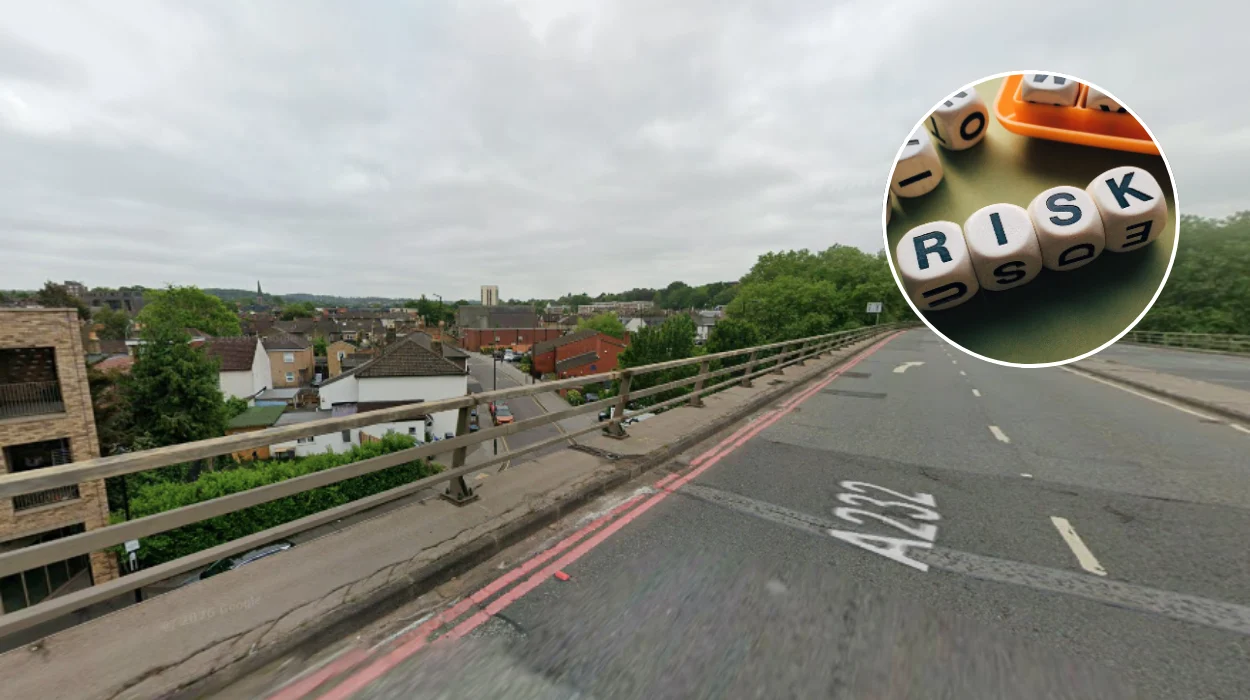
The Croydon Flyover, a reinforced concrete structure completed in 1969, has become an indispensable component of the capital’s road network. According to data highlighted by Harrison Galliven in MyLondon, the flyover handles approximately 40,000 vehicles every single day. Furthermore, the route supports a significant volume of traffic passing beneath it, with an estimated 30,000 additional vehicle movements occurring in the area daily.
Despite its importance, time has taken its toll on the structure. For several years, TfL has identified the flyover as a site of concern. As early as 2022, internal TfL reports highlighted the flyover as one of six major road and tunnel structures across London that were at risk of “imminent closure” if necessary maintenance work was not carried out within a three-year window. While the road remains operational today, the underlying infrastructure is showing clear signs of decay, necessitating the comprehensive refurbishment project currently awaiting funding approval.
Why Does the Structure Require Urgent Refurbishment?
The proposed upgrade project is comprehensive, aimed at addressing years of structural wear. As outlined by MyLondon, the works are designed to tackle critical areas of deterioration. The restoration plan includes:
- Replacing the waterproofing systems to prevent further water ingress.
- Upgrading the drainage infrastructure.
- Renewing expansion joints and parapets.
- Conducting essential structural repairs to the concrete framework.
These measures are not merely cosmetic; they are structural requirements intended to prolong the life of the flyover by at least 25 years. Previous reporting by Inside Croydon noted that the structure’s concrete pillars have, in some instances, shown signs of flaking, exposing the internal steel framework to potential rusting—a common issue for 1960s-era concrete constructions in London, such as the A40 Westway.
How Has the Funding Process Evolved?
The path to securing funding has been complex, marked by long-standing debates over transport investment in the capital. TfL has submitted a formal business case to the Department for Transport’s (DfT) Structures Fund, seeking the capital required to execute the restoration.
While work was initially envisioned to begin in 2026, the Local Democracy Reporting Service (LDRS) has indicated that delays in finalising the funding package have hindered progress. In a broader context, the financial pressures facing TfL—exacerbated by the economic shifts following the COVID-19 pandemic—have led to ongoing negotiations with the central government regarding sustainable, long-term funding models for London’s transport infrastructure.
Historically, this issue has been highly politicised. In 2022, when the risk of closure was first publicised, various political figures weighed in. As reported by the Your Local Guardian, Neil Garratt, a Conservative assembly member for Croydon and Sutton, expressed scepticism regarding the severity of the warnings at the time, arguing that the flyover remained “safe and will stay open” and suggesting that TfL was “blaming the government” during bailout negotiations.
Conversely, Val Shawcross, then a Labour figure and candidate, emphasised the strategic necessity of the route, stating as reported by the Your Local Guardian: “The Croydon Flyover is a vital part of Croydon and London’s traffic system… If our flyover in Croydon is not safe to use, then traffic in Croydon will grind to a halt.”
Explore more Croydon News:
Croydon Man Jailed for Royal Windsor Horse Show Rape, Croydon 2026
Open House Festival Events Guide: Croydon 2026
What Have Been the Perspectives of Stakeholders?
The discourse surrounding the Croydon Flyover reflects a wider tension between municipal authorities and central government regarding infrastructure maintenance.
According to Inside Croydon, the TfL board has been warned repeatedly that without “long-term funding certainty,” the agency risks significant disruption across its entire network. The Croydon Flyover is not an isolated case; it is part of a larger list of 45 TfL road network structures—including the Rotherhithe Tunnel, Gallows Corner Flyover, and Vauxhall Bridge—that have required interim safety measures due to deteriorating conditions.
A spokesperson for the Mayor of London, Sadiq Khan, previously remarked on the financial climate, noting in statements covered by the Your Local Guardian that the state of such infrastructure provides a “small window into the stark reality of the financial crisis facing TfL.”
What Comes Next for the Project?
With the design work for the renewal now complete, the focus has shifted entirely to the pending government decision. Your Local Guardian reported earlier in 2025 that TfL has been progressing with local stakeholders and the supply chain to ensure that, once funding is confirmed, the proposals can be put into action without further delay.
While previous updates suggested that construction work was unlikely to begin on-site before the summer of 2026, the confirmation that a decision is expected this autumn marks a pivotal moment for the borough. The outcome will determine whether the structural integrity of this major south London link is secured for another quarter-century or if the borough faces the prospect of protracted road closures and the associated logistical challenges for thousands of commuters and businesses that rely on the A232 every day.
For the residents of Croydon and the wider London travelling public, the autumn announcement will be a critical indicator of the government’s commitment to maintaining ageing infrastructure. As it stands, the flyover remains open, but the clock is ticking on its structural lifespan, leaving the local transport network in a state of watchful anticipation.