Key Points
- Croydon Council has formally announced its opposition to the Mayor of London’s newly published draft London Plan, specifically targeting its approach to utilizing Green Belt land for housing developments.
- The draft London Plan sets a ten-year housing target for Croydon to build 21,544 new homes, divided between 15,944 units on brownfield sites and 5,600 units on Green Belt land within a proposed growth area linking Croydon and New Addington.
- Croydon Council maintains that while it strongly supports building new and affordable homes, meeting housing targets must not rely on sacrificing protected Green Belt boundaries.
- The local authority stresses that City Hall and the Government should prioritize brownfield sites and ensure that the more than 300,000 homes already granted planning permission across London by 2025 are actually built before considering open spaces.
- Consultation for the draft London Plan remains open until 15 October 2026, during which time Croydon Council will prepare a formal response advocating for the preservation of its Green Belt and realistic targets.
- Executive Mayor of Croydon Jason Perry has vowed that the council will consistently defend local communities and local decision-making through bodies like London Councils.
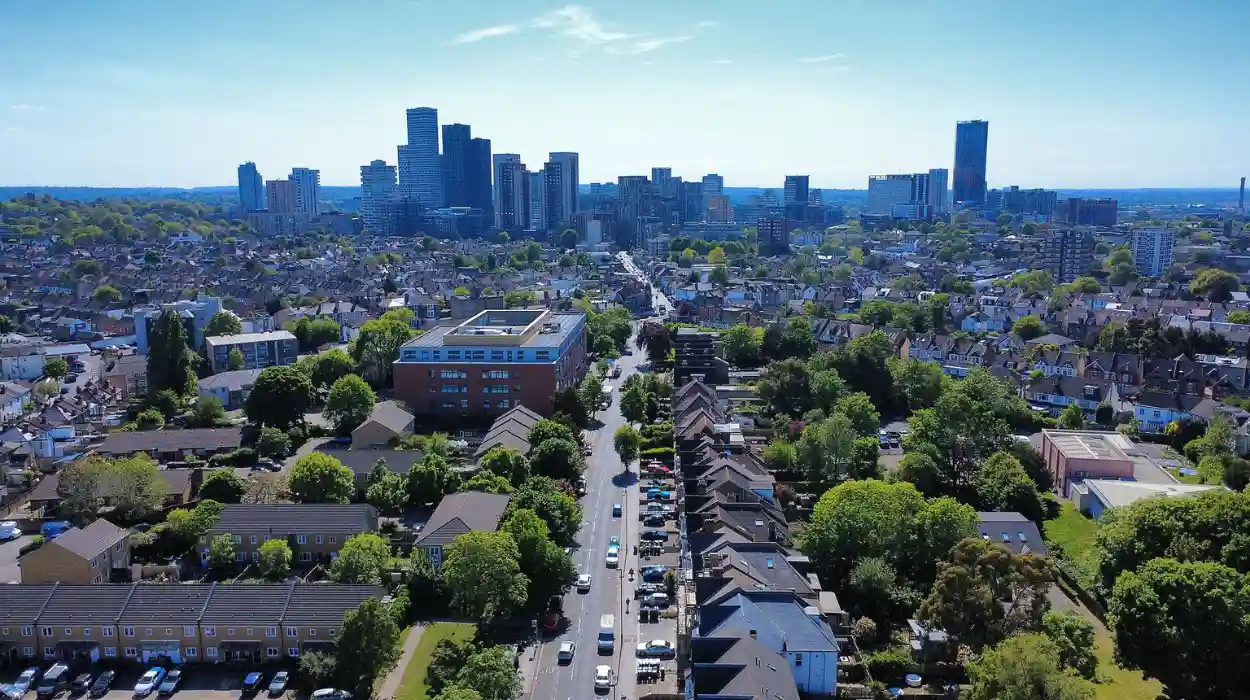
Croydon (Extra London News) July 21, 2026 – Croydon Council has officially declared that it will vehemently object to the latest draft London Plan, setting up a high-stakes political clash over housing targets and the preservation of the borough’s protected open spaces. Unveiled via the official Croydon Council news portal, the newly published regional planning framework outlines a massive ten-year building quota for the south London borough, triggering immediate pushback from local civic leaders who argue that regional housing strategies are unfairly threatening local green boundaries.
What Are the Housing Targets Set for Croydon in the Draft London Plan?
According to details released in the draft London Plan, Croydon has been assigned a target to construct 21,544 new homes over the upcoming decade.
This overarching target is broken down into two distinct categories: 15,944 homes designated for brownfield sites—which are previously developed plots of land—and a controversial 5,600 homes allocated on Green Belt land as part of a newly proposed strategic growth corridor stretching between Croydon and New Addington.
As reported by official council communications, while any adjustments to local Green Belt boundaries would technically still need to move through Croydon’s independent Local Plan process, the local administration fundamentally rejects the premise that solving the capital’s housing crisis must depend on concrete expansion into protected green areas.
Why Does Croydon Council Believe Brownfield Sites Should Take Priority?
The local authority has clarified that it is not against housing growth per se; rather, it firmly supports the delivery of new properties, including much-needed affordable housing for local residents. However, the council insists that regional authorities must prioritize previously developed brownfield land above all else.
In a detailed brief published by the Croydon Council Newsroom, the local authority urges City Hall and central government bodies to focus heavily on existing approved developments.
The council argues that authorities should guarantee that homes already granted planning permission are successfully constructed before any consideration is given to carving up the Green Belt.
Highlighting regional building trends, data shows that by 2025, London boroughs had already granted planning permission for upwards of 300,000 homes across the wider capital. Croydon Council maintains this extensive backlog proves that simply inflating regional land allocations and ratcheting up arbitrary housing targets will not magically resolve London’s deep-seated housing shortage.
Explore More Croydon News:
Grayson Perry Tapestries Exhibition at Museum of Croydon, 2026
David Trench Banned Over Anti-Social Behaviour, Croydon 2026
What Did Executive Mayor Jason Perry Say About the Draft Plan?
The consultation process for the draft new London Plan was officially launched by the Mayor of London, setting out broad policy proposals regarding future urban growth, employment, transport networks, environmental protection, and public spaces. In response, Croydon’s political leadership has taken a firm, uncompromising stance against the blueprint.
As reported by the Croydon Council Newsroom, Jason Perry, Executive Mayor of Croydon, stated that:
“I am clear that Croydon will oppose the draft London Plan in its current form. We need more homes, including affordable homes, but our Green Belt is sacrosanct. The Mayor of London’s Plan identifies capacity for nearly 16,000 homes on brownfield land in Croydon. That must be the priority, alongside making schemes viable and getting existing permissions moving.”
Expanding further on his commitment to protecting the local landscape, Mayor Perry added, as published by the Croydon Council Newsroom:
“Whilst I am Mayor, Croydon Council will always stand up for our Green Belt and for the right of local communities to shape the places where they live.”
How Is Croydon Responding to the Consultation and What Happens Next?
With the official consultation period for the draft London Plan scheduled to run until 15 October 2026, administrative teams within Croydon Council are currently drafting a robust, evidence-backed formal response.
Their submission will heavily lobby for the continuous, uncompromised protection of Green Belt land, push for more realistic and achievable housing targets, and demand greater financial and structural support for brownfield regeneration.
Furthermore, Executive Mayor Jason Perry plans to take these pressing local arguments beyond borough borders. He intends to raise the profile of Croydon’s objections through London Councils—the collective cross-party association representing local authorities in the capital.
Through this platform, Mayor Perry will argue that individual boroughs must play a central, driving role in shaping regional spatial plans to ensure that London-wide frameworks accurately reflect unique suburban needs and local infrastructural challenges.