Key Points
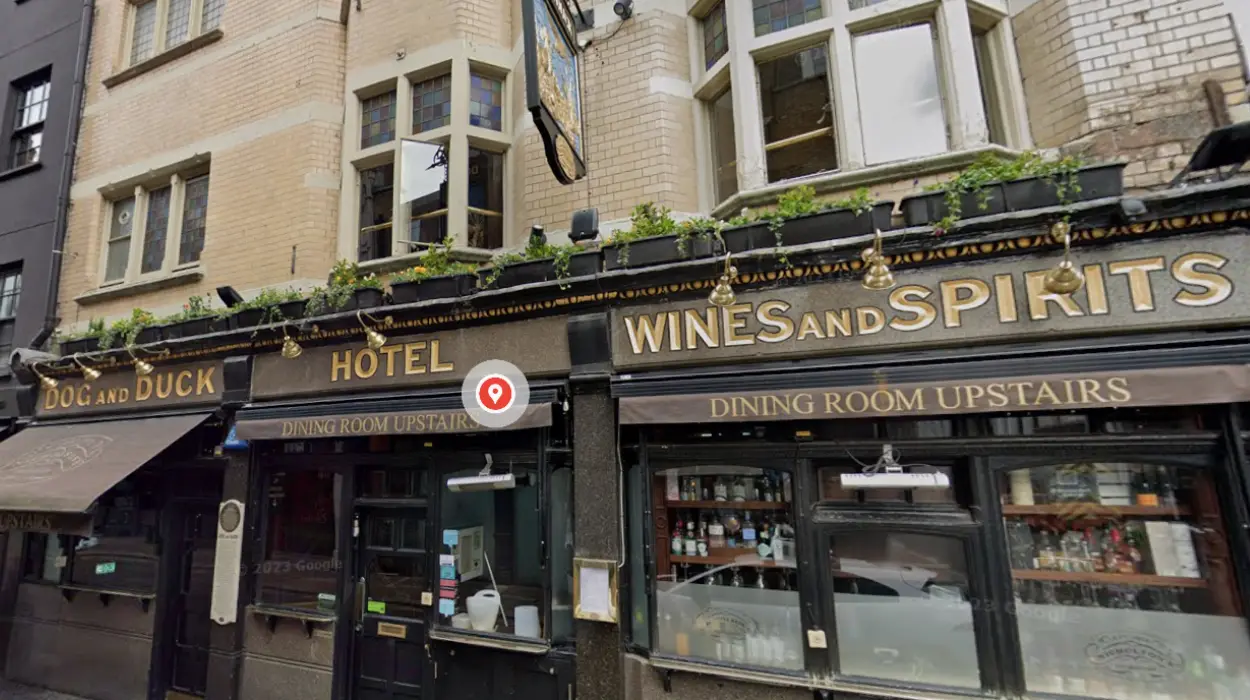
- A new draft licensing policy has been presented by Westminster City Council which opposes the practices of “vertical drinking” and ordering at the bar across Soho and the West End.
- The draft licensing policy recommends venues to promote more fixed seating, table service and waiter/waitress service only, along with “giving greater weight to new applications that include reductions in operating capacity.”
- According to The Guardian (Helena Horton), the central London council’s policy has resulted in considerable political backlash against the policy, attracting opposition from the Mayor of London Sadiq Khan and even from industry insiders such as Sacha Lord.
- Leading licensing lawyer Philip Kolvin KC, through The Guardian, commented on the proposed policy saying that it will be detrimental to community cohesion as it will force people to stick together in prearranged groups due to the ban on vertical drinking.
- Tim Barnes, Westminster city councillor, has vociferously defended the council saying that accusations of a total “standing ban” is a “ludicrous” and “wilful misreading” of guidelines meant to manage pavement congestion and nuisance problems.
London (Extra London News) August 6, 2026 – A fierce row has erupted across the British capital after Westminster City Council introduced a draft licensing policy that critics claim effectively targets the centuries-old tradition of standing up while drinking in Soho and West End pubs.
Why is Westminster Council proposing curbs on vertical drinking?
As reported by Helena Horton of The Guardian, Westminster Council—which holds jurisdiction over one of Europe’s most bustling nightlife and entertainment districts—has recommended clamping down on “vertical drinking” and open bar layouts in its new consultation document. The draft guidelines explicitly advise venues to “discourage excessive drunkenness and encourage the provision of more seating in premises that serve alcohol for people to sit and enjoy a drink and order food by table service in place of open bar space that caters for high volume vertical drinking”. Furthermore, the policy states that sales of food and drink should ideally be handled strictly via waiter or waitress service.
As detailed in coverage by The Standard, the local authority notes that new licensing applications will continue to be reviewed individually. However, the text adds that “greater weight” will be assigned to proposals that demonstrate “meaningful reductions in actual operating capacity”. The council also seeks to implement strict measures within its designated “cumulative impact zone”, where the draft notes that the authority “will normally refuse any application made in respect of a premises located in the West End Cumulative Impact Zone that is a pub or bar, a fast food premises or a venue offering music, dancing and similar entertainment”.
What do legal experts say about the impact on pub culture?
The proposals have sent shockwaves through the hospitality industry, raising concerns about the fundamental nature of the British pub experience. Speaking to The Guardian, top licensing lawyer Philip Kolvin KC warned that the policy risks eroding the social fabric of traditional drinking establishments.
As reported by The Guardian, Philip Kolvin KC stated that:
“Vertical drinking is also social drinking, allowing people to mix and socialise as they wish, rather than being confined to their predetermined groups. So this is asking the traditional pub not to behave as a traditional pub and to ask people to stay with the group they came with. One could characterise this as being contrary to the ethos of pubs as places which promote community cohesion.”
Legal analysts and trade observers speaking with Caterer Licensee echoed these concerns, pointing out that shifting away from open bars heavily impacts operational flexibility for venues already grappling with steep overhead costs and economic pressures.
How has the Mayor of London responded to the draft policy?
The proposals have drawn a sharp rebuke from City Hall. As reported by The Guardian, London Mayor Sadiq Khan harshly condemned the council’s blueprint, classifying the measures as counterproductive and harmful to the capital’s night-time economy.
A spokesperson for Sadiq Khan told The Guardian:
“This is more evidence that restrictive and anti-growth policies aren’t working. At a time when venues need our support more than ever, the rules on licensing are stacked against them.”
The Mayor’s office further emphasized that new administrative powers slated to be granted to City Hall by the government will be vital. As noted by The Guardian, these upcoming powers will allow the Mayor to call in local council licensing decisions and exert greater regulatory oversight to protect London’s broader nightlife and hospitality sectors.
Explore more Westminster News:
Council Tax Set to Double Amid Major Funding Cuts: Westminster 2026
Met Police Expands Shoplifting Tech Crackdown Across London 2026
What are industry leaders and critics saying?
Prominent figures within the hospitality sector have pulled no punches in their condemnation of Westminster Council’s approach. Sacha Lord, the entrepreneur and former night-time economy adviser for Greater Manchester, launched a blistering attack on the authority.
As reported by The Guardian, Sacha Lord stated that:
“Westminster council are the most anti-hospitality council in the UK. Their draft licensing policy is out today and is recommending banning standing in pubs, and they don’t want people ordering at the bar.”
Sacha Lord added, as quoted by The Guardian:
“Encouraging policies that favour more seating and reduced standing space risks changing the very character of these venues while reducing capacity, increasing operating costs and limiting flexibility for responsible businesses already under significant financial pressure.”
Grassroots advocacy groups have similarly slammed the consultation text. As reported by City A.M., Lucy Rogers, a campaigner for the Looking For Growth group, accused Westminster Council of attempting to stifle social freedom.
As reported by City A.M., Lucy Rogers stated that:
“They want to demonise our pub culture and ban fun. Timothy Barnes and his colleagues must let adults stand up.”
How has Westminster Council defended its proposals?
In response to widespread media outrage and accusations of attempting to outlaw standing, Westminster City Council officials have hit back, labeling the public narrative as inaccurate.
As reported by City A.M., Westminster councillor Tim Barnes, the cabinet member for growth and planning, firmly rejected the interpretation that the authority is trying to ban standing.
Tim Barnes told City A.M.:
“It is ludicrous to suggest the council is planning to ban people standing up in pubs. Suggesting otherwise is a wilful misreading of the policy proposals with clauses taken out of context.”
Defending the true intent behind the consultation text, Tim Barnes added, as quoted by City A.M. and The Guardian:
“Our guidance is simply about encouraging venues to manage their customers so people don’t pack on to pavements or excessive drinking doesn’t disturb others passing by.”
Furthermore, Caterer Licensee noted that Westminster representatives stressed that the authority turns down fewer than 1.5% of overall license applications, maintaining that they actively desire a profitable and vibrant hospitality market across the borough. Officials pointed to recent approvals—such as a 24-hour operational extension for the Leicester Square McDonald’s—as proof that individual commercial applications continue to receive fair and pragmatic evaluations.
The draft licensing policy remains open to public consultation, leaving business owners, residents, and local politicians bracing for further clashes over the future shape of central London’s social spaces.